
Selling a House During Divorce in Glendale
- Foreclosure, inherited, tenants, damage — we buy it
- Zero fees, zero commissions, zero closing costs
- No obligation — turn the offer down and owe us nothing


One Asset, Two Names, One Decision
The family home is usually the largest asset in a Glendale divorce, and often the hardest to agree on. A clean cash sale can turn a contested house into a number both sides can simply split.
California is a community property state, which means a house purchased or paid down during a Glendale marriage is presumptively split 50/50 under the Family Code, regardless of whose name is on the loan or whose income covered which payment.
That default rule is simple to state and surprisingly hard to execute cleanly, because a house doesn’t divide the way a bank account does.
Somebody has to buy the other person out, or the property has to be sold and the proceeds split — and both routes tend to stall when the two people involved can’t agree on what the house is worth.
Why Appraisals Become the Fight
The most common stall point in a Glendale divorce isn’t whether to sell — it’s what number to sell at.
Each spouse has an incentive to prefer whichever appraisal favors their position, and dueling appraisals can turn into their own multi-month sub-dispute, complete with additional expert costs that come out of the same pool of equity you’re trying to divide.
A cash offer sidesteps that entirely: instead of arguing over a hypothetical listing price, both parties get one written number to evaluate and either accept or counter, without hiring competing experts to argue for months.
Buyout vs. Sale
If one spouse wants to keep the house, they generally have to refinance the mortgage into their name alone and pay the other spouse their share of the equity — a process that requires qualifying for the loan solo, which isn’t always possible on one income even when the desire is there.
When a buyout isn’t realistic, selling and splitting the net proceeds according to your settlement or judgment is the more common path, and it removes the house as an ongoing point of contact between two people who are otherwise trying to separate their finances.
Tracing Separate Property Contributions
Not every dollar in a Glendale home is automatically community property. A down payment from an inheritance, or funds owned before the marriage, can sometimes be traced and credited back to the contributing spouse before the remaining equity is split.
That tracing analysis is a conversation for your attorney or a forensic accountant, not something a sale process resolves on its own — but once the tracing is settled, a fast sale still gives you a clean number to apply it against, rather than an estimate that keeps moving with the market.
What Happens With the Deed and the Proceeds
Whether the outcome is a buyout or a sale to a third party, the new ownership gets formalized with a deed recorded at the Los Angeles County Registrar-Recorder/County Clerk’s office in Norwalk.
In a sale to an outside buyer, that recording happens automatically through escrow as part of closing; in a buyout, an interspousal transfer deed typically needs to be prepared and recorded separately.
Either way, proceeds are usually held by the escrow or title company and disbursed according to your marital settlement agreement or a court order, not handed directly to either spouse to divide informally.
Why Speed Often Matters More Than a Slightly Higher Listing Price
A traditional listing during a divorce means both spouses cooperating on showings, repairs, and negotiations for weeks or months — cooperation that’s often in short supply exactly when it’s needed most.
Every month the house sits on the market is another month of mortgage, insurance, and utility payments coming out of shared funds, and another month the largest asset in the case stays unresolved.
Selling for cash, as-is, removes the need for either spouse to fund repairs or agree on staging and showings, and it puts a closing date on the calendar that isn’t dependent on a buyer’s financing coming through.
Frequently Asked Questions
Do both spouses have to agree to sell?
In most cases, yes — both names on title generally means both signatures are needed to convey the property, unless a court order specifically authorizes one spouse to sell alone.
Can we sell before the divorce is finalized?
Often yes, especially by mutual agreement, with proceeds held in escrow or a trust account pending the final judgment on how they’re divided.
What if one spouse wants to keep the house and the other wants to sell?
That’s typically resolved through negotiation, mediation, or a court order — a cash offer can still be useful here as a neutral, real-world number for a buyout instead of a moving-target listing estimate.
Does selling for cash affect how the proceeds are divided?
No — the sale method doesn’t change your settlement or the community property split; it only affects how quickly and cleanly you arrive at a number to divide.
What about the mortgage while the house is for sale?
Payments typically continue as agreed between the spouses or as ordered by the court until closing, regardless of which sale method you choose.
If the house is the one piece of your Glendale divorce that neither of you can agree on, a no-obligation cash offer gives you both a real number to work from — get one above and see what a clean, fast sale could look like for your situation.
Seller Guides
Helpful guides for homeowners in Glendale
Plain-English answers to the questions sellers ask us most.
 Inherited homes & probate
What Probate Actually Looks Like for an Inherited House in Fresno County
Probate for an inherited Fresno County house runs through one courthouse, but the timeline depends on how title was held. What to expect, step by step.
Read the guide → Inherited homes & probate
Partition Actions Between Heirs: How California Law Forces a House Sale
California heirs can force a house sale through a partition action under CCP 872-874, with court referees, confirmation hearings, and buyout rights.
Read the guide →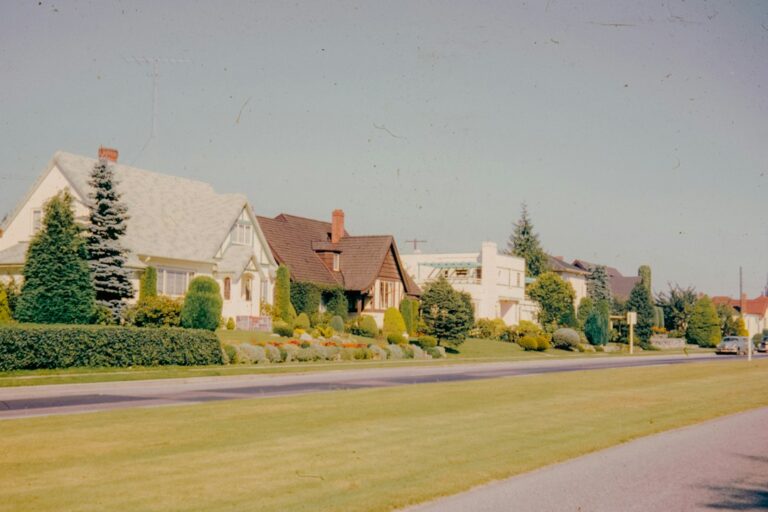 Divorce
Divorcing in North Long Beach? Who Gets the House, and What Taxes Follow
Divorcing in North Long Beach, CA? Learn how buyouts, Duke orders, Watts/Epstein credits, and capital gains tax rules affect splitting your house.
Read the guide → Divorce
Why a West Covina Divorce Sale Doesn’t Always Trigger a Tax Reassessment
A West Covina divorce buyout usually keeps the home's Prop 13 tax basis, but selling to a cash buyer does not. See how that affects your decision.
Read the guide →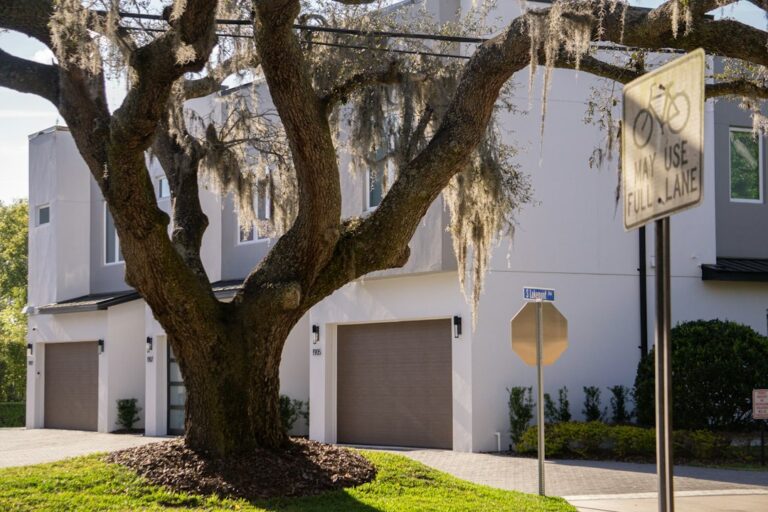 Rentals & tenants
Why Glendale’s Rent Rules Often Don’t Apply to Your Rental
Glendale has its own tenant-protection ordinance, but most single-family rental houses are exempt and fall back to California's AB 1482 instead.
Read the guide → Divorce
Who Gets Credit for the Down Payment on an Agua Dulce Ranch in a Divorce
Learn how California Family Code Section 2640 reimburses a separate-property down payment on an Agua Dulce horse property when a marriage ends in divorce.
Read the guide → Divorce
Dividing a House in an Avalon, CA Catalina Divorce
Dividing an Avalon, CA home in divorce? See how California community property law, rental license limits, and island appraisals affect your split.
Read the guide → Divorce
Separate Property Reimbursement in a Monrovia Divorce
How Family Code 2640 and the Moore/Marsden formula decide what a spouse gets back before a Monrovia, CA home sells or one spouse buys the other out.
Read the guide → Divorce
How Community Property Division Works for a Whittier Home Sale
See how California law splits community versus separate property for a Whittier house sale during divorce, and what each spouse can claim back.
Read the guide →