
Sell a House During Divorce in Lakewood
- Foreclosure, inherited, tenants, damage — we buy it
- Zero fees, zero commissions, zero closing costs
- No obligation — turn the offer down and owe us nothing


One Less Thing to Negotiate
Selling the house and dividing the proceeds is often simpler than deciding who keeps it. Here’s how community property rules shape that decision.
A house is often the single largest asset in a divorce, and disagreeing about what to do with it can slow down every other part of the settlement. Cash Home Buyers CA buys houses throughout Lakewood for couples going through divorce, closing on a timeline that works for both parties.
How Community Property Rules Apply
California is a community property state, which generally means property acquired during the marriage belongs equally to both spouses regardless of whose name is on title, and is split 50/50 in a divorce absent a valid prenuptial or postnuptial agreement.
A house purchased before the marriage, or with separate funds like an inheritance, can be more complicated — it may be partly separate and partly community property if community funds paid down the mortgage or funded improvements during the marriage. These determinations are fact-specific and typically require input from a family law attorney.
The Three Common Paths
- One spouse buys out the other. This requires the remaining spouse to qualify for financing on their own, refinancing the existing loan out of both names, which isn’t always realistic on a single income.
- Continue co-owning after the divorce. Some couples keep the house jointly for a period, often for kids still in school, with a deferred sale agreed to in the settlement. This keeps both parties financially tied to the property longer.
- Sell and split the proceeds. Often the cleanest option — it converts the asset to cash, which is far easier to divide precisely than a house, and it removes both parties’ names from the mortgage.
Where Lakewood Divorce Cases Are Handled
Family law matters for Lakewood residents are handled through the Los Angeles County Superior Court. Any deed transferring the property, whether to a buyout spouse or to an outside buyer, is recorded afterward with the Los Angeles County Registrar-Recorder/County Clerk in Norwalk.
Why a Direct Sale Often Helps
A direct sale removes several sources of friction specific to divorce: no arguing over who pays for repairs a retail buyer requests, no months-long listing process during an already stressful time, and a firm closing date both spouses can plan around.
Because both spouses typically need to sign off on the sale and the settlement, we’re used to coordinating closings that require both parties’ consent and, where applicable, sign-off through each spouse’s attorney.
Frequently Asked Questions
Do both spouses need to agree to sell?
Generally yes, if both are on title. We can work with both parties and their attorneys to coordinate the sale.
Can we sell before the divorce is finalized?
Often yes, depending on your settlement terms or a court order addressing the property. Check with your family law attorney first.
How are proceeds split?
That’s determined by your settlement or the court, not by us — escrow disburses funds according to the instructions you and your attorneys provide.
Is selling to a direct buyer faster than a retail sale?
Usually, since there’s no financing contingency or repair negotiation to slow things down.
Get a free, no-obligation cash offer from Cash Home Buyers CA today.
Seller Guides
Helpful guides for homeowners in Lakewood
Plain-English answers to the questions sellers ask us most.
 Selling for cash
Berkeley’s 1.5% to 2.5% Transfer Tax, and What Changes When Measure W Takes Effect in 2027
Berkeley charges its own 1.5% to 2.5% transfer tax on top of Alameda County's -- and the rate structure is about to…
Read the guide → Inherited homes & probate
Partition Actions Between Heirs: How California Law Forces a House Sale
California heirs can force a house sale through a partition action under CCP 872-874, with court referees, confirmation hearings, and buyout rights.
Read the guide → Foreclosure & liens
Lakewood’s Contract-City Status Won’t Delay Foreclosure
Lakewood's contract-city government doesn't change foreclosure deadlines. See how Civil Code §2924 and new 2025 AB 2424 postponement rules actually work.
Read the guide → Divorce
Divorcing in North Long Beach? Who Gets the House, and What Taxes Follow
Divorcing in North Long Beach, CA? Learn how buyouts, Duke orders, Watts/Epstein credits, and capital gains tax rules affect splitting your house.
Read the guide → Divorce
Why a West Covina Divorce Sale Doesn’t Always Trigger a Tax Reassessment
A West Covina divorce buyout usually keeps the home's Prop 13 tax basis, but selling to a cash buyer does not. See how that affects your decision.
Read the guide →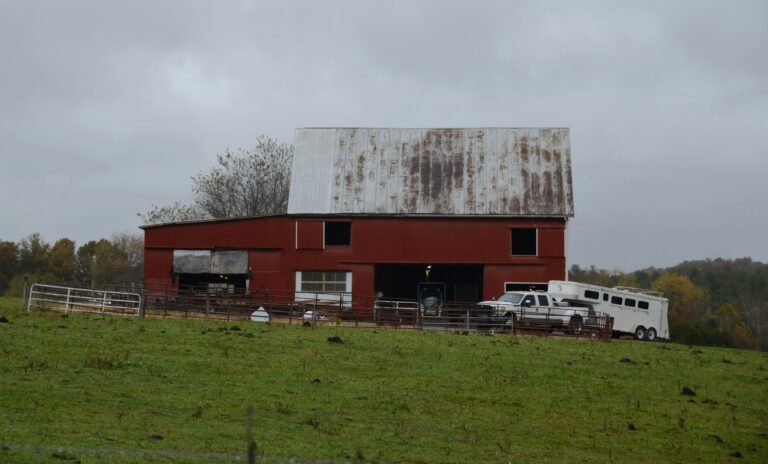 Divorce
Who Gets Credit for the Down Payment on an Agua Dulce Ranch in a Divorce
Learn how California Family Code Section 2640 reimburses a separate-property down payment on an Agua Dulce horse property when a marriage ends in divorce.
Read the guide →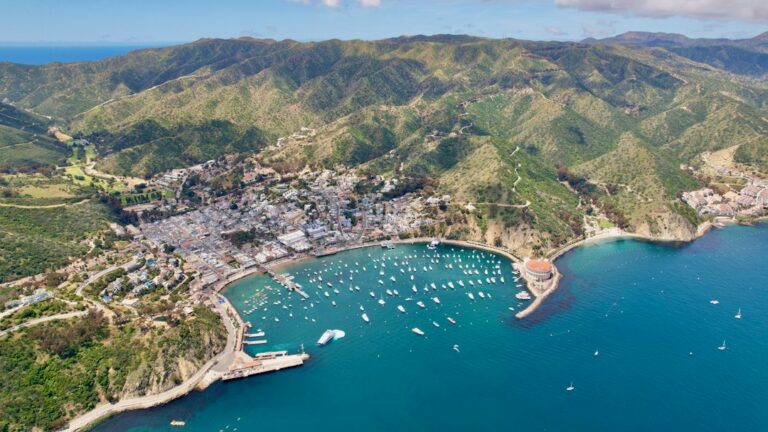 Divorce
Dividing a House in an Avalon, CA Catalina Divorce
Dividing an Avalon, CA home in divorce? See how California community property law, rental license limits, and island appraisals affect your split.
Read the guide → Divorce
Separate Property Reimbursement in a Monrovia Divorce
How Family Code 2640 and the Moore/Marsden formula decide what a spouse gets back before a Monrovia, CA home sells or one spouse buys the other out.
Read the guide →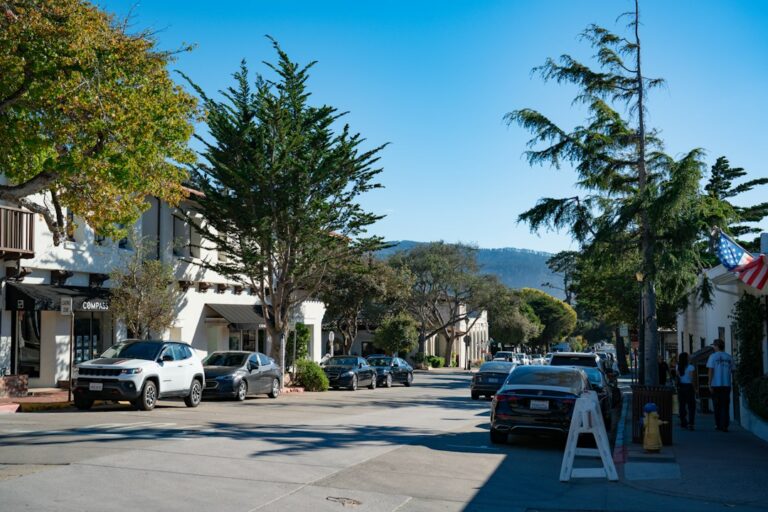 Divorce
How Community Property Division Works for a Whittier Home Sale
See how California law splits community versus separate property for a Whittier house sale during divorce, and what each spouse can claim back.
Read the guide →