
Selling a House During Divorce in Pomona
- Foreclosure, inherited, tenants, damage — we buy it
- Zero fees, zero commissions, zero closing costs
- No obligation — turn the offer down and owe us nothing


One House, One Clean Exit
A shared Pomona home doesn’t have to sit on the market while a divorce works itself out. A direct cash sale gives both spouses one closing date and one number to agree on.
Whether the house is a Victorian near the Arts Colony or a tract home in Phillips Ranch, a shared Pomona property is usually the largest asset either spouse owns, and California law has a default answer for what happens to it. Cash Home Buyers CA buys Pomona houses mid-divorce, as-is, so neither spouse is stuck carrying a mortgage or a listing through months of negotiation.
California’s Default Is an Equal Split
Under California’s Family Code, property acquired during the marriage is presumed community property and is generally divided equally between spouses, regardless of whose name is on title or whose income made the payments.
That default can be overcome with tracing — documenting a down payment made from money owned before the marriage, an inheritance kept separate, or a premarital purchase — but tracing takes records and often an appraisal to sort separate equity from community equity built up through years of paying down the loan together.
Buyout vs. Sale: The Math That Actually Decides It
One spouse keeping the house means refinancing it solely in their name, at current rates, based on their income alone.
On a lot of Pomona properties — particularly older homes downtown that were financed decades ago at a much lower rate — that math simply doesn’t pencil out for one income.
When a buyout isn’t realistic, a sale converts the house into cash that can be split cleanly, without either party owing the other a mortgage payment or a favor.
Recording the Transfer Cleanly
If one spouse is bought out or title needs to move as part of the settlement, that typically happens through an interspousal transfer deed, recorded with the Los Angeles County Registrar-Recorder/County Clerk at 12400 Imperial Highway in Norwalk.
When the plan instead is to sell the house outright and split the proceeds, that step is skipped entirely — escrow disburses funds directly according to the settlement agreement, and there is no deed left behind naming an ex-spouse.
Why a Cash Sale Fits a Divorce Timeline
A traditional listing means coordinating showings, repairs, and staging with two people who may not be speaking, on a house that still has both names on the loan.
A direct cash sale removes that friction: one inspection, one offer, one closing date, and proceeds distributed through escrow according to whatever split the settlement calls for. Neither spouse has to keep making a mortgage payment on a house neither of them wants to own alone.
What Two Names on a Loan Actually Cost You Each Month
Every month a shared Pomona house sits unsold is another month both spouses stay financially tied to the same mortgage, insurance bill, and property tax payment, whether or not either of them is still living there.
That ongoing entanglement is often what actually drives couples to sell quickly rather than debate list price for months: the value of separating your finances cleanly and on a known date can outweigh chasing a slightly higher number on the open market, especially once you factor in the carrying costs and stress of two names remaining linked to one property through a slow sale.
Frequently Asked Questions
Do both spouses have to agree to sell?
Generally yes, unless a family court order specifically authorizes one spouse to sell or a settlement agreement already spells it out.
What if only one of us is on the title?
Title alone doesn’t control the outcome. If the house was purchased during the marriage, it’s typically treated as community property regardless of whose name appears on the deed.
Can we sell before the divorce is finalized?
Yes. Many couples sell during the proceedings through a stipulation, then let the finalized settlement determine how the proceeds are divided.
How do proceeds actually get split at closing?
Escrow can issue separate checks to each spouse based on percentages set out in your settlement agreement or court order.
What if we disagree on price?
A written cash offer gives both spouses the same number to evaluate, which tends to resolve disagreements faster than dueling opinions about listing price.
Nothing here is legal advice. Talk to a California family law attorney about how your specific settlement or court order should treat the house before you sign anything.
Send us your Pomona address and we’ll get you a written cash offer both spouses can review together.
Seller Guides
Helpful guides for homeowners in Pomona
Plain-English answers to the questions sellers ask us most.
- Selling as-is
The Soft-Story Retrofit Status Every Multifamily Seller in Los Angeles Must Check First
If you own a multi-unit building in Los Angeles built before 1978, the city's mandatory soft-story retrofit deadlines have likely already passed…
Read the guide →  Inherited homes & probate
Partition Actions Between Heirs: How California Law Forces a House Sale
California heirs can force a house sale through a partition action under CCP 872-874, with court referees, confirmation hearings, and buyout rights.
Read the guide →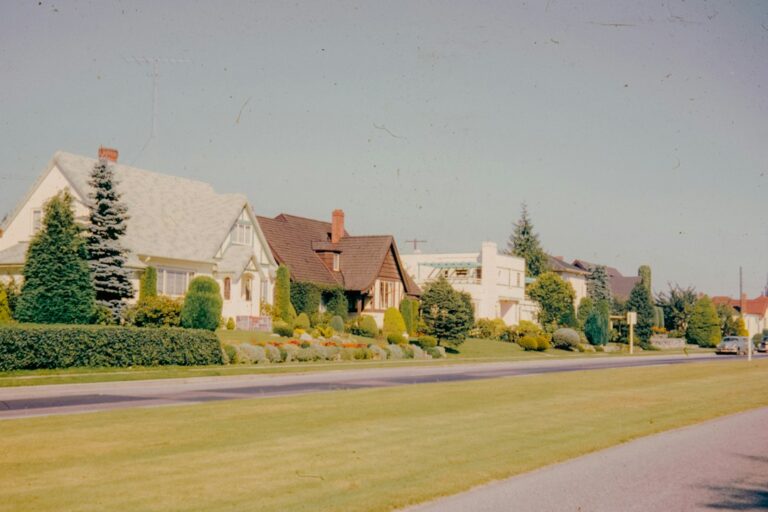 Divorce
Divorcing in North Long Beach? Who Gets the House, and What Taxes Follow
Divorcing in North Long Beach, CA? Learn how buyouts, Duke orders, Watts/Epstein credits, and capital gains tax rules affect splitting your house.
Read the guide → Divorce
Why a West Covina Divorce Sale Doesn’t Always Trigger a Tax Reassessment
A West Covina divorce buyout usually keeps the home's Prop 13 tax basis, but selling to a cash buyer does not. See how that affects your decision.
Read the guide → Divorce
Who Gets Credit for the Down Payment on an Agua Dulce Ranch in a Divorce
Learn how California Family Code Section 2640 reimburses a separate-property down payment on an Agua Dulce horse property when a marriage ends in divorce.
Read the guide →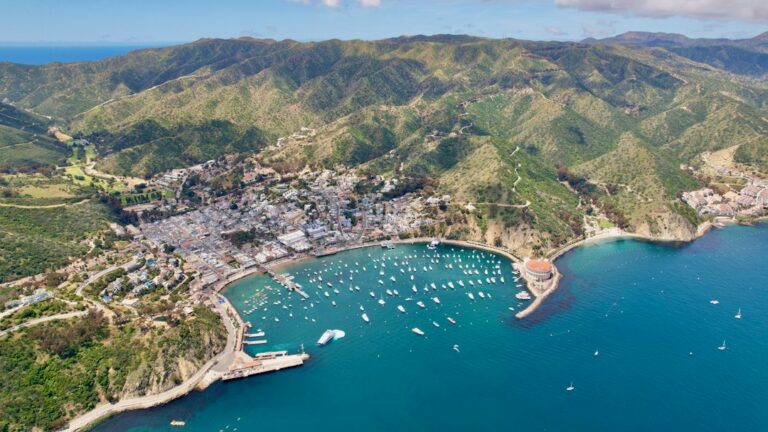 Divorce
Dividing a House in an Avalon, CA Catalina Divorce
Dividing an Avalon, CA home in divorce? See how California community property law, rental license limits, and island appraisals affect your split.
Read the guide → Divorce
Separate Property Reimbursement in a Monrovia Divorce
How Family Code 2640 and the Moore/Marsden formula decide what a spouse gets back before a Monrovia, CA home sells or one spouse buys the other out.
Read the guide →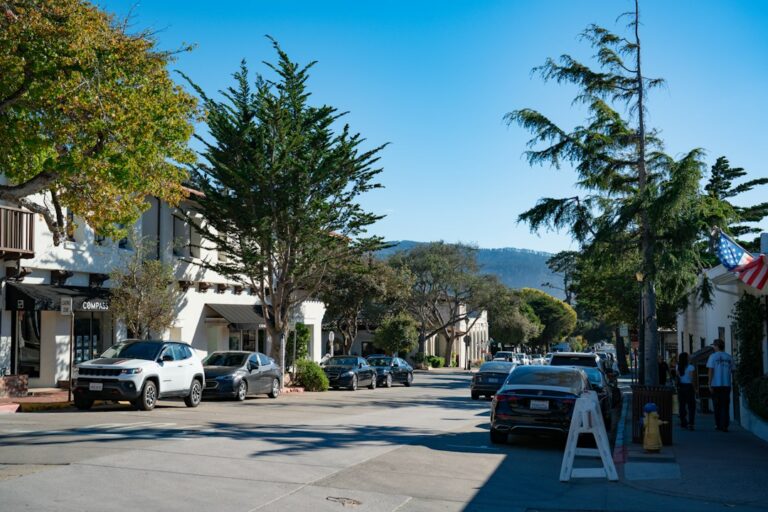 Divorce
How Community Property Division Works for a Whittier Home Sale
See how California law splits community versus separate property for a Whittier house sale during divorce, and what each spouse can claim back.
Read the guide →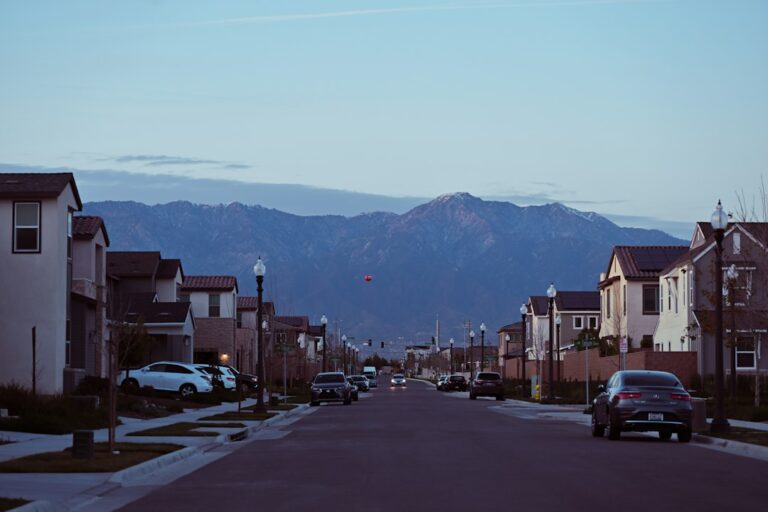 Divorce
How Community Property Division Plays Out for a Duarte, CA Home
How California's community property law divides a Duarte home in divorce, including Family Code 2640 reimbursement, Watts charges, and Epstein credits.
Read the guide →