
Selling a House During Divorce in Redondo Beach
- Foreclosure, inherited, tenants, damage — we buy it
- Zero fees, zero commissions, zero closing costs
- No obligation — turn the offer down and owe us nothing


One Clean Closing, Not a Six-Month Fight
When neither of you wants to buy out the other on a Redondo Beach house, a fast, neutral cash sale can settle the largest asset in the divorce before it becomes the reason the case drags on.
Redondo Beach’s housing stock complicates a lot of divorces before the legal filing even gets underway.
A cottage bought for a few hundred thousand dollars near Riviera Village or in the Hollywood Riviera decades ago can be worth well over a million today, which means the house is often the single largest asset either spouse owns, and the hardest one to divide fairly without selling it.
Cash Home Buyers CA buys Redondo Beach houses being sold as part of a divorce, working directly with both spouses and both attorneys to close on a schedule that fits the case, not the open market.
How California Splits the House, in Plain Terms
California is a community-property state, and under Family Code Section 2550 a house purchased during the marriage is presumed to belong to both spouses equally, regardless of whose name is on title or whose income made the payments.
That default 50/50 split can shift when one spouse can trace a separate-property contribution — a down payment from before the marriage, an inheritance used to pay down principal — through what courts call Moore/Marsden tracing.
Untangling that math on an appreciated coastal property is exactly the kind of dispute that turns a six-week sale into a six-month one.
Buyout vs. Sale on a Coastal Mortgage
Buying out a spouse means refinancing the full value of the house into one name, and Redondo Beach’s price levels make that harder than it sounds.
Cashing out a spouse’s roughly $700,000 in equity on a $1.4 million home requires qualifying for a new loan well above what either spouse may be approved for alone, especially after the divorce when the household is down to one income instead of two.
When a buyout doesn’t pencil, a sale is often the only path that lets both spouses walk away with their share in hand rather than tied to a house neither can afford solo.
Why Couples Choose a Direct Sale Over Listing
A traditional listing means showings, open houses, and strangers walking through a house mid-divorce. Coordinating that between two people who may not be speaking is its own source of conflict, and disagreements over listing price, staging costs, or which agent to use can stall a sale for months.
A direct cash sale removes those decision points: one offer, one closing date, and proceeds split through escrow according to the settlement or a court order, without either spouse having to keep the house show-ready during a difficult year.
Handling the Deed and the Recording
Once a sale or a buyout is finalized, the transfer gets recorded with the Los Angeles County Registrar-Recorder/County Clerk in Norwalk, the same office that recorded the original deed when the house was purchased. If you’re proceeding with an interspousal transfer deed instead of a sale, that recording is what actually removes the departing spouse from title; a signed settlement agreement alone does not.
Frequently Asked Questions
Do both spouses have to agree before we can sell?
If the house is titled to both of you, yes, unless a court has issued an order authorizing one spouse to sell unilaterally.
What if my spouse is still living in the house and won’t cooperate?
We’ve closed sales where one spouse handles all communication and the other simply signs at the title company; you don’t need to be in the same room, or even the same state.
Can we sell before the divorce is finalized?
Yes. Many couples sell the house early in the process specifically to remove it as a point of ongoing conflict, with proceeds held in escrow or divided per a temporary agreement until judgment is entered.
How are the proceeds actually split at closing?
Escrow disburses according to whatever you and your spouse, or the court, direct in writing — a straight 50/50 split, a split adjusted for separate-property tracing, or whatever your settlement specifies.
Does it matter whose name is on the title?
Title tells you who currently owns the house on paper; it doesn’t override the community-property analysis of what’s owed to each spouse, which is a separate question your attorneys settle.
Send us the address and we’ll put a number in front of you and your attorney within a day or two, no obligation either way.
Seller Guides
Helpful guides for homeowners in Redondo Beach
Plain-English answers to the questions sellers ask us most.
 Inherited homes & probate
What Probate Actually Looks Like for an Inherited House in Fresno County
Probate for an inherited Fresno County house runs through one courthouse, but the timeline depends on how title was held. What to expect, step by step.
Read the guide → Inherited homes & probate
Partition Actions Between Heirs: How California Law Forces a House Sale
California heirs can force a house sale through a partition action under CCP 872-874, with court referees, confirmation hearings, and buyout rights.
Read the guide →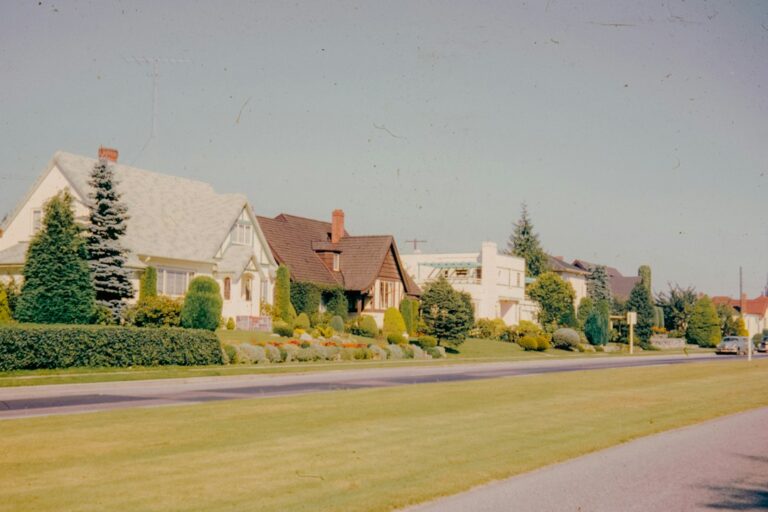 Divorce
Divorcing in North Long Beach? Who Gets the House, and What Taxes Follow
Divorcing in North Long Beach, CA? Learn how buyouts, Duke orders, Watts/Epstein credits, and capital gains tax rules affect splitting your house.
Read the guide → Divorce
Why a West Covina Divorce Sale Doesn’t Always Trigger a Tax Reassessment
A West Covina divorce buyout usually keeps the home's Prop 13 tax basis, but selling to a cash buyer does not. See how that affects your decision.
Read the guide → Divorce
Who Gets Credit for the Down Payment on an Agua Dulce Ranch in a Divorce
Learn how California Family Code Section 2640 reimburses a separate-property down payment on an Agua Dulce horse property when a marriage ends in divorce.
Read the guide →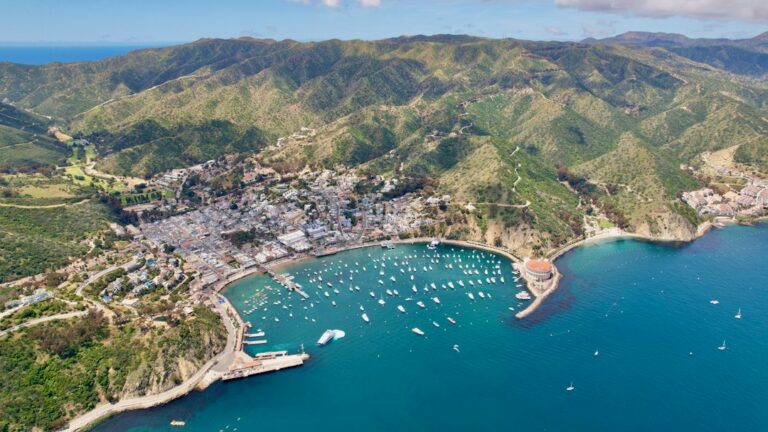 Divorce
Dividing a House in an Avalon, CA Catalina Divorce
Dividing an Avalon, CA home in divorce? See how California community property law, rental license limits, and island appraisals affect your split.
Read the guide → Divorce
Separate Property Reimbursement in a Monrovia Divorce
How Family Code 2640 and the Moore/Marsden formula decide what a spouse gets back before a Monrovia, CA home sells or one spouse buys the other out.
Read the guide → Divorce
How Community Property Division Works for a Whittier Home Sale
See how California law splits community versus separate property for a Whittier house sale during divorce, and what each spouse can claim back.
Read the guide → Divorce
How Community Property Division Plays Out for a Duarte, CA Home
How California's community property law divides a Duarte home in divorce, including Family Code 2640 reimbursement, Watts charges, and Epstein credits.
Read the guide →