
Sell a House in Foreclosure in Harbor City, CA
- Foreclosure, inherited, tenants, damage — we buy it
- Zero fees, zero commissions, zero closing costs
- No obligation — turn the offer down and owe us nothing


Fast, Fair, and Reliable Offers
Facing foreclosure on your Harbor City home? We can often close before a trustee’s sale, helping you protect your equity and avoid the damage a foreclosure does to your credit.
Selling a Harbor City House Before Foreclosure
If a notice of default has already been recorded on your Harbor City property, the clock is ticking toward a trustee’s sale. Selling for cash before that date lets you walk away with whatever equity you’ve built, rather than losing the property and taking a serious hit to your credit.
How Fast Can We Move?
We move quickly specifically because foreclosure timelines are unforgiving. Once we agree on a price, we can often close in as little as 7 to 14 days, well ahead of a scheduled trustee’s sale, so you have time to pay off the loan and keep what’s left over.
What This Means for Your Credit and Future
A completed foreclosure stays on your credit report for years and can make it much harder to qualify for a mortgage down the road. Selling before that happens, even at a discount to top market value, is often the better long-term outcome financially.
We Buy As-Is, No Matter the Condition
Houses headed toward foreclosure have often gone without maintenance for a while. That’s fine — we buy as-is and don’t require repairs before closing.
How to Sell a House in Foreclosure in Harbor City
If you are trying to sell a house in foreclosure in Harbor City, time is the resource that matters most. The good news is that in many cases you still own the home and still have the right to sell it until the trustee’s sale actually happens.
A sale to a cash buyer can pay off the loan in full through escrow, stop the foreclosure, and leave any remaining equity with you instead of with the lender or an auction bidder.
Our role is simple. We look at the property, give you a written cash offer, and work with escrow to request an up-to-date payoff from your lender. If the numbers work and you accept, we aim to close before the scheduled sale date.
Understanding the California Foreclosure Timeline
Most home loans in California are secured by a deed of trust, which allows the lender to foreclose through a nonjudicial process rather than going to court. It generally follows a few stages:
- Missed payments: The lender sends letters and may reach out about options before starting formal foreclosure.
- Notice of default: A notice of default is recorded with the county, starting the formal process and a reinstatement period.
- Notice of trustee sale: If the default is not cured, a notice of trustee sale is recorded and posted, setting a date for the property to be sold.
- Trustee’s sale: The property is sold at auction, and ownership passes to the winning bidder or back to the lender.
Each stage has its own notice periods under California law. The exact dates on your paperwork matter, so read every notice carefully and keep copies.
Your Options Before the Trustee’s Sale
Selling is not the only path, and it is worth knowing the alternatives. Depending on your situation, you might be able to reinstate the loan by paying the past-due amount, work out a loan modification or repayment plan with your lender, or pursue a short sale if you owe more than the home is worth. Some owners explore bankruptcy, which can pause a foreclosure but has serious long-term effects.
A cash sale is often the most practical option when you have equity in the home and do not expect to catch up on payments. It lets you pay off the debt, avoid a completed foreclosure, and move forward with money in hand. A HUD-approved housing counselor or a real estate attorney can help you compare your options for free or at low cost.
Protecting the Equity You Have Built
Many Harbor City homeowners facing foreclosure have more equity than they realize, especially if they have owned the home for many years. At a trustee’s sale, there is no guarantee the property will sell for what it is worth, and fees and costs are added to what you owe.
Selling on your own terms before that date typically gives you far more control over the outcome. Even if you owe a lot, it is worth getting a number so you can make the decision with real information.
What We Need to Move Quickly
When a sale date is on the calendar, a little preparation helps us move faster. If you have them, please have the following ready when you contact us:
- The notice of default or notice of trustee sale, if either has been recorded
- Your most recent mortgage statement and lender contact information
- Information about any second loans, liens, or HOA balances
- The scheduled sale date, if one has been set
If you are missing any of these, reach out anyway. Escrow can request the official payoff directly from your lender.
Keep Talking to Your Lender
Even while you explore a sale, it usually helps to stay in contact with your lender or loan servicer. Let them know you are working on selling the property, and ask what they need from you.
Some servicers will note the account or consider postponing a sale date when there is a signed purchase agreement in escrow, although that is always up to the lender and never guaranteed.
Keep notes of every call, including the date, the name of the person you spoke with, and what they told you. Those records can be helpful to you, your escrow officer, and any attorney or housing counselor you work with.
Avoiding Foreclosure Rescue Scams
Homeowners in default are often targeted by people promising to save the house for an upfront fee. Be cautious of anyone who asks for money before doing any work, tells you to stop talking to your lender, or asks you to sign over the deed outside of escrow.
A legitimate buyer will purchase the property through a licensed escrow company, show proof of funds, and put every term in writing. We never charge a fee to make an offer, and you are never obligated to accept it.
Why Harbor City Homeowners Choose a Cash Sale Before Foreclosure
Homeowners who decide to sell a house facing foreclosure in Harbor City usually want two things: certainty that the sale will close before the auction, and a fair outcome for the equity they have built.
A cash buyer with no financing contingency can provide both, because there is no lender approval that might push closing past the deadline. If your home also needs repairs, our page on how to sell a house as-is in Harbor City explains how condition is handled. Call or text 424-435-2326 as soon as you can.
Frequently Asked Questions
Can I still sell my house in foreclosure in Harbor City after a sale date is set?
In many cases, yes. You typically keep the right to sell until the trustee’s sale takes place, as long as the loan is paid off through escrow before that date.
What if I owe more than the house is worth?
A cash sale may not cover the full balance in that case. A short sale, which requires lender approval, may be an option. We can talk through the numbers with you.
Will my lender work with you?
Escrow requests the payoff directly from your lender, and the loan is paid off at closing. Lenders routinely handle payoffs from sales like this.
How fast can you close before my trustee’s sale date?
We can often close in as little as 7 to 14 days once terms are agreed, but reach out as early as possible to give us the most room to work with.
Will selling affect my credit less than a completed foreclosure?
Generally yes — a completed foreclosure has a more severe and longer-lasting impact on your credit than a sale, even a distressed one.
Do I need to pay off my loan before selling?
No, the payoff is typically handled through escrow using the sale proceeds.
What if I’ve already received a notice of default?
Contact us as soon as possible — the earlier we start, the more likely we can close before your trustee’s sale date.
Harbor City is part of the City of Los Angeles. For the citywide picture, see our guide to selling a house in foreclosure in Los Angeles.
Seller Guides
Helpful guides for homeowners in Harbor City
Plain-English answers to the questions sellers ask us most.
 Relocating
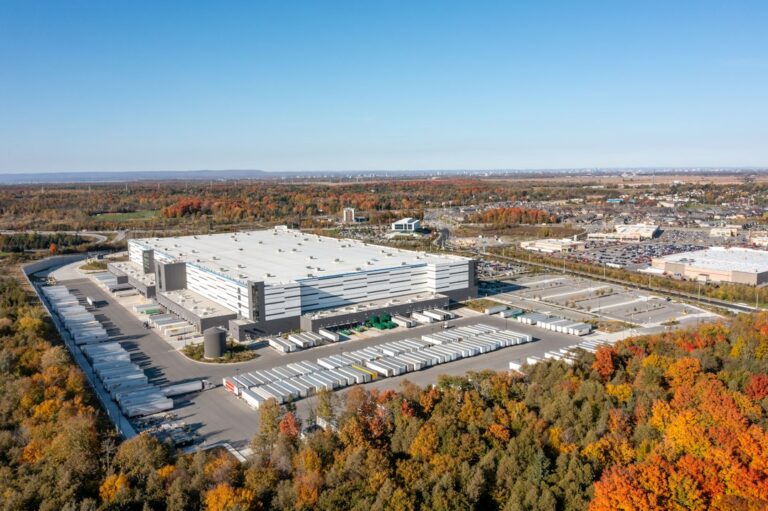
Fontana’s Warehouse Boom: What It Means If You’re Relocating
Fontana grew from a wartime steel town into an Inland Empire logistics hub. See what that shift means for home values and selling if you are relocating.
Read the guide → Foreclosure & liens
The 90-Day Window That Can Block Your California Home Sale: Mechanics Liens
A mechanics lien can block your California home sale. Here's the 90-day deadline to record, foreclose, and clear it before escrow closes.
Read the guide → Foreclosure & liens
How an HOA Can Actually Foreclose on a California Home (and the Deadlines That Protect You)
California HOA liens aren't super-priority, but can foreclose in 75 days. See the delinquency, notice, and 90-day redemption rules that apply.
Read the guide → Foreclosure & liens
Lakewood’s Contract-City Status Won’t Delay Foreclosure
Lakewood's contract-city government doesn't change foreclosure deadlines. See how Civil Code §2924 and new 2025 AB 2424 postponement rules actually work.
Read the guide → Foreclosure & liens
How AB 2424’s New Postponement Rules Can Delay a Norwalk, CA Foreclosure Sale
AB 2424 lets a Norwalk, CA homeowner in default delay a trustee's sale up to 90 days with a listing and purchase agreement. Here's how the deadlines work.
Read the guide → Foreclosure & liens
What AB 2424 Actually Changed About Foreclosure Notices in Pico Rivera, CA
AB 2424 added a notice right in 2025, but the 90-day foreclosure clock didn't change. Here's the real timeline for a Pico Rivera, CA homeowner.
Read the guide → Foreclosure & liens
From Notice of Default to Auction: The Foreclosure Clock on an Acton, CA Property
How long does foreclosure take in Acton, CA? Civil Code 2924c gives a 90-day reinstatement period; 2924f sets the Notice of Sale rules before auction.
Read the guide → Foreclosure & liens
The Notice of Default Clock in Alhambra, CA
See the real foreclosure timeline for Alhambra, CA homeowners: Notice of Default, Notice of Sale, trustee auction, and ways to stop the clock legally.
Read the guide → Foreclosure & liens
The Foreclosure Timeline for a Montebello, CA Homeowner
How California's Notice of Default, Notice of Sale, and reinstatement deadlines actually play out for a Montebello home — and when selling beats waiting.
Read the guide →