
Stop Foreclosure in South San Gabriel, CA
- Foreclosure, inherited, tenants, damage — we buy it
- Zero fees, zero commissions, zero closing costs
- No obligation — turn the offer down and owe us nothing


Racing the Trustee Sale Date
We can send a written offer in 24-48 hours and close before your auction date in many cases.
A foreclosure on a house in South San Gabriel runs on the same statutory clock as anywhere else in California, but a few local details change who enforces it and how quickly a sale can outrun the deadline.
This unincorporated 0.83-square-mile pocket of Los Angeles County has no city police department of its own — law enforcement here runs through the Los Angeles County Sheriff’s Temple Station — and every recorded document in a foreclosure, from the Notice of Default to the trustee’s deed after an auction, files at the same county Registrar-Recorder/County Clerk’s office in Norwalk that handles every other property in the county.
Selling before the auction date is almost always the better outcome, and Cash Home Buyers CA can move fast enough to beat that clock.
How California’s Foreclosure Timeline Actually Runs
Most California mortgages, including those on South San Gabriel houses, use a deed of trust with a power-of-sale clause, which lets a lender foreclose without going to court — a nonjudicial foreclosure.
The process starts once a homeowner has missed enough payments that the lender records a Notice of Default at the county recorder’s office.
State law then requires a minimum of three months to pass before the lender can record and post a Notice of Trustee Sale, which must run at least 21 days before the actual auction date.
In practice, factoring in the way lenders schedule these steps, the gap between a recorded Notice of Default and an actual trustee’s sale is commonly four to six months, sometimes longer if the loan servicer delays or the homeowner requests a loan modification review.
What You Can Still Do at Each Stage
- Before a Notice of Default is recorded. This is the easiest stage to work with. A sale here looks like any other cash sale, with no court or lender deadline pressing on the timeline yet.
- After a Notice of Default, before the Notice of Trustee Sale. California law generally gives a homeowner the right to reinstate the loan by paying the missed amount plus fees any time up until five business days before the trustee’s sale, and a sale of the property to us can generate exactly the funds needed to do that, or to pay off the loan entirely at closing.
- After the Notice of Trustee Sale is posted. The clock is now short but not necessarily out of time. We move quickly specifically because this stage exists — a written offer within 24 to 48 hours and an accelerated escrow can still close before the auction date in many cases.
- The day of the trustee’s sale. Once the auction happens and a trustee’s deed is recorded, ownership has transferred and a sale by the former owner is no longer possible. Everything before that moment is still workable.
Reasons South San Gabriel Homeowners Fall Behind
The reasons a mortgage falls behind here are usually the same ordinary life events that cause it anywhere: a job loss, a medical bill, a divorce that splits one household’s income into two, or an inherited property that came with a mortgage the new owner was not expecting to cover.
With a median household income of $76,921 as of the 2023 American Community Survey, a South San Gabriel household carrying a mortgage on a single median income has less room to absorb a sudden expense than a higher-income household would, and a missed payment or two can escalate to a recorded Notice of Default faster than a homeowner expects.
None of that is a reason to feel embarrassed about reaching out for help — it is exactly the situation a cash sale is built to solve quickly.
Why South San Gabriel Owners Face Extra Friction Here
South San Gabriel’s housing stock is almost entirely postwar single-family construction, and a house that has fallen behind on payments has often also fallen behind on maintenance — original wiring, an aging roof, or an unpermitted addition made years earlier and never brought up to code through the Los Angeles County Department of Regional Planning.
That combination makes a foreclosure-stage sale to a financed retail buyer especially difficult: a lender’s appraiser is likely to flag exactly the same condition issues that a distressed sale timeline has no room to fix.
A cash sale skips both the appraisal and the repair negotiation entirely, which is precisely what a seller racing a trustee sale date needs.
What Happens if the House Has a Tenant
If the property is a rental rather than an owner-occupied house, foreclosure does not automatically end a tenant’s lease, and the same Los Angeles County Rent Stabilization and Tenant Protections Ordinance that governs an ordinary sale here can still apply through a change of ownership.
Selling before the auction, with the tenancy intact, avoids the separate post-foreclosure eviction process a new owner would otherwise have to pursue, and keeps that added disruption off your plate entirely. Our page on selling a tenant-occupied house in South San Gabriel goes deeper into how that works.
Where the Trustee’s Sale Actually Happens
A trustee’s sale for a Los Angeles County property is typically conducted at a public auction, often outside a county courthouse or at a location the trustee designates in the recorded notice, rather than inside South San Gabriel itself, since the community has no courthouse of its own.
That distance can make the process feel abstract until the date arrives, and it is easy for a homeowner managing a stressful situation to lose track of exactly how close the auction is.
We encourage anyone in this position to read the actual date and time printed on the recorded Notice of Trustee Sale rather than estimating it, since postponements happen but are never guaranteed.
Because South San Gabriel is unincorporated, the county’s own departments, not a city office, hold the permit and assessment records a buyer or a lender might check during this process. We pull those directly, which removes one more task from an already overloaded homeowner’s plate.
Short Sales and Deficiency Considerations
If the amount owed on the mortgage is close to or exceeds what the house is worth, a straightforward sale might not cover the full loan balance, and that can turn into a short sale requiring lender approval, or leave you exposed to a deficiency depending on your loan type and California’s anti-deficiency protections for purchase-money loans.
We can still make an offer in this situation and work alongside your lender or a short-sale negotiator, but the timeline and final numbers depend on the lender’s cooperation, not just ours.
How Fast We Can Actually Move
We respond with a written offer within 24 to 48 hours of hearing about your South San Gabriel property, and once you accept, we open escrow with a licensed title company right away.
Because there is no lender-ordered appraisal or loan contingency to wait on, a foreclosure-stage sale here often closes faster than our usual two-to-three-week range for a clear-title property, since both sides are working against the same trustee sale date.
The deed records at the Registrar-Recorder/County Clerk’s office in Norwalk, and proceeds are wired to you, or to the lender to pay off the loan, the day recording is confirmed.
The same statutory notice-of-default and trustee-sale clock described here applies to every foreclosure in the county — see our page on stopping foreclosure across the rest of Los Angeles for the wider comparison, and our South San Gabriel cash-offer process page for how comps, escrow and recording work once you decide to sell.
Frequently Asked Questions
How much time do I actually have before the trustee sale?
It depends on which stage you are at, but a recorded Notice of Default typically means at least three months before a Notice of Trustee Sale can post, plus 21 more days before the auction — often four to six months total, though every case differs.
Can I still sell after the Notice of Trustee Sale has been posted?
Generally yes, up until close to the actual sale date, and we specifically move fast enough to try to close before that date.
Will selling to you pay off my loan completely?
If the sale price covers the loan balance and closing costs, yes; if the loan balance is close to or above the property’s value, we discuss the short-sale process with you and your lender directly.
Does foreclosure affect my credit differently than a sale would?
A completed foreclosure typically has a more severe and longer-lasting credit impact than a sale that pays off the loan before the auction, though the specifics depend on your overall credit history.
What if the house is already scheduled for auction next week?
Call us immediately. We move on the fastest timeline that is realistic given title, escrow and lender coordination, and every day matters at this stage.
Do I need to move out immediately if I sell to avoid foreclosure?
No. We can set a closing date that gives you time to arrange your next move, or in some cases arrange a short rent-back after closing, rather than requiring you to vacate the same day the sale completes.
If you are facing foreclosure on a South San Gabriel property, call or text 424-435-2326 now. We can send a written offer within 24 to 48 hours and work directly with your lender or servicer to close before the trustee sale date.
Seller Guides
Helpful guides for homeowners in South San Gabriel
Plain-English answers to the questions sellers ask us most.
 Relocating
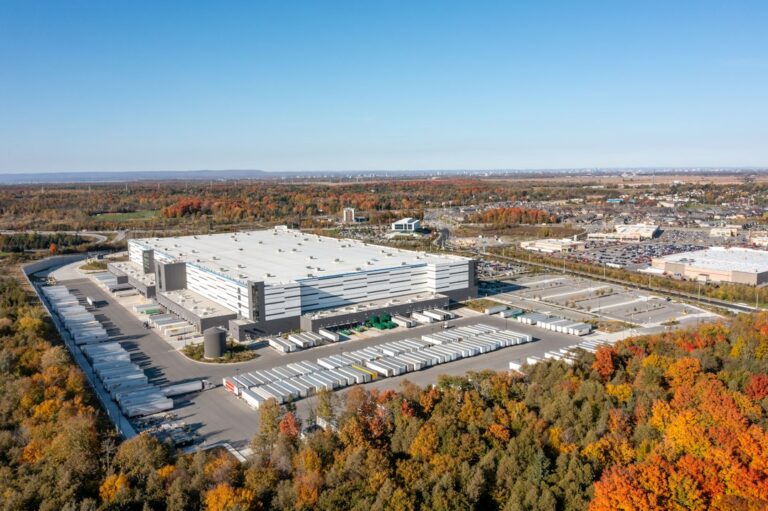
Fontana’s Warehouse Boom: What It Means If You’re Relocating
Fontana grew from a wartime steel town into an Inland Empire logistics hub. See what that shift means for home values and selling if you are relocating.
Read the guide → Foreclosure & liens
The 90-Day Window That Can Block Your California Home Sale: Mechanics Liens
A mechanics lien can block your California home sale. Here's the 90-day deadline to record, foreclose, and clear it before escrow closes.
Read the guide → Foreclosure & liens
How an HOA Can Actually Foreclose on a California Home (and the Deadlines That Protect You)
California HOA liens aren't super-priority, but can foreclose in 75 days. See the delinquency, notice, and 90-day redemption rules that apply.
Read the guide → Foreclosure & liens
Lakewood’s Contract-City Status Won’t Delay Foreclosure
Lakewood's contract-city government doesn't change foreclosure deadlines. See how Civil Code §2924 and new 2025 AB 2424 postponement rules actually work.
Read the guide → Foreclosure & liens
How AB 2424’s New Postponement Rules Can Delay a Norwalk, CA Foreclosure Sale
AB 2424 lets a Norwalk, CA homeowner in default delay a trustee's sale up to 90 days with a listing and purchase agreement. Here's how the deadlines work.
Read the guide → Foreclosure & liens
What AB 2424 Actually Changed About Foreclosure Notices in Pico Rivera, CA
AB 2424 added a notice right in 2025, but the 90-day foreclosure clock didn't change. Here's the real timeline for a Pico Rivera, CA homeowner.
Read the guide → Foreclosure & liens
From Notice of Default to Auction: The Foreclosure Clock on an Acton, CA Property
How long does foreclosure take in Acton, CA? Civil Code 2924c gives a 90-day reinstatement period; 2924f sets the Notice of Sale rules before auction.
Read the guide → Foreclosure & liens
The Notice of Default Clock in Alhambra, CA
See the real foreclosure timeline for Alhambra, CA homeowners: Notice of Default, Notice of Sale, trustee auction, and ways to stop the clock legally.
Read the guide → Inherited homes & probate
What Probate Looks Like for an Inherited House in South San Gabriel, CA
AB 2016's $750,000 threshold, the $208,850 small-estate figure, and why South San Gabriel's unincorporated status changes who an heir deals with.
Read the guide →