
Sell a House Due to Relocation in Santa Ana
- Foreclosure, inherited, tenants, damage — we buy it
- Zero fees, zero commissions, zero closing costs
- No obligation — turn the offer down and owe us nothing


Move on Your Timeline, Not the Market’s
Sell your Santa Ana house quickly, and close remotely if needed, when a job change or move means you can’t wait on a traditional listing.
A job offer, a family need, or simply a change in direction can mean needing to leave Santa Ana faster than a traditional home sale timeline allows. Whether you’re moving across Orange County, out of state, or overseas, coordinating a sale remotely doesn’t have to add stress to an already busy relocation.
Why Relocation Timelines Rarely Match a Retail Sale
A financed retail sale in Santa Ana typically runs 45 to 60 days from an accepted offer to a funded closing, once you factor in the standard 17-day contingency period and several more weeks of loan underwriting.
If your new job starts in three weeks, or your lease elsewhere is already signed, that timeline usually doesn’t fit.
Many relocating homeowners end up either delaying their move or carrying two housing payments — a mortgage on the Santa Ana property and rent or a new mortgage elsewhere — while the sale drags on.
Selling Before You’ve Even Left
Cash Home Buyers CA can typically make a written offer within 24 to 48 hours of an initial conversation about the property, based on its condition and comparable Orange County sales. Because there’s no lender involved, there’s no appraisal contingency or loan underwriting period to wait through, and we can close in as little as 7 to 14 days — often before a traditional listing would have even gone under contract.
Closing Remotely: What Actually Needs a Notary
Nearly all of a Santa Ana closing can be handled from wherever you have landed. The purchase agreement, the disclosures, the escrow instructions and the settlement statement are routinely e-signed, and the proceeds are wired. The one document that still needs a notary is the grant deed.
That matters because California has not turned on remote online notarization yet. Senate Bill 696 authorized it, but the state’s notary system has to be rebuilt first and the statute’s backstop date for going live is January 1, 2030, so a California-commissioned notary cannot witness your signature over video today.
In practice there are two workable routes: a mobile notary comes to your new address and overnights the signed deed back to the Orange County escrow office, or you sign with a notary commissioned in a state that already permits remote online notarization.
Title companies differ on the second one, so confirm with your escrow officer before booking.
Selling the House As-Is Before a Move
Packing for a relocation already takes enough time without also staging a house, scheduling repairs, or accommodating a rotating string of buyer showings. We buy Santa Ana properties as-is, which means no repairs, no staging, and no cleanout required before you go — you can take what you want and leave the rest.
Taxes and Costs When You Leave California
- FTB withholding. If the property is not your California principal residence at closing, California generally withholds 3 1/3% of the gross sale price under Form 593 unless an exemption applies. It is not an added cost; it is withheld from your proceeds and credited against what you actually owe.
- California still taxes the gain. Gain on California real property stays California-source income, so the state can tax it even after you have become a resident somewhere else. The federal exclusion of up to $250,000, or $500,000 for joint filers, applies only if the house met the two-out-of-five-year main-home test.
- Transfer tax. The documentary transfer tax recorded in Orange County is $0.55 per $500 of value. Which closing costs each side covers is set out in the written offer.
Before or After the Move: Timing a Santa Ana Sale
Sellers searching for how to sell my house fast when relocating from Orange County are usually deciding between two orders of operations. Selling first means you sign in person, attend the walk-through and leave with one housing payment, at the cost of pressure if anything slips.
Selling after you go means carrying the mortgage, the insurance and the Orange County property tax on an empty house, and many homeowner policies restrict coverage once a home has sat vacant for 30 to 60 days.
A cash close lets you pick the date instead of choosing between those two. If speed is the only thing you care about, our page on selling a house fast in Santa Ana breaks the timeline down day by day; if the house needs work you would rather not fund before leaving, start with selling a house as-is in Santa Ana.
Timing the Sale Around Your Move
We can also work the other direction: if you need to stay in the home a bit longer after accepting an offer, we can often arrange a short rent-back period so you’re not forced to vacate the moment escrow closes, giving you flexibility to align the sale with your actual move-out date rather than an arbitrary closing deadline.
Frequently Asked Questions
Can I sell my house for cash in Santa Ana, California if I’ve already moved away?
Yes. Everything except the grant deed can be e-signed, and the deed is notarized in person wherever you now live, because California has not yet activated remote online notarization. A mobile notary comes to you and the signed deed goes back to escrow overnight, with your proceeds wired after recording.
How fast can we close if my move date is fixed?
We typically close in 7 to 14 days from an accepted offer, and can often move faster if your timeline requires it.
Do I need to do anything to the house before I leave?
No. We buy the property as-is, so there’s no need to repair, stage, or clean it out before your move.
What if I need to stay a little longer after accepting an offer?
We can often arrange a short rent-back so your move-out date and the closing date don’t have to be the same day.
Get a free, no-obligation cash offer from Cash Home Buyers CA today.
Seller Guides
Helpful guides for homeowners in Santa Ana
Plain-English answers to the questions sellers ask us most.
 Selling for cash
Stanislaus County’s Tax-Defaulted Property Auction and the Excess Proceeds Claim Deadline
Stanislaus County auctions tax-defaulted homes online each May, and former owners get only one year under Civil Code 4675 to claim excess sale proceeds.
Read the guide → Rentals & tenants
Emeryville’s Just Cause Eviction Ordinance: Relocation Pay Under Municipal Code 5-40
Emeryville's Municipal Code 5-40 requires just cause from day one and relocation pay scaled by landlord size, stricter than statewide AB 1482.
Read the guide → Selling for cash
Santa Ana’s Rent Stabilization and Just Cause Ordinance: What a Landlord Must Clear Before Selling
Santa Ana's Rent Stabilization and Just Cause Ordinance caps rent below AB 1482 and requires cause after 30 days. What landlords must clear before selling.
Read the guide →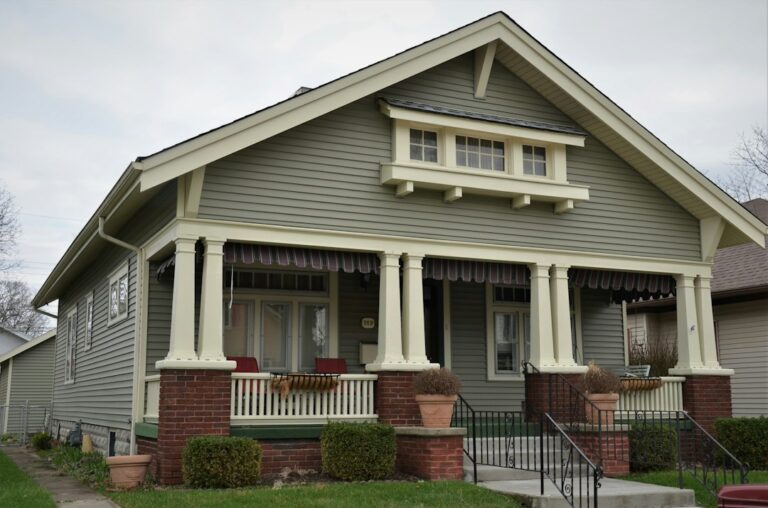 Selling as-is
Why Santa Ana’s Older Housing Stock Adds an Extra Disclosure to an As-Is Sale
An as-is sale in Santa Ana still needs a full TDS, and pre-1978 homes need a federal lead-paint disclosure too. Here is what the law actually requires.
Read the guide →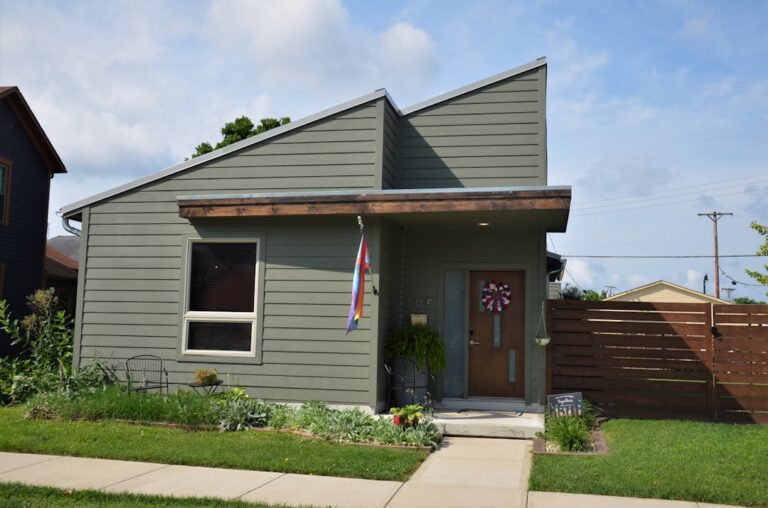 Relocating
Downsizing in Orange County: Prop 19, Taxes, and Timing
Downsizing in Orange County at 55+? How Prop 19 lets you move your property tax base anywhere in California, the 2-year window, value rules and timing.
Read the guide → Relocating
Cashing Out Orange County Equity to Retire Out of State
Retiring out of state from Orange County? How the $250K/$500K home sale exclusion, California tax on the gain, Form 593 withholding and timing affect your net.
Read the guide → Foreclosure & liens
SB 1079 in California: Eligible-Bidder Rights During the 45 Days After a Trustee’s Sale
SB 1079's Civil Code 2924m lets eligible owner-occupants, tenants, or nonprofits override the winning bid at a trustee's sale within 45 days.
Read the guide → Selling for cash
Sonoma County’s Tax-Defaulted Property Auction and the One-Year Clock on Excess Proceeds
Sonoma County sells tax-defaulted homes via Bid4Assets after five years delinquent. Former owners and lienholders get one year to claim excess proceeds.
Read the guide → Foreclosure & liens
Removing a Judgment Lien From Your California Home in Chapter 7 Bankruptcy
A California Chapter 7 debtor can sometimes void a home judgment lien under 11 U.S.C. 522(f) if it impairs the homestead exemption claimed on Schedule C.
Read the guide →