
Sell a Tenant-Occupied House in Historic South-Central
- Foreclosure, inherited, tenants, damage — we buy it
- Zero fees, zero commissions, zero closing costs
- No obligation — turn the offer down and owe us nothing


No Notices, No Vacancy, No Relocation Checks
We buy Historic South-Central rentals with tenants living in them, and we honor the tenancy exactly as it stands.
No situation matters more in Historic South-Central than this one, because renting is the norm here, not the exception: nearly 80 percent of the neighborhood’s households rent rather than own, one of the highest rental shares of any Los Angeles neighborhood. Cash Home Buyers CA purchases occupied houses, duplexes and small apartment buildings throughout the neighborhood without disturbing a single tenancy.
Why This Neighborhood Has Such Deep Rent Protection Coverage
Most of Historic South-Central’s housing dates to the early 1900s through the 1940s, built as one of the city’s original streetcar suburbs and, over the decades, converted from single-family houses into the multi-unit rentals that now dominate the neighborhood.
Because so little of that stock has been torn down and replaced, a meaningfully higher share of rental units here fall under the city’s Rent Stabilization Ordinance, which generally covers buildings with a certificate of occupancy before October 1, 1978, than in newer parts of Los Angeles.
Newer buildings built after that cutoff instead fall under the statewide Tenant Protection Act, AB 1482, and the city’s own Just Cause Ordinance, which cap annual rent increases and require a valid reason for eviction but carry different relocation rules than the RSO.
What the RSO and Just Cause Ordinance Mean for a Sale
- The sale itself changes nothing for tenants. A change of ownership is not a lease termination. Whoever buys the property, including us, takes it subject to the existing leases and rent-registration status.
- No-fault evictions require relocation payments. Ending a tenancy for owner move-in or another no-fault reason under the RSO triggers relocation fees that scale with the tenant’s income and length of tenancy, and the process can take months. Selling with the tenancy intact avoids that cost and delay entirely.
- Rent registration must be current. RSO buildings are required to be registered annually with the Los Angeles Housing Department; we confirm registration status during escrow rather than requiring you to sort it out beforehand.
- Financed buyers underwrite rent rolls conservatively. A lender evaluating a below-market RSO building often values it near its current rent roll rather than its market rent potential, which is a large part of why occupied buildings here sell slower to retail buyers and faster to cash buyers who value them the same way we do.
How We Buy an Occupied Property Here
We ask for the rent roll, current leases and RSO or AB 1482 registration status early, and we build our offer around the actual rents and tenancy terms rather than a hypothetical vacant value.
At closing, the existing leases and security deposits transfer to the buyer through escrow, and the new owner registers with the city. Your tenants receive nothing more disruptive than a notice of new ownership and updated payment instructions.
There is no notice to vacate, no relocation payment to fund, and no vacancy period for you to carry.
We also handle and pay for the 9A report the city requires before any sale here can close, including certified seismic gas shutoff valve, low-flow fixtures and smoke and CO detector items, so tenants never see an inspector or a repair crew show up unannounced.
A vacant unit inside an otherwise-occupied building doesn’t complicate things either; we factor its market rent and the occupied units’ current rents into one offer for the whole property.
A Neighborhood Built Around Renting
Historic South-Central covers about 2.25 square miles bounded by Washington Boulevard, Central Avenue, Vernon Avenue and the Harbor Freeway, adjacent to South Park, Vermont Square, Exposition Park and University Park.
It’s the corridor Biddy Mason’s landholdings helped anchor for the city’s Black community from the late 1800s through the 1940s, when Central Avenue was lined with jazz clubs, and by the 1990s the population had shifted heavily toward Latino immigrant families drawn by affordable housing close to downtown.
The 2000 census counted roughly 49,700 residents at a density of about 19,500 people per square mile and an average household size of about 4.1 people, well above the citywide figure.
That density and that household size are a large part of why the neighborhood’s older single-family stock ended up subdivided into rentals in the first place, and it’s exactly that stock, near landmarks like the Bob Hope Patriotic Hall and the Metro A Line along Washington Boulevard, that makes up most of what we buy here.
The 2000 census also recorded that 56.3 percent of residents here were foreign-born, mostly from Mexico and El Salvador, and household formation patterns among immigrant families renting close to downtown are part of why occupancy in this neighborhood’s small buildings tends to run high and turnover tends to run low, which is good for a landlord’s cash flow but not always for a quick vacant sale.
Landlords Who Call Us Most Often
Owners tired of managing a small building at a distance, or ones who inherited a tenant-occupied property and don’t want to take on landlording, call because a sale with the tenancy intact is far simpler than clearing the building first.
If your situation overlaps with an estate, we also have a dedicated guide on selling an inherited house in this neighborhood.
The same RSO, AB 1482 and Just Cause rules described here apply across the rest of Los Angeles too — see our page on selling a house with tenants across the rest of Los Angeles for comparison.
What an Occupied Building Sells For Here
Redfin’s June 2026 figures for the broader South Central LA area, which overlaps Historic South-Central, put the median sale price at about $574,800, on just 13 sales with a median of 58 days on market.
Occupied RSO buildings are a meaningful part of why that median time sits where it does: they take longer to sell to a financed buyer than a vacant property does, since a lender’s appraisal has to reconcile the current, often below-market rent roll with the sale price.
That’s exactly the segment where our kind of offer is most useful, and it’s why our number reflects the property’s actual income rather than a hypothetical vacant value.
A remodeled building near the Metro A Line, or one where every unit is already at market rent, will sometimes still net more through a listing marketed to an investor, and we say so upfront when we see one; our offer competes hardest on the older, below-market RSO buildings that make up most of this neighborhood’s rental stock.
Sell House With Tenants in Historic South-Central: What Transfers
When you sell a house with tenants in Historic South-Central, the tenant-occupied property changes hands with its leases intact. At closing, the leases, current rents and security deposits transfer to the buyer through escrow, and the tenants receive a notice with the new owner’s name and where to pay rent. You do not need to serve notices, negotiate a buyout or evict anyone to sell a rental property here.
The rules in one place
- City of Los Angeles RSO: generally covers rental units in buildings with a certificate of occupancy on or before October 1, 1978.
- AB 1482 (Tenant Protection Act): statewide rent caps and just-cause rules for many units more than 15 years old that the RSO does not cover.
- Just Cause Ordinance: city eviction limits for many non-RSO units, including relocation assistance for no-fault terminations.
Confirm which rule covers each unit with a landlord-tenant attorney before serving any notice.
Market context, August 2026
Redfin’s August 2026 update for the broader South Central LA area, which overlaps Historic South-Central, shows a median sale price near $588,000 for the three months ending in August, down 27.4% from a year earlier, and a median of 72 days on market. Occupied buildings with below-market rents tend to take longer than that with financed buyers.
Selling With Tenants: Cash Buyer vs. Listing
| Factor | Cash sale | Traditional listing |
|---|---|---|
| Timeline | Usually three to six weeks for an occupied property | Often longer, especially if you try to vacate first |
| Tenant move-out | Not required | Buyers often want units empty |
| Relocation payments | None needed | Can apply to no-fault terminations |
| Showings | One noticed visit | Repeated entry notices |
| Commissions | None | Often around 5 to 6% combined |
| Certainty | No loan contingency | Lenders may discount below-market rents |
Three Steps for an Occupied Sale
- Call 424-435-2326 and share the rent roll, leases and deposit amounts.
- One visit with proper notice, then a written offer based on actual rents.
- Close on your date; escrow transfers leases and deposits to the buyer.
Frequently Asked Questions
Can I sell my house with tenants in Historic South-Central without evicting them?
Yes. A sale does not end a tenancy under city or state law. The tenants keep their current terms, and the lease and deposit transfer to the buyer at closing.
Do my tenants have to let you inspect the unit?
California generally allows entry with reasonable written notice, with 24 hours presumed reasonable. We usually need only one visit, and exterior-first viewing is possible.
Does AB 1482 apply if my building is covered by the RSO?
Generally no. Units covered by the city’s RSO follow the RSO rules; AB 1482 fills in for many units the RSO does not reach. An attorney can confirm for your building.
Do I have to tell my tenants I’m selling?
California law does not require advance notice of a sale itself, only reasonable notice before showings, which we generally do not need since we do not require open houses or multiple walkthroughs.
Will my tenants’ rent go up after you buy the building?
The buyer takes the property subject to existing leases and the applicable rent caps under the RSO or AB 1482, so registered rents carry forward under the same rules that applied before the sale.
What if one unit is vacant and the rest are occupied?
That’s common and does not complicate the sale. We factor the vacant unit’s market rent and the occupied units’ current rents into one offer for the whole property.
Is my building even covered by the RSO?
Generally, if the certificate of occupancy predates October 1, 1978, it is. We confirm the exact status through the Los Angeles Housing Department’s records during escrow.
How fast can you close on an occupied property?
Two to three weeks for a vacant house or building with clear title; three to six weeks for occupied rentals or an estate going through probate. You choose the closing date.
Do you take over the security deposits when you buy?
Yes. Security deposits transfer to the buyer through escrow along with the leases, so tenants don’t need to do anything and their deposits remain protected.
What if some of my tenants are behind on rent?
We factor that into our offer rather than requiring the account to be current first, and we take the leases, including any arrears, into account as part of the purchase.
To sell an occupied house, condo or small apartment building in Historic South-Central without disturbing a single tenant, call or text 424-435-2326. Get a free, no-obligation cash offer from Cash Home Buyers CA today.
Seller Guides
Helpful guides for homeowners in Historic South Central
Plain-English answers to the questions sellers ask us most.
 Relocating
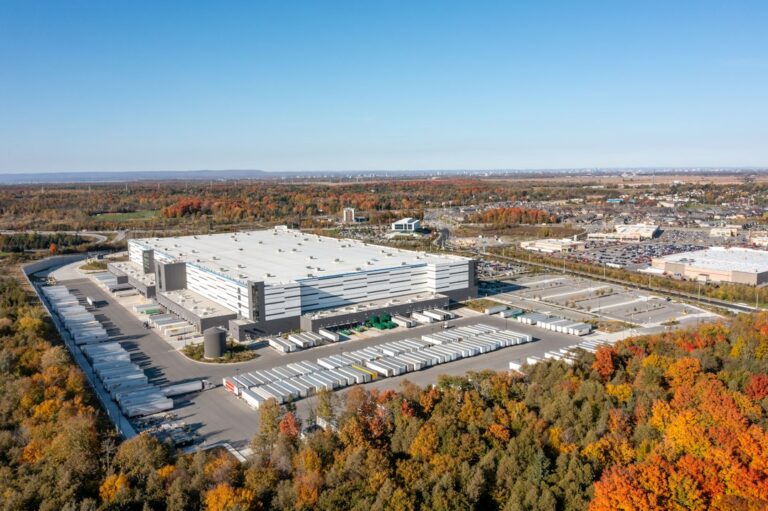
Fontana’s Warehouse Boom: What It Means If You’re Relocating
Fontana grew from a wartime steel town into an Inland Empire logistics hub. See what that shift means for home values and selling if you are relocating.
Read the guide → Rentals & tenants
How Much Must Long Beach Landlords Pay Tenants Under the Relocation Ordinance?
Long Beach landlords: see the LBMC 8.99 relocation payments, notice periods, and city filing step required before a no-fault tenant termination.
Read the guide → Rentals & tenants
Pasadena Tenant Protection Ordinance: Notice & Pay Rules
Pasadena's tenant protection ordinance sets notice periods, split relocation pay, and rent caps for owners selling a tenant-occupied rental.
Read the guide → Rentals & tenants
LA RSO Registration Must Be Current Before You Sell
Check the current LAHD RSO, JCO and SCEP fees, the annual deadline, and the 45-day re-registration window you must clear before selling a rental.
Read the guide → Rentals & tenants
Santa Monica Tenant Buyout Agreements: The Notice, the 30-Day Cancel and the Filing Window
Santa Monica buyouts need a rights notice before any offer, a 30-day cancel period and filing on day 31-60. See the 2026 minimum amounts and penalties.
Read the guide → Rentals & tenants
The LAHD Filing Deadline Landlords Miss on a Tenant Buyout in Los Angeles
Los Angeles tenant buyouts require an LAHD disclosure before any offer, a 30-day rescission right, and a signed agreement filed with LAHD within 60 days.
Read the guide → Rentals & tenants
What REAP Actually Means for a Los Angeles Landlord Trying to Sell
If your Los Angeles rental is in REAP — the city's Rent Escrow Account Program — your tenants are legally paying 10%…
Read the guide → Rentals & tenants
What the AB 1482 Single-Family Exemption Does and Doesn’t Cover in North Redondo Beach
Many North Redondo Beach rentals fail the AB 1482 single-family exemption test. Here's what sellers of a tenant-occupied home must verify first.
Read the guide → Rentals & tenants
Why Glendale’s Rent Rules Often Don’t Apply to Your Rental
Glendale has its own tenant-protection ordinance, but most single-family rental houses are exempt and fall back to California's AB 1482 instead.
Read the guide →