
Sell a Tenant-Occupied House in Canoga Park, CA
- Foreclosure, inherited, tenants, damage — we buy it
- Zero fees, zero commissions, zero closing costs
- No obligation — turn the offer down and owe us nothing


Sell With Renters Still in Place
How selling a tenant-occupied property in Canoga Park works under California’s just-cause eviction rules.
Owning a rental in Canoga Park doesn’t mean you have to end the tenancy before you can sell. Cash Home Buyers CA can work with tenant-occupied properties throughout the west San Fernando Valley, tenants and lease in place.
AB 1482 and Just-Cause Protections
California’s Tenant Protection Act (AB 1482) requires just cause for eviction, along with specific notice requirements, for most tenancies that have lasted 12 months or longer (24 months for additional occupants added to an existing lease).
This means an owner generally can’t simply end a tenancy in order to sell the property vacant — a sale to a new owner, by itself, isn’t automatically a qualifying just cause.
Some owner-move-in and substantial-remodel provisions exist, but they carry their own notice and relocation-assistance requirements, and not every property or tenancy is exempt from AB 1482 in the first place (some single-family homes and certain smaller properties can qualify for exemptions depending on ownership structure and required lease disclosures).
Selling With the Lease in Place
Because ending a tenancy isn’t always straightforward or fast, many landlords choose to sell with the tenant still living there and the lease transferring to the new owner.
A cash sale is well suited to this: there’s no requirement to deliver the property vacant, no staging or showings that disrupt a tenant’s privacy, and no financing contingency tied to owner-occupancy requirements that some retail buyers and their lenders impose.
What Buyers of Tenant-Occupied Property Typically Need
- A copy of the current lease and any addenda
- The security deposit amount, which transfers to the new owner at closing
- Rent roll history and confirmation of current rent payment status
- Any required local or state disclosures related to the tenancy
We handle this documentation as part of our standard process, and the tenant’s lease terms simply continue under new ownership after closing.
If You Do Want the Property Vacant
If your goal is to deliver the home vacant, any notice to the tenant needs to comply with AB 1482’s just-cause and notice requirements (and the Los Angeles Rent Stabilization Ordinance or Just Cause Ordinance, which apply to many Canoga Park rentals), which can add real time to a sale timeline.
We’re happy to discuss both paths — selling occupied now, or waiting through a compliant vacancy process — and can adjust our offer and closing date accordingly.
How to Sell a House With Tenants in Canoga Park
With close to two-thirds of Canoga Park households renting, many owners who want to sell a house with tenants in Canoga Park are landlords of a single-family rental, a duplex or a small courtyard building.
You generally have three routes: sell with the tenants in place, wait for a voluntary move-out, or end the tenancy for a lawful reason and sell vacant.
Because Canoga Park is part of the City of Los Angeles, the city’s tenant rules sit on top of state law, and they shape which route is realistic.
Los Angeles Rules That Apply in Canoga Park
- Rent Stabilization Ordinance (RSO). Generally covers rental units in properties with two or more units built on or before October 1, 1978, including many duplexes and courtyard buildings along Saticoy, Roscoe and Vanowen. Covered units must be registered with the Los Angeles Housing Department, annual increases are limited to the percentage the city publishes, and evictions require a listed just cause, with relocation assistance for no-fault reasons.
- Just Cause Ordinance. Many rentals not covered by the RSO, including many single-family homes, are covered by the city’s Just Cause Ordinance, which requires a listed reason to end a tenancy and relocation assistance for no-fault reasons.
- Tenant Protection Act (AB 1482). The state law caps rent increases for many units at 5 percent plus inflation, up to 10 percent, and adds its own just-cause rules; units under the RSO follow the city’s stricter limits instead.
- Buyout agreements. If you offer an RSO tenant money to move out voluntarily, the RSO has specific disclosure and filing rules for those agreements. Talk with a landlord-tenant attorney before starting that conversation.
A sale by itself is not a reason to end a tenancy under these rules. Which rules apply to your property depends on its age, number of units and how it is used, so confirm with the Los Angeles Housing Department or an attorney before serving any notice.
What Transfers to the Buyer
The lease stays in place and the buyer steps into your shoes as landlord. The security deposit is transferred through escrow, or refunded as the law allows, and rent is prorated for the month of closing. For RSO units, the buyer also takes on registration going forward.
Having the lease, rent ledger, deposit records, any notices served and the RSO registration statement ready makes the transfer smooth, and many buyers ask tenants to sign an estoppel certificate confirming rent and deposit.
Selling Occupied vs. Waiting for Vacancy
| Factor | Sell with tenants for cash | Vacate first, then list |
|---|---|---|
| Timeline | Often 7 to 14 days after acceptance | Notice periods or lease end, then market time and escrow |
| Repairs | None required | Usually a turnover refresh |
| Showings | One walkthrough with proper notice | Many showings once vacant |
| Commissions | None charged to you | Often around 5 to 6 percent combined |
| Closing costs | Standard costs covered as agreed | Seller pays, plus lost rent and possible relocation payments |
| Certainty of closing | No lender requiring vacancy | Depends on the tenant leaving and the buyer’s loan |
Our 3-Step Process for Landlords
- Call or text 424-435-2326 with the address, rents, lease terms and whether the property is RSO.
- Walkthrough with proper written notice to tenants, then a written cash offer, usually within 24 to 48 hours, with proof of funds.
- Close through a Los Angeles County escrow company, with rent prorated and deposits transferred in escrow.
How Rentals Are Valued
Redfin, which tracks a narrower Canoga Park boundary than some other sites, reports a median sale price of about $565,000 for the three months ending August 2026, but occupied rentals, and RSO buildings in particular, are valued more on current rents, condition and the rules that apply than on a neighborhood median.
An RSO duplex with rents well below market is priced on the rents a buyer can actually collect. We look at the rent roll as it stands and do not assume a vacancy that may not be available.
Deferred maintenance, older plumbing and electrical systems and the cost of future capital work on a 1960s building are also part of the number, and we walk you through how each item affected the offer.
Selling a Single-Family Rental
A single-family house that is the only home on its lot is generally exempt from the RSO, but that does not mean there are no rules. Many are covered by the city’s Just Cause Ordinance, and some by AB 1482, depending on ownership and the lease language.
If you want to sell the house vacant to an owner-occupant, ending a covered tenancy usually requires a listed reason, proper notice and, for no-fault reasons, relocation assistance. For many landlords, selling with the tenant in place is simpler and faster, and it avoids months of vacancy.
An attorney can tell you which rules cover your specific house before you choose a path.
Talking With Your Tenants
A calm, written heads-up helps. Tell tenants the property is being sold, that their lease continues, and how the single walkthrough will be scheduled. Give written notice before entry, usually 24 hours, keep to reasonable hours, and do not ask tenants to show or stage the unit. Avoid any conduct that could be seen as pressuring a tenant to leave; the city has anti-harassment rules for rental housing.
Documents to Gather Before You Sell
- Current leases, renewals and any written rent increases
- A rent ledger showing payments and any balance owed
- Security deposit amounts and when they were collected
- RSO registration statements and receipts, if the building is covered
- Copies of any notices served in the last year
- A simple rent roll for every unit, including vacant units and units used by family
When the Tenancy Is Difficult
Unpaid rent, unauthorized occupants and damage are harder to solve in a retail sale, because most owner-occupant buyers want a vacant home and many lenders avoid disputed tenancies. A cash buyer can take the property with the situation as it is.
If an unlawful detainer case is already pending, let us know at the start so the contract and closing date reflect where the case stands, and keep your attorney involved.
Rental Properties We Buy
We buy single-family rentals, RSO duplexes and fourplexes, courtyard buildings and condos with tenants, including month-to-month tenancies, below-market rents and tenants behind on rent. If you inherited the rental, see selling an inherited house in Canoga Park; for timing, see our Canoga Park cash-offer process.
Get an Offer on Your Rental
To sell a house with tenants in Canoga Park without waiting for a vacancy, call or text 424-435-2326 for a written cash offer.
Frequently Asked Questions
Can I sell a house with tenants in Canoga Park without evicting them?
Yes. The lease transfers to the buyer. Under the RSO, the city’s Just Cause Ordinance and AB 1482, a sale alone is not a reason to end a tenancy.
Is my Canoga Park duplex under rent control?
If it has two or more units and was built on or before October 1, 1978, the Los Angeles RSO generally applies. Check the city’s records or ask the Los Angeles Housing Department.
What happens to RSO registration when I sell?
The buyer takes over as landlord and is responsible for registration going forward. Have your current registration statement ready for escrow.
Do I have to evict my tenant before selling to you?
No. We buy occupied properties, and the lease transfers to the new owner at closing.
What happens to the security deposit?
It transfers to the new owner at closing as part of the standard closing statement.
Can I still sell if my tenant is behind on rent?
Yes, though it’s something we’ll factor into the offer and discuss directly with you.
Does AB 1482 apply to every rental in Canoga Park?
Not necessarily — some properties and ownership structures qualify for exemptions, but specific lease disclosures are required to claim one, so it’s worth confirming your property’s status.
Get a free, no-obligation cash offer from Cash Home Buyers CA today.
Canoga Park is part of the City of Los Angeles. For the citywide picture, see our guide to selling a house with tenants in Los Angeles.
Seller Guides
Helpful guides for homeowners in Canoga Park
Plain-English answers to the questions sellers ask us most.
 Inherited homes & probate
What Probate Actually Looks Like for an Inherited House in Fresno County
Probate for an inherited Fresno County house runs through one courthouse, but the timeline depends on how title was held. What to expect, step by step.
Read the guide → Rentals & tenants
The July 31 Registration Deadline Culver City Landlords Can’t Miss Before Selling a Rental
Culver City requires annual rental registration by July 31, with penalties that follow into escrow. What the ordinance requires before you sell a rental.
Read the guide → Rentals & tenants
How Much Must Long Beach Landlords Pay Tenants Under the Relocation Ordinance?
Long Beach landlords: see the LBMC 8.99 relocation payments, notice periods, and city filing step required before a no-fault tenant termination.
Read the guide → Rentals & tenants
Pasadena Tenant Protection Ordinance: Notice & Pay Rules
Pasadena's tenant protection ordinance sets notice periods, split relocation pay, and rent caps for owners selling a tenant-occupied rental.
Read the guide → Rentals & tenants
LA RSO Registration Must Be Current Before You Sell
Check the current LAHD RSO, JCO and SCEP fees, the annual deadline, and the 45-day re-registration window you must clear before selling a rental.
Read the guide → Rentals & tenants
Santa Monica Tenant Buyout Agreements: The Notice, the 30-Day Cancel and the Filing Window
Santa Monica buyouts need a rights notice before any offer, a 30-day cancel period and filing on day 31-60. See the 2026 minimum amounts and penalties.
Read the guide → Rentals & tenants
The LAHD Filing Deadline Landlords Miss on a Tenant Buyout in Los Angeles
Los Angeles tenant buyouts require an LAHD disclosure before any offer, a 30-day rescission right, and a signed agreement filed with LAHD within 60 days.
Read the guide → Rentals & tenants
What REAP Actually Means for a Los Angeles Landlord Trying to Sell
If your Los Angeles rental is in REAP — the city's Rent Escrow Account Program — your tenants are legally paying 10%…
Read the guide →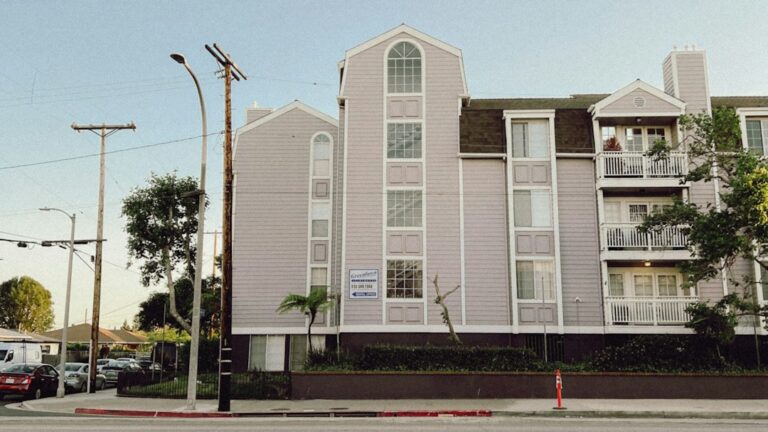 Rentals & tenants
What the AB 1482 Single-Family Exemption Does and Doesn’t Cover in North Redondo Beach
Many North Redondo Beach rentals fail the AB 1482 single-family exemption test. Here's what sellers of a tenant-occupied home must verify first.
Read the guide →