
Sell a Tenant-Occupied House in Fremont, CA
- Foreclosure, inherited, tenants, damage — we buy it
- Zero fees, zero commissions, zero closing costs
- No obligation — turn the offer down and owe us nothing


Sell With Tenants Still in Place
You don’t have to wait for a lease to end or force anyone out. Here’s how selling a tenant-occupied Fremont rental actually works.
Owning a rental property in Fremont while wanting out of the landlord business is a common position — especially with California’s tenant protection rules adding real complexity to evictions and lease non-renewals. Cash Home Buyers CA buys tenant-occupied houses throughout Fremont, and in many cases the tenancy doesn’t need to end before closing at all.
You Generally Cannot Just Ask a Tenant to Leave
California’s Tenant Protection Act of 2019 (AB 1482) requires “just cause” to terminate most residential tenancies once a tenant has occupied a unit for 12 months or more, and it caps annual rent increases for covered units.
Just cause falls into two categories: at-fault reasons like nonpayment of rent or lease violations, and no-fault reasons like the owner or a family member moving in or the owner deciding to permanently remove the unit from the rental market.
No-fault terminations generally require paying the tenant a relocation assistance payment equal to one month’s rent, or waiving the final month’s rent instead. Simply wanting to sell is not, by itself, just cause to end a tenancy.
Selling With the Lease Intact
The most straightforward option is often to sell the property with the tenancy in place.
Under California law, a residential lease survives a change in ownership — the new owner becomes the landlord and must honor the existing lease terms, security deposit, and any local or state tenant protections that already apply.
This lets you sell without terminating anyone’s tenancy, and we regularly buy Fremont rentals this way, whether the tenant is in a duplex near Centerville, a single-family rental in Irvington, or a converted unit closer to the Niles Historic District.
What We Need From You
To buy a tenant-occupied property, we typically ask for a copy of the current lease, confirmation of the security deposit amount, and the tenant’s rent payment history. We factor the existing rental income and lease terms into the offer, since an investor-buyer values a stable, paying tenant differently than a vacant house.
If the Tenant Has Already Stopped Paying
A nonpaying or problem tenant is a valid at-fault reason to pursue eviction under California law, but the unlawful detainer process can still take weeks to months depending on court schedules and whether the tenant contests it.
We can often make an offer on the property as-is, with the existing tenant situation disclosed, and either close with the tenancy still in place or coordinate around an eviction already underway rather than requiring you to resolve it first.
Security Deposits and Closing
At closing, the tenant’s security deposit is typically transferred to the new owner along with a written notice to the tenant identifying the new landlord and where future rent should be paid, consistent with California Civil Code requirements around deposit transfers on a sale.
Frequently Asked Questions
Can I sell my Fremont rental without evicting the tenant first?
Yes. California law allows a lease to transfer with the property, and we regularly purchase homes with tenants already in place.
Does AB 1482 apply to every rental in Fremont?
It applies to most residential rentals statewide with certain exemptions, such as some single-family homes with proper notice and certain newer construction. A local attorney can confirm your property’s status.
What if my tenant hasn’t paid rent in months?
We can still make an as-is offer with the situation disclosed, and can work with a sale that closes before, during, or after an eviction process.
What happens to the security deposit when the property sells?
It’s typically transferred to the new owner at closing along with written notice to the tenant.
Get a free, no-obligation cash offer from Cash Home Buyers CA today.
Seller Guides
Helpful guides for homeowners in Fremont
Plain-English answers to the questions sellers ask us most.
 Inherited homes & probate
What Probate Actually Looks Like for an Inherited House in Fresno County
Probate for an inherited Fresno County house runs through one courthouse, but the timeline depends on how title was held. What to expect, step by step.
Read the guide → Rentals & tenants
What Alameda’s Relocation Payment Schedule Costs a Landlord Selling With Tenants in Place
Alameda requires a relocation payment, up to five figures per unit, before a landlord can deliver a rental vacant. What the Rent Program requires first.
Read the guide → Rentals & tenants
Which Mountain View Rentals Does the CSFRA Actually Cover?
See which Mountain View rentals the CSFRA covers, its rent cap, just-cause eviction rules, relocation pay, and what landlords must do before raising rent.
Read the guide →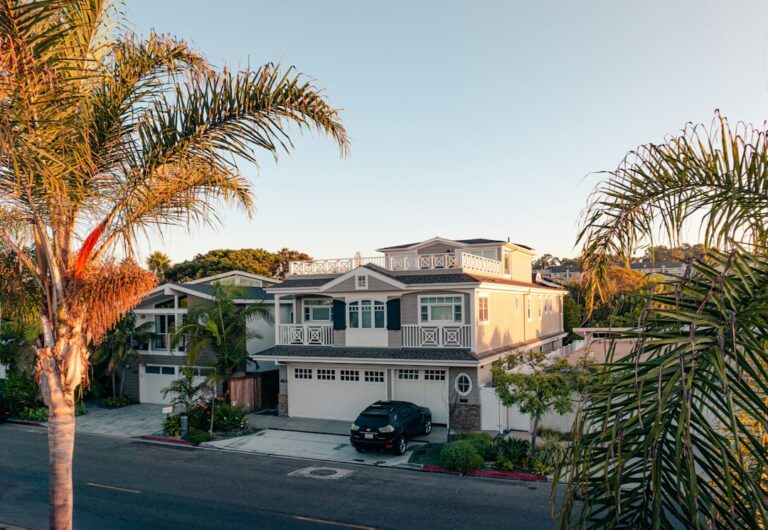 Rentals & tenants
Antioch’s Just Cause Eviction Ordinance: What a Landlord Selling a Rental Must Clear First
Antioch's Tenant Eviction Protection Ordinance (2240-C-S) sets just cause rules, notice deadlines, and relocation pay up to 3 months' rent for landlords.
Read the guide →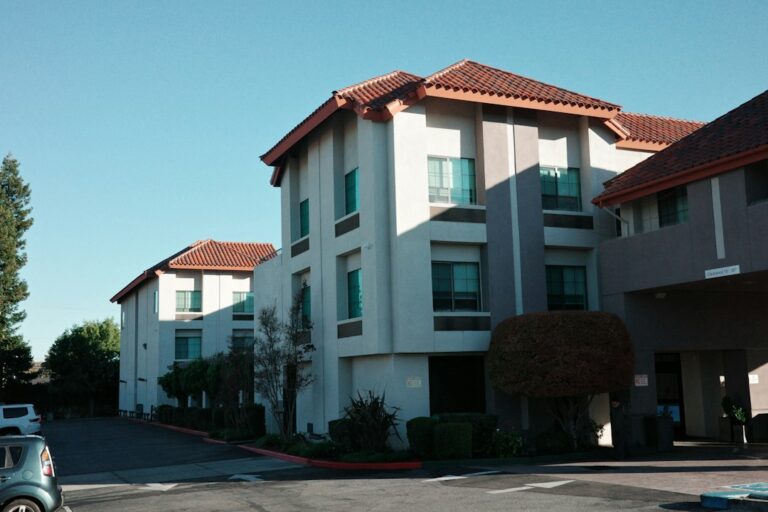 Rentals & tenants
San Jose’s Tenant Protection Ordinance: What a Landlord Selling a Rental Actually Owes
San Jose's Tenant Protection Ordinance sets exact relocation fees and notice rules a landlord must follow before selling a rental property there.
Read the guide → Rentals & tenants
Can a Tenant Refuse Landlord Entry in California?
California tenants can refuse improper entry, but Civil Code 1954 gives sellers a real right of access. Here's the notice rule and what counts as valid.
Read the guide → Rentals & tenants
What Happens When a Tenant Dies in a California Rental?
A tenant's death does not end the lease automatically in California. Here's what happens to rent, the deposit, and belongings before you can sell.
Read the guide → Rentals & tenants
When Does a Guest Become a Tenant in California?
California has no bright-line day count for guest-to-tenant status. Here's how courts decide, and what it means before you sell an occupied house.
Read the guide → Rentals & tenants
Landlord Retaliation Claims in California: What They Mean If You’re Trying to Sell
Selling a rental in California? How Civil Code 1942.5's 180-day retaliation window works, LA just-cause rules, and do's and don'ts for a tenant-occupied sale.
Read the guide →