
Sell a House With Tenants in Jefferson Park, CA
- Foreclosure, inherited, tenants, damage — we buy it
- Zero fees, zero commissions, zero closing costs
- No obligation — turn the offer down and owe us nothing


Fast, Fair, and Reliable Offers
Sell your Jefferson Park rental with the tenants still in place, leases and deposits transferred through escrow, and no fees or commissions.
Sell a House With Tenants in Jefferson Park Without Evicting Anyone
Many landlords assume they must empty a rental before they can sell it. When you sell a house with tenants in Jefferson Park, that is usually not the case.
A rental property can change hands with the people living there staying put, the lease continuing under the new owner, and security deposits handed over through escrow at closing.
Selling without evicting is often quicker, less expensive and far less stressful, particularly inside the City of Los Angeles, where ending a tenancy is closely regulated.
Jefferson Park has a steady share of rental housing. Some of it is single-family Craftsman bungalows rented out by long-time owners. Some of it is bungalows that were converted into two or more units years ago, and some is small apartment buildings.
Much of it dates back to the 1905 to 1920 building period, when about 2,500 homes went up across roughly 50 square blocks between Adams Boulevard and Exposition Boulevard. That age places a good number of these rentals under the city’s rent rules, which is the first thing to understand before selling.
Rent Rules That Can Apply to a Jefferson Park Rental
City of Los Angeles Rent Stabilization Ordinance
Rental units in buildings with two or more units that received their certificate of occupancy on or before October 1, 1978 generally fall under the Los Angeles Rent Stabilization Ordinance, or RSO. For Jefferson Park, that often includes bungalows that were split into multiple units and older apartment buildings.
The RSO limits annual rent increases and generally requires a just cause to end a tenancy. Those protections stay with the unit after a sale, so the buyer takes on the same obligations.
Just Cause Ordinance and AB 1482
Rentals not covered by the RSO may still be covered by the city’s Just Cause Ordinance and by the statewide Tenant Protection Act, AB 1482.
AB 1482 generally caps annual rent increases at 5 percent plus local CPI, with a maximum of 10 percent, and requires just cause after 12 months of occupancy for many rentals older than 15 years.
Single-family homes and condos owned by individuals can be exempt from parts of AB 1482 if the required notice was given to the tenant. Which rules apply to your property depends on its details, so a landlord-tenant attorney is the right person to confirm.
What a sale does and does not change
A sale by itself does not end a lease. The lease generally transfers to the buyer at closing, along with the security deposits, and the tenant keeps living there under the same terms. You do not need to serve notices to sell, and you do not need to offer buyouts.
You will need to give proper written notice before any walkthrough, and cooperation from the tenant makes the process smoother for everyone.
Market Figures and What They Mean for Landlords
Redfin’s numbers for the three months through August 2026 show Jefferson Park’s median sale price at about $1.15 million, 12.6 percent higher than a year earlier. Fourteen homes sold in August 2026, 15.1 percent fewer than the year before. The median home sold in 33 days versus 49 a year prior, at about 99.7 percent of list price, with 42.7 percent selling above list and 19.3 percent taking a price cut.
Those figures are dominated by vacant homes sold to owner-occupants. An occupied rental reaches a smaller group, because an owner-occupant cannot move into a unit with a protected tenant and many lenders treat investment properties differently. That narrower buyer pool is the main reason landlords compare a cash offer before listing an occupied property.
Occupied Cash Sale vs. Listing the Rental
| Question | Cash sale, tenants stay | Listing the rental |
|---|---|---|
| Timeline | Written offer usually within 24 hours; closing can often follow in a few weeks, allowing time for estoppels and lease documents | Smaller buyer pool; financed buyers usually need 30-45 days once in escrow |
| Repairs | None; the rental is bought as it is | Lender-required repairs mean coordinating access with tenants |
| Showings | One walkthrough with proper notice | Multiple showings, each requiring written notice |
| Commissions | No fees or commissions | Agent commissions often total around 5-6% combined |
| Closing costs | Laid out in the written offer | Seller typically pays transfer tax plus escrow and title shares |
| Certainty | No loan or appraisal contingency | Investment loans and appraisals can stall or end the sale |
Three Steps to Sell Your Rental
1. Call, text or send the form
Reach us at 424-435-2326 or through the form on this page. Share the number of units, the current rents and lease terms, and anything you know about the property’s rent-control status.
2. Walkthrough and written offer
After proper notice to the tenants, we complete one walkthrough and send a written cash offer, usually within 24 hours. We can buy your house directly or bring in a vetted cash buyer from our network; either way you get one written offer, proof of funds, a neutral escrow company, a clear closing date, and no fees or commissions.
3. Close through escrow on your date
A neutral escrow company manages the deposit, title work, prorated rents and the transfer of security deposits. The deed records on the date you choose, and escrow sends your proceeds.
Documents That Keep an Occupied Sale on Track
Gather copies of every lease and any amendments, a rent roll showing current rents and deposit amounts, recent rent increase notices, and any registration records for RSO units. Tenant estoppel certificates, which confirm the rent, deposit and lease terms from the tenant’s side, can help avoid disputes after closing.
The seller is also generally responsible for the city’s 9A report before close, and transfer tax is typically $1.10 per $1,000 for the county plus $4.50 per $1,000 for the city.
Should You Wait for the Unit to Go Vacant?
Some landlords consider waiting for a tenant to move out on their own so they can sell a vacant house to an owner-occupant. That can make sense if a lease is ending soon and the tenant has already announced plans to leave. In many cases, though, waiting is open-ended.
Long-term tenants under rent control often have little reason to move, and in the meantime the owner continues to carry the mortgage, property taxes, insurance and repair costs on a unit that may be renting well below market.
Trying to speed things up can create its own problems. In the City of Los Angeles, ending a tenancy without a valid just cause is generally not allowed, and no-fault terminations can carry additional requirements for the owner.
Mistakes here can lead to disputes or claims that cost far more than the time saved. For most owners, a sale with the tenants in place is the cleaner path: the income continues until closing, the buyer steps into the lease, and you move on without a contested move-out.
Tax Questions Landlords Should Raise Early
Selling a rental is different from selling a home you lived in. Depreciation you claimed over the years may be recaptured, the principal-residence exclusion generally does not apply, and some owners look at a 1031 exchange to defer gains into another property, which has strict deadlines that start at closing.
California may also require withholding of 3 1/3 percent of the sales price unless an exemption applies, and escrow handles the Form 593. A CPA can run the numbers before you sign so the net proceeds do not come as a surprise.
Talking With Your Tenants About the Sale
Tenants often worry when they hear a property is being sold. A short, honest conversation helps: explain that their lease continues, their deposit transfers, and a walkthrough will happen only with proper notice. Clear communication tends to make the walkthrough easier and keeps rent payments steady through closing. Put any promises in writing, and avoid making commitments on the buyer’s behalf about future rents or repairs.
Rentals We Buy When You Sell a House With Tenants in Jefferson Park
We buy single-family rentals, bungalows converted into two or more units, small apartment buildings, rentals with below-market rents, properties with unpermitted units, and rentals that need repairs between tenancies. Properties along or near the Jefferson Boulevard corridor, including rentals close to small storefronts, are reviewed case by case.
Occupied units with deferred maintenance are common here, and the condition is simply factored into the written offer rather than something you must fix before the tenants can stay. If the property also needs significant work, see our page on how to sell a house as is in Jefferson Park.
Frequently Asked Questions
Can I sell a house with tenants in Jefferson Park without evicting them?
Yes. The lease generally continues under the new owner, and security deposits transfer through escrow at closing. You do not need to end the tenancy to sell.
Does the RSO still apply after I sell?
Yes. If a unit is covered by the Los Angeles Rent Stabilization Ordinance, the protections stay with the unit and the buyer takes on the same obligations. A landlord-tenant attorney can confirm coverage.
Do my tenants have to let a buyer inside?
With proper written notice, a landlord can generally enter for a showing or walkthrough. One walkthrough is usually all a cash sale needs, which keeps the disruption low.
What happens to the security deposits?
Escrow generally credits the deposits to the buyer at closing, and the buyer becomes responsible for returning them under California law when tenants move out.
Is a converted bungalow with an unpermitted unit hard to sell?
It can be hard to finance, since lenders and appraisers may not count the unpermitted unit. A cash buyer can purchase the property as it exists, with the tenants staying.
Does AB 1482 apply to my single-family rental?
It depends. Single-family homes owned by individuals can be exempt from parts of AB 1482 if the required notice was given. The city’s Just Cause Ordinance may also apply. An attorney can review your situation.
How long does an occupied sale take?
With clear title and cooperative tenants, a cash sale can often close in a few weeks. Gathering leases, a rent roll and estoppels early helps keep the date on track.
Can I sell if my tenant is behind on rent?
Yes. A tenant who is behind on rent does not prevent a sale. Share the rent roll and any notices already served so the offer and the escrow instructions reflect the situation, and speak with an attorney before taking any action against the tenant.
Ready to stop managing your Jefferson Park rental? Call or text 424-435-2326 or use the form at the top of the page for a written cash offer, with your tenants staying in place and no fees or commissions.
Jefferson Park is part of the City of Los Angeles. For the citywide picture, see our guide to selling a house with tenants in Los Angeles.
Seller Guides
Helpful guides for homeowners in Jefferson Park
Plain-English answers to the questions sellers ask us most.
 Rentals & tenants
Emeryville’s Just Cause Eviction Ordinance: Relocation Pay Under Municipal Code 5-40
Emeryville's Municipal Code 5-40 requires just cause from day one and relocation pay scaled by landlord size, stricter than statewide AB 1482.
Read the guide →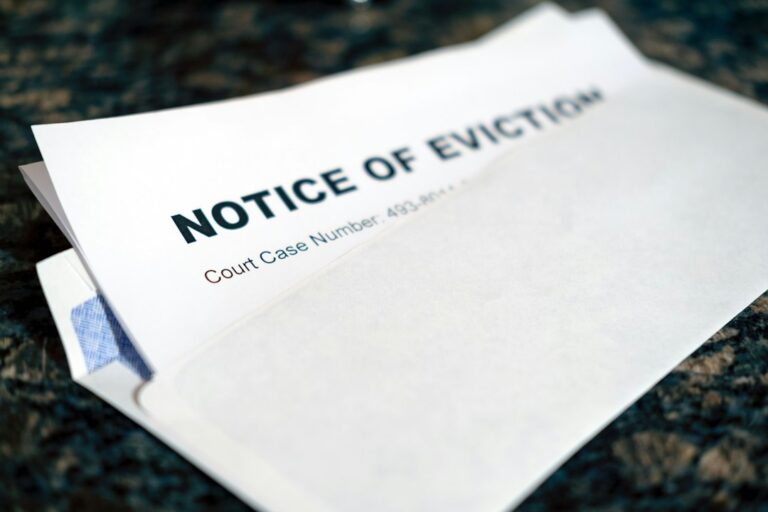 Rentals & tenants
California’s Just Cause Eviction Notice: What Civil Code 1946.2 Requires
Civil Code 1946.2 requires a stated reason to end most tenancies after 12 months, and one month's rent in relocation pay within 15 calendar days.
Read the guide → Rentals & tenants
California Condo Conversion: Tenant’s Right to Buy First
Gov. Code 66427.1 gives tenants a 90-day right to buy first and five required notices before a condo conversion in California. Here's how it works.
Read the guide → Rentals & tenants
Los Angeles SCEP Inspections and Fees: What a Landlord Selling a Rental Needs to Know
LA's SCEP program bills landlords per unit and can trigger REAP or a recorded notice. Here's what a landlord selling a rental needs to clear first.
Read the guide → Rentals & tenants
The 90-Day Notice California Tenants Get After a Foreclosure Sale
A foreclosed rental does not mean an instant eviction. California and federal law require a 90-day notice, and sometimes a full lease, to be honored first.
Read the guide → Rentals & tenants
California’s Owner Move-In Eviction Rules Explained
An owner move-in eviction in California only holds up if a qualifying relative moves in within 90 days and stays a year, per Civil Code 1946.2.
Read the guide → Rentals & tenants
Glendale Tenant Relocation Ordinance: What Sellers Should Know
Glendale's relocation-assistance and notice ordinance sits on top of AB 1482. Here's what sellers must confirm before ending a tenancy.
Read the guide → Rentals & tenants
Burbank Tenant Protection Ordinance: Notice and Relocation Pay Rules
Burbank's tenant protection ordinance sets its own relocation pay schedule and remodel notice rules beyond AB 1482. What sellers need to know.
Read the guide → Rentals & tenants
The July 31 Registration Deadline Culver City Landlords Can’t Miss Before Selling a Rental
Culver City requires annual rental registration by July 31, with penalties that follow into escrow. What the ordinance requires before you sell a rental.
Read the guide →