
Sell a Tenant-Occupied House in Miracle Mile
- Foreclosure, inherited, tenants, damage — we buy it
- Zero fees, zero commissions, zero closing costs
- No obligation — turn the offer down and owe us nothing


No Notices, No Vacancy, No Relocation Checks
We buy Miracle Mile rentals with tenants living in them, and we honor the tenancy exactly as it stands.
South of Olympic Boulevard in Miracle Mile, the housing stock shifts from the one-story single-family homes that dominate the neighborhood’s HPOZs to one- and two-story multi-family buildings, many of them older apartment houses built well before the city’s current rent rules existed.
Any building with a certificate of occupancy on or before October 1, 1978 falls under the Los Angeles Rent Stabilization Ordinance, which limits rent increases and requires just cause for eviction, and newer buildings generally fall instead under the statewide Tenant Protection Act, AB 1482.
Cash Home Buyers CA purchases occupied houses, condos and apartment buildings throughout Miracle Mile without disturbing a single tenancy.
Miracle Mile runs roughly from 3rd Street south to San Vicente Boulevard, and from Fairfax Avenue east to La Brea and Highland, in ZIP codes 90036 and 90019, bordering the Fairfax District, Park La Brea and Mid-Wilshire.
The area’s mix of pre-war courtyard buildings, dingbat apartments from the 1950s and 1960s, and newer condo conversions near Fairfax and Museum Row means RSO coverage, AB 1482 coverage, and unregulated ownership can all exist within a few blocks of each other, so the correct rules for your specific building depend on exactly when it was built and how it is titled, not on the neighborhood generally.
Wilshire Boulevard through the middle of Miracle Mile is Museum Row, home to LACMA, the Petersen Automotive Museum and the Academy Museum of Motion Pictures, and the extended Metro D Line now serves the neighborhood at the Wilshire/La Brea and Wilshire/Fairfax stations.
That location keeps rental demand strong for both older RSO-covered units and newer AB 1482 buildings, which is one reason owners of occupied Miracle Mile properties are rarely in a rush from a demand standpoint; the pressure to sell, when it exists, is usually about the owner’s own circumstances rather than the building’s ability to stay leased.
What the RSO and AB 1482 Mean for a Sale
- The sale itself changes nothing for tenants. A change of ownership is not a lease termination. Whoever buys the property, including us, takes it subject to the existing leases and rent-registration status.
- No-fault evictions require relocation payments. Under the RSO, ending a tenancy for owner move-in or another no-fault reason triggers relocation fees that scale with the tenant’s income and length of tenancy, and the process itself can take months. Selling with the tenancy intact avoids that cost and delay entirely.
- Rent registration must be current. RSO buildings are required to be registered annually with the Los Angeles Housing Department; we confirm registration status during escrow rather than requiring you to sort it out beforehand.
- Financed buyers underwrite rent rolls conservatively. A lender evaluating a below-market RSO building often values it near its current rent roll rather than its market rent potential, which is a large part of why occupied Miracle Mile buildings sell slower to retail buyers and faster to cash buyers who value them on the same basis we do.
Retail buyers who do want an occupied building often struggle to get financing on one with legacy RSO tenants paying well under market, since the income the lender counts is the actual rent collected, not what the unit could rent for today.
That gap between actual and market rent is exactly the risk a bank underwrites conservatively and a direct buyer underwrites realistically, which is why cash offers on occupied Miracle Mile buildings often land closer to a seller’s expectations than a first look at listing comps would suggest.
Selling an Occupied House Inside the HPOZ
A single-family rental house inside the Miracle Mile HPOZ or the Miracle Mile North HPOZ adds another layer: any exterior repair or improvement still needs a Certificate of Appropriateness from the city’s HPOZ Board, which meets only twice a month, on the first and third Wednesday, at the Fairfax Branch Library, whether or not the house is currently occupied.
A landlord who has been collecting rent for years and never got around to HPOZ-approved exterior maintenance is not unusual, and it does not stop us from buying the property with the tenant in place, exactly as it stands.
How We Buy an Occupied Miracle Mile Property
We ask for the rent roll, current leases, and RSO or AB 1482 registration status early, and we build our offer around the actual rents and tenancy terms rather than a hypothetical vacant value.
Movoto listed 19 active homes for sale in Miracle Mile as of September 2026, from about $740,000 for a condo to $3,250,000 for a larger HPOZ house, and while that range is mostly single-family listings, the same comps-plus-rent-roll approach applies to a small multi-unit building.
At closing, we assume the existing leases, take assignment of security deposits through escrow, and register as the new owner with the city. Your tenants receive nothing more disruptive than a notice of new ownership and updated payment instructions.
Selling Occupied Versus Waiting for Vacancy
Some landlords consider waiting for a lease to end, or pursuing a no-fault eviction, before listing a Miracle Mile property, hoping a vacant house or unit will show and sell better.
That path carries real costs: RSO relocation payments that can run into the tens of thousands of dollars depending on the tenant’s income and tenure, months of legal process if the tenant contests the notice, lost rent during the vacancy, and, in an HPOZ house, potentially needing to complete exterior repairs before it would show well once it is empty.
Selling with the tenancy intact skips every one of those steps and every one of those costs, in exchange for a number that reflects the property’s occupied condition rather than its hypothetical vacant one.
What If a Unit Is Vacant, or Rents Are Below Market?
Mixed occupancy is common and does not complicate a sale. We factor a vacant unit’s market rent and the occupied units’ current, registered rents into one offer for the whole property.
Below-market rents under long-term RSO tenancies actually work in a seller’s favor with us in one specific way: because we are not trying to sell the building’s upside to a lender who wants to see it justified by current income, we can underwrite the property’s future rent growth potential the way a retail buyer’s appraiser typically will not.
Timeline and Closing
We typically respond with a written offer within 24 to 48 hours. Once accepted, we open escrow with a licensed Los Angeles County title and escrow company, verify RSO or AB 1482 registration with the Los Angeles Housing Department, and review the rent roll and lease documents.
Recording happens at the Los Angeles County Registrar-Recorder/County Clerk in Norwalk. A property with clear title typically closes in two to three weeks; a building with long-term tenants or one still requiring registration cleanup usually runs three to six weeks.
Combined city and county transfer tax is $5.60 per $1,000 of sale price, normally paid by the seller; on a $1.2 million multi-unit sale that is roughly $6,700.
Security deposits held for existing tenants transfer to us through escrow along with an accounting of each unit’s deposit amount, so nothing is left ambiguous for either the outgoing owner or the tenants themselves.
Related Situations
Selling an occupied property often comes up alongside wanting to sell as-is, or after inheriting a rental building from a family member who managed it for decades. If you simply want to move quickly, see our page on selling fast in Miracle Mile. The same RSO and AB 1482 rules apply across the rest of the city too — see our page on selling a house with tenants in Los Angeles.
Frequently Asked Questions
Do I have to tell my tenants I’m selling?
California law does not require advance notice of a sale itself, only reasonable notice before showings, which we generally do not need since we do not require open houses or multiple walkthroughs.
Will my tenants’ rent go up after you buy the building?
We take the property subject to existing leases and the applicable rent caps under the RSO or AB 1482, so registered rents carry forward under the same rules that applied before the sale.
What if one unit is vacant and the rest are occupied?
That is common and does not complicate the sale. We factor the vacant unit’s market rent and the occupied units’ current rents into one offer for the whole property.
Is my building even covered by the RSO?
Generally, if the certificate of occupancy predates October 1, 1978, it is. We confirm the exact status through the Los Angeles Housing Department’s records during escrow.
My rental house is inside the HPOZ and needs exterior work. Does that matter?
No. We buy the property with the tenancy and the deferred exterior work intact, and we take on the Certificate of Appropriateness process ourselves after closing.
How long does closing take on an occupied building?
Typically two to three weeks for a property with clear title and current rent registration; three to six weeks if registration needs to be brought current or the estate is still in probate.
To sell an occupied house, condo or apartment building in Miracle Mile without disturbing a single tenant, call or text 424-435-2326.
Seller Guides
Helpful guides for homeowners in Miracle Mile
Plain-English answers to the questions sellers ask us most.
 Relocating
Fontana’s Warehouse Boom: What It Means If You’re Relocating
Fontana grew from a wartime steel town into an Inland Empire logistics hub. See what that shift means for home values and selling if you are relocating.
Read the guide → Rentals & tenants
How Much Must Long Beach Landlords Pay Tenants Under the Relocation Ordinance?
Long Beach landlords: see the LBMC 8.99 relocation payments, notice periods, and city filing step required before a no-fault tenant termination.
Read the guide → Rentals & tenants
Pasadena Tenant Protection Ordinance: Notice & Pay Rules
Pasadena's tenant protection ordinance sets notice periods, split relocation pay, and rent caps for owners selling a tenant-occupied rental.
Read the guide → Rentals & tenants
LA RSO Registration Must Be Current Before You Sell
Check the current LAHD RSO, JCO and SCEP fees, the annual deadline, and the 45-day re-registration window you must clear before selling a rental.
Read the guide → Rentals & tenants
Santa Monica Tenant Buyout Agreements: The Notice, the 30-Day Cancel and the Filing Window
Santa Monica buyouts need a rights notice before any offer, a 30-day cancel period and filing on day 31-60. See the 2026 minimum amounts and penalties.
Read the guide → Rentals & tenants
The LAHD Filing Deadline Landlords Miss on a Tenant Buyout in Los Angeles
Los Angeles tenant buyouts require an LAHD disclosure before any offer, a 30-day rescission right, and a signed agreement filed with LAHD within 60 days.
Read the guide → Rentals & tenants
What REAP Actually Means for a Los Angeles Landlord Trying to Sell
If your Los Angeles rental is in REAP — the city's Rent Escrow Account Program — your tenants are legally paying 10%…
Read the guide →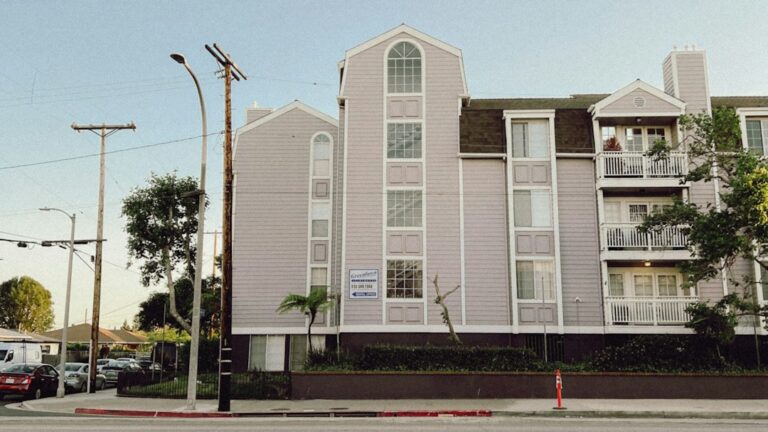 Rentals & tenants
What the AB 1482 Single-Family Exemption Does and Doesn’t Cover in North Redondo Beach
Many North Redondo Beach rentals fail the AB 1482 single-family exemption test. Here's what sellers of a tenant-occupied home must verify first.
Read the guide → Rentals & tenants
Why Glendale’s Rent Rules Often Don’t Apply to Your Rental
Glendale has its own tenant-protection ordinance, but most single-family rental houses are exempt and fall back to California's AB 1482 instead.
Read the guide →