
How Our Miracle Mile Cash-Offer Process Works
- Foreclosure, inherited, tenants, damage — we buy it
- Zero fees, zero commissions, zero closing costs
- No obligation — turn the offer down and owe us nothing


Comps, Escrow, Signing, and Recording — Step by Step
See exactly what happens from your first call to funds in your account, including how HPOZ status factors into every offer.
Selling directly is a different process than listing with an agent in Miracle Mile, and knowing exactly what happens at each step, especially where the neighborhood’s Historic Preservation Overlay Zones factor in, makes the whole thing far less uncertain. Here is what actually happens from the first call to funds landing in your account when you sell to Cash Home Buyers CA.
Miracle Mile runs roughly from Fairfax Avenue to La Brea Avenue along Wilshire Boulevard, bordered by Park La Brea, Carthay, and the Fairfax District, and it is home to the Los Angeles County Museum of Art, the Academy Museum of Motion Pictures, and the La Brea Tar Pits, along with two separate Historic Preservation Overlay Zones that most other Los Angeles sellers never have to think about.
Because so few sellers understand how those overlays interact with a cash sale, we walk through every stage below in plain terms, using the same steps our team actually follows on a Miracle Mile closing.
Step One: You Tell Us About the Property
A call, a text, or the form on this page starts the process.
We ask basic questions: the address, the property type, whether it is occupied, and anything unusual about its condition or situation, whether that is deferred maintenance, a tenant in place, an estate still in probate, or a loan that has fallen behind.
There is no cost and no obligation at this stage, and most calls take only a few minutes.
Step Two: We Check the Parcel and HPOZ Status
Rather than assuming based on the street address, we check the parcel directly against the boundaries of the Miracle Mile HPOZ, which covers roughly 1,347 contributing properties between Wilshire Boulevard and San Vicente Boulevard, La Brea Avenue and Orange Grove Avenue, and the Miracle Mile North HPOZ, covering single-family homes built between 1924 and 1941 between Gardner and Detroit streets.
Miracle Mile blends into Mid-Wilshire, Carthay, Park La Brea and the Fairfax District at its edges, so this step matters: a property just outside either HPOZ faces none of the Certificate of Appropriateness rules that a property just inside one does, and that materially changes what a fair offer looks like.
Step Three: We Build a Written Offer From Real Comps
We pull recent closed sales in Miracle Mile, not just active listings, since asking prices do not reflect what buyers are actually paying.
Movoto listed 19 active homes for sale in the neighborhood as of September 2026, from about $740,000 for a condo to $3,250,000 for a larger HPOZ house, and we weigh comparable closed sales against your property’s specific condition, HPOZ status, and, for a rental, its rent roll and lease terms.
We typically deliver a written offer within 24 to 48 hours of the first call. You can accept, decline, or ask questions; there is no pressure and no expiration clock designed to rush you.
Step Four: We Open Escrow and Order Title
Once you accept, we open escrow with a licensed Los Angeles County title and escrow company and order a preliminary title report to confirm ownership and identify any liens, judgments, or back taxes that need to be resolved at closing.
If the property sits in either HPOZ, we also pull the permit history at this stage to understand what exterior work, if any, was done with or without proper approval, though none of that changes whether we close, only how we account for it in our records.
Step Five: We Order the City’s Report and Handle Retrofit Items
We order the Department of Building and Safety’s Report of Residential Property Records, along with the associated certifications for a seismic gas shutoff valve, low-flow plumbing fixtures, and smoke and carbon monoxide detectors.
On a conventional sale, these items can hold up a lender’s funding for weeks if anything is missing; because we are not financing the purchase through a mortgage, we handle this administrative step ourselves without it affecting your closing date.
Step Six: Signing
Documents are typically signed with a mobile notary at a time and place convenient for you, whether that is your home, a local coffee shop, or remotely through overnight courier if you have already relocated.
If the property involves an estate, a trust, or a divorce settlement, we coordinate directly with the attorney or trustee to confirm exactly who needs to sign and what supporting documents, such as letters of administration or a certified court order, need to accompany the closing paperwork.
Step Seven: Recording and Funding
Recording happens at the Los Angeles County Registrar-Recorder/County Clerk in Norwalk.
Combined Los Angeles City and County transfer tax of $5.60 per $1,000 of sale price is deducted from proceeds at this stage, along with any loan payoff, liens, or back taxes, and we provide a full accounting before you ever sign.
Once recording is confirmed, typically the same day, proceeds wire to whatever account you designate.
A property with clear title and no complications typically closes in two to three weeks from acceptance; an estate in probate or a building with long-term tenants more often runs three to six weeks, and we can move faster, in as little as 7 to 14 days, when your situation calls for it.
What to Gather Before Your First Call
You do not need a file full of paperwork to get started, but having a few items on hand speeds things up.
If you have it, bring the most recent property tax bill, which shows the assessor’s parcel number we use to confirm HPOZ boundaries instantly rather than estimating from the street address.
For an inherited property, letters of administration or a trust certification helps us confirm who is authorized to sign.
For a tenant-occupied building, current lease terms and the rent roll let us build an accurate offer on the first call instead of a preliminary range that has to be revised later.
None of this is required to start the conversation, and we can work from whatever documentation exists, even if that is nothing more than the address and a rough sense of the property’s condition.
How Our Offer Compares to a Traditional Listing
A traditional listing in Miracle Mile typically involves an agent commission of 5 to 6 percent of the sale price, plus seller-paid closing costs, staging, photography, and often several thousand dollars in repairs identified during a buyer’s inspection.
Movoto’s active listing range of roughly $740,000 to $3,250,000 as of September 2026 reflects asking prices before any of those deductions, and a financed buyer’s 45 to 60 day escrow can still collapse over an appraisal gap or a lender’s last-minute condition.
Our offer is calculated the opposite way: we start from real closed comparables, subtract nothing for commission because there is none, and give you a number that is close to what actually lands in your account, since we cover title, escrow, and the city report ourselves.
The tradeoff is straightforward — our offer is typically below top-of-market retail pricing, in exchange for certainty, speed, and zero seller-side costs.
What Happens If You Change Your Mind
Because there is no obligation until you sign a purchase agreement, you can walk away at the offer stage for any reason or no reason at all, and many Miracle Mile homeowners do exactly that after simply confirming what their property is worth.
Even after signing, our agreements are written in plain language with clearly stated contingencies rather than fine print designed to lock you in, and we would rather you back out early than feel pressured into a closing that no longer serves your situation.
What Makes This Different From a Retail Sale
- No loan contingency. There is no buyer financing to fall through, no lender-ordered appraisal, and no underwriting conditions to satisfy.
- No repair negotiation. We buy the property exactly as it stands, HPOZ-flagged exterior work and all, so there is nothing to negotiate after inspection.
- No commission. There is no 5 to 6 percent agent fee coming out of your proceeds.
- You choose the date. Within reason, closing happens on your schedule, not a buyer’s.
Related Situations
This process applies whether you are selling fast, working through an inherited property, or selling a tenant-occupied building. The same process applies across the rest of Los Angeles too — see our page on the Los Angeles cash-offer process for the citywide version.
Frequently Asked Questions
How long does the whole process take, start to finish?
Typically two to three weeks for a straightforward property, three to six weeks for an estate in probate or a building with long-term tenants, and as fast as 7 to 14 days when speed matters most.
Do you charge anything to make an offer or run title?
No. There is no cost to get an offer, and no fee for title work, the city report, or escrow. Those costs are ours to cover.
What if my property is inside the HPOZ and has unapproved exterior work?
We factor that into our offer and take on the Certificate of Appropriateness question after closing rather than asking you to resolve it first.
Can I back out after accepting an offer?
Our written agreements specify the terms, but we do not use high-pressure tactics or hidden penalties designed to trap you in a deal you no longer want.
Do I need to be present for every step?
No. Beyond a brief walkthrough and signing, most of the process, including title work and city reports, happens without requiring your presence.
What documents should I have ready before we talk?
Nothing is required, but a recent property tax bill, any trust or probate paperwork, and current lease terms for a rental all help us move faster on the first call.
Will your offer match what a real estate agent tells me my house is worth?
Usually not at the top end. An agent’s estimate is typically a retail asking price before commission, repairs, and closing costs; our offer accounts for the fact that we cover all of that ourselves.
To start the process on your Miracle Mile property, call or text 424-435-2326 for a written, no-obligation cash offer.
Seller Guides
Helpful guides for homeowners in Miracle Mile
Plain-English answers to the questions sellers ask us most.
 Relocating
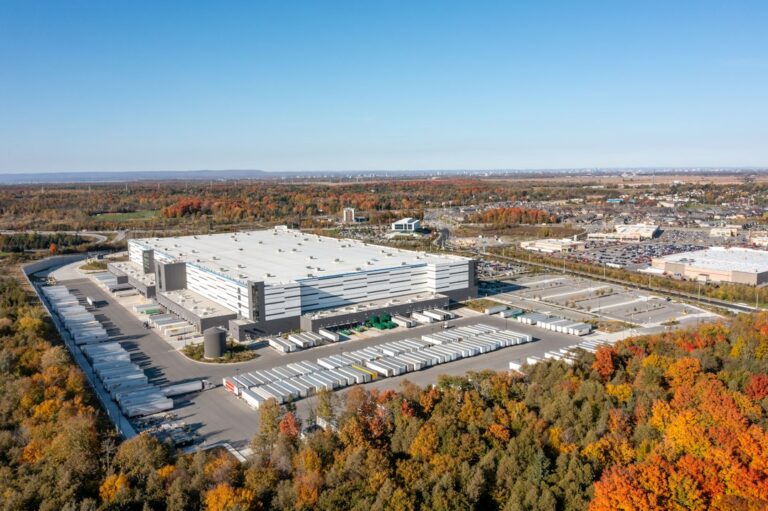
Fontana’s Warehouse Boom: What It Means If You’re Relocating
Fontana grew from a wartime steel town into an Inland Empire logistics hub. See what that shift means for home values and selling if you are relocating.
Read the guide → Selling for cash
The Transfer Tax Every Los Angeles Seller Pays, With or Without Measure ULA
Los Angeles charges its own $4.50-per-$1,000 tax on top of the county rate, before Measure ULA applies. See the exact combined math at closing.
Read the guide → Rentals & tenants
How Much Must Long Beach Landlords Pay Tenants Under the Relocation Ordinance?
Long Beach landlords: see the LBMC 8.99 relocation payments, notice periods, and city filing step required before a no-fault tenant termination.
Read the guide → Selling for cash
What Inglewood’s Housing Protection Ordinance Requires Before You Sell a Rental
Inglewood's Housing Protection Ordinance covers more rentals than expected, with rent caps, just-cause rules, and relocation tiers that transfer at sale.
Read the guide → Selling for cash
The Five-Year Countdown Before Los Angeles County Auctions a Tax-Defaulted Home
LA County auctions tax-defaulted homes after five years unpaid. See the redemption deadline, installment options, and how to claim excess proceeds.
Read the guide →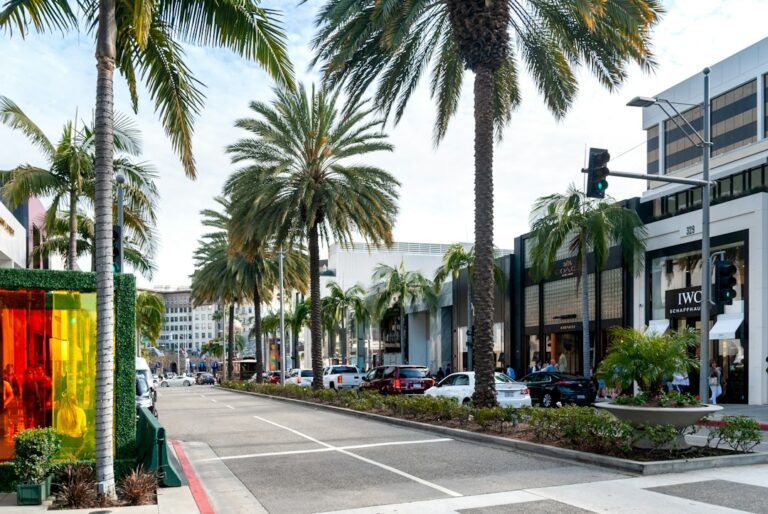 Selling for cash
What Beverly Hills’ Rent Stabilization Ordinance Requires Before You Sell
Beverly Hills runs its own BHMC Chapter 5 and 6 rent rules: caps, BHRent registration, just-cause grounds and relocation fees sellers must clear first.
Read the guide → Selling as-is
What Rancho Palos Verdes’ Landslide Zones Mean for a Natural Hazard Disclosure
Rancho Palos Verdes sellers must check a landslide-zone box on the state Natural Hazard Disclosure Statement, separate from the earthquake fault question.
Read the guide → Selling for cash
West Hollywood’s Rent Stabilization Ordinance: What a Seller With Tenants Must Clear First
West Hollywood's rent stabilization law sets strict just-cause rules and relocation fees before you can sell a tenant-occupied rental unit here.
Read the guide → Inherited homes & probate
Partition Actions Between Heirs: How California Law Forces a House Sale
California heirs can force a house sale through a partition action under CCP 872-874, with court referees, confirmation hearings, and buyout rights.
Read the guide →