
Sell My House Fast in Pico-Union
- Foreclosure, inherited, tenants, damage — we buy it
- Zero fees, zero commissions, zero closing costs
- No obligation — turn the offer down and owe us nothing


Every Day on the Market Has a Cost
See how a traditional Pico-Union listing timeline compares to a 7-14 day cash close, and why speed matters most when you have a deadline of your own.
If you need to sell a house fast in Pico-Union, the obstacle is rarely price.
It’s the string of steps a financed buyer has to clear before a sale actually funds, and in a neighborhood where roughly 90.5 percent of the housing stock is rented rather than owner-occupied, the pool of retail buyers for the few single-family houses and small buildings that do come up is thin to begin with.
Cash Home Buyers CA buys houses and small apartment buildings throughout Pico-Union directly, which removes most of that chain.
Why a Traditional Pico-Union Sale Takes So Long
Redfin’s data for the period ending November 2025 recorded just 7 home sales in Pico-Union, at a median price of $670,000, with homes sitting well over 100 days on market on average.
That small sample size cuts both ways: a well-priced single-family house in the South Bonnie Brae Tract or Alvarado Terrace historic district can draw interest quickly because so little comes up, but the financed escrow that follows still runs on the same clock as anywhere else in the city.
Once an offer is accepted, a standard California purchase agreement gives the buyer roughly a 17-day contingency period for inspections, disclosures and loan approval, and full underwriting after that typically needs another two to four weeks.
A “fast” financed sale in Pico-Union is commonly 45 to 60 days from accepted offer to funded escrow, longer if the appraisal or the city’s 9A report turns up something.
Where the Extra Weeks Come From
- The 9A report. The Department of Building and Safety’s Report of Residential Property Records has to be delivered before close, along with certifications for a seismic gas shutoff valve, low-flow fixtures, and smoke and carbon monoxide detectors. Ordering it and clearing anything it flags takes time a financed buyer’s lender is waiting on.
- HPOZ review. A house inside the Pico-Union Historic Preservation Overlay Zone, adopted in August 2004, needs a Certificate of Appropriateness for exterior work. A retail buyer’s lender may want that resolved before funding if the home needs visible repairs.
- A cautious appraisal. With only a handful of comparable sales in the whole neighborhood in a given quarter, an appraiser has to reach outside Pico-Union for comps, and a mismatch between the comp set and the actual property can bring the value in under contract.
- Loan underwriting. Pre-approval happens before an offer is written; full underwriting happens after, and conditions like updated pay stubs or letters of explanation can add weeks on their own.
What a Cash Sale’s Timeline Looks Like
We respond with a written cash offer within 24 to 48 hours of hearing about your property. Because there’s no lender involved, there’s no loan contingency and no lender-ordered appraisal to wait on.
We still order the 9A report ourselves, but it doesn’t hold up financing the way it does on a conventional sale. Once you accept, we open escrow with a licensed Los Angeles County title and escrow company.
A house or condo with clear title typically closes in two to three weeks; an occupied apartment building or a property moving through an estate usually runs three to six weeks, on the date you pick.
Why Pico-Union’s Sales Volume Is So Thin
Pico-Union is the fourth-densest neighborhood in Los Angeles, packing more than 40,000 residents into just 1.67 square miles.
That density was built by decades of apartment construction on land bounded roughly by Olympic Boulevard, the Harbor Freeway, the Santa Monica Freeway and Normandie or Hoover depending on the source, with Koreatown and Westlake sitting just to the north and Downtown to the east.
Most of what changes hands here is a rental building, not a single-family house, which is a big part of why Redfin’s sample of Pico-Union sales is so small in any given quarter and why days-on-market runs so much longer than it does in neighborhoods with a deeper pool of owner-occupied comps.
The houses that do exist tend to be older and architecturally distinct.
Pico-Union developed as an affluent district starting in the 1910s, and the Craftsman and Victorian homes of the South Bonnie Brae Tract and Alvarado Terrace — both federally listed historic districts — sit alongside dense 1920s-to-1960s apartment buildings, many of them originally built for a wealthier population and later subdivided.
A house from that era usually carries original plumbing, electrical and roofing that a lender’s inspection process treats very differently than a retail buyer walking through and picturing new paint.
Common Reasons Pico-Union Owners Need to Move Quickly
Speed matters for reasons that have nothing to do with a crisis: a job pulling you out of the area, not wanting to carry a mortgage on a property while a new purchase closes, or simply not wanting to keep paying insurance and upkeep on a house that’s sitting empty in a neighborhood this dense.
Some owners of the neighborhood’s older apartment buildings are also weighing a sale against the cost of bringing an aging property up to current code, and would rather move on with a certain number than spend the next year on capital repairs.
If your situation is more specific, we have dedicated guides that go deeper: foreclosure, divorce, and tenant-occupied buildings in Pico-Union each come with their own deadlines and rules.
The same underwriting and escrow timeline described here holds across the rest of the city too — see our page on the rules across the rest of Los Angeles if you’re comparing a Pico-Union sale to a property somewhere else in the county.
The Honest Trade-Off
A cash offer is typically below what a fully restored house in South Bonnie Brae or Alvarado Terrace might fetch after a long, well-marketed retail listing aimed at a buyer who wants that specific street.
In exchange, there’s no 5 to 6 percent agent commission, no repair bills, no HPOZ paperwork to sort out before you can list, and no risk of a thin buyer pool leaving the house sitting for months.
On the rest of Pico-Union’s stock — occupied buildings, houses needing work, estates that haven’t been touched in years — the math tends to favor a fast, certain close over a long shot at a higher number.
What We Check Before Making an Offer
Because Pico-Union has so few comparable arm’s-length sales to lean on, we build our number around the specific property rather than a neighborhood median.
For a single-family house, that means checking whether it sits inside the HPOZ or one of the two historic tracts, since that affects what a future owner can do to the exterior more than it affects our ability to buy today.
For an apartment building, it means pulling the rent roll and confirming which units, if any, predate the city’s October 1, 1978 cutoff for Rent Stabilization Ordinance coverage. We also pull the permit history early so nothing about unpermitted work or open violations surfaces for the first time during escrow.
Los Angeles City’s $4.50-per-$1,000 transfer tax, combined with the county’s $1.10 per $1,000, comes to $5.60 per $1,000 of sale price — roughly $3,750 on a $670,000 sale, and it’s customarily the seller’s cost either way. On our purchases, we walk you through exactly what that number looks like on your specific property before you sign anything, so there’s no surprise line item at the closing table.
Frequently Asked Questions
How fast can you really close in Pico-Union?
Most closings run two to three weeks for a house or condo with clear title, and three to six weeks for an occupied building or an estate. We can move faster or slower depending on what you need.
Do I need to clean or repair anything first?
No. We buy the property in its current condition, including houses inside the HPOZ that would need city approval before a retail buyer's lender would sign off on repairs.
What if I actually need more time, not less?
That's fine. We can set a closing date further out, or arrange a short rent-back so you can stay after closing while you finish your move.
Is a cash sale always faster than listing?
Not necessarily. With so few Pico-Union sales to compare against, a well-priced house can occasionally draw quick interest. The time savings come from skipping the 30 to 45 day financed escrow that follows, and the risk of that escrow falling apart.
Are there fees for closing quickly?
No. There's no commission and no added fee for a fast timeline.
Do you buy apartment buildings, not just single-family houses?
Yes. A large share of what we buy in Pico-Union is small multi-unit rental property, and we buy it occupied, with the rent roll and leases intact.
Get a written cash offer on your Pico-Union property by calling or texting 424-435-2326, or see how we approach every deal on our Pico-Union cash-offer process page.
Seller Guides
Helpful guides for homeowners in Pico Union
Plain-English answers to the questions sellers ask us most.
 Rentals & tenants
Emeryville’s Just Cause Eviction Ordinance: Relocation Pay Under Municipal Code 5-40
Emeryville's Municipal Code 5-40 requires just cause from day one and relocation pay scaled by landlord size, stricter than statewide AB 1482.
Read the guide → Selling for cash
Malibu’s Six-Year Rebuild Deadline After the Palisades Fire: Municipal Code 17.60.020(C)
Malibu gives fire-rebuild applicants six years to file and eight to permit under Code 17.60.020(C), with capped extensions and FEMA rules.
Read the guide → Selling for cash
California’s Security Deposit Cap: How AB 12 Limits What Landlords Can Collect
AB 12 caps most California security deposits at one month of rent, with a narrow two-month exception for small landlords and new 2025 photo rules.
Read the guide → Selling as-is
California Civil Code §4525: The 11 HOA Documents You Must Hand a Buyer Before Closing
California Civil Code 4525 requires HOA sellers to hand buyers 11 documents before closing, including the new balcony inspection report requirement.
Read the guide →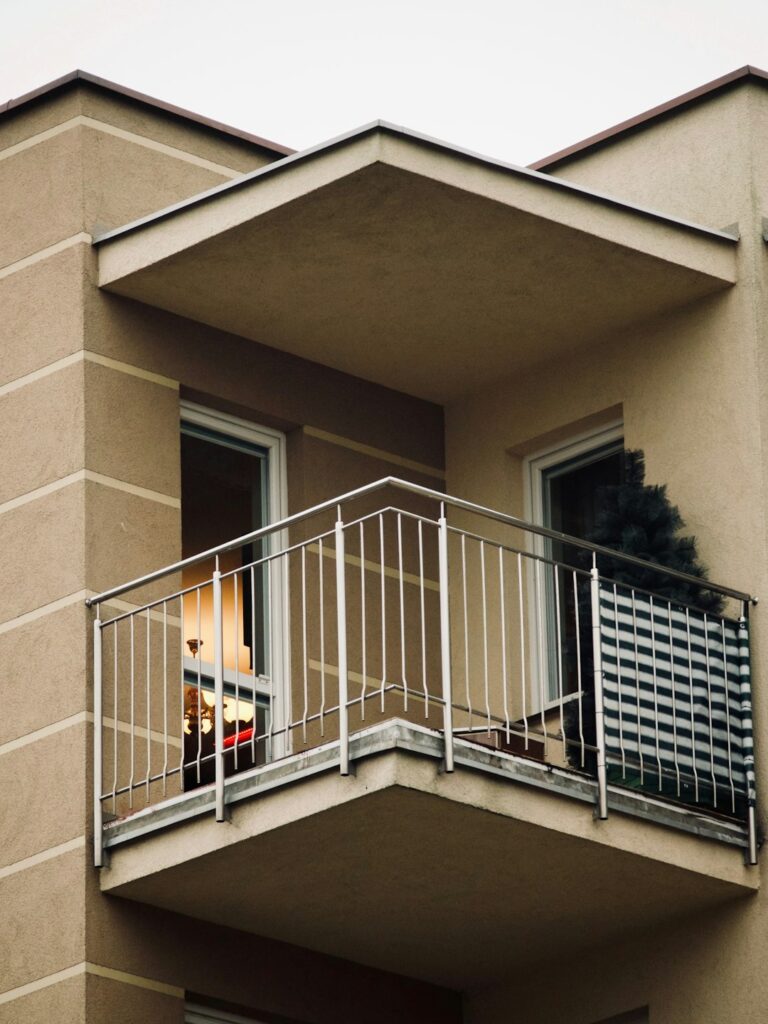 Selling for cash
California’s Balcony Inspection Law: What SB 721 and SB 326 Require Before You Sell
SB 721 and SB 326 require California balcony and deck inspections on rentals and condos, with deadlines already passed. What sellers should check.
Read the guide → Selling for cash
California’s AB 1482 Rent Cap: How the 5% Plus CPI Formula Actually Works
AB 1482's rent cap runs on a 5% plus regional CPI formula, capped at 10%, that resets every August 1. Here's how…
Read the guide →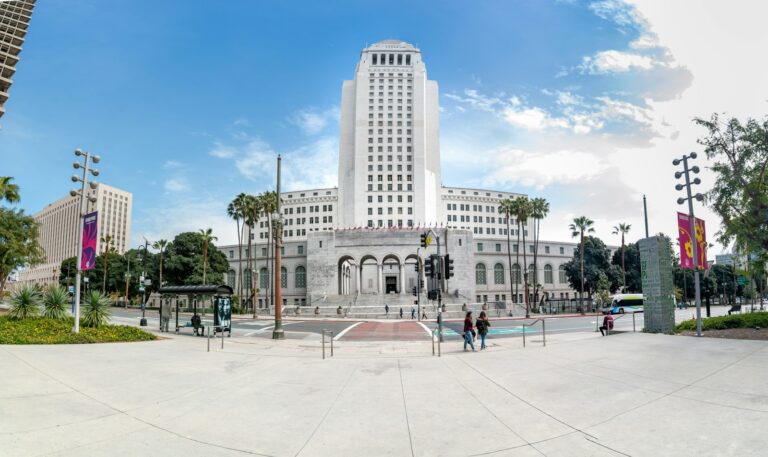 Selling for cash
How to Research Permit History on a Los Angeles Home With LADBS’s PRISM System
LADBS's PRISM system lets you check a home's LA permit history before listing. Here's how the lookup works, what statuses mean, and why lenders care.
Read the guide →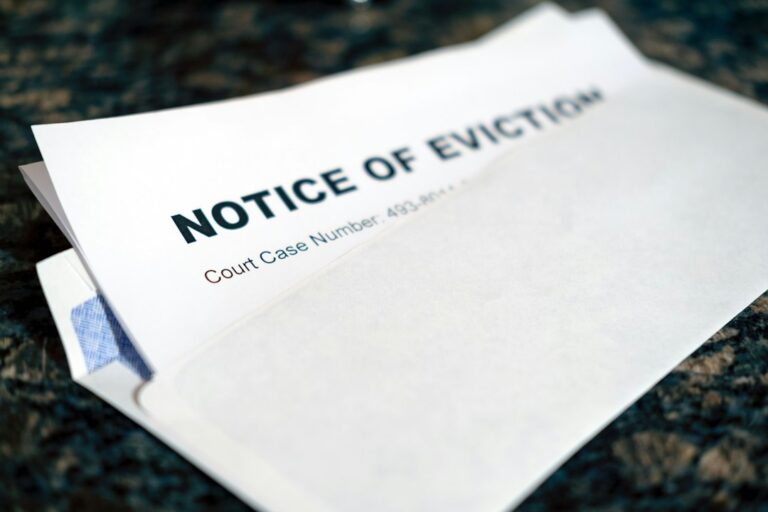 Rentals & tenants
California’s Just Cause Eviction Notice: What Civil Code 1946.2 Requires
Civil Code 1946.2 requires a stated reason to end most tenancies after 12 months, and one month's rent in relocation pay within 15 calendar days.
Read the guide → Selling for cash
Pico Rivera Mobilehome Rent Cap: What the Ordinance Limits
Pico Rivera caps mobilehome space rent increases at 3% or 75% of CPI, whichever is less — and the cap follows the…
Read the guide →