
Sell a Tenant-Occupied House in San Pasqual, CA
- Foreclosure, inherited, tenants, damage — we buy it
- Zero fees, zero commissions, zero closing costs
- No obligation — turn the offer down and owe us nothing


Sell With the Lease in Place
No vacancy wait, no eviction — we buy occupied San Pasqual rentals and keep the tenancy intact through closing.
With 45.1 percent of San Pasqual households renting, close to half of the housing stock in this small, unincorporated Los Angeles County community has a tenant in place at any given time. Cash Home Buyers CA buys occupied houses in San Pasqual without requiring you to end the tenancy first, which matters here more than in a typical single-family suburb given how much of the local housing stock is rented.
Which Tenant Protection Rules Apply
Because San Pasqual is unincorporated county land rather than part of the City of Pasadena or the City of Los Angeles, most rentals here fall under the Los Angeles County Rent Stabilization and Tenant Protections Ordinance rather than a city rent-control ordinance, alongside the statewide Tenant Protection Act (AB 1482), which caps rent increases and requires just cause for most terminations statewide.
Under both frameworks, an owner generally cannot end a tenancy simply because the property is being sold, and doing so requires a legally recognized just cause along with the applicable notice period.
Trying to clear a tenant before listing can take months and carries real legal exposure if it is done incorrectly — selling with the tenancy intact avoids that timeline altogether.
What a Tenant-Occupied Sale Looks Like
We review the lease terms, current rent, and the property’s condition, then present a written offer that accounts for the house being sold occupied. A retail buyer using financing often wants vacant possession, or is limited in how a lender will treat rental income on the appraisal. A cash purchase carries neither constraint, since there is no loan underwriting the sale.
Documents That Speed Up an Occupied Closing
- The current lease or rental agreement, including any amendments.
- Current rent and payment history, so we can confirm what transfers to the new owner.
- Security deposit records, since the deposit transfers to the new owner at closing.
- Any notices sent to the tenant, including rent increase notices, to confirm compliance with county and state rules.
If you do not have all of these on hand, that is common, and we can usually still move forward — we confirm what we can during escrow.
What Happens to the Tenant After Closing
The lease transfers with the property. The tenant’s rent, terms, and any rent-stabilization protections continue exactly as they were, and the new owner takes over as landlord, including any registration or reporting the county may require. Tenants do not need to move out, and you are not responsible for notifying them of anything beyond confirming the change in ownership once escrow closes.
Closing on an Occupied San Pasqual Property
After you accept our offer, we open escrow and order a preliminary title report, and we collect any needed estoppel confirmation from the tenant on lease terms.
Because San Pasqual sits in unincorporated county territory, there is no 9A Report or City of Los Angeles retrofit certification to obtain — permit history instead sits with the county’s Department of Regional Planning.
Occupied properties typically close in three to six weeks, which gives time to document the tenancy properly. Recording happens with the Los Angeles County Registrar-Recorder/County Clerk in Norwalk, and you choose the closing date.
What an Investor Buyer Looks for in an Occupied House
An investor evaluating an occupied San Pasqual property looks at the gap between current rent and market rent, the building’s condition, how long the tenancy has been in place, and whether the rent complies with applicable county or state limits.
Unlike an owner-occupant who wants to move in, an investor is often a better fit for a rented house precisely because the tenancy is not a problem to solve before closing — it is part of what they are buying.
Frequently Asked Questions
Do I need to evict my tenant before selling to you?
No. We buy with the tenancy in place and do not require vacant possession.
Can I legally sell a rented San Pasqual property with a tenant in it?
Yes. Selling the property does not by itself end the tenancy, and the new owner takes over as landlord under the existing lease terms.
What happens to the security deposit?
It transfers to the new owner at closing along with the responsibility to return it under the lease terms.
Will the tenant’s rent or lease change after the sale?
No. The lease and any applicable rent-stabilization protections continue exactly as they were before the sale.
How long does an occupied sale take to close?
Typically three to six weeks, to allow time to document the tenancy and confirm compliance with county and state rent rules during escrow.
If you own a house in San Pasqual and want a straight cash number, call or text 424-435-2326 or use the form above. We will review the property and send a written, no-obligation offer within 24 to 48 hours.
Seller Guides
Helpful guides for homeowners in San Pasqual
Plain-English answers to the questions sellers ask us most.
 Rentals & tenants
Emeryville’s Just Cause Eviction Ordinance: Relocation Pay Under Municipal Code 5-40
Emeryville's Municipal Code 5-40 requires just cause from day one and relocation pay scaled by landlord size, stricter than statewide AB 1482.
Read the guide →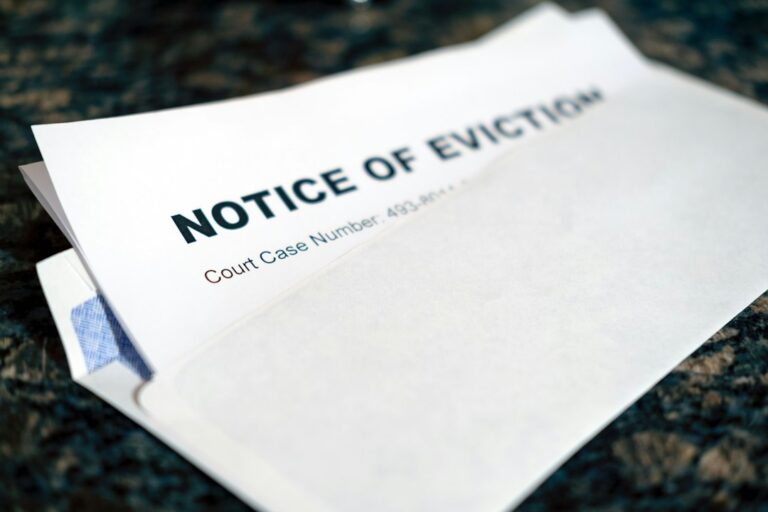 Rentals & tenants
California’s Just Cause Eviction Notice: What Civil Code 1946.2 Requires
Civil Code 1946.2 requires a stated reason to end most tenancies after 12 months, and one month's rent in relocation pay within 15 calendar days.
Read the guide → Rentals & tenants
California Condo Conversion: Tenant’s Right to Buy First
Gov. Code 66427.1 gives tenants a 90-day right to buy first and five required notices before a condo conversion in California. Here's how it works.
Read the guide → Rentals & tenants
Los Angeles SCEP Inspections and Fees: What a Landlord Selling a Rental Needs to Know
LA's SCEP program bills landlords per unit and can trigger REAP or a recorded notice. Here's what a landlord selling a rental needs to clear first.
Read the guide → Rentals & tenants
The 90-Day Notice California Tenants Get After a Foreclosure Sale
A foreclosed rental does not mean an instant eviction. California and federal law require a 90-day notice, and sometimes a full lease, to be honored first.
Read the guide → Rentals & tenants
California’s Owner Move-In Eviction Rules Explained
An owner move-in eviction in California only holds up if a qualifying relative moves in within 90 days and stays a year, per Civil Code 1946.2.
Read the guide → Rentals & tenants
Glendale Tenant Relocation Ordinance: What Sellers Should Know
Glendale's relocation-assistance and notice ordinance sits on top of AB 1482. Here's what sellers must confirm before ending a tenancy.
Read the guide → Rentals & tenants
Burbank Tenant Protection Ordinance: Notice and Relocation Pay Rules
Burbank's tenant protection ordinance sets its own relocation pay schedule and remodel notice rules beyond AB 1482. What sellers need to know.
Read the guide → Rentals & tenants
The July 31 Registration Deadline Culver City Landlords Can’t Miss Before Selling a Rental
Culver City requires annual rental registration by July 31, with penalties that follow into escrow. What the ordinance requires before you sell a rental.
Read the guide →