
Sell a House During Divorce in San Pasqual, CA
- Foreclosure, inherited, tenants, damage — we buy it
- Zero fees, zero commissions, zero closing costs
- No obligation — turn the offer down and owe us nothing


One Clean Closing Instead of a Drawn-Out Listing
Sell a shared San Pasqual property quickly and split proceeds cleanly, without a long listing dragging out the case.
A house is often the single largest asset a divorcing couple has to divide, and in San Pasqual — a small, high-income pocket of unincorporated Los Angeles County where houses can carry real equity relative to the area’s $138,542 median household income — that can make the property itself one of the harder pieces of a settlement to resolve.
Cash Home Buyers CA buys San Pasqual houses directly from divorcing couples, with one written offer and one closing date both parties agree to.
Community Property and the House
California is a community property state, which generally means a house purchased during the marriage is divided equally between spouses regardless of whose name is on title, absent a prenuptial or postnuptial agreement stating otherwise.
A house owned before the marriage, or one spouse’s separate inheritance, can retain separate-property status, though commingled funds or improvements made with community money during the marriage can complicate that.
Either way, resolving what happens to the property is usually a required step before a case can move toward finalization.
Why Selling Before the Case Closes Often Makes Sense
Many divorcing couples do not want to remain co-owners of a San Pasqual property after the case is finalized, whether because neither spouse can afford to buy the other out, neither wants to manage the property jointly going forward, or both simply want a clean financial break.
Selling and splitting the proceeds during the case, rather than after, avoids an awkward post-divorce co-ownership arrangement and gives both spouses a defined number to work with as the settlement comes together.
Why a Direct Sale Fits a Divorce Timeline
A traditional listing requires ongoing cooperation between both spouses — agreeing on a price, coordinating showings, and often continuing to share a physical space that is already emotionally difficult.
A direct cash sale removes most of that friction: one written offer, one closing date, and proceeds split according to whatever the settlement or court order specifies, without months of back-and-forth over listing decisions.
That matters as much for reducing conflict during an already difficult process as it does for speed.
What We Need Before Making an Offer
- Both spouses’ agreement to sell, or a court order or settlement provision authorizing the sale.
- Current mortgage balance and any liens, so proceeds can be calculated accurately.
- How proceeds should be split or handled, whether that is set by agreement, court order, or still being negotiated through escrow.
If the details are still being finalized between attorneys, that is fine — we can provide a preliminary offer while the settlement terms are worked out, and structure the closing paperwork around whatever the final agreement specifies.
Timing the Sale With the Case
A San Pasqual property with no tenants and clear agreement between both spouses can generally close in two to three weeks once escrow opens, which can happen before the divorce is finalized if both parties and, where required, the court agree to the sale.
Proceeds are then typically held in escrow or distributed according to the settlement terms rather than paid directly to one spouse, keeping the process transparent for both sides.
Working With Both Parties Fairly
We communicate with both spouses and their attorneys throughout the process rather than favoring one side, and we can coordinate through counsel if that is how the parties prefer to handle communication. The written offer, once accepted by both parties, does not change based on who initiated contact, which keeps the process fair regardless of which spouse first reached out.
Frequently Asked Questions
Do both spouses need to agree before you’ll buy the house?
Yes, or a court order authorizing the sale. We need clear authority from both parties, or the court, before we can open escrow.
How are the proceeds split?
That depends on your settlement agreement or court order. We follow whatever split the parties or the court have specified during escrow.
Can you close before the divorce is finalized?
Yes, if both spouses (and the court, where required) agree to sell during the case. Many couples prefer to resolve the property before finalizing everything else.
What if we disagree on selling but one of us wants out?
That typically needs to go through your attorneys or the court first. Once there is authority to sell, whether by agreement or order, we can move quickly.
Will you take sides or favor whichever spouse contacted you first?
No. We communicate with both parties and their attorneys and make one offer that applies regardless of who reached out initially.
If you own a house in San Pasqual and want a straight cash number, call or text 424-435-2326 or use the form above. We will review the property and send a written, no-obligation offer within 24 to 48 hours.
Seller Guides
Helpful guides for homeowners in San Pasqual
Plain-English answers to the questions sellers ask us most.
 Relocating
Fontana’s Warehouse Boom: What It Means If You’re Relocating
Fontana grew from a wartime steel town into an Inland Empire logistics hub. See what that shift means for home values and selling if you are relocating.
Read the guide → Inherited homes & probate
Partition Actions Between Heirs: How California Law Forces a House Sale
California heirs can force a house sale through a partition action under CCP 872-874, with court referees, confirmation hearings, and buyout rights.
Read the guide → Divorce
Divorcing in North Long Beach? Who Gets the House, and What Taxes Follow
Divorcing in North Long Beach, CA? Learn how buyouts, Duke orders, Watts/Epstein credits, and capital gains tax rules affect splitting your house.
Read the guide → Divorce
Why a West Covina Divorce Sale Doesn’t Always Trigger a Tax Reassessment
A West Covina divorce buyout usually keeps the home's Prop 13 tax basis, but selling to a cash buyer does not. See how that affects your decision.
Read the guide → Divorce
Who Gets Credit for the Down Payment on an Agua Dulce Ranch in a Divorce
Learn how California Family Code Section 2640 reimburses a separate-property down payment on an Agua Dulce horse property when a marriage ends in divorce.
Read the guide →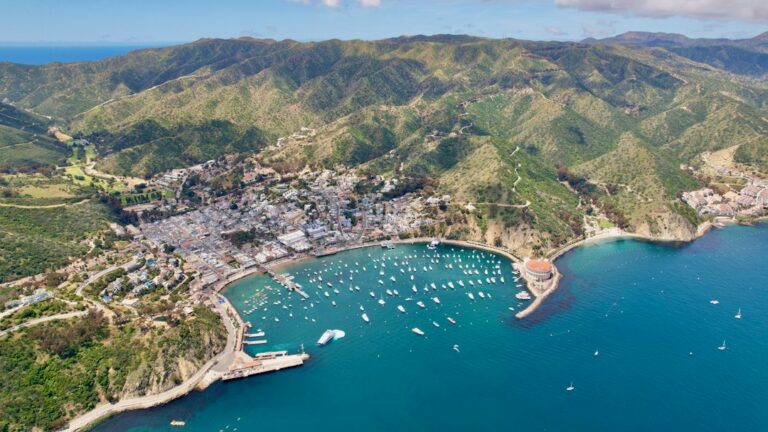 Divorce
Dividing a House in an Avalon, CA Catalina Divorce
Dividing an Avalon, CA home in divorce? See how California community property law, rental license limits, and island appraisals affect your split.
Read the guide → Divorce
Separate Property Reimbursement in a Monrovia Divorce
How Family Code 2640 and the Moore/Marsden formula decide what a spouse gets back before a Monrovia, CA home sells or one spouse buys the other out.
Read the guide → Divorce
How Community Property Division Works for a Whittier Home Sale
See how California law splits community versus separate property for a Whittier house sale during divorce, and what each spouse can claim back.
Read the guide → Divorce
How Community Property Division Plays Out for a Duarte, CA Home
How California's community property law divides a Duarte home in divorce, including Family Code 2640 reimbursement, Watts charges, and Epstein credits.
Read the guide →