
Sell a Tenant-Occupied House in University Park, Los Angeles
- Foreclosure, inherited, tenants, damage — we buy it
- Zero fees, zero commissions, zero closing costs
- No obligation — turn the offer down and owe us nothing


No Notices, No Vacancy, No Relocation Checks
We buy University Park rentals with tenants living in them, and we honor the tenancy exactly as it stands.
No situation page matters more for University Park than this one, because renting is not the exception here — it’s the overwhelming norm.
As of the 2000 census, 92.2 percent of housing units in University Park were renter-occupied, against just 7.8 percent owner-occupied, on a population density above 20,000 residents per square mile, among the highest in the city.
A large share of that rental stock predates the city’s October 1, 1978 cutoff for Rent Stabilization Ordinance coverage, which means most University Park landlords are dealing with RSO tenancies, not simple month-to-month leases.
Cash Home Buyers CA purchases occupied houses, converted rooming houses and small apartment buildings throughout University Park without disturbing a single tenancy.
Room-by-Room Student Rentals
University Park’s proximity to USC means a meaningful share of its rental houses are leased room-by-room to students rather than to a single family under one lease.
That arrangement complicates a sale to a financed buyer, who typically wants a clean rent roll and a lender who is comfortable underwriting an income property with several individual tenancies inside one structure.
We buy those houses as they are, with whatever mix of leases is currently in place, and step into the landlord role at closing.
What the RSO Means for a Sale
- The sale itself changes nothing for tenants. A change of ownership is not a lease termination. Whoever buys the property, including us, takes it subject to the existing leases and rent-registration status.
- No-fault evictions require relocation payments. Ending a tenancy for owner move-in or another no-fault reason under the RSO triggers relocation fees that scale with the tenant’s income and length of tenancy, and the process can take months. Selling with the tenancy intact avoids that cost and delay entirely.
- Rent registration must be current. RSO buildings are required to register annually with the Los Angeles Housing Department; we confirm registration status during escrow rather than requiring you to sort it out beforehand.
- Financed buyers underwrite conservatively. A lender evaluating a below-market RSO property often values it closer to its current rent roll than its potential market rent, which is a large part of why occupied University Park properties move slower to retail buyers than to cash buyers who value them the same way we do.
Historic Houses, Tenants and HPOZ Together
A meaningful share of University Park’s rented Victorians and Craftsman houses sit inside the North University Park Historic District, the Menlo Avenue-West Twenty-ninth Street Historic District, or the broader University Park HPOZ.
That adds a layer most other rental sales don’t have: any exterior modification made to accommodate tenants — an added entrance, a partition, a fire-escape stairway — may need a Certificate of Appropriateness on file, and its absence is something a buyer needs to know about, not a reason the sale can’t happen.
How We Buy an Occupied Property
We ask for the rent roll, current leases and RSO registration status early, and build our offer around the actual rents and tenancy terms rather than a hypothetical vacant value. At closing, we assume the existing leases, take assignment of security deposits through escrow, and register as the new owner with the city. Your tenants receive nothing more disruptive than a notice of new ownership and updated payment instructions.
Small Apartment Buildings and Multi-Unit Rentals
University Park’s rental stock isn’t limited to single-family houses split into rooms.
A meaningful share of the neighborhood is small apartment buildings built between the 1920s and the 1960s specifically to house students and staff near campus, and those buildings often carry a mix of tenancies at different rent levels depending on how long each tenant has been there.
We buy those buildings the same way we buy occupied houses: rent roll and leases first, offer built around the actual income, and every existing tenancy honored at closing.
Related Situations
An occupied property is frequently also an inherited house the new owner doesn’t want to actively manage, or a property being sold as-is alongside its tenancy because repairs were never made during years of rental use. For the RSO and AB 1482 rules as they apply citywide, see our page on selling a house with tenants in Los Angeles.
Frequently Asked Questions
Do I have to tell my tenants I’m selling?
California law does not require advance notice of a sale itself, only reasonable notice before showings, which we generally don’t need since we don’t require open houses or multiple walkthroughs.
Will my tenants’ rent go up after you buy the property?
We take the property subject to existing leases and the applicable rent caps under the RSO, so registered rents carry forward under the same rules that applied before the sale.
Can I sell a house rented room-by-room to students?
Yes. We buy those properties with whatever individual tenancies are currently in place, without requiring you to consolidate or end any of them first.
What if one unit is vacant and the rest are occupied?
That’s common and doesn’t complicate the sale. We factor the vacant unit’s market rent and the occupied units’ current rents into one offer for the whole property.
Is my property even covered by the RSO?
Generally, if the certificate of occupancy predates October 1, 1978, it is. We confirm the exact status through the Los Angeles Housing Department’s records during escrow.
To sell an occupied house or rental building in University Park without disturbing a single tenant, call or text 424-435-2326.
Seller Guides
Helpful guides for homeowners in University Park
Plain-English answers to the questions sellers ask us most.
 Rentals & tenants
Emeryville’s Just Cause Eviction Ordinance: Relocation Pay Under Municipal Code 5-40
Emeryville's Municipal Code 5-40 requires just cause from day one and relocation pay scaled by landlord size, stricter than statewide AB 1482.
Read the guide →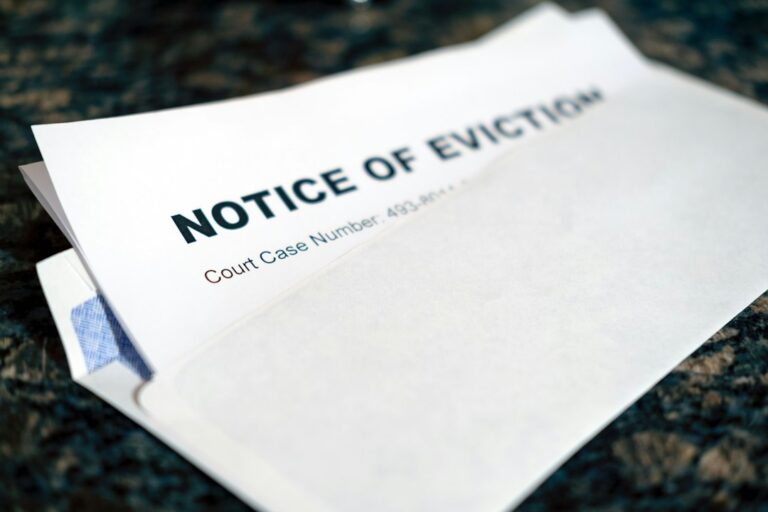 Rentals & tenants
California’s Just Cause Eviction Notice: What Civil Code 1946.2 Requires
Civil Code 1946.2 requires a stated reason to end most tenancies after 12 months, and one month's rent in relocation pay within 15 calendar days.
Read the guide → Rentals & tenants
California Condo Conversion: Tenant’s Right to Buy First
Gov. Code 66427.1 gives tenants a 90-day right to buy first and five required notices before a condo conversion in California. Here's how it works.
Read the guide → Rentals & tenants
Los Angeles SCEP Inspections and Fees: What a Landlord Selling a Rental Needs to Know
LA's SCEP program bills landlords per unit and can trigger REAP or a recorded notice. Here's what a landlord selling a rental needs to clear first.
Read the guide → Rentals & tenants
The 90-Day Notice California Tenants Get After a Foreclosure Sale
A foreclosed rental does not mean an instant eviction. California and federal law require a 90-day notice, and sometimes a full lease, to be honored first.
Read the guide → Rentals & tenants
California’s Owner Move-In Eviction Rules Explained
An owner move-in eviction in California only holds up if a qualifying relative moves in within 90 days and stays a year, per Civil Code 1946.2.
Read the guide → Rentals & tenants
Glendale Tenant Relocation Ordinance: What Sellers Should Know
Glendale's relocation-assistance and notice ordinance sits on top of AB 1482. Here's what sellers must confirm before ending a tenancy.
Read the guide → Rentals & tenants
Burbank Tenant Protection Ordinance: Notice and Relocation Pay Rules
Burbank's tenant protection ordinance sets its own relocation pay schedule and remodel notice rules beyond AB 1482. What sellers need to know.
Read the guide → Rentals & tenants
The July 31 Registration Deadline Culver City Landlords Can’t Miss Before Selling a Rental
Culver City requires annual rental registration by July 31, with penalties that follow into escrow. What the ordinance requires before you sell a rental.
Read the guide →