
How Our Studio City Cash-Offer Process Works
- Foreclosure, inherited, tenants, damage — we buy it
- Zero fees, zero commissions, zero closing costs
- No obligation — turn the offer down and owe us nothing


Comps, Escrow, Signing and Recording
A clear, step-by-step look at how a direct cash sale actually closes in Studio City, from first call to a recorded deed.
Selling a house directly is a genuine real estate transaction, not a shortcut around one — it just removes the steps that exist to satisfy a lender, not the ones that transfer legal title. Here is exactly how our process works for a Studio City property, from first contact to a recorded deed.
Step 1: Tell us about the property
Call, text or fill out the form on this page with the property address and a few basic details — size, condition, whether it’s occupied, and any known issues like deferred maintenance, hillside access, or open permits. There’s no cost and no obligation to this step; it’s simply how we start putting together an accurate offer.
Step 2: We review comps and condition
We pull recent comparable sales specific to your pocket of Studio City — the flats near Ventura Boulevard, a hillside street off Fryman Canyon, or a condo along the Ventura corridor all price differently — and weigh them against your property’s condition, lot, slope (if applicable), occupancy, and any permit history.
Redfin’s data shows a Studio City median sale price of $1.94 million over the three months ending in July 2026, up 38.2 percent year over year, and we use current, local comps rather than outdated citywide averages to build an accurate number.
Step 3: We send a written offer
You’ll typically have a written cash offer in hand within 24 to 48 hours of our initial conversation. The offer spells out the purchase price, proposed closing timeline, and any conditions, in plain language. You are free to accept, negotiate, ask questions, or decline with no cost or pressure either way.
Step 4: We open escrow
Once you accept, we open escrow with a licensed Los Angeles County title and escrow company, the same neutral third party used in any agent-represented sale. Escrow orders a preliminary title report, confirms there are no unexpected liens or ownership issues, and begins preparing the closing documents.
Step 5: We handle City of Los Angeles requirements
Because Studio City is within the City of Los Angeles, a sale here requires a Los Angeles Department of Building and Safety Report of Residential Property Records (the “9A report”) before closing, along with any smoke and carbon monoxide detector compliance documentation.
On higher-value hillside sales, Measure ULA may apply — a 4 percent city tax on the portion of a sale price above roughly $5.4 million, rising to 5.5 percent above roughly $10.9 million, with both thresholds adjusted annually.
We coordinate all of this directly with the title company so you are not left tracking down paperwork yourself.
Step 6: Signing
You’ll sign closing documents through escrow, either in person or remotely with a mobile or online notary if you’ve already relocated. If the property is in a trust, the successor trustee signs; if it’s part of a probate estate, we coordinate around the estate representative’s legal authority and any required court confirmation.
Step 7: Recording and funding
Once documents are signed and funds are in place, the deed records with the Los Angeles County Registrar-Recorder/County Clerk in Norwalk, and escrow disburses your proceeds — after paying off any existing mortgage, liens, the county’s $1.10-per-$1,000 and the city’s $4.50-per-$1,000 documentary transfer tax, and any prorated property tax.
For a house with clear title, this typically happens 7 to 14 days after you accept our offer. Properties with trust, probate or tenancy considerations sometimes take a few weeks longer, and we’ll walk you through the specific timeline for your situation.
What we pay for, and what you don’t
There is no agent commission, which at Studio City’s current median would otherwise run roughly $97,000 to $116,000 at a typical 5 to 6 percent rate. There is no fee for staging, repairs, professional photography, or the marketing period a traditional listing requires.
You remain responsible, as any seller would be, for the county and city documentary transfer tax and any outstanding property tax or liens, all of which are settled directly out of the sale proceeds through escrow rather than requiring a separate payment from you.
What makes a Studio City closing take longer
- Hillside title or access questions. Older hillside parcels sometimes carry easement or access issues from decades-old subdivisions that the title company needs to clear.
- Probate confirmation. A probate sale requiring full court administration needs a confirmation hearing at the Stanley Mosk Courthouse, which adds time beyond a standard closing.
- Tenant notification. A tenant-occupied sale requires proper notice and security deposit transfer, handled through escrow but requiring a bit more coordination.
- Open permits. We don’t require permits to be resolved before closing, but documenting the situation for title and disclosure purposes can add a few days.
Why we use local comps, not citywide averages
Studio City spans a wide range of property types across a small footprint — mid-century single-story homes on the flats north of Ventura Boulevard, hillside houses climbing toward Mulholland Drive with slope and access considerations, condos and townhomes along the Ventura corridor, and small multi-unit buildings scattered throughout.
A citywide Los Angeles average tells you almost nothing useful about what a specific Studio City property is worth.
That is why we start every offer with sales from your immediate pocket of the neighborhood, adjusted for your property’s specific condition, lot and situation, rather than applying a generic formula.
Cash-offer process FAQ
Is there any cost to get an offer?
No. Requesting an offer is free and comes with no obligation to sell.
Do you use a real title and escrow company?
Yes. We close through a licensed Los Angeles County title and escrow company, which handles your funds and the deed transfer as a neutral third party, exactly as in any agent-represented sale.
What paperwork do I need to provide?
Typically just proof of ownership and, if applicable, trust or probate documentation. We’ll tell you specifically what’s needed once we know your situation.
Can I back out after accepting an offer?
The purchase agreement outlines the terms both parties agree to, similar to any real estate contract. We’ll walk through those terms clearly before you sign so there are no surprises.
How is this different from listing with an agent?
There’s no showings, no marketing period, no buyer financing contingency, and no commission. You get one direct offer instead of waiting for the market to produce one.
What happens with the 9A report and Measure ULA paperwork?
We order and coordinate the LADBS 9A report as part of escrow, and handle Measure ULA documentation on higher-value sales directly with the title company, so you are not tracking down city paperwork on your own.
Ready to start? Call or text (424) 435-2326 or use the form above to get your written cash offer on a Studio City property.
Studio City is part of the City of Los Angeles. For the citywide picture, see our guide to how our Los Angeles cash offer process works.
Seller Guides
Helpful guides for homeowners in Studio City
Plain-English answers to the questions sellers ask us most.
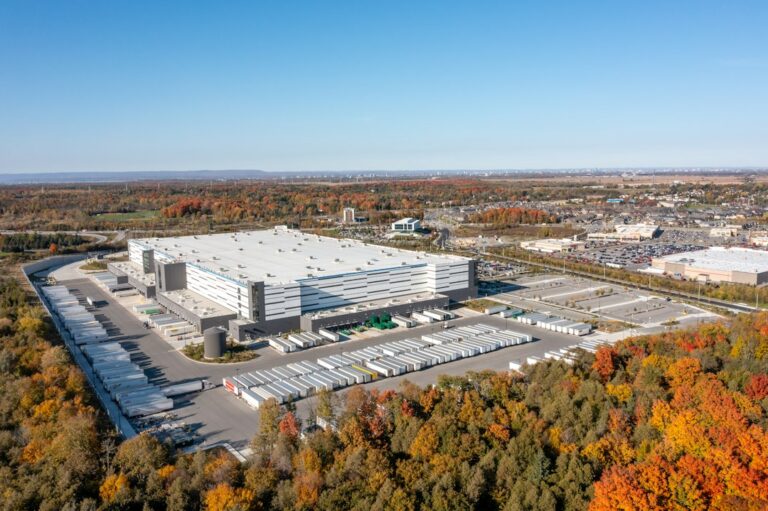 Relocating
Fontana’s Warehouse Boom: What It Means If You’re Relocating
Fontana grew from a wartime steel town into an Inland Empire logistics hub. See what that shift means for home values and selling if you are relocating.
Read the guide →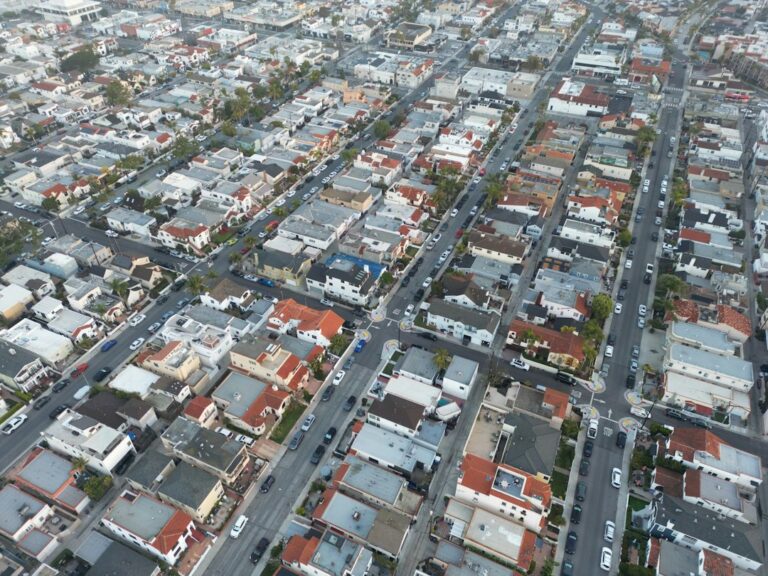 Selling for cash
The Transfer Tax Every Los Angeles Seller Pays, With or Without Measure ULA
Los Angeles charges its own $4.50-per-$1,000 tax on top of the county rate, before Measure ULA applies. See the exact combined math at closing.
Read the guide → Rentals & tenants
How Much Must Long Beach Landlords Pay Tenants Under the Relocation Ordinance?
Long Beach landlords: see the LBMC 8.99 relocation payments, notice periods, and city filing step required before a no-fault tenant termination.
Read the guide → Selling for cash
What Inglewood’s Housing Protection Ordinance Requires Before You Sell a Rental
Inglewood's Housing Protection Ordinance covers more rentals than expected, with rent caps, just-cause rules, and relocation tiers that transfer at sale.
Read the guide → Selling for cash
The Five-Year Countdown Before Los Angeles County Auctions a Tax-Defaulted Home
LA County auctions tax-defaulted homes after five years unpaid. See the redemption deadline, installment options, and how to claim excess proceeds.
Read the guide → Selling for cash
What Beverly Hills’ Rent Stabilization Ordinance Requires Before You Sell
Beverly Hills runs its own BHMC Chapter 5 and 6 rent rules: caps, BHRent registration, just-cause grounds and relocation fees sellers must clear first.
Read the guide → Selling as-is
What Rancho Palos Verdes’ Landslide Zones Mean for a Natural Hazard Disclosure
Rancho Palos Verdes sellers must check a landslide-zone box on the state Natural Hazard Disclosure Statement, separate from the earthquake fault question.
Read the guide → Selling for cash
West Hollywood’s Rent Stabilization Ordinance: What a Seller With Tenants Must Clear First
West Hollywood's rent stabilization law sets strict just-cause rules and relocation fees before you can sell a tenant-occupied rental unit here.
Read the guide → Inherited homes & probate
Partition Actions Between Heirs: How California Law Forces a House Sale
California heirs can force a house sale through a partition action under CCP 872-874, with court referees, confirmation hearings, and buyout rights.
Read the guide →