
Sell a House As-Is in Studio City, CA
- Foreclosure, inherited, tenants, damage — we buy it
- Zero fees, zero commissions, zero closing costs
- No obligation — turn the offer down and owe us nothing


No Repairs, No Inspection Negotiation
See what selling as-is actually changes for a Studio City property, and what it does not.
Selling a house “as-is” in Studio City means the buyer takes the property in its current condition, with no requirement that you make repairs, upgrades or even a deep clean first. Cash Home Buyers CA buys Studio City houses as-is directly, and this page explains what that actually changes, and what it does not.
What “as-is” really changes
An as-is sale does not remove your legal disclosure obligations under California law — you still have to disclose known material facts about the property using the standard Transfer Disclosure Statement, whether you sell to us or to a retail buyer.
What changes is the negotiation that normally follows a home inspection.
In a traditional Studio City sale, a buyer’s inspector finds something — old knob-and-tube wiring, a cracked sewer lateral, hillside drainage issues, an aging roof — and the buyer comes back asking for a credit or repairs, often adding one to two weeks and real dollars to the deal.
When you sell to us as-is, there is no repair negotiation. We build the property’s condition into the offer up front and buy it exactly as it sits.
What an as-is sale does not require
- No repairs, painting or deferred maintenance to address before we make an offer
- No staging, professional photography or repeated showings
- No requirement to clear out belongings, furniture or years of accumulated items — leave what you don’t want
- No financing contingency or lender-ordered appraisal to negotiate around
- No obligation to bring permits current before closing
Studio City’s housing stock, and why age matters
Studio City, zip code 91604, sits in the San Fernando Valley along Ventura Boulevard between Cahuenga Pass and Laurel Canyon, and its housing dates back to a 1927 movie studio built on what was then called Laurelwood — the lot that later became CBS Studio Center and is now Radford Studio Center.
A lot of the neighborhood’s charm comes from that age: mid-century single-story homes on the flats, older hillside houses climbing toward Mulholland Drive, and a scattering of multi-unit buildings old enough to fall under the City of Los Angeles Rent Stabilization Ordinance.
Age is also exactly what makes a house harder to sell through a traditional financed escrow — original electrical panels, cast-iron sewer laterals, and additions built before current hillside grading rules were common in homes built well before 2000, and a lender’s appraiser and inspector are trained to flag every one of them.
The kinds of Studio City properties that fit best
As-is sales tend to work best for houses that would need real money spent before a listing photo gets taken: a hillside home with an original 1960s kitchen and bath, a rental that has been tenant-occupied for years with deferred maintenance, a house with an unpermitted garage conversion or addition, or a property inherited with systems that were never updated.
Redfin’s data puts Studio City’s median sale price at $1.94 million over the three months ending in July 2026, up 38.2 percent year over year — a strong market for turnkey homes, but the properties furthest from turnkey are exactly where a financed buyer’s inspector and appraiser create the most friction, and where an as-is cash sale removes the most risk.
Hillside condition and permit history
A meaningful share of Studio City’s housing sits in the hills above Ventura Boulevard, subject to the City of Los Angeles Baseline Hillside Ordinance, which governs floor area, grading and height on sloped lots.
Additions or pool structures built without final sign-off from the Department of Building and Safety can stall a financed sale for weeks while a lender waits on documentation.
We do not require that permit history be resolved before we buy — we account for it directly in the offer, and you are not responsible for legalizing anything before closing.
What determines your as-is offer
We look at recent comparable sales in your specific pocket of Studio City, the home’s size and lot, its current condition and needed repairs, slope and access if it’s a hillside property, occupancy, and your desired closing timeline. We do not deduct for cosmetic issues you have not fixed — those are already priced into how we compare the property to similar as-is sales.
Selling as-is versus listing as-is
You can technically list a house as-is with an agent, but that does not stop a buyer’s inspector from finding issues, or a lender from requiring repairs before funding a loan on them.
An as-is listing still typically goes through the standard 17-day contingency period and several more weeks of underwriting, and financed buyers frequently ask for credits anyway once the inspection report comes back.
Selling directly to us skips that negotiation entirely, along with the agent commission (roughly 5 to 6 percent on a Studio City sale) and the weeks of carrying costs while the listing sits on the market.
How an as-is offer gets built
Call or text us, or fill out the form on this page, and tell us about the property. We’ll ask about size, condition, layout, occupancy and any known issues, then follow up with a walkthrough or photos.
From there we pull recent comparable sales close to your property, adjust for condition and any repairs a typical buyer would need to make, and send a written offer, usually within 24 to 48 hours.
If you accept, we open escrow with a Los Angeles title company, coordinate the LADBS 9A report on your behalf, and close on a date you choose, typically 7 to 14 days out.
Running the numbers
Say a Studio City house needs roughly $80,000 in repairs, updates and cosmetic work to compete for Redfin’s $1.94 million median.
Add a 5 to 6 percent agent commission on the eventual sale price (roughly $97,000 to $116,000), a couple of months of carrying costs while the repairs happen and the listing sits, and the combined county and city documentary transfer tax of about $5.60 per $1,000.
By the time you net all of that out, an as-is cash sale is frequently closer to a retail listing’s net proceeds than sellers initially assume, without the up-front cash outlay, the contractor scheduling, or the multi-month timeline.
As-is seller FAQ
Do I need to disclose problems even in an as-is sale?
Yes. California’s disclosure requirements apply regardless of how the sale is structured. We handle that disclosure process with you directly and it does not slow down closing.
Will you buy a house with an unpermitted addition or ADU?
Yes. We factor unpermitted square footage into the offer rather than requiring you to legalize or remove it first.
Can I leave furniture and belongings behind?
Yes. You are welcome to leave anything you do not want to move, including furniture, appliances and items in the garage or yard.
What if the house has major foundation or hillside issues?
We still want to hear from you. Structural and slope issues are exactly the kind of problem that makes a financed sale difficult, and they are factored directly into our offer.
Does an as-is sale still go through escrow?
Yes. We close through a licensed Los Angeles title and escrow company just like any other real estate transaction, so the transfer is handled by a neutral third party.
Do you require a home inspection before making an offer?
We may do a walkthrough or ask for photos to confirm condition, but there is no formal buyer’s inspection contingency, repair negotiation, or credit request the way there would be in a financed sale.
Ready for a no-obligation, as-is cash offer on your Studio City property? Call or text (424) 435-2326 or use the form above.
Studio City is part of the City of Los Angeles. For the citywide picture, see our guide to selling a house as-is in Los Angeles.
Seller Guides
Helpful guides for homeowners in Studio City
Plain-English answers to the questions sellers ask us most.
 Relocating
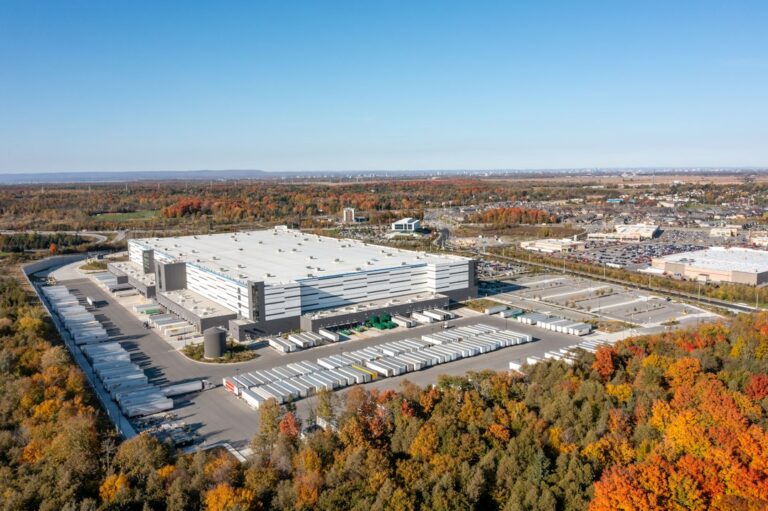
Fontana’s Warehouse Boom: What It Means If You’re Relocating
Fontana grew from a wartime steel town into an Inland Empire logistics hub. See what that shift means for home values and selling if you are relocating.
Read the guide →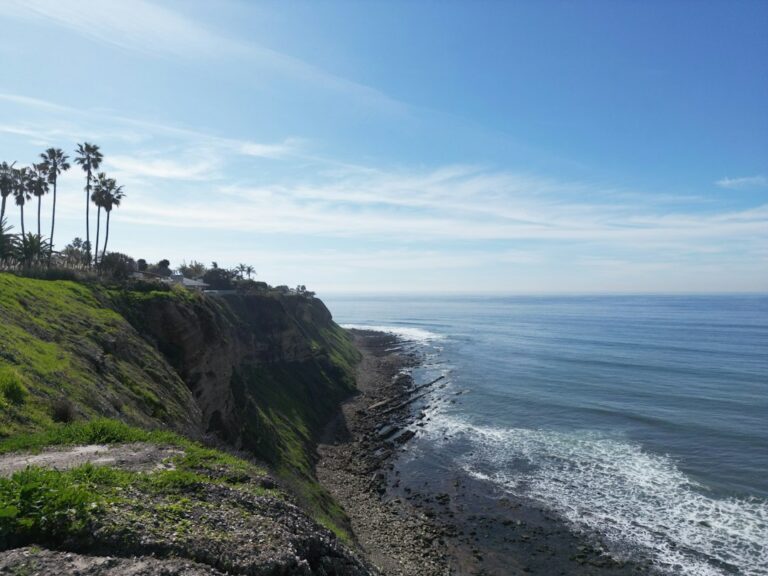 Selling as-is
What Rancho Palos Verdes’ Landslide Zones Mean for a Natural Hazard Disclosure
Rancho Palos Verdes sellers must check a landslide-zone box on the state Natural Hazard Disclosure Statement, separate from the earthquake fault question.
Read the guide →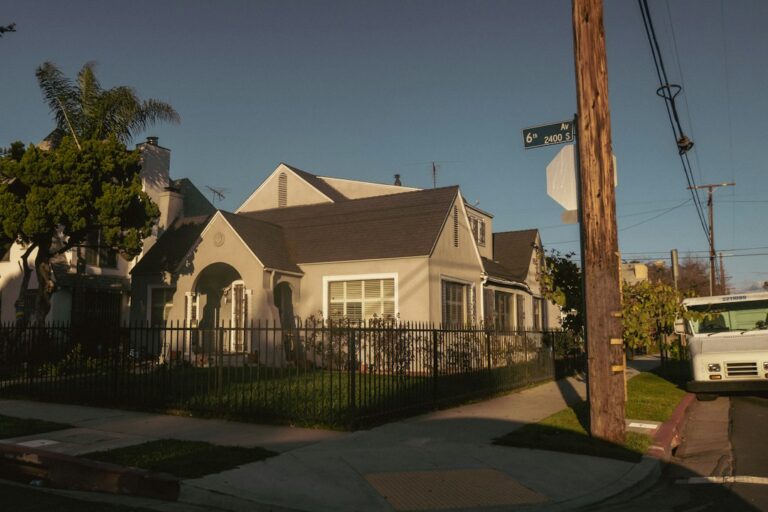 Selling as-is
Highland Park HPOZ Disclosure Rules Explained
Highland Park's historic overlay (HPOZ) governs renovations, but California's TDS and NHD disclosure rules still apply in full, even on an as-is sale.
Read the guide →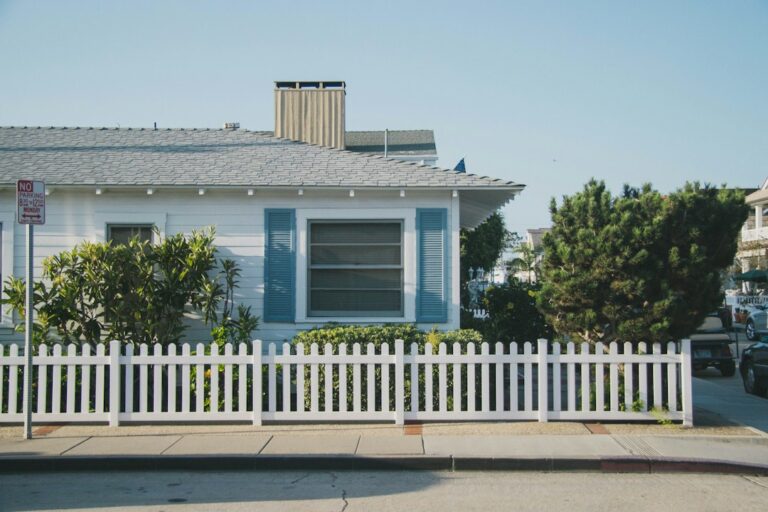 Selling as-is
As-Is Disclosure Rules for an Older Pasadena, CA Home
Selling as-is in Pasadena doesn't skip California's disclosure law. See what Civil Code requires for the city's century-old Craftsman homes.
Read the guide → Selling as-is
The Anaverde HOA Disclosure Packet an As-Is Sale Still Requires
The Anaverde HOA disclosure packet under Civil Code 4525, plus the TDS and NHD duties an as-is sale in Anaverde, CA never removes, and why it adds time.
Read the guide → Selling as-is
Beverly Hills, CA As-Is Sales: What You Still Disclose
Selling as-is in Beverly Hills, CA doesn't waive disclosure law. See what sellers must still tell buyers under California's TDS and NHD rules.
Read the guide → Selling as-is
Why “As-Is” Doesn’t Simplify Disclosure for a Winnetka, CA Seller
Civil Code 1102 still requires full disclosure on an as-is Winnetka sale -- here's what the TDS, NHD, and lead-paint rules actually require.
Read the guide → Selling as-is
What California’s As-Is Disclosure Law Still Requires in Gardena
Selling as-is in Gardena does not skip California disclosure law. See what sellers must still disclose, plus local zoning and jurisdiction quirks.
Read the guide → Selling as-is
Why Culver City’s As-Is Disclosure Rules Aren’t Los Angeles’s
As-is doesn't skip California disclosure law. Learn why Culver City permit and code records come from its own city hall, not LA, before you sell as-is.
Read the guide →