
We Buy Houses in La Habra Heights, CA
- Foreclosure, inherited, tenants, damage — we buy it
- Zero fees, zero commissions, zero repairs
- No obligation — turn the offer down and owe us nothing


Fast, Fair, and Reliable Offers
Sell your house fast with our cash home buying service. No fees, no hassles, just a straightforward sale. Get your offer now.
Selling in La Habra Heights? Here is the quick answer
We can buy your La Habra Heights property as-is, with no repairs, staging or repeated showings. After reviewing the property, we can typically provide a written cash offer within 24 to 48 hours. On a direct purchase from us, there is no agent commission charged by us, and the closing date can be structured around your timeline. Requesting an offer does not obligate you to sell.
Best fit: inherited homes, tenant-occupied rentals, vacant properties, homes needing major repairs, code issues, foreclosure timelines, or sellers who value certainty and speed. A traditional listing may still produce a higher price for a retail-ready home, so compare net proceeds, repairs, timing and transaction risk before choosing.
How to compare your options: Start with what you would realistically net after repairs, preparation, possible seller credits, agent compensation, carrying costs and the time required for a financed buyer to close. Then compare that with a direct cash offer that does not depend on appraisal or loan approval.
Want a number first? Call or text (424) 435-2326 or use the cash-offer form above.
For La Habra Heights homeowners, the practical question is often not only the headline sale price but what remains after preparation, repairs, carrying costs and the uncertainty of inspections, appraisal and financing. A direct cash sale removes several of those variables and can be useful when condition, tenants, estate matters or timing make a conventional listing less convenient.
La Habra Heights is a city of about 2,000 homes on one-acre-minimum lots in the Puente Hills, with no sidewalks, mostly uncurbed roads, its own small fire department, and a median lot of nearly an acre.
It is the birthplace of the Hass avocado, and many properties still carry a grove, a barn or a horse corral.
Ninety percent of households own their homes and the median year built is 1962, which means a large share of the city is 60-year-old ranch houses on sloped acreage, held by longtime owners, in a hillside fire environment where insurance has become one of the hardest parts of any sale.
When those houses come to market they take months, because the buyer pool for a dated estate that needs a new roof, a slope repair and a septic inspection is very small.
Cash Home Buyers CA, headquartered in Woodland Hills, buys across Los Angeles County, La Habra Heights acreage included. We do not need a lender’s appraisal, an insurer’s approval or a finished house. We deliver an offer in writing within 48 hours of the walkthrough, take the property in its current condition, and close on a date you set, without a commission or a single showing.
The La Habra Heights market in 2026: high values, long waits
Zillow’s home value index for La Habra Heights stood at about $1.38 million at the end of August 2026, up 2.8 percent over the year.
A listing-portal guide to the city in September 2026 puts the median sale price near $1.48 million at roughly $519 per square foot of living space, with sales ranging from about $880,000 to $3.7 million, an average single-family house of about 2,950 square feet on a median lot of 43,000 square feet, and a typical 76 days on market.
Niche’s compiled census data shows a median owner-occupied value of about $1.2 million with 91 percent of households owning.
Because the city shares the 90631 zip code with La Habra in Orange County, zip-level reports blend the two; Redfin’s June 2026 figure for 90631 was a median of about $907,000 in 39 days, which reflects the much larger La Habra tract-home market more than the Heights.
For a seller, the practical picture is a small, slow, expensive market. Two and a half months on market is typical for a good house, and a house that needs work or has an insurance problem can sit far longer, with price reductions along the way.
Buyers who can afford a seven-figure acreage property and will take on a renovation, an insurance search and a septic system are rare. That is the gap a cash buyer fills.
Fire zones, septic, acreage rules and taxes in La Habra Heights
- Fire hazard: the entire city is a Very High Fire Hazard Severity Zone. The city’s own fire code, Chapter 4.4 of the municipal code, states that the council has designated every parcel within the city limits as being in a Very High zone, and it is enforced by the La Habra Heights Fire Department, a municipal department of full-time, part-time and volunteer firefighters established under Chapter 2.9 of the code, not by Los Angeles County Fire. Every sale therefore requires the Very High zone disclosure, brush clearance and defensible-space compliance, and increasingly comes with an insurance non-renewal or a FAIR Plan quote.
- Septic: the city’s 2014 watershed management plan counted about 112 properties, 6 percent of the parcels in the city, with access to a municipal sewer; every other home is on a septic system. A financed buyer’s lender will often require a septic inspection and certification; we do not.
- Lot size and zoning: the one-acre minimum, in place since residents adopted RA-1 zoning in 1949, is the city’s defining rule. It keeps density low and makes lot splits far more complicated than in neighboring cities, which limits what a developer will pay for land here.
- Transfer tax: the city imposes none. The county recorder charges $1.10 per $1,000 on the deed, about $1,620 on a $1.48 million sale, and sellers in the Heights pay it by custom.
- Rent control and point-of-sale: none. The city has no rent stabilization or just-cause ordinance and only about one in ten households rents; there is no resale inspection or retrofit certificate.
- Coastal, Mello-Roos, HOA: far inland, no Mello-Roos that we have encountered, and no master HOA; a few private road associations exist on shared driveways and easements.
Hacienda Road, Powder Canyon and the properties we buy in the Heights
La Habra Heights incorporated in 1978 specifically to protect its rural layout, and residents describe locations by the roads rather than by neighborhoods: Hacienda Road, which runs the length of the city past Hacienda Park and the Hacienda Golf Club; the canyon roads climbing toward Powder Canyon and the Puente Hills trails; and the lower slopes near the La Habra and Whittier lines.
Houses are mostly single-story and split-level ranch homes from the 1950s through the 1970s, with a newer generation of larger custom homes on the view lots, and many parcels still hold avocado or citrus trees, barns and equestrian facilities.
The properties we buy in La Habra Heights are the ones a financed buyer struggles with: 1960s ranch houses that have never been updated, homes with failing roofs, slope movement or retaining-wall problems, septic systems past their life, groves that have gone unmaintained, unpermitted barns or guest quarters, and estates where the heirs live far away and the house is full.
We also buy homes whose owners have lost insurance coverage and cannot find a buyer who can get it.
Why La Habra Heights owners sell to us
- Inherited acreage: the most common call. A parent bought the property in the 1960s, the heirs live elsewhere, and a Proposition 19 reassessment, a fire-zone insurance problem and an acre of overgrown grove make a direct sale the sensible route. We buy from estates and trusts and close when the probate judge has signed.
- Condition and insurance problems: a house that needs a roof, a septic replacement and a slope repair before an insurer will write a policy is hard to finance. We buy it as-is and take the work on.
- Divorce and foreclosure: a settlement or a notice of default on a property with this much equity needs a certain close date, not a four-month listing.
- Relocation and tenant-occupied homes: less common here, but a leased estate or an owner moving out of state gets the same treatment. One number, one date, which is what selling fast in La Habra Heights means.
How the closing works for a La Habra Heights sale
After acceptance, escrow is opened with an independent escrow firm and a preliminary title report is ordered. Acreage parcels here often show road easements, shared-driveway agreements and old grove-water rights on title, and we resolve those with the title company rather than walking away.
With no lender there is no appraisal, no loan contingency and no insurance or septic certification requirement. When title is clean the deed records within about three weeks; easement or estate work pushes the date, and we let it.
Deeds are filed with the county recorder in Norwalk, and a La Habra Heights estate is administered through probate at the Superior Court for Los Angeles County.
On a La Habra Heights estate the seller’s customary costs, transfer tax and title policy plus half of escrow, are a rounding error against a seven-figure price, and we will carry them so the offer is a net figure. The escrow officer pays off any mortgage, clears liens and prorates the tax bill.
Listing a La Habra Heights estate versus a cash sale
If your house is updated, insurable and shows well, listing is the right choice. Buyers who want acreage this close to Orange County and downtown Los Angeles will pay for it, and paying agents roughly 5 percent on a $1.5 million sale is justified by the marketing reach needed to find them.
For a dated house, an estate or a fire-zone parcel with an insurance problem, the listing math is harder.
Seventy-six days is the typical wait for a good house; a difficult one can take twice that, with price cuts, inspection credits for the roof, slope and septic, carrying costs on a seven-figure property, and the real chance the buyer’s lender or insurer walks in the final week.
Against that, a cash offer discounted for the actual repair and insurance cost, closing in weeks, is often the better net.
Questions from La Habra Heights sellers
Will you buy my property if I cannot get fire insurance?
Yes. We buy without a lender, so insurance availability is not a condition of closing. We handle brush clearance and coverage ourselves after we own it.
Do you buy homes on septic systems and acreage with groves or horses?
Yes. Septic systems, barns, corrals and overgrown groves are normal in La Habra Heights and we price them from experience rather than treating them as obstacles.
How does the one-acre zoning affect your offer?
It means we value the property as a single estate rather than as a development site, because lot splits are rarely practical here. The offer reflects what the house will be worth renovated on its acre, less the cost of getting it there.
How soon can you close?
We deliver a written offer within two days of walking the property. With clean title an acreage sale here records in two to three weeks; when easements or an estate need sorting out, the closing date is set around that work.
Will I pay a commission or fees?
No. There is no agent and no commission, and we charge nothing for the offer or the closing. The transfer tax and title premium a seller usually pays can be moved to our side of the statement.
An acre in La Habra Heights with a tired house on it can be sold to us without a renovation, an insurance search or a septic certification. Call 424-435-2326, then read how our process works and the La Habra Heights cash-offer process page. Whittier and Hacienda Heights owners can start at the Los Angeles County page.
Seller Guides
Helpful guides for homeowners in La Habra Heights
Plain-English answers to the questions sellers ask us most.
 Relocating
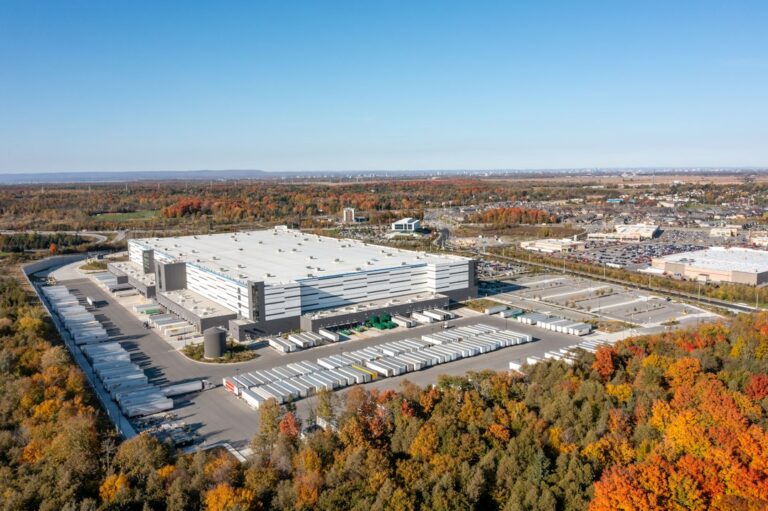
Fontana’s Warehouse Boom: What It Means If You’re Relocating
Fontana grew from a wartime steel town into an Inland Empire logistics hub. See what that shift means for home values and selling if you are relocating.
Read the guide → Selling for cash
The Transfer Tax Every Los Angeles Seller Pays, With or Without Measure ULA
Los Angeles charges its own $4.50-per-$1,000 tax on top of the county rate, before Measure ULA applies. See the exact combined math at closing.
Read the guide → Rentals & tenants
How Much Must Long Beach Landlords Pay Tenants Under the Relocation Ordinance?
Long Beach landlords: see the LBMC 8.99 relocation payments, notice periods, and city filing step required before a no-fault tenant termination.
Read the guide → Selling for cash
What Inglewood’s Housing Protection Ordinance Requires Before You Sell a Rental
Inglewood's Housing Protection Ordinance covers more rentals than expected, with rent caps, just-cause rules, and relocation tiers that transfer at sale.
Read the guide → Selling for cash
The Five-Year Countdown Before Los Angeles County Auctions a Tax-Defaulted Home
LA County auctions tax-defaulted homes after five years unpaid. See the redemption deadline, installment options, and how to claim excess proceeds.
Read the guide →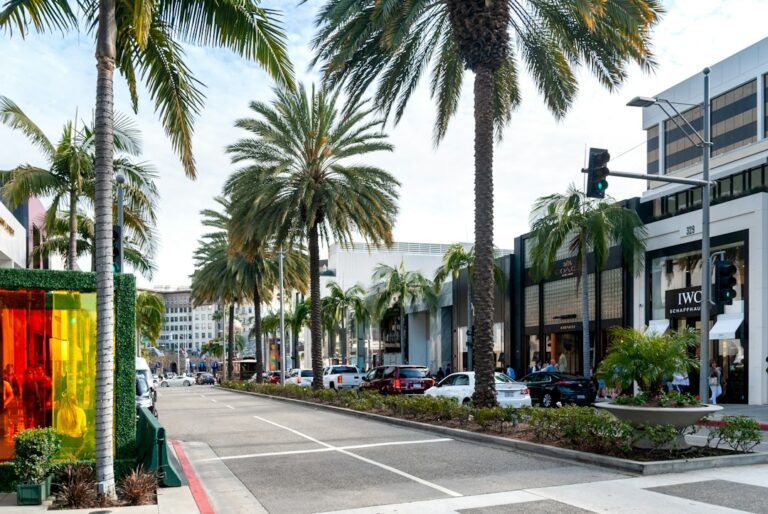 Selling for cash
What Beverly Hills’ Rent Stabilization Ordinance Requires Before You Sell
Beverly Hills runs its own BHMC Chapter 5 and 6 rent rules: caps, BHRent registration, just-cause grounds and relocation fees sellers must clear first.
Read the guide →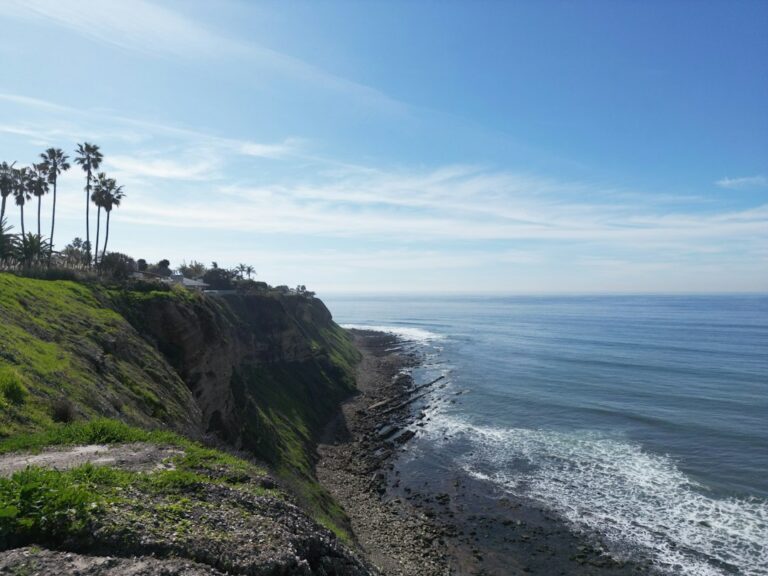 Selling as-is
What Rancho Palos Verdes’ Landslide Zones Mean for a Natural Hazard Disclosure
Rancho Palos Verdes sellers must check a landslide-zone box on the state Natural Hazard Disclosure Statement, separate from the earthquake fault question.
Read the guide → Selling for cash
West Hollywood’s Rent Stabilization Ordinance: What a Seller With Tenants Must Clear First
West Hollywood's rent stabilization law sets strict just-cause rules and relocation fees before you can sell a tenant-occupied rental unit here.
Read the guide → Inherited homes & probate
Partition Actions Between Heirs: How California Law Forces a House Sale
California heirs can force a house sale through a partition action under CCP 872-874, with court referees, confirmation hearings, and buyout rights.
Read the guide →