
We Buy Houses in Malibu, CA
- Foreclosure, inherited, tenants, damage — we buy it
- Zero fees, zero commissions, zero repairs
- No obligation — turn the offer down and owe us nothing


Fast, Fair, and Reliable Offers
Sell your house fast with our cash home buying service. No fees, no hassles, just a straightforward sale. Get your offer now.
Selling in Malibu? Here is the quick answer
We can buy your Malibu property as-is, with no repairs, staging or repeated showings. After reviewing the property, we can typically provide a written cash offer within 24 to 48 hours. On a direct purchase from us, there is no agent commission charged by us, and the closing date can be structured around your timeline. Requesting an offer does not obligate you to sell.
Best fit: inherited homes, tenant-occupied rentals, vacant properties, major repairs, code issues, foreclosure timelines, or sellers who value certainty and speed. A traditional listing may produce a higher price for a retail-ready home, so compare net proceeds, timing and transaction risk.
Want a number first? Call or text (424) 435-2326 or use the cash-offer form above.
Malibu lost roughly a third of the city to the Palisades Fire in January 2025, barely a month after the Franklin Fire of December 2024 and six years after Woolsey. Nearly every beachfront house along the eastern stretch of Pacific Coast Highway and the Big Rock neighborhood burned.
Selling in Malibu in 2026 therefore means one of two very different things: selling a standing house in a market where buyers are cautious, insurance is hard to place and days on market have stretched past three months, or selling a burned lot with a septic system, a coastal development history and a rebuild decision the owner does not want to make. We buy both.
Cash Home Buyers CA is based in Woodland Hills, over the hill from Malibu Canyon, and buys property throughout Los Angeles County, including all 21 miles of Malibu from the Topanga line to the Ventura County border.
We provide a written cash offer within 24 to 48 hours, buy the property in its current state, whether that is a finished house or a cleared pad, charge no commission, hold no showings, and close on the date you choose.
Malibu’s market after the fires: lower prices, longer waits
Redfin’s figures for the three months ending August 2026 put Malibu’s median sale price at about $3.63 million, down 12 percent from the same period a year earlier, on 46 sales, with a median of 91 days on market and a sale-to-list ratio of 93.1 percent.
Redfin’s competitiveness score for the city is 11 out of 100; houses here sell below asking after long exposure, and burned lots trade on a separate, thinner track. Those medians mix Point Dume estates, Colony beach houses and canyon properties, but the direction is clear.
The Census Bureau’s July 2025 estimate has Malibu’s population at about 9,600, down 10.1 percent since 2020, a decline that the fires and the displacement that followed them explain. Three-quarters of homes are owner-occupied, median household income is around $194,000, and nearly 32 percent of residents are 65 or older. Many of the owners deciding whether to rebuild are retirees who bought decades ago, and a multi-year rebuild is a different proposition at 75 than at 45.
Coastal zone, fire zone, septic and transfer tax in Malibu
Malibu incorporated in 1991 and is a general-law city, so its documentary transfer tax is the standard $0.55 per $1,000 credited against the county’s $1.10; the seller customarily pays $1.10 per $1,000, about $4,000 on a $3.6 million sale. There is no city surcharge, and, importantly for anyone comparing with the Palisades side of the fire, Los Angeles City’s Measure ULA does not apply in Malibu.
The rules that matter are the ones that touch land use. The entire city of Malibu lies within the California coastal zone, so development, including many rebuilds, runs through the Local Coastal Program the city has administered since its certification in 2002, with the Coastal Commission hearing appeals on some properties.
In November 2025 the council adopted Ordinance 527 designating every parcel in the city a Very High Fire Hazard Severity Zone, following the State Fire Marshal’s 2025 map, which means every Malibu seller must provide the buyer with the defensible-space compliance documentation and home-hardening disclosures required by Civil Code 1102.19, and fire insurance availability affects what a financed buyer can do.
Malibu has no municipal sewer: the city’s general plan states that every property is served by an onsite wastewater treatment system, the city regulates them, and a septic system’s condition and permit status is a central part of any Malibu sale.
Malibu has no rent stabilization or just-cause ordinance of its own; rentals fall under the statewide Tenant Protection Act where it applies. HOA and road-association dues are common in the gated and private-road communities, and Mello-Roos is not a feature of the city’s housing.
Burned lots, canyon houses and Malibu properties we buy
Malibu is a string of distinct neighborhoods along the coast and up the canyons: Big Rock and Las Flores on the east, hit hardest in 2025; Carbon Beach and Malibu Colony on the sand; the Civic Center and Malibu Road; Point Dume’s bluff-top streets; Malibu Park, Malibu West and the Trancas and Broad Beach stretch to the west; and the canyon properties up Corral, Latigo and Encinal.
The housing runs from 1950s and 1960s beach cottages and ranch houses on Point Dume to post-Woolsey rebuilds and contemporary estates, and now a large inventory of cleared pads.
We buy Malibu property in every one of those states:
- Burned lots with the debris removed, where the owner has decided not to spend years rebuilding, with or without the coastal and building history in hand.
- Standing houses with smoke or partial fire damage that insurance has not fully covered.
- Older canyon and Point Dume houses on aging septic systems, with unpermitted guest units, decks or grading.
- Houses whose insurance was non-renewed and that a financed buyer cannot close on.
Why Malibu owners come to a cash buyer
The first reason is the rebuild decision. An owner with a cleared lot on Big Rock or along PCH faces years of permits, contractors and insurance shortfalls. Selling the lot for cash is a way to take the settlement and the land value and move on. Our as-is page for Malibu covers how we price a lot or damaged house and what documents help.
Second is inheritance. With nearly a third of residents over 65, Malibu produces estates with houses held since the 1960s and 1970s, often on septic, often with additions that predate incorporation. Our inherited property page for Malibu covers trust and probate sales.
Third is relocation: owners who moved to Ventura County, Santa Barbara or out of state after the fires and do not intend to come back, for whom our Malibu relocation page explains a close that happens without their return.
Fourth is speed and certainty in a market where the average listing sits for three months and closes seven percent below asking; our sell-fast page for Malibu covers what a two-week close looks like.
We are among the cash home buyers active in Malibu that will take on a lot with a septic and coastal file still open.
Escrow, title and closing in Malibu
Our Malibu purchases go through a licensed escrow holder and a title insurer, with the preliminary report read closely for coastal permit conditions, deed restrictions, easements, road-association obligations and any recorded septic or geologic notices.
You sign the grant deed before a notary, and escrow records it electronically with the Los Angeles County Registrar-Recorder/County Clerk, headquartered in Norwalk, so no one drives across the county. Acceptance to recording usually takes seven to fourteen days; a title or coastal-file question can add time.
Probate matters for Malibu estates are heard by the Los Angeles Superior Court probate division at the Superior Court for Los Angeles County downtown, and we schedule around any required confirmation.
Under Los Angeles County custom the seller pays the county transfer tax and the owner’s title policy, escrow fees are split, and a cash buyer has no lender’s policy. We can take on your escrow share when it helps.
Insurance proceeds, debris-removal rights and any rebuild permits already issued are addressed in the contract. Our Malibu cash-offer process page and the general how it works page set out each step.
Listing a Malibu property versus selling it to us
An intact, insured house on Point Dume or in Malibu West with a current septic permit should be listed with a Malibu specialist, even in this market. Buyers for that product exist, and the roughly five percent commission and a long, financed escrow are the cost of reaching them. We will tell you that directly.
A burned lot, a damaged house or an uninsurable canyon property is a different sale. The buyer pool is largely cash already, listings sit for months, offers come in well under asking, and every escrow carries contingencies for coastal review, septic and insurance that can collapse late.
Our offer is a single number with no financing, insurance or inspection contingency, closing on your date. It will be lower than what a completed rebuild might sell for years from now, because we take on the rebuild risk and cost.
Compare it against your realistic net after carrying costs and rebuild expense, not against pre-fire values.
Questions Malibu owners ask us
Do you buy burned lots in Malibu?
Yes. We buy fire-cleared lots in Big Rock, Las Flores, along Pacific Coast Highway and elsewhere in the city, with or without rebuild permits started. We price the land, the coastal and septic status and the rebuild cost, and we close without waiting on any of that to be resolved.
Will a septic system problem stop the sale of my Malibu house?
Not to us. Malibu properties rely on onsite wastewater systems regulated by the city, and an aging or unpermitted system is one of the most common issues in a Malibu sale. We buy with the system as it is and handle any evaluation or replacement after closing.
How fast can you close on a Malibu property?
We deliver a written offer within 24 to 48 hours and typically record seven to fourteen days after acceptance. Coastal permit conditions or road-association documents in the title report can add a few days, which we account for in the closing date.
What transfer tax does a Malibu seller pay?
The combined county and city documentary transfer tax is $1.10 per $1,000 of price, roughly $4,000 on a sale at Malibu's August 2026 median of about $3.63 million. Malibu adds no city surcharge, and Los Angeles City's Measure ULA does not apply here.
Can I sell my Malibu house if I lost my fire insurance?
Yes. A non-renewal blocks most financed buyers but does not affect a cash purchase. We buy the house without an insurance contingency and arrange our own coverage after we own it.
If you own a house or a lot in Malibu and want a firm cash number rather than another round of showings, call or text 424-435-2326 or send us the address. The offer is free with no obligation, and our how it works page explains every step from first call to recorded deed. For Calabasas, Topanga and the rest of the county, see our Los Angeles County page.
Seller Guides
Helpful guides for homeowners in Malibu
Plain-English answers to the questions sellers ask us most.
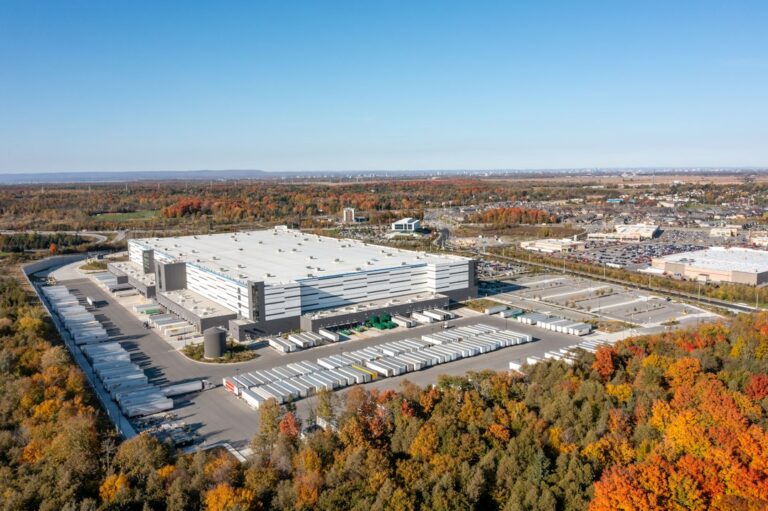 Relocating
Fontana’s Warehouse Boom: What It Means If You’re Relocating
Fontana grew from a wartime steel town into an Inland Empire logistics hub. See what that shift means for home values and selling if you are relocating.
Read the guide →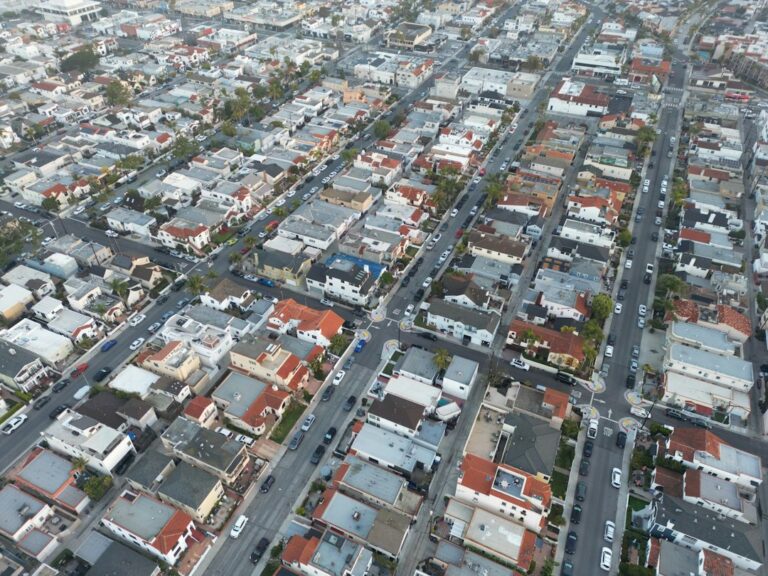 Selling for cash
The Transfer Tax Every Los Angeles Seller Pays, With or Without Measure ULA
Los Angeles charges its own $4.50-per-$1,000 tax on top of the county rate, before Measure ULA applies. See the exact combined math at closing.
Read the guide → Rentals & tenants
How Much Must Long Beach Landlords Pay Tenants Under the Relocation Ordinance?
Long Beach landlords: see the LBMC 8.99 relocation payments, notice periods, and city filing step required before a no-fault tenant termination.
Read the guide → Selling for cash
What Inglewood’s Housing Protection Ordinance Requires Before You Sell a Rental
Inglewood's Housing Protection Ordinance covers more rentals than expected, with rent caps, just-cause rules, and relocation tiers that transfer at sale.
Read the guide → Selling for cash
The Five-Year Countdown Before Los Angeles County Auctions a Tax-Defaulted Home
LA County auctions tax-defaulted homes after five years unpaid. See the redemption deadline, installment options, and how to claim excess proceeds.
Read the guide →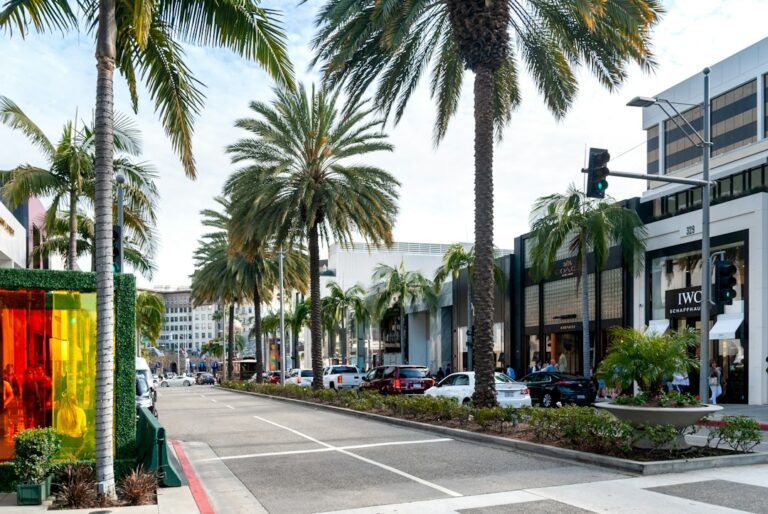 Selling for cash
What Beverly Hills’ Rent Stabilization Ordinance Requires Before You Sell
Beverly Hills runs its own BHMC Chapter 5 and 6 rent rules: caps, BHRent registration, just-cause grounds and relocation fees sellers must clear first.
Read the guide →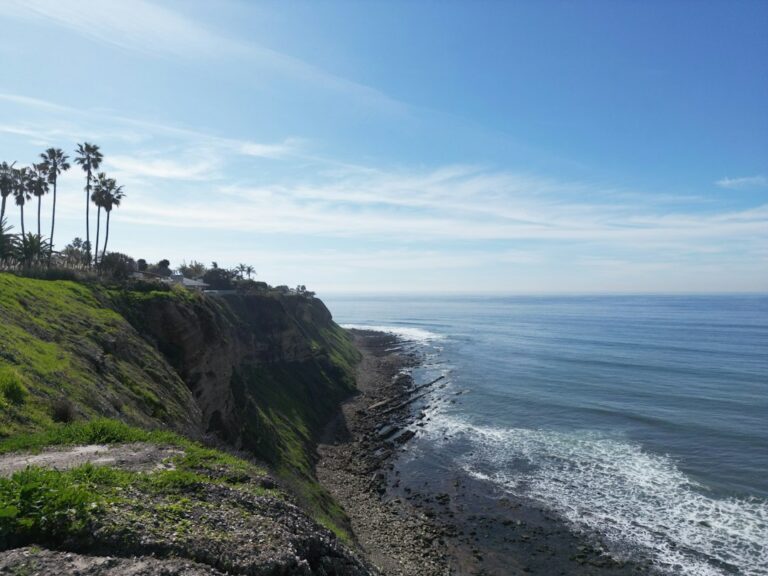 Selling as-is
What Rancho Palos Verdes’ Landslide Zones Mean for a Natural Hazard Disclosure
Rancho Palos Verdes sellers must check a landslide-zone box on the state Natural Hazard Disclosure Statement, separate from the earthquake fault question.
Read the guide → Selling for cash
West Hollywood’s Rent Stabilization Ordinance: What a Seller With Tenants Must Clear First
West Hollywood's rent stabilization law sets strict just-cause rules and relocation fees before you can sell a tenant-occupied rental unit here.
Read the guide → Inherited homes & probate
Partition Actions Between Heirs: How California Law Forces a House Sale
California heirs can force a house sale through a partition action under CCP 872-874, with court referees, confirmation hearings, and buyout rights.
Read the guide →