
Cash Home Buyers in Old Torrance, CA
- Foreclosure, inherited, tenants, damage — we buy it
- Zero fees, zero commissions, zero closing costs
- No obligation — turn the offer down and owe us nothing


A Direct Buyer, Not a Middleman
We buy Old Torrance houses and small apartment buildings with our own funds, so there is no lender, no assignment fee, and no waiting on someone else’s financing.
Because Old Torrance is a walkable, historic pocket of the South Bay with a $1 million-plus median sale price in the 90501 zip code as of June 2026, it draws a fair amount of investor interest, from serious buyers to postcard senders who never intend to close.
If you own a Craftsman bungalow on Gramercy or Andreo, or a small apartment building nearby, it helps to know what a legitimate cash buyer actually looks like before you sign anything.
What a Real Cash Buyer Actually Does
A genuine cash buyer purchases with its own funds or a committed line of credit, not a mortgage. That means no loan contingency, no lender-ordered appraisal that can kill the deal, and no 30-to-45-day underwriting wait.
It also means the buyer can move on properties a bank-financed buyer usually avoids — a bungalow with original 1920s knob-and-tube wiring, a building with an unpermitted garage conversion, or a rental with sitting tenants and a below-market rent roll.
Cash Home Buyers CA is one of these direct buyers, headquartered in Woodland Hills, about 20 miles north of Old Torrance on the 405.
How to Vet a Cash Buyer in Old Torrance
- Ask for proof of funds. A real buyer can show a bank statement or line of credit, not just a verbal promise.
- Check who actually holds title after closing. Some outfits are marketers who assign your contract to an unknown third party for a fee; if the buyer won’t say who closes, that’s a flag.
- Confirm the title and escrow company. A legitimate purchase runs through a licensed South Bay title and escrow company, not a private attorney or an out-of-state entity you can’t verify.
- Watch for a written offer, not just a verbal number. We send a written offer within 24 to 48 hours of hearing about your property, before you commit to anything.
- Be wary of upfront fees. There should be no application fee, no inspection fee, and no fee to “lock in” an offer.
Why Old Torrance Draws This Kind of Outreach
Old Torrance sits inside the original 1912 Olmsted-platted townsite, a short walk from the Torrance Transit Center and Del Amo Fashion Center, with a handful of buildings attributed to architect Irving Gill and a historic district designation currently under review.
That combination of walkability, history, and a still-appreciating $999,774 median sale price (Redfin, June 2026, up 16.3 percent year over year) makes the neighborhood attractive to both retail buyers chasing the historic character and investors who want the rental income from the small 1930s-through-1950s apartment buildings scattered through the area.
The more attention a neighborhood gets, the more mailers and cold calls its homeowners tend to receive.
What Our Process Looks Like
We look at the property, recent Old Torrance and 90501 comps, and any condition issues — original wiring, an old sewer lateral, an unpermitted addition — and send a written cash offer within 24 to 48 hours.
Because Torrance is its own incorporated city and not part of Los Angeles, there’s no Los Angeles 9A report to order, only a standard transfer disclosure statement and any required smoke and CO detector certifications.
Once you accept, we open escrow with a licensed local title company and can close in two to three weeks on a house with clear title, or three to five weeks for an estate or a tenant-occupied building.
You can also sell as-is without any repairs, or, if the property is tenant-occupied, sell with the lease in place.
The Honest Trade-Off
A direct cash offer is typically below what a fully-restored bungalow might fetch after a long, well-marketed retail listing. What you gain is certainty: no 5 to 6 percent commission, no repair negotiation, and no risk of a buyer’s loan falling through three weeks before closing. The same trade-off applies whether you’re selling in Old Torrance or anywhere else in Los Angeles County.
A State Law That Specifically Protects Sellers in Foreclosure
If an Old Torrance property is already in foreclosure when you’re approached by a buyer, California’s Home Equity Sales Contract Act (Civil Code Sections 1695 through 1695.17) applies to whoever ends up purchasing it.
The law requires the purchase contract to be in writing, bars the buyer from making untrue or misleading statements about the property’s value or what you’d net at a foreclosure sale, and gives you the right to cancel the contract under specified conditions.
It exists because homeowners under foreclosure pressure are an easy target for buyers who understate a property’s value or rush a signature.
A buyer who won’t put every term in writing, or who pressures you to sign before you’ve had time to think it over, is exactly the kind of buyer that statute was written to stop.
How We Actually Arrive at a Number
Our offer starts from recent closed sales in the 90501 zip code, adjusted for the specific block, lot size, and whether the property is a Craftsman bungalow, a newer 1930s-through-1950s house, or a small apartment building.
From that comparable value we subtract what it would realistically cost to bring the property to market-ready condition, our own carrying costs during the time we hold and resell or renovate it, and the certainty premium of a transaction with no financing risk.
We’ll walk through those numbers with you if you ask, rather than presenting a single figure with no explanation behind it.
Protecting Yourself Once Escrow Actually Opens
Vetting a buyer before you sign is only half the picture; wire fraud during escrow is a separate risk that has nothing to do with whether the buyer is legitimate.
A common scam involves someone impersonating your title or escrow officer by email, sending last-minute wiring instructions that redirect your proceeds to a fraudulent account.
A legitimate South Bay title company will never change wiring instructions by email alone, and it’s worth calling the escrow office directly, using a phone number you look up independently rather than one in an email, to verbally confirm any account details before you send or receive funds.
This applies just as much to a cash sale with us as it does to any financed transaction.
“Proof of funds” is worth defining too, since the phrase gets used loosely.
A real proof of funds is a recent bank or brokerage statement, or a documented line of credit, showing enough available capital to close on your specific property, not a screenshot, a generic pre-approval letter, or a verbal claim of having “investors lined up.” If a buyer hesitates to produce anything beyond a verbal assurance once you ask directly, that hesitation is itself useful information about how the rest of the transaction is likely to go.
After closing, you can confirm a sale actually recorded, and in your buyer’s name, through the Los Angeles County Registrar-Recorder/County Clerk’s own public grantor-grantee index, which is free to search online. That’s a simple way to verify that the transaction you agreed to is the transaction that actually shows up on public record, rather than taking anyone’s word for it after the fact.
It’s also worth knowing that federal anti-money-laundering rules require title companies to collect and report beneficial ownership information on all-cash residential purchases above a set dollar threshold, a requirement aimed at the buyer side of the transaction rather than at you as the seller.
A legitimate cash buyer expects this step and works through it as a routine part of closing; it’s one more reason a real transaction runs through a licensed title company rather than a private arrangement that tries to skip that paperwork entirely.
None of this means you need to become an expert in real estate law before you talk to us. It just means the questions above, proof of funds, who holds title, which title company, a written offer, and no upfront fees, are worth asking of any buyer, and we’re glad to answer every one of them plainly before you decide anything.
Frequently Asked Questions
Are you the actual buyer, or do you resell my contract?
We purchase directly and hold title ourselves; we don’t assign your contract to an unknown third party.
Do you buy small apartment buildings, or just single-family houses?
Both. Old Torrance has a meaningful number of small 1930s-through-1950s apartment buildings, and we buy those with tenants in place.
Will you lowball me because the house needs work?
We price based on the actual condition and current 90501 comps, not a scare tactic. You’ll see the numbers behind the offer.
What if the historic district review affects the sale?
It doesn’t. Old Torrance’s historic district status is still under review and doesn’t add any requirement to selling the property today.
To get a written, no-obligation cash offer on your Old Torrance property, call or text 424-435-2326.
Seller Guides
Helpful guides for homeowners in Old Torrance
Plain-English answers to the questions sellers ask us most.
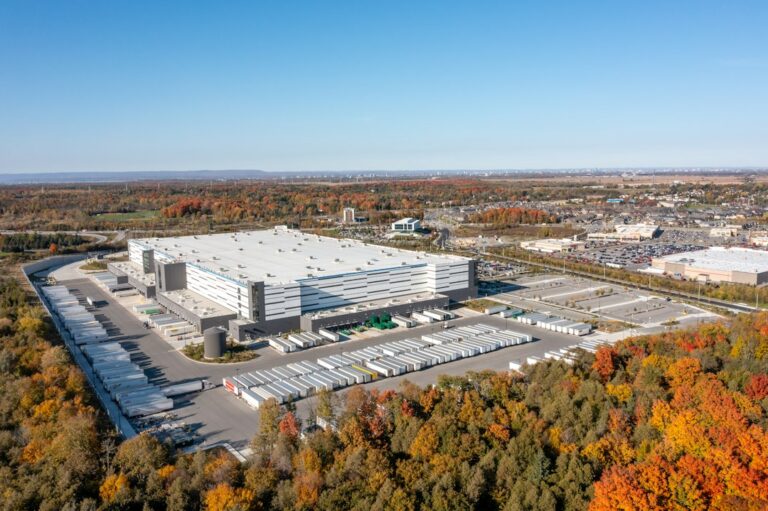 Relocating
Fontana’s Warehouse Boom: What It Means If You’re Relocating
Fontana grew from a wartime steel town into an Inland Empire logistics hub. See what that shift means for home values and selling if you are relocating.
Read the guide →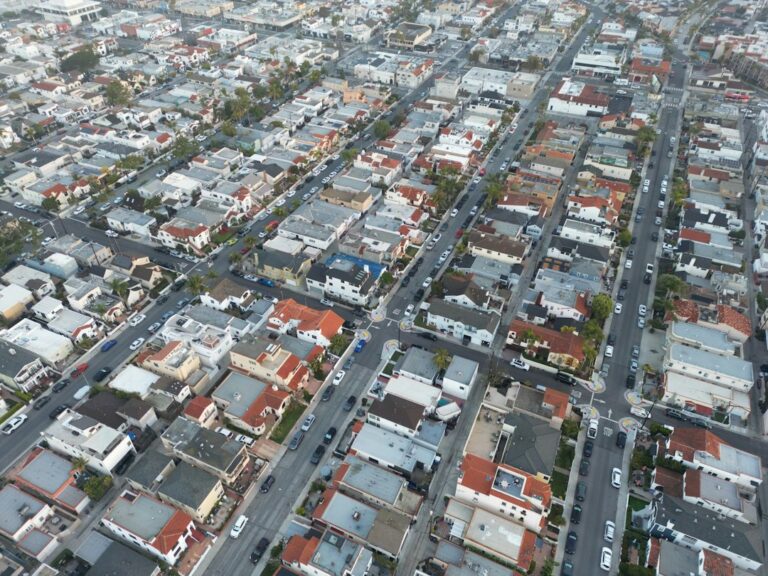 Selling for cash
The Transfer Tax Every Los Angeles Seller Pays, With or Without Measure ULA
Los Angeles charges its own $4.50-per-$1,000 tax on top of the county rate, before Measure ULA applies. See the exact combined math at closing.
Read the guide →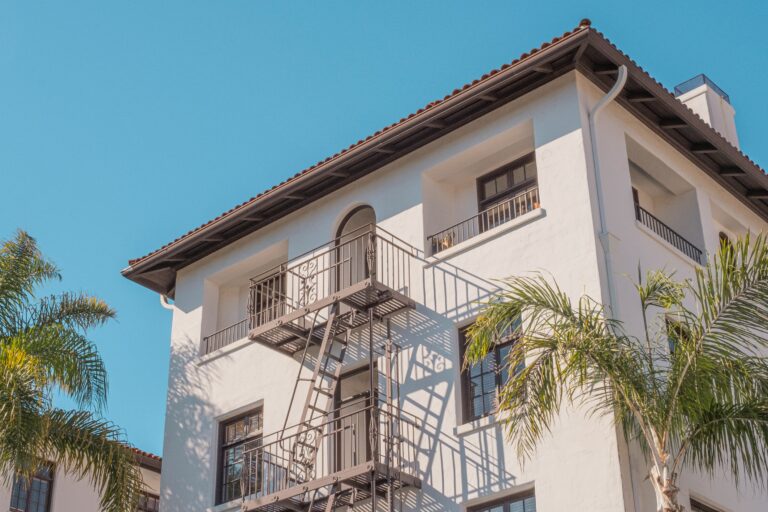 Rentals & tenants
How Much Must Long Beach Landlords Pay Tenants Under the Relocation Ordinance?
Long Beach landlords: see the LBMC 8.99 relocation payments, notice periods, and city filing step required before a no-fault tenant termination.
Read the guide →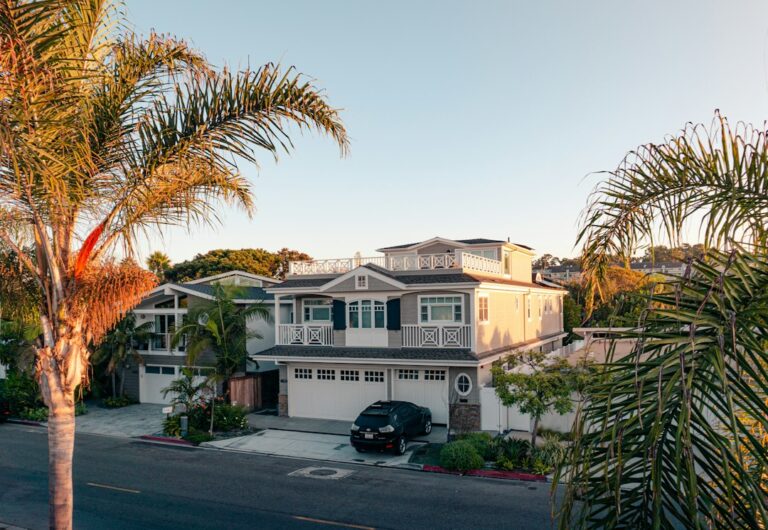 Selling for cash
What Inglewood’s Housing Protection Ordinance Requires Before You Sell a Rental
Inglewood's Housing Protection Ordinance covers more rentals than expected, with rent caps, just-cause rules, and relocation tiers that transfer at sale.
Read the guide → Selling for cash
The Five-Year Countdown Before Los Angeles County Auctions a Tax-Defaulted Home
LA County auctions tax-defaulted homes after five years unpaid. See the redemption deadline, installment options, and how to claim excess proceeds.
Read the guide → Selling for cash
What Beverly Hills’ Rent Stabilization Ordinance Requires Before You Sell
Beverly Hills runs its own BHMC Chapter 5 and 6 rent rules: caps, BHRent registration, just-cause grounds and relocation fees sellers must clear first.
Read the guide → Selling as-is
What Rancho Palos Verdes’ Landslide Zones Mean for a Natural Hazard Disclosure
Rancho Palos Verdes sellers must check a landslide-zone box on the state Natural Hazard Disclosure Statement, separate from the earthquake fault question.
Read the guide → Selling for cash
West Hollywood’s Rent Stabilization Ordinance: What a Seller With Tenants Must Clear First
West Hollywood's rent stabilization law sets strict just-cause rules and relocation fees before you can sell a tenant-occupied rental unit here.
Read the guide → Inherited homes & probate
Partition Actions Between Heirs: How California Law Forces a House Sale
California heirs can force a house sale through a partition action under CCP 872-874, with court referees, confirmation hearings, and buyout rights.
Read the guide →