
Sell Your House As-Is in Old Torrance
- Foreclosure, inherited, tenants, damage — we buy it
- Zero fees, zero commissions, zero closing costs
- No obligation — turn the offer down and owe us nothing


Original Wiring, Old Plumbing, Deferred Repairs — No Problem
We buy Old Torrance bungalows and apartment buildings exactly as they sit, with no repair list and no inspection contingency.
Selling a house as-is in Old Torrance means something a little different than it does in a newer neighborhood.
The oldest streets here, Gramercy and Andreo, were platted in 1912 as part of Frederick Law Olmsted Jr.’s original townsite, and the Craftsman and Mission Revival bungalows built there in the 1910s and 1920s often still carry original systems that were never fully modernized.
Cash Home Buyers CA buys those houses, along with the surrounding 1930s-through-1950s single-family homes and small apartment buildings, exactly as they stand.
What “As-Is” Actually Covers in an Old Torrance Bungalow
- Original electrical. Knob-and-tube wiring from the 1910s and 1920s is common in the oldest bungalows and is a routine reason a lender or inspector flags a financed sale.
- Old plumbing and sewer laterals. A cracked or root-intruded clay sewer line under a century-old lot is expensive to camera and replace, and we account for it in our offer rather than asking you to fix it first.
- Unpermitted additions and garage conversions. The detached garages opening onto rear alleys along Gramercy and Andreo are sometimes converted to living space without permits; we buy the property with that square footage as it is.
- Deferred maintenance on rentals. A house or small apartment building that has been rented out for years without major upgrades sells to us the same way it sells to anyone — based on its real condition.
- Full properties, not just houses. As-is applies to small 1930s-through-1950s apartment buildings too, not only single-family bungalows.
Why As-Is Matters More Here Than in a Newer Tract
Redfin’s figures for the 90501 zip code put the three-month median sale price at $999,774 as of June 2026, up 16.3 percent from a year earlier. That appreciation is real, but it’s being driven largely by restored bungalows that show well.
A financed buyer’s inspector working through a 100-year-old house will almost always find something — old wiring, a failing sewer lateral, a foundation that has settled — and the repair-credit negotiation that follows can add one to two weeks even on a deal both sides want to close. Selling as-is to a direct buyer skips that step entirely.
What Torrance Does and Doesn’t Require
Torrance has been its own incorporated city since May 1921, separate from Los Angeles, so a sale here does not require the Los Angeles Department of Building and Safety’s 9A Report of Residential Property Records that a comparable Los Angeles city sale would need.
You’ll still complete a standard California transfer disclosure statement and provide required smoke and carbon monoxide detector certifications, but there is no city retrofit inspection standing between you and closing.
The historic district review Old Torrance is currently undergoing does not add any disclosure requirement either, since it has not been formally designated.
How We Price an As-Is Old Torrance Property
We look at current 90501 comps, the specific condition of the property, and any known issues you tell us about — old wiring, a converted garage, a rental that hasn’t been updated in years — and build those into a single written offer within 24 to 48 hours.
There’s no separate inspection period where the number can drop after you’ve already accepted. If the property is also tenant-occupied or came to you as an inherited house, those situations layer in without changing the as-is basis of the offer.
The Honest Trade-Off
A restored, move-in-ready bungalow on Gramercy or Andreo will generally net more listed on the open market, where buyers pay a premium for the historic character. Our offer works best on the properties that would need real money spent before a listing photo gets taken.
Weigh the cost of a rewire, a sewer repair, or simply months of carrying costs against a cash number that arrives in days, the same comparison that applies across the rest of Los Angeles.
The Mandatory Disclosures ‘As-Is’ Doesn’t Remove
Selling as-is changes what condition the property has to be in; it doesn’t change what California requires you to disclose about that condition.
You’ll still complete a Transfer Disclosure Statement describing known defects, and a Natural Hazard Disclosure report, prepared by a third-party provider rather than you or your agent, showing whether the property sits in a flood, wildland fire, seismic hazard, or earthquake fault zone.
A house built before 1978, which covers most of the original Old Torrance bungalow stock, also requires a federal lead-based paint disclosure.
None of these require you to fix anything; they simply require you to tell a buyer what you know, and we work from the same disclosures rather than asking you to remedy what they turn up.
What Typically Turns Up in a Century-Old Bungalow
Beyond knob-and-tube wiring and aging sewer laterals, a Gramercy or Andreo bungalow built in the 1910s or 1920s commonly still has galvanized steel supply plumbing, which corrodes from the inside and reduces water pressure over decades, and a cast-iron or clay drain line prone to root intrusion and cracking.
Houses that saw a mid-century remodel sometimes have aluminum branch wiring from the 1960s and 1970s layered on top of the original knob-and-tube, which most insurers and lenders flag differently than either material alone. A pier-and-beam foundation that has settled unevenly over a hundred years is another common finding. We price around all of these rather than asking you to correct them first.
The Safety Compliance California Still Requires, Regardless of Condition
Selling as-is covers cosmetic and structural condition, but California law separately requires a small list of safety items at the point of sale that apply no matter how original or updated the rest of the house is.
Under Health and Safety Code Section 13113.8, every single-family home being sold must have at least one operable, code-compliant smoke alarm, and the seller typically provides a written statement of compliance before title transfers.
Homes with a fossil-fuel appliance, a fireplace, or an attached garage, which describes the overwhelming majority of Old Torrance bungalows and apartment units, also need at least one carbon monoxide detector under Health and Safety Code Section 17926.
Water heaters are generally required to be seismically strapped as well, a detail local building departments confirm rather than something a buyer’s inspector negotiates.
None of these items are expensive or time-consuming to address, and we can factor a missing detector or an unstrapped water heater into our offer the same way we factor in older wiring or plumbing, rather than treating it as a reason to renegotiate after the fact.
It’s a short, fixed list rather than an open-ended inspection process, which is part of why it doesn’t meaningfully change the as-is math on an Old Torrance property.
A traditional financed sale would also typically call for a wood-destroying pest inspection from a licensed Structural Pest Control Board inspector, who separates findings into Section 1 items, active infestation or damage that a lender generally requires be corrected, and Section 2 items, conditions likely to lead to infestation if left alone but not yet active.
On a century-old bungalow with an original detached garage and a rear alley, a pest report can turn up a fair amount of Section 1 work.
We don’t require this inspection before making an offer, and any termite or dry-rot findings get folded into our number rather than becoming a separate repair negotiation.
One thing an as-is sale doesn’t change: California law still requires you to disclose known material defects you’re actually aware of, even in an as-is transaction.
Selling as-is means a buyer accepts the property’s condition without asking you to repair anything, not that you can withhold specific problems you already know about, like a known active leak or a documented foundation issue.
We ask direct questions about anything you’re aware of precisely so it gets priced in up front rather than becoming a dispute after closing.
Being upfront about a known issue almost always works in your favor with us, since it lets us price it once rather than discovering it later and having to revisit the number. That’s the opposite of how a financed sale usually goes, where a late discovery tends to reopen the whole negotiation.
Frequently Asked Questions
Do I need to fix the wiring or plumbing before you’ll make an offer?
No. We build known issues into the offer instead of asking you to repair anything first.
Will an unpermitted garage conversion stop the sale?
No. We account for the unpermitted square footage in our number rather than requiring you to legalize or remove it.
Do I still need a transfer disclosure statement?
Yes, that’s a standard California requirement regardless of condition, but it’s far shorter than the Los Angeles city 9A report process.
Does the historic district review require special repairs before selling?
No. Old Torrance’s district status is still under review and doesn’t currently impose any repair or disclosure requirement on a sale.
To get a written, no-obligation as-is offer on your Old Torrance property, call or text 424-435-2326.
Seller Guides
Helpful guides for homeowners in Old Torrance
Plain-English answers to the questions sellers ask us most.
 Relocating
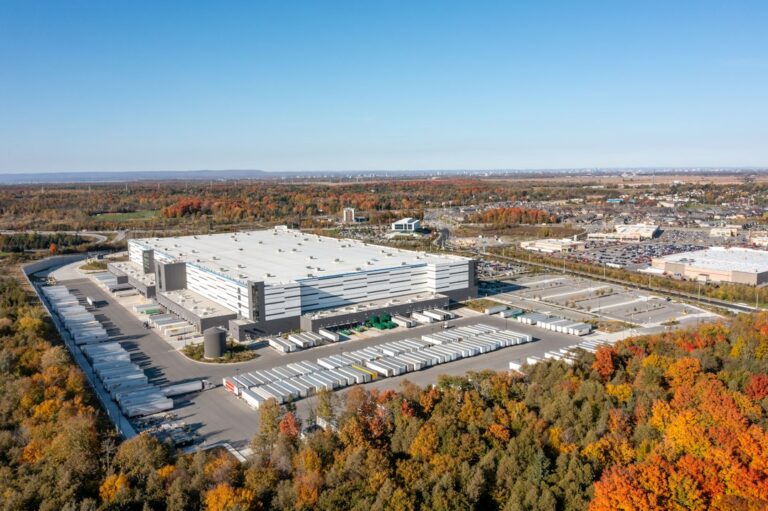
Fontana’s Warehouse Boom: What It Means If You’re Relocating
Fontana grew from a wartime steel town into an Inland Empire logistics hub. See what that shift means for home values and selling if you are relocating.
Read the guide →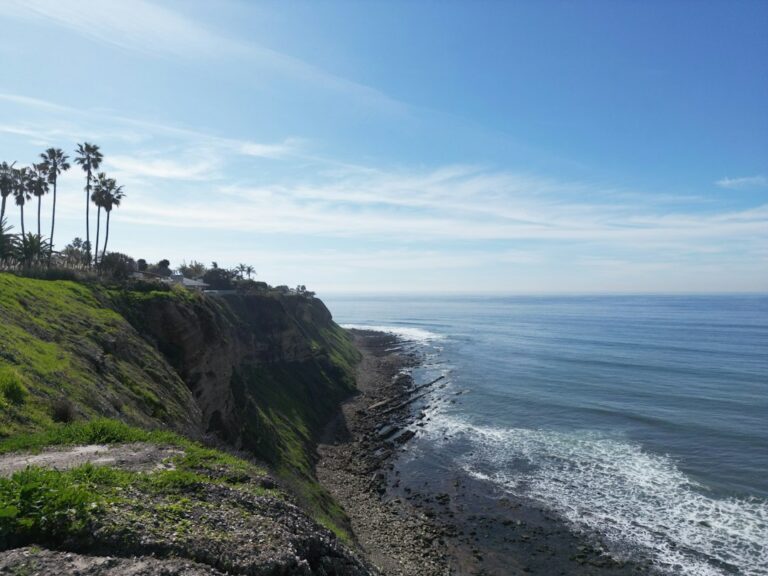 Selling as-is
What Rancho Palos Verdes’ Landslide Zones Mean for a Natural Hazard Disclosure
Rancho Palos Verdes sellers must check a landslide-zone box on the state Natural Hazard Disclosure Statement, separate from the earthquake fault question.
Read the guide →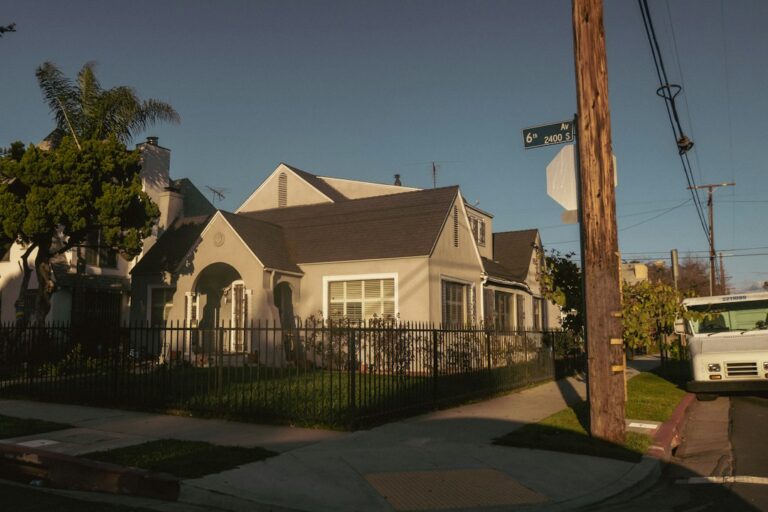 Selling as-is
Highland Park HPOZ Disclosure Rules Explained
Highland Park's historic overlay (HPOZ) governs renovations, but California's TDS and NHD disclosure rules still apply in full, even on an as-is sale.
Read the guide →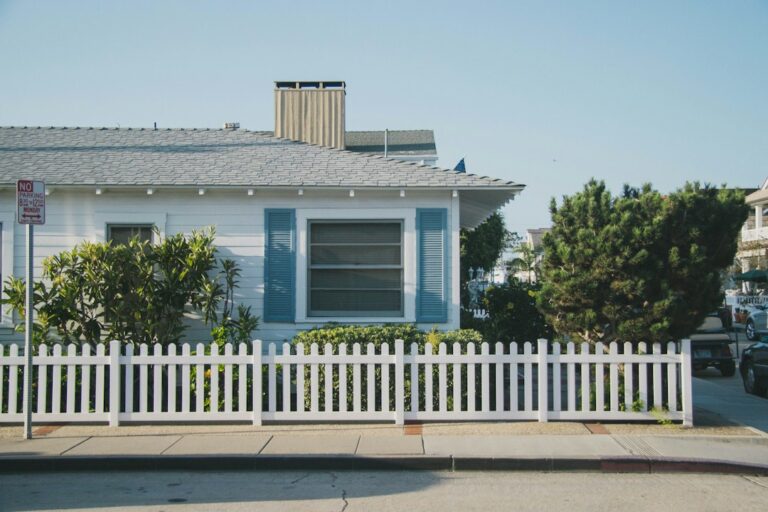 Selling as-is
As-Is Disclosure Rules for an Older Pasadena, CA Home
Selling as-is in Pasadena doesn't skip California's disclosure law. See what Civil Code requires for the city's century-old Craftsman homes.
Read the guide → Selling as-is
The Anaverde HOA Disclosure Packet an As-Is Sale Still Requires
The Anaverde HOA disclosure packet under Civil Code 4525, plus the TDS and NHD duties an as-is sale in Anaverde, CA never removes, and why it adds time.
Read the guide →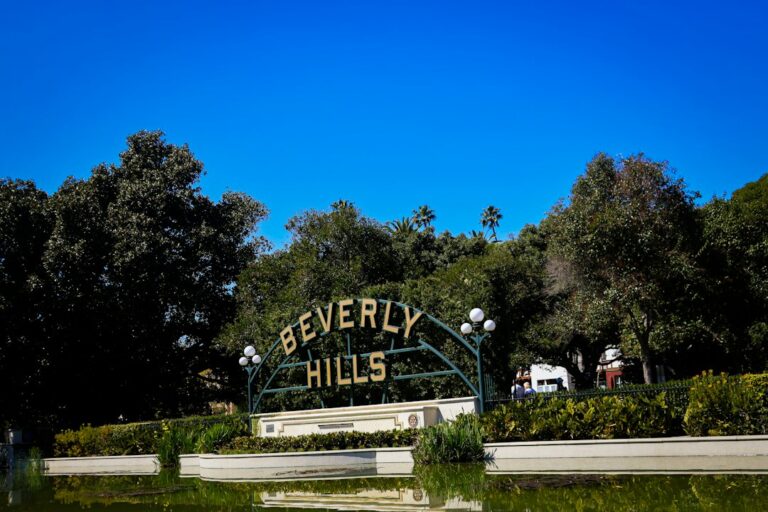 Selling as-is
Beverly Hills, CA As-Is Sales: What You Still Disclose
Selling as-is in Beverly Hills, CA doesn't waive disclosure law. See what sellers must still tell buyers under California's TDS and NHD rules.
Read the guide → Selling as-is
Why “As-Is” Doesn’t Simplify Disclosure for a Winnetka, CA Seller
Civil Code 1102 still requires full disclosure on an as-is Winnetka sale -- here's what the TDS, NHD, and lead-paint rules actually require.
Read the guide → Selling as-is
What California’s As-Is Disclosure Law Still Requires in Gardena
Selling as-is in Gardena does not skip California disclosure law. See what sellers must still disclose, plus local zoning and jurisdiction quirks.
Read the guide → Selling as-is
Why Culver City’s As-Is Disclosure Rules Aren’t Los Angeles’s
As-is doesn't skip California disclosure law. Learn why Culver City permit and code records come from its own city hall, not LA, before you sell as-is.
Read the guide →