
How Our Old Torrance Cash-Offer Process Works
- Foreclosure, inherited, tenants, damage — we buy it
- Zero fees, zero commissions, zero closing costs
- No obligation — turn the offer down and owe us nothing


From First Call to Recorded Deed
Here’s exactly what happens, step by step, when you sell your Old Torrance property to Cash Home Buyers CA.
Selling a house is usually the most process-heavy transaction most people ever go through, and that’s truer still for a century-old bungalow in Old Torrance, where original systems and informal family title transfers can complicate a traditional sale. Here’s exactly what our process looks like from the first call to a recorded deed.
Step 1: Tell Us About the Property
We start with the basics: the address, the general condition, whether it’s a Craftsman bungalow on Gramercy or Andreo, a newer 1930s-through-1950s house, or a small apartment building, and whether anyone is currently living in it. There’s no cost and no obligation to this step.
Step 2: We Pull Comps and Review Condition
We look at recent sales in the 90501 zip code, which Redfin put at a three-month median of $999,774 as of June 2026, and weigh in anything specific to the property: original wiring, an aging sewer lateral, an unpermitted garage conversion, or a below-market rent roll if it’s occupied. We don’t require a formal inspection before making an offer.
Step 3: You Get a Written Offer in 24 to 48 Hours
Our offer is a specific number, not a range, and it’s good whether you accept immediately or take time to think it over. There’s no pressure and no fee to receive it.
Step 4: We Open Escrow With a Local Title Company
Once you accept, we open escrow with a licensed South Bay title and escrow company and order a preliminary title report. Because Torrance is its own incorporated city, separate from Los Angeles, there’s no Los Angeles Department of Building and Safety 9A report required here, only a standard California transfer disclosure statement and any required smoke and carbon monoxide detector certifications, both of which we help you complete.
Step 5: We Work Through Any Title Issues
Older bungalows that have passed through a family for two or three generations sometimes carry title issues from informal transfers that were never properly recorded. We work through those with the title company rather than asking you to resolve them yourself before closing.
Step 6: You Sign, and We Fund
You sign closing documents through the title company, either in person or remotely, and we fund the purchase. A house with clear title typically closes in two to three weeks from acceptance; an estate or a tenant-occupied building usually runs three to five weeks to allow time to document the tenancy or clear a probate step.
Step 7: The Deed Records
The deed records with the Los Angeles County Registrar-Recorder/County Clerk in Norwalk, and the sale carries only the county’s $1.10-per-$1,000 documentary transfer tax — roughly $1,100 on a $1 million sale — since Torrance has no city transfer tax and Measure ULA applies only inside the city of Los Angeles.
Where Your Specific Situation Fits In
The steps above stay the same whether you’re selling as-is, working through an inherited property, or selling a tenant-occupied house or building. Your specific situation mainly affects which documents we ask for and how long the estate, tenancy, or title issue takes to clear before we can fund.
What a Preliminary Title Report Is Actually Checking For
Once escrow opens, the title company pulls a preliminary title report that lists every recorded item affecting the property: existing liens, easements, unpaid property taxes, and any prior deeds still on record.
On an Old Torrance bungalow that has passed through the same family for two or three generations, this is where an informal transfer that was never properly recorded, a deed that names a grandparent who has since passed away, or an old lien nobody remembers usually surfaces.
None of that is unusual for a century-old property, and the title company’s job in escrow is to work through it, often through a corrective deed, an affidavit, or a small additional step in probate, rather than something you need to resolve on your own before we can move forward.
Who Pays What Once Escrow Closes
Escrow fees are customarily split evenly between buyer and seller, and in Southern California it’s standard practice for the seller to cover the buyer’s owner’s title insurance policy.
On top of that, every Old Torrance sale carries the Los Angeles County documentary transfer tax of $1.10 per $1,000 of sale price, roughly $1,100 on a $1 million transaction, and a Natural Hazard Disclosure report, prepared by a licensed third-party provider, typically costing $70 to $100.
Because there’s no agent commission on a direct sale to us, those are the only real deductions from your proceeds, and we walk through each one with you before you sign anything.
The State Withholding Step Most Sellers Don’t Expect
California requires real estate withholding on most property sales through Form 593, regardless of whether the seller is a California resident, an out-of-state owner, or a foreign national.
The standard withholding rate is 3.33 percent of the total sale price, sent to the Franchise Tax Board as a prepayment against any tax owed on the gain, though a seller can calculate a lower amount based on actual gain instead.
The most common exemption applies if you’ve owned and used the property as your principal residence for at least two of the five years before the sale; sales at $100,000 or less are exempt automatically with no form required at all.
We walk through which category applies to your specific sale before you sign, since it affects the net check you receive at closing, not just paperwork.
How Signing and Funding Actually Happen on Closing Day
Most Old Torrance closings involve either an in-person signing at the title company or a mobile notary who comes to you, and either way the signed documents get sent to the title company for review before anything records.
Once the county Registrar-Recorder confirms the recording, typically the same business day or the next one, the title company releases funds and wires or delivers your proceeds.
That short gap between signing and funds actually landing is normal and isn’t a sign of any problem with your specific sale; it’s simply the recording step working through the county’s system before money changes hands.
Somewhere early in escrow, the title company will also usually ask you to fill out a Statement of Information, a form that has nothing to do with the property itself and everything to do with your name.
It lists basic identifying details, like your date of birth and prior addresses, so the title company can distinguish you from anyone else with a similar or identical name who might have a judgment, lien, or other recorded item that could otherwise cloud your title by mistake.
It’s a routine step on every sale, not something specific to your property, and filling it out promptly when it’s requested helps keep the title search moving on schedule.
Your homeowner’s insurance is one more loose end worth handling deliberately rather than letting it lapse or auto-renew by accident.
Once title transfers to us, your policy no longer needs to cover the property, and most insurers will refund any unused premium once you notify them of the closing date and cancel coverage effective that day.
We carry our own coverage from the moment we take title, so there’s no gap where the property sits uninsured, but you’ll still want to call your carrier yourself to close out your own policy and get whatever refund you’re owed.
Once everything closes, hold onto your final settlement statement rather than filing it away and forgetting about it.
That document lists your sale price, the transfer tax paid, and every other closing cost, and it’s the record your accountant will want if there’s ever a question about your basis or your gain on the sale down the road, including for a property you inherited or one you’ve owned for decades.
It costs nothing to keep a copy, and it can save a real headache if a tax question comes up years later.
That’s the whole process, start to finish. Nothing here is unique to us; it’s the same sequence of steps any legitimate direct sale in Old Torrance follows. What’s different with us is that we walk you through each one in plain language as it happens, rather than leaving you to figure out what a preliminary title report or a Statement of Information actually means on your own.
Frequently Asked Questions
Do I need an inspection before you make an offer?
No. We evaluate the property based on what you tell us and current comps, not a formal inspection report.
Is there a 9A report I need to order?
No. That’s a Los Angeles city requirement; Torrance has its own building and safety division and doesn’t require it.
What if the title has old family transfers that were never recorded?
We work through those issues with the title company as part of escrow rather than asking you to resolve them first.
How much will I pay in transfer tax?
Only Los Angeles County’s documentary transfer tax of $1.10 per $1,000 of sale price, since Torrance carries no additional city transfer tax.
To start the process on your Old Torrance property, call or text 424-435-2326 for a written, no-obligation offer.
Seller Guides
Helpful guides for homeowners in Old Torrance
Plain-English answers to the questions sellers ask us most.
 Relocating
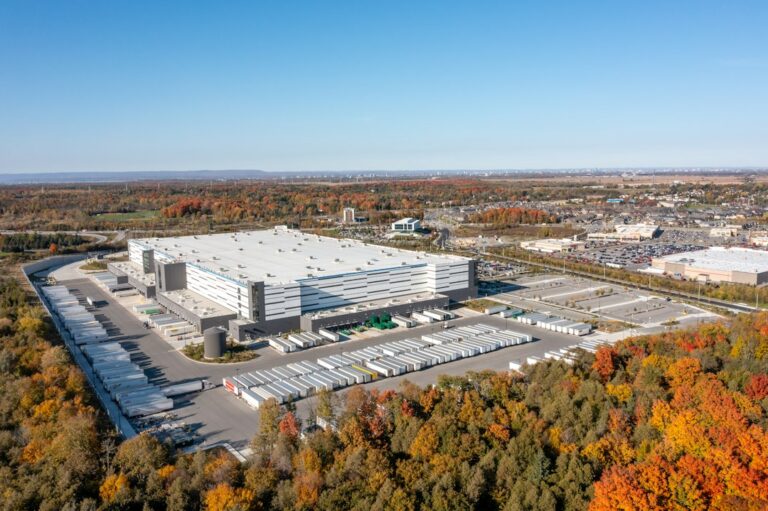
Fontana’s Warehouse Boom: What It Means If You’re Relocating
Fontana grew from a wartime steel town into an Inland Empire logistics hub. See what that shift means for home values and selling if you are relocating.
Read the guide → Selling for cash
The Transfer Tax Every Los Angeles Seller Pays, With or Without Measure ULA
Los Angeles charges its own $4.50-per-$1,000 tax on top of the county rate, before Measure ULA applies. See the exact combined math at closing.
Read the guide → Rentals & tenants
How Much Must Long Beach Landlords Pay Tenants Under the Relocation Ordinance?
Long Beach landlords: see the LBMC 8.99 relocation payments, notice periods, and city filing step required before a no-fault tenant termination.
Read the guide → Selling for cash
What Inglewood’s Housing Protection Ordinance Requires Before You Sell a Rental
Inglewood's Housing Protection Ordinance covers more rentals than expected, with rent caps, just-cause rules, and relocation tiers that transfer at sale.
Read the guide → Selling for cash
The Five-Year Countdown Before Los Angeles County Auctions a Tax-Defaulted Home
LA County auctions tax-defaulted homes after five years unpaid. See the redemption deadline, installment options, and how to claim excess proceeds.
Read the guide → Selling for cash
What Beverly Hills’ Rent Stabilization Ordinance Requires Before You Sell
Beverly Hills runs its own BHMC Chapter 5 and 6 rent rules: caps, BHRent registration, just-cause grounds and relocation fees sellers must clear first.
Read the guide → Selling as-is
What Rancho Palos Verdes’ Landslide Zones Mean for a Natural Hazard Disclosure
Rancho Palos Verdes sellers must check a landslide-zone box on the state Natural Hazard Disclosure Statement, separate from the earthquake fault question.
Read the guide → Selling for cash
West Hollywood’s Rent Stabilization Ordinance: What a Seller With Tenants Must Clear First
West Hollywood's rent stabilization law sets strict just-cause rules and relocation fees before you can sell a tenant-occupied rental unit here.
Read the guide → Inherited homes & probate
Partition Actions Between Heirs: How California Law Forces a House Sale
California heirs can force a house sale through a partition action under CCP 872-874, with court referees, confirmation hearings, and buyout rights.
Read the guide →