
Cash Home Buyers in San Francisco: How to Choose One You Can Trust
- Foreclosure, inherited, tenants, damage — we buy it
- Zero fees, zero commissions, zero closing costs
- No obligation — turn the offer down and owe us nothing


Know Who You’re Actually Selling To
Not every cash buyer can close. Here’s how a real one works, and how to vet one before you sign anything.
If you are comparing cash home buyers San Francisco owners can call, you have probably noticed that every company makes the same promises: fast, fair, as-is, no fees. The differences that matter sit underneath those words.
Who is putting up the money, how the number was calculated, who holds the deposit, and what happens to the price after a walkthrough are the questions that separate a calm, predictable sale from a stressful one.
This guide explains how cash buyers work in San Francisco, how to check one out before you sign anything, and how to compare a cash number against what a listing would really net you.
Cash Home Buyers CA buys houses, condos and small multi-unit buildings across the city for cash, and you can reach us at (424) 435-2326 for a written offer.
San Francisco is a hard place to judge a cash offer because prices are high and the city adds its own steps to every sale.
Redfin’s data for August 2026 put the citywide median sale price at about $1,587,500, with homes selling in a median of 20 days and many closing above list price.
When a typical property is worth that much, a small difference in how a buyer prices repairs or closing costs is a large dollar amount. That is why it pays to understand exactly what you are being offered.
What Cash Home Buyers San Francisco Sellers Meet Actually Do
A cash buyer purchases your property without a mortgage. There is no lender underwriting the deal, no loan contingency in the contract and no lender-ordered appraisal that can come in low and reopen the price.
The buyer’s funds are deposited into escrow, the title company clears the title, the deed records with the San Francisco Assessor-Recorder, and you are paid.
Because there is no loan, the timeline is set by title work and by the city’s own sale requirements rather than by a bank.
That does not mean every cash buyer works the same way. Some buy and renovate. Some buy and hold as rentals. Some are national platforms that use software to price homes.
Some are local companies that buy directly or bring a vetted cash buyer from their network to the closing table.
Cash Home Buyers CA works the last way: we buy directly or bring a vetted cash buyer, and the written offer and the escrow instructions spell out who is buying before you sign.
What matters to you as the seller is that the price, the closing date and the costs are written down, that the money sits with a neutral title and escrow company, and that the buyer can show it is able to close.
Types of Cash Buyers Real Estate Sellers Run Into in San Francisco
When owners talk to cash buyers real estate agents and neighbors recommend, they usually meet one of five groups. Knowing which one you are talking to helps you understand how the offer was built.
- iBuyer platforms. National companies that make computer-generated offers on newer, standard homes. They tend to avoid older properties, tenant-occupied buildings and anything with unpermitted work, which rules out a large share of San Francisco’s housing.
- Renovators. Buyers who purchase dated houses, remodel them and resell. Their offers start from what the finished home should sell for, minus construction and holding costs.
- Rental investors. Buyers who keep the property as a rental. They often buy two-to-four-unit buildings with tenants in place and price the deal on rent, expenses and the city’s Rent Ordinance.
- Local cash home buyers. Companies that buy throughout the city in any condition, directly or with a vetted cash buyer, and that know the local paperwork, from the 3R report to the conservation inspection.
- All-cash owner-occupants. Private buyers who happen to have the funds to skip a loan. They usually want move-in ready homes and still negotiate after inspections like any retail buyer.
Most cash home buyers San Francisco owners find online fall into the iBuyer, renovator or local groups, and many advertise in ways that make them sound alike.
Asking a buyer which group they belong to, and how they intend to use the property, tells you a lot about how their number was built and how likely it is to hold. None of these groups is right or wrong for every seller.
A renovated, staged house in Noe Valley will draw strong retail interest and probably belongs on the market. A house with original wiring in the Excelsior, a building with long-term tenants in the Mission, or an inherited home full of belongings is where a direct cash buyer earns its place.
Local Cash Home Buyers vs. National Platforms
San Francisco has a few quirks that make local knowledge useful. Before any residential building changes hands, the owner must obtain a Report of Residential Building Record, known as the 3R report, from the Department of Building Inspection and deliver it to the buyer.
The report shows the building’s permit history, and it is often where an unpermitted in-law unit or an extra bedroom first shows up on paper.
The city also requires a certificate of compliance with its water and energy conservation rules before title transfers, which means checking things like toilet flush volume, showerhead flow and leaks. Larger wood-frame apartment buildings may also fall under the city’s Mandatory Soft Story Program.
Local cash home buyers expect these items, order them early and price around them. A national platform that mostly buys newer suburban homes may not, which is one reason their offers on older San Francisco buildings are often declined or revised. When you interview a buyer, ask how they handle the 3R report and the conservation inspection. A clear answer is a good sign that they have closed here before.
How to Vet Real Estate Cash Buyers Before You Sign
Checking out real estate cash buyers takes less than an hour, and it is the best protection you have. These are the items worth asking for every time.
- Proof of funds. A recent bank or lender statement showing the buyer can cover the price. For a property near the city’s median, that is a substantial number, and a serious buyer will not be offended by the request.
- A neutral title and escrow company. Escrow should be opened with an established title and escrow company, not held by the buyer. You can call the escrow officer yourself to confirm the file exists.
- An earnest money deposit. The contract should say how much the buyer deposits, when it goes into escrow, and when it becomes non-refundable.
- A written offer with the price and the costs. The offer should state the price, the closing date, any inspection period, and exactly which closing costs the buyer pays. A verbal number is not an offer.
- Clear contingencies. Short, specific contingencies are normal. Open-ended ones that let a buyer walk for any reason for weeks are a warning sign.
- Who will close. Ask whether the company will close in its own name or bring a vetted cash buyer, and make sure the answer is in writing. Either can work well; what matters is that you know before you sign.
A good buyer will also explain how they reached the number. If you want to see what that looks like from first call to recorded deed, our step-by-step guide, cash offer for my house San Francisco, walks through the walkthrough, the contract, the California disclosures and closing day.
How Cash Offers Are Priced in San Francisco
Almost every cash offer is built from the same four parts. The details change from buyer to buyer, but the structure does not.
- After-repair value. What the property would sell for once it is updated, based on recent sales of similar homes nearby. In a city where values can shift from one side of a hill to the other, the comparable sales should come from your immediate area, not a citywide average.
- Repairs and updates. The cost to bring the home to that condition. In San Francisco that often means electrical upgrades in pre-war houses, foundation work, roof and window replacement, and sometimes legalizing or removing an unpermitted unit.
- Holding costs. Property tax, insurance, utilities and loan costs during the months of work and resale. Permits in San Francisco can take time, and buyers price that time.
- Buying and selling costs. The costs of the purchase and of the eventual resale, including transfer tax, title and escrow.
The age of the housing stock is a big part of this math.
Census estimates reported by the San Francisco Chronicle put the share of homes built before 1940 at about 44 percent, and the median San Francisco home was built in 1948, among the oldest housing stock of any large U.S. county.
Older homes have character and solid bones, and they also have original systems that a buyer has to price.
If your home needs work you do not want to take on, our guide to selling without repairs, sell house as-is San Francisco, explains what still has to be disclosed and how condition affects the number.
Cash Home Sale vs. Listing: A San Francisco Net Sheet
The fairest way to judge a cash home sale is to compare what you would keep, not the headline price. A listing often produces a higher price, and it also comes with costs and risks that a cash sale removes. Here is how the main items compare on a property around the city’s August 2026 median of about $1,587,500.
- Transfer tax. San Francisco is a consolidated city and county, and its transfer tax rises in steps with the price: $2.50 per $500 up to $250,000, $3.40 per $500 above $250,000 and below $1 million, $3.75 per $500 from $1 million to just under $5 million, and higher rates above that. At $1,587,500 the tax is $3.75 per $500, or about $11,906. By local custom the seller usually pays it in a listed sale. When you sell to us, we pay the standard closing costs, including the county and city transfer tax, escrow and title.
- Agent commissions. Commissions are set by agreement, so ask your agent for the exact figure. As an illustration, a combined 5 percent on $1,587,500 would be $79,375. There is no commission when you sell to us.
- Preparation. Listing agents in San Francisco commonly suggest painting, staging and pre-sale inspections so buyers can bid with confidence. Those costs come before you see an offer. A cash buyer takes the property as it is.
- Repair credits. Retail buyers often ask for credits after their inspections, especially on older homes. A cash offer already accounts for condition.
- Carrying costs and risk. Every month on the market means another round of mortgage, tax, insurance and utilities, and a financed buyer’s loan can still fall through late in escrow.
For a well-kept house in a busy neighborhood, the listing column may still come out ahead, and we will tell you so. For a property that needs major work, has tenants, sits in probate, or has paperwork problems, the gap narrows and the certainty of a cash home sale often matters more than the last few dollars.
Where Cash Buyers Help Most in San Francisco
We buy across the city, including ZIP codes 94110 (the Mission, Bernal Heights and parts of Noe Valley), 94112 (the Excelsior, Ingleside and the Outer Mission), 94116 (Parkside and West Portal), 94121 and 94122 (the Richmond and the Sunset), 94124 (Bayview and Hunters Point) and 94134 (Visitacion Valley and the Portola). The property types we see most often:
- Sunset and Richmond homes with ground-floor rooms added over the years and original electrical or plumbing.
- Bayview, Excelsior and Visitacion Valley houses held by one family for decades and now being sold by heirs.
- Victorian and Edwardian flats in the Mission, the Haight and Bernal Heights, often with long-term tenants.
- Condos and TIC interests where the building’s paperwork, an HOA dispute or a co-owner disagreement makes a financed sale hard.
Specific situations have their own rules. Landlords should read our guide to sell house with tenants San Francisco, which covers the Rent Ordinance and just-cause rules. Families settling an estate can start with sell inherited house San Francisco. Owners behind on payments should read sell house in foreclosure San Francisco before the trustee sale date gets close.
Red Flags When Comparing Cash Offers
Most cash buyers are straightforward, but a few patterns should make you slow down.
- A price that changes after the walkthrough with no explanation. Adjustments happen when a buyer finds something that was not disclosed. A cut for things that were plain to see from the start is a different matter.
- Pressure to sign today. A real offer will still be there tomorrow. Take time to read the contract and ask questions.
- Requests for money from you. You should never pay a buyer an upfront fee to receive an offer or to open escrow.
- Escrow held by the buyer. Deposits and closing funds belong with a neutral title and escrow company.
- Vague answers about costs. The written offer should say who pays transfer tax, escrow and title. With us, the answer is simple: we pay the standard closing costs.
Why Owners Choose to Sell Homes for Cash in San Francisco
People decide to sell homes for cash for practical reasons. An heir lives out of state and cannot manage a cleanout, repairs and showings from far away. A landlord wants to exit a rent-controlled building without ending tenancies.
A seller is starting a new job somewhere else and needs a firm date. A couple in the middle of a divorce wants one clear number to split.
If timing is the main pressure, our page on sell my house fast San Francisco compares timelines in detail, and our city overview, we buy houses San Francisco, shows every situation we handle.
Whichever cash home buyers San Francisco sellers end up choosing, the best protection is the same: compare at least two written offers, read the cost section line by line, and confirm the escrow file with the title company yourself.
A buyer who is comfortable with that level of scrutiny is usually a buyer who closes on time and at the agreed price.
It also helps to gather a few documents early, such as your mortgage statement, HOA contact details if you own a condo, any leases and rent records, and permits or receipts for work done over the years.
Whatever the reason, the steps are the same. You call or fill out the form, we ask about the property and look at it with you, and we send a written offer, usually within 24 to 48 hours.
If you accept, escrow opens with a neutral title and escrow company and you pick the closing date. We can usually close in about 7 to 14 days once the city’s required reports are in hand, or later if you need more time to move.
Frequently Asked Questions
How do I know if a San Francisco cash buyer is legitimate?
Ask for proof of funds, a written offer that lists the price and every cost, and the name of the title and escrow company. Call the escrow officer yourself. A legitimate buyer will welcome those checks and will never ask you for an upfront fee.
Who are the best house cash buyers for an older San Francisco home?
For older homes, look for house cash buyers who regularly buy pre-war properties and understand the 3R report, unpermitted units and the conservation inspection. Those buyers price condition up front instead of discovering it later and changing the number.
Is a cash sale always lower than listing?
The price is usually lower than a fully prepared, staged listing. The net can be closer than it looks once you subtract commission, preparation, repair credits, carrying costs and the transfer tax, which we pay when you sell to us. Compare the amount you keep, not the headline number.
Who pays San Francisco’s transfer tax in a cash sale?
By local custom the seller usually pays it in a listed sale. When you sell to us, we pay the standard closing costs, including the county and city transfer tax, escrow and title.
Can I sell a rental for cash if there are tenants living there?
Yes. We buy single-family rentals and two-to-four-unit buildings with tenants in place. The tenancies continue under the new owner, and the city’s Rent Ordinance and just-cause protections still apply to them.
Do you need the 3R report before making an offer?
No. We can make an offer first. The 3R report is required before the sale closes, and we help you order it from the Department of Building Inspection as soon as escrow opens so it does not hold up the closing date.
Will my offer change after you see the property?
Our written offer is based on what we see and what you tell us. It changes only if something material comes up that neither of us knew about, such as a problem found in the title report, and we explain any change in writing.
How quickly can a cash buyer close in San Francisco?
We can usually close in about 7 to 14 days after the required city reports are ready. If you need more time to move or settle an estate, we can set a later date.
Ready to see your number? Call or text Cash Home Buyers CA at (424) 435-2326 or use the form at the top of this page for a free, no-obligation written cash offer on your San Francisco property.
Seller Guides
Helpful guides for homeowners in San Francisco
Plain-English answers to the questions sellers ask us most.
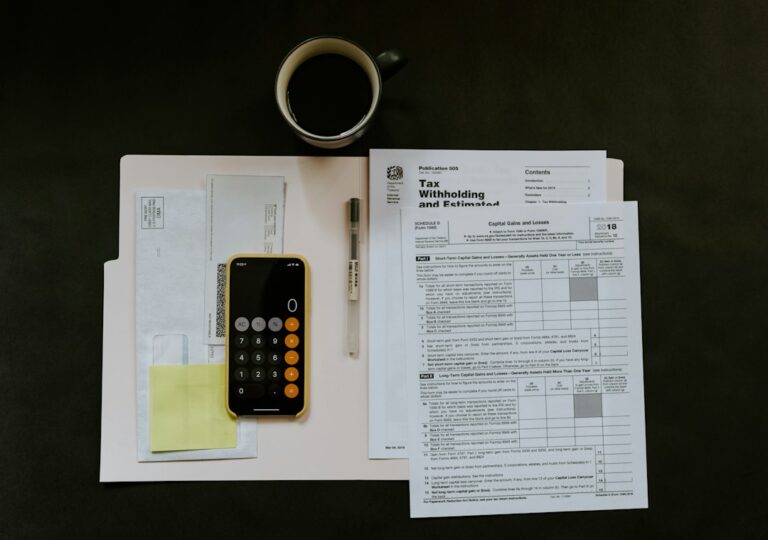 Selling for cash
FTB Form 593: Why Escrow Holds Back 3⅓% of a California Home Sale and How to Avoid It
Escrow generally withholds 3⅓% of a California sale price for the Franchise Tax Board unless you certify an exemption on Form 593.…
Read the guide → Inherited homes & probate
Medi-Cal Estate Recovery and the Family House: Who Owes, Who Is Protected and the Deadlines
Since 2017, Medi-Cal estate recovery reaches a house only if it passes through probate. See who is exempt, the 90-day notice and the 60-day waiver window.
Read the guide → Selling for cash
Berkeley’s New Time-of-Sale Energy Rule Nobody Warns Sellers About
Berkeley now requires an energy score and one of three compliance paths before most home sales close. Here's what BESO's Time-of-Sale rule means.
Read the guide → Foreclosure & liens
The 90-Day Window That Can Block Your California Home Sale: Mechanics Liens
A mechanics lien can block your California home sale. Here's the 90-day deadline to record, foreclose, and clear it before escrow closes.
Read the guide → Relocating
Concord’s Rent Cap and Relocation Rules: What Changed in 2025
Concord's rent stabilization ordinance now caps annual increases on covered units at a flat 5%, replaced a weaker CPI-linked formula in mid-2025,…
Read the guide → Foreclosure & liens
How an HOA Can Actually Foreclose on a California Home (and the Deadlines That Protect You)
California HOA liens aren't super-priority, but can foreclose in 75 days. See the delinquency, notice, and 90-day redemption rules that apply.
Read the guide → Selling for cash
Oakland’s Rent Registry: What a Seller of a Rental Property Must Have Current
Oakland's RAP registry deadline and $137 annual fee: why a lapsed registration blocks rent increases and transfers straight to a buyer at closing.
Read the guide → Selling as-is
Selling a House With Code Violations in California
You can sell a California house with code violations without fixing them first, but disclosure is required and unpaid abatement costs can be a lien.
Read the guide → Selling as-is
California’s Natural Hazard Disclosure Statement: What Sellers Must Provide
California sellers must disclose six hazard zones on a Natural Hazard Disclosure Statement. As-is and cash sales are not exempt from this requirement.
Read the guide →