
Cash Offer for My House in San Francisco: How It Works, Step by Step
- Foreclosure, inherited, tenants, damage — we buy it
- Zero fees, zero commissions, zero closing costs
- No obligation — turn the offer down and owe us nothing


From First Call to Recorded Deed
A closer look at how we price, sign, and close a San Francisco sale, and what actually happens to your proceeds along the way.
When people search for a cash offer for my house San Francisco, they usually want two answers: what the number will be, and what happens between saying yes and getting paid.
This page answers the second question in detail, step by step, from the first phone call to the day the deed records at City Hall.
It covers how we look at a property, how the offer is calculated, what the purchase agreement says, which California and San Francisco disclosures and reports are required, how title and escrow work in this city, and what to expect on closing day and after. If you would rather talk it through, call Cash Home Buyers CA at (424) 435-2326.
San Francisco adds a few steps that most California cities do not have, such as the 3R report and the city’s water and energy conservation certificate. None of them is hard, but they take time, and a buyer who knows them can schedule around them. Knowing the order of events also helps you plan your move, line up documents, and compare our process with any other offer you receive.
The Cash Offer for My House San Francisco Process at a Glance
- Step 1: First call or form. You tell us about the property, who lives there, and your timing.
- Step 2: Walkthrough. We look at the home with you, in person or with a video call if you are out of town.
- Step 3: Written offer. You receive a written offer, usually within 24 to 48 hours, with the price, closing date and costs spelled out.
- Step 4: Purchase agreement. If you accept, we sign a purchase agreement and open escrow with a neutral title and escrow company.
- Step 5: Disclosures and city reports. California disclosures are completed, and the 3R report and conservation certificate are ordered.
- Step 6: Title and escrow. The title company clears liens and prepares payoff figures and the settlement statement.
- Step 7: Closing. You sign with a notary, funds are wired, the deed records with the San Francisco Assessor-Recorder, and you are paid.
Each of these steps is explained below, along with the documents that keep it moving. If you are still deciding which buyer to work with, our guide to cash home buyers San Francisco explains how to vet proof of funds, escrow and deposits before you sign anything.
Step 1: The First Conversation
The first call usually takes 10 to 15 minutes. We ask about the property type (single-family home, condo, two-to-four units, TIC interest), its general condition, whether anyone is living there, whether there is a mortgage or other liens, and when you would ideally like to close.
We also ask whether the property is part of an estate, a divorce or a foreclosure, because those situations have their own rules that affect timing and signatures.
There is no cost and no obligation at this stage. You do not need to clean, repair or stage anything. If the home is occupied by tenants, we will ask about the leases and rents, because the city’s Rent Ordinance affects how an occupied building is valued and how the sale is handled. Our guide to sell house with tenants San Francisco covers those rules in depth.
Step 2: The Walkthrough
Next, we see the property. A walkthrough is not a formal inspection. We look at the roof, foundation, electrical panel and wiring, plumbing, windows, kitchen and baths, and any added rooms or units. In San Francisco we pay particular attention to ground-floor rooms and in-law units, because the city’s permit history for those spaces affects the value and shows up in the 3R report later.
Many San Francisco homes are old. Census estimates reported by the San Francisco Chronicle put about 44 percent of the city’s homes as built before 1940, and the median home was built in 1948.
That age is part of the city’s charm, and it also means many houses still have older wiring, original plumbing or foundations that predate modern codes. We price those items into the offer rather than asking you to fix them.
If the property needs a lot of work, our guide to sell house as-is San Francisco explains how condition affects value and what still has to be disclosed.
If you live out of the area, a family member, neighbor or property manager can let us in, or we can walk the property by video and confirm details with photos.
Step 3: How We Calculate a Sell House Cash Offer
Every sell house cash offer we make is built from the same parts, and we are happy to walk you through each one.
- Market value after updates. We look at recent sales of similar homes close to yours. San Francisco values can differ sharply between neighborhoods and even between blocks, so the comparisons need to be local. For context, Redfin’s data for August 2026 put the citywide median sale price at about $1,587,500, with a median of 20 days on market.
- Repairs and updates. The cost of the work a buyer would do, from electrical and foundation items to kitchens, baths, paint and flooring, plus any permit work for added rooms or units.
- Time and holding costs. Property taxes, insurance, utilities and financing costs while the work is done and the home is resold. Permit timelines in the city add to this.
- Transaction costs. The costs of buying and later reselling, including transfer tax, title, escrow and the resale commission.
The written offer states the price, the proposed closing date, the length of any inspection period, and which closing costs we pay. When you sell to us, we pay the standard closing costs, including the county and city transfer tax, escrow and title. There are no commissions and no fees charged to you.
Step 4: The Purchase Agreement
If you accept, we put the terms into a written purchase agreement. In plain language, it covers:
- the purchase price and the earnest money deposit, and when the deposit goes into escrow;
- the closing date, which you choose within reason;
- any inspection or review period, and what happens if something new and material is discovered;
- who pays which costs, including our payment of the standard closing costs;
- what stays with the property and what you can leave behind, since we buy as-is and you can leave unwanted items;
- whether you need a short period after closing to finish moving, if we agree to one;
- who the buyer is: we buy directly or bring a vetted cash buyer, and the agreement says which before you sign.
Take your time reading it. You are welcome to have your own attorney or advisor review it, and we will answer any questions before you sign.
Step 5: California Disclosures and San Francisco Reports
Selling for cash does not remove the disclosure rules. The main items are:
- Transfer Disclosure Statement (TDS). The standard California form where the seller discloses known facts about the property’s condition. Some sellers, such as certain trustees and court-supervised estate representatives, use different forms or are exempt from parts of it.
- Natural Hazard Disclosure (NHD). A report on whether the property sits in mapped hazard zones, such as seismic hazard zones. It is usually ordered through escrow from a report provider.
- 3R report. San Francisco requires the owner to obtain a Report of Residential Building Record from the Department of Building Inspection and deliver it to the buyer before the sale. It shows the building’s permit history. The department processes requests in the order received and does not offer rush service, so we help you order it as soon as escrow opens.
- Water and energy conservation certificate. The city requires a certificate of compliance before title transfers. A Department of Building Inspection inspector or a city-certified private inspector checks items such as toilets (no more than 1.6 gallons per flush), showerheads (no more than 2.5 gallons per minute), faucet aerators and leaks.
- Other items when they apply. Lead-based paint disclosures for homes built before 1978, HOA documents for condos, and, for larger wood-frame apartment buildings, information about the city’s Mandatory Soft Story Program.
We help you complete these forms and order the reports. The goal is a file where nothing surprises anyone at the closing table.
Step 6: Title and Escrow in San Francisco
Once escrow opens with a neutral title and escrow company, the escrow officer becomes the central point of contact. The title company searches the public record for the deed, mortgages, liens, judgments and unpaid taxes, then requests payoff statements from your lender and any lienholders.
Problems such as an old lien that was never released, a deceased co-owner still on title, or a mismatched legal description are resolved during this stage.
Because San Francisco is a consolidated city and county, there is one recording office for the whole city: the Office of the Assessor-Recorder in City Hall, Room 190, at 1 Dr. Carlton B. Goodlett Place. The deed, any reconveyance of your old mortgage, and the transfer tax affidavit are recorded there.
San Francisco’s transfer tax is charged in steps based on the price: $2.50 per $500 on sales up to $250,000, $3.40 per $500 above $250,000 and below $1 million, $3.75 per $500 from $1 million to just under $5 million, and higher rates on more expensive properties. On a $1,500,000 home that is $11,250.
By local custom the seller usually pays it in a listed sale. When you sell to us, we pay the standard closing costs, including the county and city transfer tax, escrow and title, and the settlement statement shows it.
Near the end of escrow you receive an estimated settlement statement that lists the price, your loan payoffs, any property tax prorations, and the amount you will receive. Read it line by line and ask about anything you do not recognize.
Step 7: Closing Day and After
California notaries cannot yet notarize documents over the internet, so the closing documents are signed in front of a notary in person. That can be at the title company’s office, at your home with a mobile notary, or, if you have moved away, with a notary near you who works with the escrow company. Signing usually takes under an hour.
After signing, we fund the purchase, the title company confirms everything is in order, and the deed is sent for recording. Once the deed records, escrow pays off your mortgage and liens and sends your proceeds by wire or check.
California may require withholding on the sale under the state’s Form 593 rules, and that can apply to California residents as well as non-residents; the escrow officer will tell you early whether an exemption applies to you.
After closing, keep your final settlement statement for your tax records, cancel your homeowner’s insurance once the deed records, and close or transfer utility accounts. If we agreed to a short stay after closing, the agreement spells out the move-out date.
How to Sell House for Cash Without Surprises
The surest way to learn how to sell house for cash smoothly is to remove unknowns early. A few habits make the biggest difference:
- Share what you know up front. Leaks, past repairs, unpermitted rooms and tenant issues are all fine to disclose early. Surprises late in escrow are what cause delays.
- Order the city reports right away. The 3R report and the conservation inspection are the items most likely to set the closing date in San Francisco.
- Confirm who must sign. Everyone on title signs the deed. In an estate, that may be an executor or trustee; in a divorce, both spouses usually sign.
- Get the costs in writing. The offer and the purchase agreement should list who pays transfer tax, escrow and title.
- Plan the move with the closing date. Pick a date that gives you time to pack, and ask if you need a few days after closing.
When the Situation Adds Steps
The seven steps above describe a straightforward sale. A few common situations add steps, and it helps to know them before you ask for a cash offer for my house San Francisco owners in similar spots have requested.
- Foreclosure. If a Notice of Default or Notice of Sale has been recorded, the trustee sale date sets the deadline. Escrow requests a reinstatement or payoff figure from the lender, and the sale must close before the auction. Our guide to sell house in foreclosure San Francisco explains the California timeline.
- Divorce. Both spouses usually sign, and any court orders about the house must be followed. Escrow can split the proceeds as the spouses or the court direct. See sell house during divorce San Francisco for details.
- Probate or a trust. An executor may need court approval or authority under the Independent Administration of Estates Act, and a trustee signs under the trust’s terms.
- Moving away. If you have already left the city, we coordinate access, the walkthrough and signing with a notary near you. Our page on sell house when relocating San Francisco covers selling from a distance.
In each case the core of the process stays the same: a written offer, a neutral title and escrow company, the required disclosures and city reports, and a recorded deed at City Hall.
Documents to Gather Before You Start
- A recent mortgage statement and any home equity line statement.
- Your most recent property tax bill.
- HOA name and contact details, if you own a condo or a home in an association.
- Leases, rent records and any Rent Board filings, if the property is rented.
- Permits, receipts and warranties for work done over the years.
- For an estate: the death certificate, letters from the probate court or the trust document.
- For a divorce: any court orders that address the house.
- Government-issued photo ID for everyone who will sign.
You do not need all of these to request an offer. They simply help escrow move faster once you accept.
Typical Timeline From Offer to Closing
A simple sale with clear title can close in about 7 to 14 days once the 3R report and the conservation certificate are in hand. Sales that involve probate court, tenants, a divorce or a foreclosure deadline follow the timeline those situations require, and we work around it.
If speed is your priority, our page on sell my house fast San Francisco lays out a day-by-day schedule. If the home came to you through an estate, our guide to sell inherited house San Francisco explains how probate and trust sales add steps. For an overview of everything we buy, see we buy houses San Francisco.
Frequently Asked Questions
How long does it take to get a cash offer for a San Francisco house?
Usually 24 to 48 hours after we see the property and have the basic details. Complicated situations, such as multiple units with tenants, can take a little longer.
How do cash offers for home sales in San Francisco compare with listing?
Cash offers for home sales are usually lower than the price a fully prepared, staged home might reach on the market. They remove commissions, repairs, preparation costs and the risk of a buyer’s loan falling through, and when you sell to us we pay the standard closing costs. Compare the amount you would keep, not just the price.
Do I need the 3R report before I accept an offer?
No. You can accept first. The report must be delivered to the buyer before the sale, so we help you order it as soon as escrow opens.
Who pays the transfer tax and escrow fees?
When you sell to us, we pay the standard closing costs, including the county and city transfer tax, escrow and title. In a listed sale, local custom usually has the seller pay the transfer tax.
Can I sign the closing documents online?
California notaries cannot yet notarize documents over the internet, so you sign in front of a notary in person. A mobile notary can come to you, and out-of-state sellers can sign with a notary near them.
Can I leave furniture and belongings behind?
Yes. Take what you want and leave the rest. We buy the property as-is, and that includes items you do not want to move.
What if my house has a mortgage or liens?
That is normal. Escrow requests payoff figures and pays the lender and lienholders from the sale proceeds at closing, and you receive the balance.
Can I change the closing date after we sign?
Often, yes. If your plans change, tell us as early as possible and we will work with escrow to move the date when we can.
Ready to start? Call or text Cash Home Buyers CA at (424) 435-2326 or use the form at the top of this page, and we will send a written, no-obligation cash offer for your San Francisco property.
Seller Guides
Helpful guides for homeowners in San Francisco
Plain-English answers to the questions sellers ask us most.
 Selling for cash
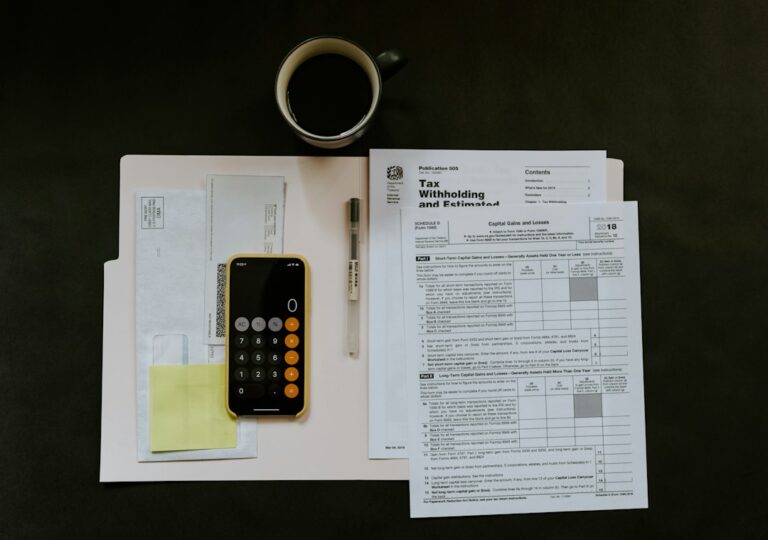
FTB Form 593: Why Escrow Holds Back 3⅓% of a California Home Sale and How to Avoid It
Escrow generally withholds 3⅓% of a California sale price for the Franchise Tax Board unless you certify an exemption on Form 593.…
Read the guide → Inherited homes & probate
Medi-Cal Estate Recovery and the Family House: Who Owes, Who Is Protected and the Deadlines
Since 2017, Medi-Cal estate recovery reaches a house only if it passes through probate. See who is exempt, the 90-day notice and the 60-day waiver window.
Read the guide → Selling for cash
Berkeley’s New Time-of-Sale Energy Rule Nobody Warns Sellers About
Berkeley now requires an energy score and one of three compliance paths before most home sales close. Here's what BESO's Time-of-Sale rule means.
Read the guide → Foreclosure & liens
The 90-Day Window That Can Block Your California Home Sale: Mechanics Liens
A mechanics lien can block your California home sale. Here's the 90-day deadline to record, foreclose, and clear it before escrow closes.
Read the guide → Relocating
Concord’s Rent Cap and Relocation Rules: What Changed in 2025
Concord's rent stabilization ordinance now caps annual increases on covered units at a flat 5%, replaced a weaker CPI-linked formula in mid-2025,…
Read the guide → Foreclosure & liens
How an HOA Can Actually Foreclose on a California Home (and the Deadlines That Protect You)
California HOA liens aren't super-priority, but can foreclose in 75 days. See the delinquency, notice, and 90-day redemption rules that apply.
Read the guide → Selling for cash
Oakland’s Rent Registry: What a Seller of a Rental Property Must Have Current
Oakland's RAP registry deadline and $137 annual fee: why a lapsed registration blocks rent increases and transfers straight to a buyer at closing.
Read the guide → Selling as-is
Selling a House With Code Violations in California
You can sell a California house with code violations without fixing them first, but disclosure is required and unpaid abatement costs can be a lien.
Read the guide → Selling as-is
California’s Natural Hazard Disclosure Statement: What Sellers Must Provide
California sellers must disclose six hazard zones on a Natural Hazard Disclosure Statement. As-is and cash sales are not exempt from this requirement.
Read the guide →