
Sell an Inherited House in San Francisco: Probate, Trusts and Heirs Explained
- Foreclosure, inherited, tenants, damage — we buy it
- Zero fees, zero commissions, zero closing costs
- No obligation — turn the offer down and owe us nothing


For Heirs Deciding What to Do Next
Trusts, joint tenancy, small estates, and multiple heirs each work differently. See where your situation fits before you decide to sell.
When selling an inherited house in San Francisco, families often face the same set of questions at once: who has the legal authority to sell, whether probate is required, how long it will take, what to do with a house full of a parent’s belongings, and how to divide the money among siblings who may live in different states.
The answers depend on how the house was held, how much the estate is worth, and whether everyone agrees. This guide walks through probate in San Francisco, trust sales, small estate options, court authority to sell, Proposition 19, taxes, multiple heirs and cleanouts.
Cash Home Buyers CA buys inherited homes across the city as-is; call or text (424) 435-2326 for a written offer you can share with the family.
Selling an Inherited House in San Francisco: The Big Picture
Most inherited-home sales follow the same arc. Someone has to be confirmed as the person with authority to sell. The family has to decide whether to keep, rent or sell. The house has to be protected and maintained in the meantime, often from a distance.
And when it sells, the money has to go to the right people in the right shares. The legal path, whether a trust, probate or a small estate procedure, controls the first and last steps. The family controls the middle ones.
A direct sale does not skip any of the legal steps. What it removes is the work in between: repairs, cleanout, staging, showings and the risk of a buyer’s loan falling through while the estate waits. For many families, especially when heirs live in different cities, that is the part that causes the most stress.
First Step: How Was the House Held?
Before anything can be sold, you need to know how title passed when the owner died. Pull a copy of the last recorded deed and look at how the owner held title. The main possibilities:
- In a living trust. The successor trustee named in the trust can usually sell without going to court, following the trust’s terms and the trustee’s duties to the beneficiaries.
- In joint tenancy or as community property with right of survivorship. The surviving owner generally becomes the sole owner. An affidavit of death and a certified death certificate are recorded with the San Francisco Assessor-Recorder, City Hall, Room 190, at 1 Dr. Carlton B. Goodlett Place.
- Through a transfer-on-death deed. The named beneficiary may take title outside probate after completing the required steps.
- In the owner’s name alone, with no trust. The house usually goes through probate unless a small estate procedure applies.
Whichever applies, California also requires a Change in Ownership Statement for a death to be filed with the Assessor within 150 days of the date of death, so the property tax records can be updated. A title company can confirm who has authority to sign before you accept any offer.
Probate in San Francisco: Where and How It Works
Probate cases for San Francisco estates are handled by the Superior Court of California, County of San Francisco, at the Civic Center Courthouse, 400 McAllister Street, where probate matters are heard in Department 204. The basic path:
- Petition. The named executor, or a family member if there is no will, petitions the court to be appointed personal representative.
- Appointment and letters. Once appointed, the representative receives letters testamentary or letters of administration, which are the documents that prove authority to act for the estate.
- Notice to creditors and inventory. Creditors are notified, and the estate’s assets are inventoried and appraised.
- Sale, if needed. The representative can sell the house, either with court confirmation or under authority from the Independent Administration of Estates Act.
- Accounting and distribution. Debts and expenses are paid, and the remaining assets, including sale proceeds, are distributed to the heirs under the will or state law.
Probate in California often takes many months, and contested estates take longer. A sale does not have to wait until the end; it can happen once the representative has authority, which keeps the house from costing the estate money month after month.
Small Estate Options in California
Not every estate needs full probate. California’s small estate thresholds were adjusted on April 1, 2025. If the total value of the estate subject to probate is $208,850 or less, heirs can often collect personal property with a small estate affidavit and use a simplified court petition for real property.
Separately, since April 1, 2025, a decedent’s primary residence worth up to $750,000 may pass to heirs through a simplified petition rather than full probate.
In San Francisco, where Redfin’s data for August 2026 put the median sale price at about $1,587,500, many homes are worth more than these thresholds, so full probate or a trust is common. Condos and homes in lower-priced neighborhoods may still qualify, so check the numbers with the estate’s attorney.
Full vs. Limited Authority to Sell
Under the Independent Administration of Estates Act, the court can grant the personal representative either full or limited authority. The difference matters a great deal for a sale.
- Full authority. The representative can sell the house without a court confirmation hearing. Before closing, the representative gives a Notice of Proposed Action to the heirs and beneficiaries, who have a period to object. If no one objects, the sale proceeds like a normal sale.
- Limited authority. The sale must be confirmed by the court at a hearing. Other buyers can appear and overbid, and the sale goes to the highest qualified bidder the court approves. This adds weeks or months and some uncertainty.
Our offers work under either kind of authority. With full authority, we can usually close soon after the notice period ends. With court confirmation, we sign the purchase agreement subject to the court’s approval and attend to the timeline the court sets.
When Multiple Heirs Inherit Together
Houses often pass to two or more siblings or relatives, and they do not always agree. One wants to sell now, one wants to rent it out, one wants to move in. Some practical points:
- A buyout. One heir can buy out the others, but at San Francisco prices that usually means qualifying for a large loan.
- Selling together. If everyone agrees, a single sale with proceeds split through escrow is usually the simplest outcome.
- Partition. If co-owners cannot agree, any of them can ask a court to order a sale or division. Partition actions are slow and expensive, so they are usually a last resort.
Distance adds its own challenges. When one sibling lives near the house and the others live across the country, the nearby sibling often ends up doing the work of checking on the property, meeting contractors and sorting belongings. That can lead to resentment even in close families.
It helps to agree early on who handles what, how expenses such as insurance, utilities and property taxes are shared until the sale, and whether the sibling doing the work is reimbursed from the proceeds. Put those agreements in writing and share them with the executor or trustee.
A written cash offer gives every heir the same number to look at, which often helps a family reach agreement. We can send it to everyone at once and answer questions from each heir directly.
Proposition 19: Keep the House or Sell It?
Proposition 19 changed how property taxes work when a parent’s home passes to a child. The parent’s lower assessed value can carry over only if the home becomes the child’s primary residence, and the benefit is limited by a value cap; value above that cap is added to the assessment. If the child does not move in, the property is reassessed to market value.
For heirs who plan to sell, Proposition 19 rarely changes the decision. The buyer’s taxes are based on the buyer’s purchase price either way. For an heir who is thinking about moving in, it is worth running the numbers carefully, because at San Francisco values, reassessment can mean a much higher tax bill than the parent paid.
Taxes on an Inherited Home Sale
Inherited property usually receives a stepped-up tax basis, generally equal to its market value at the date of death. If you sell an inherited house soon after the death for close to that value, there may be little or no capital gain.
An appraisal as of the date of death helps document the basis, and the estate’s attorney or tax preparer can tell you how it applies.
California may also require withholding at closing under the Form 593 rules, which can apply to California residents as well as non-residents; many estates and heirs qualify for an exemption, and escrow will tell you early.
When you sell to us, we pay the standard closing costs, including the county and city transfer tax, escrow and title, so the estate does not need cash on hand for those items.
Cleanouts, Repairs and Vacant Houses
Inherited San Francisco homes are often older houses that one person lived in for decades. Census estimates reported by the San Francisco Chronicle put about 44 percent of the city’s homes as built before 1940, and many inherited houses in the Sunset, the Excelsior, Bayview and Visitacion Valley still have original wiring, plumbing and finishes. They may also be full of furniture, papers and keepsakes.
- Take what matters first. Family members should remove photos, papers, valuables and keepsakes before closing.
- Leave the rest. When you sell to us, you do not need to empty the house. We handle the cleanout after closing.
- Protect the vacant house. Tell the insurer the home is vacant, keep utilities on, stop the mail, and have someone check it regularly.
- Skip the repairs. We buy as-is. Our guide to sell house as-is San Francisco explains what still needs to be disclosed.
Before you sell an inherited house, set aside a day or two for family members to walk through together, if they can.
Agree in advance how items will be divided, photograph anything of value, and look carefully through closets, drawers and the garage for papers such as deeds, insurance policies, bank statements and old tax returns, which the executor or trustee may need.
Once the family has taken what matters, the rest can stay for the buyer to clear. Many families find that this one shared visit, rather than months of weekend trips, makes the process easier emotionally as well as practically.
How to Sell an Inherited House in San Francisco, Step by Step
- Confirm authority. Identify the trustee, executor or heir with authority to sign, and gather the trust, letters or recorded affidavit.
- Get a written offer. We walk through the house, in person or by video, and send a written offer, usually within 24 to 48 hours.
- Share it with the family. Heirs and beneficiaries review the number. In probate, the representative follows the notice or confirmation process that applies.
- Open escrow. A neutral title and escrow company handles title, payoffs and the city’s requirements, including the 3R report and the water and energy conservation certificate.
- Close and distribute. The deed records at City Hall, and proceeds go to the estate, the trust or the heirs as directed.
Our page on the cash offer for my house San Francisco process explains each step in more detail.
What Trustees and Executors Should Keep in Mind
A trustee or executor has legal duties to the beneficiaries, including acting in their interest, keeping them reasonably informed, and not favoring one over another.
When selling the house, that usually means getting a sense of market value, documenting why a particular offer was accepted, and keeping records of expenses paid for the property.
A written offer, an appraisal or broker opinion of value, and a summary of the costs of holding and repairing the house all help show a sound decision.
Representatives should also keep estate money separate, pay the property’s bills from estate or trust accounts where possible, and avoid buying the property themselves without following the rules that apply. If a beneficiary objects, the estate’s attorney can explain the options. Clear records and open communication prevent most disputes.
When a Spouse or Partner Survives
If the owner was married or in a registered domestic partnership, the surviving spouse or partner may already own part of the house as community property, or may inherit the decedent’s share.
California has a simplified spousal or domestic partner property petition for passing property to a surviving spouse or partner without full probate in many cases. If the surviving spouse wants to sell, the title company will confirm what documents it needs.
If a divorce was pending when the owner died, the situation is more complicated; our guide to sell house during divorce San Francisco explains how community property is handled in a separation.
When the Inherited House Has Tenants or Debts
Some inherited homes come with tenants, such as a renter in a downstairs unit or a whole building of long-term tenants. The tenancies continue after the death and after a sale; our guide to sell house with tenants San Francisco explains the Rent Ordinance rules.
If the mortgage has fallen behind since the owner’s death, act quickly so the lender does not move toward a trustee sale; see sell house in foreclosure San Francisco.
If heirs live out of state and want to handle everything remotely, our page on sell house when relocating San Francisco covers selling from a distance.
Families who sell inherited house San Francisco estates through a direct cash sale usually do so for three reasons: no repairs or cleanout, one clear number for everyone, and a closing date that fits the probate or trust timeline. For an overview of everything we buy, see we buy houses San Francisco, and to compare buyers, read cash home buyers San Francisco.
Frequently Asked Questions
Do I need probate before selling a home I inherited in San Francisco?
Not always. A house held in a living trust, in joint tenancy, or through a transfer-on-death deed can usually pass without probate. A house in the owner’s name alone usually needs probate unless a small estate procedure applies.
Where is probate court for San Francisco estates?
Probate matters are heard by the San Francisco Superior Court at the Civic Center Courthouse, 400 McAllister Street, in Department 204.
Can the executor sell the house before probate is finished?
Yes, once appointed. With full authority under the Independent Administration of Estates Act, the executor can sell after giving a Notice of Proposed Action. With limited authority, the sale needs court confirmation.
What if the heirs disagree about selling?
Many families resolve it by comparing a written offer with the cost of keeping the house. If they cannot agree, a co-owner can ask the court for a partition, which is slower and more expensive than an agreed sale.
Will I owe capital gains tax on an inherited home sale?
Inherited property generally gets a stepped-up basis equal to its value at the date of death, so a sale soon after often produces little gain. The estate’s tax preparer can confirm how it applies to you.
Does Proposition 19 matter if we sell?
Usually not. The buyer’s taxes are based on the purchase price. Proposition 19 matters mainly for a child who wants to move in and keep the parent’s tax base.
Do we have to clean out the house before selling?
No. Take what you want to keep and leave the rest. We handle the cleanout after closing.
How fast can an inherited house sale close?
Once the person with authority is confirmed, we can usually close in about 7 to 14 days after the city’s required reports are ready. Court confirmation sales follow the court’s schedule. Our guide to sell my house fast San Francisco shows a typical day-by-day timeline.
Who pays closing costs when we sell to you?
We do. When you sell to us, we pay the standard closing costs, including the county and city transfer tax, escrow and title. There are no commissions.
Ready to talk it through with your family? Call or text Cash Home Buyers CA at (424) 435-2326 or use the form at the top of this page for a free, no-obligation written cash offer on the inherited San Francisco home.
Seller Guides
Helpful guides for homeowners in San Francisco
Plain-English answers to the questions sellers ask us most.
 Selling for cash
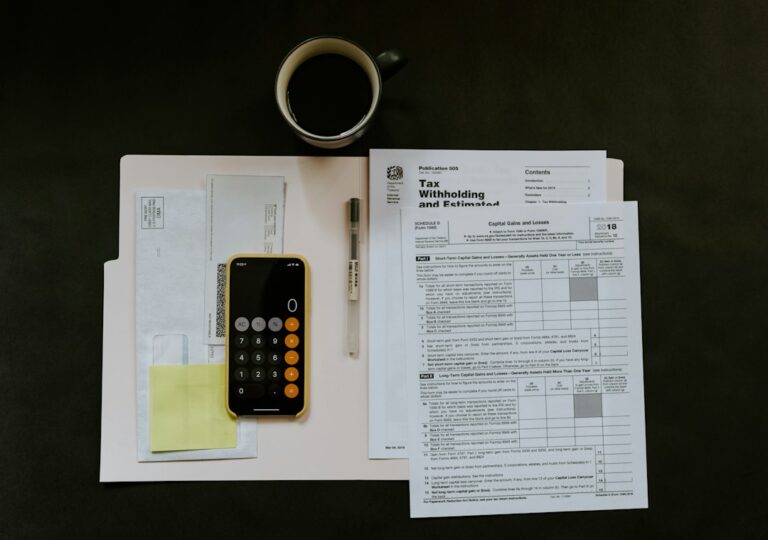
FTB Form 593: Why Escrow Holds Back 3⅓% of a California Home Sale and How to Avoid It
Escrow generally withholds 3⅓% of a California sale price for the Franchise Tax Board unless you certify an exemption on Form 593.…
Read the guide →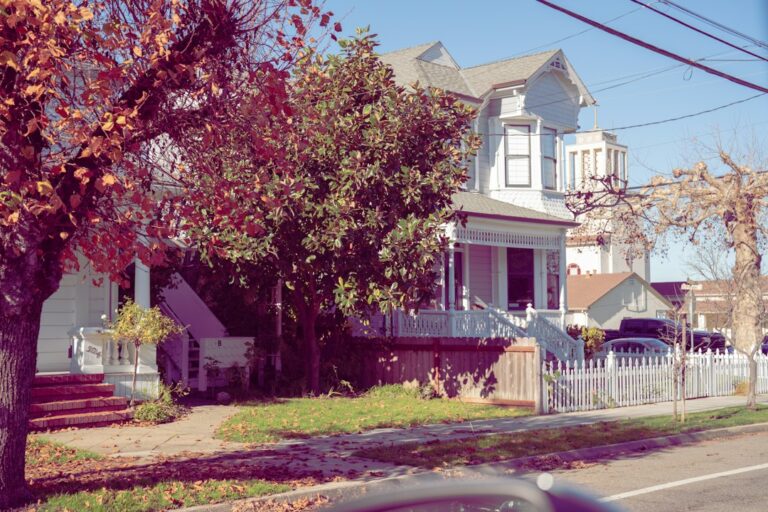 Inherited homes & probate
Medi-Cal Estate Recovery and the Family House: Who Owes, Who Is Protected and the Deadlines
Since 2017, Medi-Cal estate recovery reaches a house only if it passes through probate. See who is exempt, the 90-day notice and the 60-day waiver window.
Read the guide →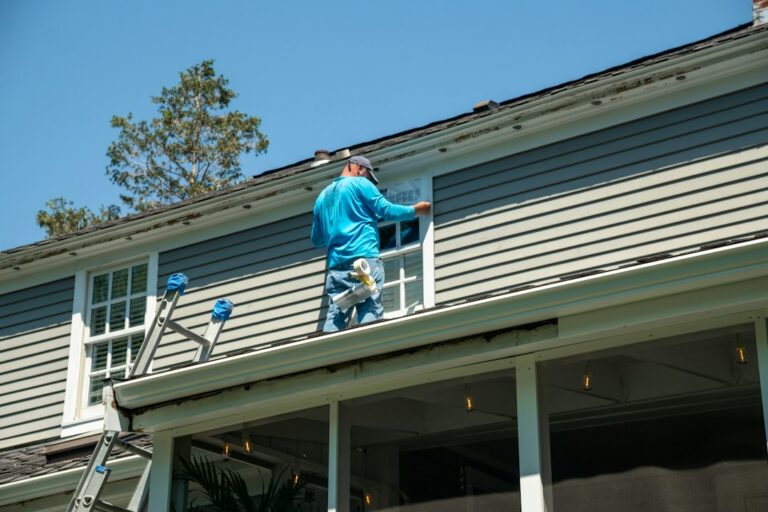 Inherited homes & probate
What Does a Probate Referee Do in California?
A probate referee is a state-appointed appraiser who values a deceased person's non-cash assets for the court, and California caps their fee…
Read the guide → Inherited homes & probate
What Is a Probate Bond in California, and Do You Need One to Sell?
California requires a probate bond unless waived. See the statute, the real premium cost, who pays, and how to avoid needing one before you sell.
Read the guide → Inherited homes & probate
Can You Sell a House With Power of Attorney in California?
A power of attorney can sell a home in California only if it grants real property authority and is recorded, and it ends the moment the owner dies.
Read the guide → Inherited homes & probate
Is There a Deadline to File Probate in California?
California sets no fixed deadline to open probate, but a 30-day will rule and a one-year creditor clock make delay costly. Here's what applies.
Read the guide → Inherited homes & probate
Selling a House Held in a Trust: A California Successor Trustee’s Guide
California successor trustees can sell trust property without probate, but fiduciary duties create real liability. Here's what the law requires.
Read the guide → Inherited homes & probate
Spousal Property Petition in California: Skipping Straight to a Sale
How a California spousal property petition (Probate Code 13650) works: who qualifies, timeline, cost vs probate, and selling the house after the order.
Read the guide →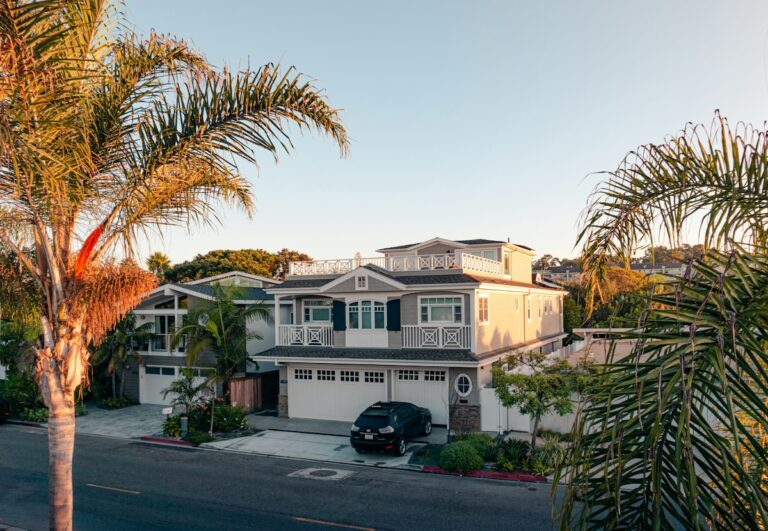 Inherited homes & probate
Can You Sell a House With a Life Estate in California?
Selling a house with a life estate in California: who must sign, how proceeds are split, Medi-Cal estate recovery, taxes, and buyout or joint-sale options.
Read the guide →