
We Buy Houses in San Francisco: Cash Offers for Any Home, Any Condition
- Foreclosure, inherited, tenants, damage — we buy it
- Zero fees, zero commissions, no repairs needed
- No obligation — turn the offer down and owe us nothing


Fast, Fair, and Reliable Offers
Sell your house fast with our cash home buying service. No fees, no hassles, just a straightforward sale. Get your offer now.
We Buy Houses San Francisco: The Quick Answer
Yes, we buy houses San Francisco owners need to sell, in any condition and in every part of the city. We look at the property, the occupancy, the title and any local complications, then send a written cash offer, usually within 24 to 48 hours.
You do not need to repair, clean, stage or show the home, and requesting an offer does not obligate you to sell. When you sell to us, we pay the standard closing costs, including the county and city transfer tax, escrow and title, and there are no commissions.
A retail listing may still be the better route for a well-kept, market-ready home when getting the highest possible price is the main goal. A direct sale is for owners who care more about certainty, speed and selling as-is: inherited homes, tenant-occupied buildings, houses that need major work, properties with unpermitted units, and sellers on a deadline.
Want a number first? Call or text (424) 435-2326 or use the form above.
Selling in San Francisco involves more city-specific steps than almost anywhere else in California. Before a residential sale, the owner must obtain a 3R report from the Department of Building Inspection and give it to the buyer. The city requires a water and energy conservation certificate before title transfers.
The transfer tax steps up at set price levels. And if there is a tenant, the city’s Rent Ordinance and just-cause rules shape what a buyer can and cannot do. A buyer who knows these steps can plan around them so they do not hold up your closing.
Many owners who search for we buy houses San Francisco are not sure whether a cash sale is right for them yet. That is fine. A written offer costs nothing, and it gives you a real number to compare with a listing, a refinance, renting the property out or simply waiting. If the numbers do not work, you can say no and owe nothing.
Cash Home Buyers CA buys single-family homes, condos, TIC interests and small multi-unit buildings across San Francisco, from the Outer Sunset and the Richmond to Bayview, the Excelsior and Visitacion Valley. We buy directly or bring a vetted cash buyer, and the written offer says which.
This page covers who we buy from, the kinds of homes we buy, where the market stands, how our offers are calculated, what the city requires before a deed can record, and how each common situation works.
Who We Buy From in San Francisco
We work with owners in all kinds of circumstances. Some simply want a fast, simple sale. Others are dealing with something harder. The situations we see most often:
- Heirs and trustees settling an estate, often from out of state, with a house full of belongings and siblings to coordinate.
- Landlords who want to sell a rent-controlled building or a single-family rental without ending tenancies.
- Owners of homes that need major work, from original wiring and plumbing to foundation and roof issues.
- Owners with unpermitted space, such as a ground-floor in-law unit that does not match the city’s records.
- Homeowners behind on payments who need to sell before a trustee sale.
- Couples who are divorcing and need one clear number to divide.
- People relocating for work or family who need a firm closing date or want to sell from a distance.
If you need cash for your house quickly and do not want to prepare it for the market, a direct sale removes most of the steps between deciding to sell and getting paid.
The Homes We Buy, Neighborhood by Neighborhood
San Francisco has some of the oldest housing of any large U.S. county. Census estimates reported by the San Francisco Chronicle put about 44 percent of the city’s homes as built before 1940, and the median home was built in 1948. That history shows up in the properties we buy:
- Sunset, Parkside and the Richmond (94122, 94116, 94121, 94118): attached homes from the decades around World War II, many with ground-floor rooms added over the years and original systems.
- Excelsior, Ingleside and the Outer Mission (94112): modest single-family homes, often owned by one family for decades and now passing to heirs.
- Bayview, Hunters Point, Visitacion Valley and the Portola (94124, 94134): houses with deferred maintenance, in-law units and inherited ownership.
- The Mission, Bernal Heights and Noe Valley (94110, 94114): Victorians and Edwardians, many divided into flats under the Rent Ordinance.
- Condos and TICs citywide: units in buildings with HOA issues, special assessments or co-owner disagreements that complicate a financed sale.
- Small multifamily: two-to-four-unit buildings with long-term tenants.
Unpermitted units, tenants, building or HOA problems, and structural work are the main items we price into an offer. We do not ask you to resolve any of them first.
How a Cash Sale Works Without Repairs or Showings
When we buy house for cash in San Francisco, the list of things you do not have to do is long. You do not need to paint, patch, replace the roof, update the electrical panel or fix the foundation.
You do not need to stage the rooms, hire a photographer or keep the house spotless for open houses. You do not need to move every box out of the garage or hire a cleanout crew.
You do not need to negotiate a repair list after a buyer’s inspection, and you do not need to wait for a buyer’s lender to approve a loan or an appraiser to agree with the price.
What you do need to do is small: tell us what you know about the property, give us one chance to see it, complete the required disclosures, and sign the closing documents with a notary. The city’s 3R report and conservation certificate still apply, and we help arrange both. Everything else is on us.
San Francisco Market Snapshot
Redfin’s data for August 2026 put San Francisco’s median sale price at about $1,587,500, up about 13 percent from a year earlier, with a median of 20 days on market and many homes selling above their list price. That is a strong market for updated, well-presented homes, and if yours fits that description, a listing may bring you the best price.
The case for a cash sale is narrower and more specific: a tenant-occupied building, a house whose 3R report will show unpermitted space, an estate with heirs in several states, a condo in a building lenders will not finance, or a seller who needs to close in two weeks rather than two months.
In those situations the listed price is often theoretical, and a firm number with a firm date matters more.
How We Calculate Your Cash Offer
Every offer is built from the same parts, and we will walk you through each one:
- Value after updates, based on recent sales of similar homes nearby. San Francisco values change from block to block, so comparisons need to be local.
- Repair and update costs, from electrical and foundation work to kitchens and baths, plus permits for added rooms or units.
- Holding costs while work is done and the home is resold, including property taxes, insurance and financing.
- Occupancy and rules, such as existing tenancies under the Rent Ordinance.
- Buying and resale costs, including title, escrow and transfer tax.
The written offer lists the price, the closing date and the costs. When people search for phrases like we buy house for cash or buy my house for cash, what they usually want is exactly that: a clear number with nothing hidden. For a deeper look at how cash buyers price homes and how to compare them, see our guide to cash home buyers San Francisco.
What San Francisco Requires Before a Deed Can Record
- Transfer tax. San Francisco is a consolidated city and county. Its transfer tax is $2.50 per $500 on sales up to $250,000, $3.40 per $500 above $250,000 and below $1 million, $3.75 per $500 from $1 million to just under $5 million, $11.25 per $500 from $5 million to just under $10 million, and higher above that. On a $1,500,000 home, that is $11,250. By local custom the seller usually pays it in a listed sale. When you sell to us, we pay the standard closing costs, including the county and city transfer tax, escrow and title.
- 3R report. The owner must obtain a Report of Residential Building Record from the Department of Building Inspection and deliver it to the buyer before the sale. It shows permit history, and the department processes requests in the order received with no rush option.
- Water and energy conservation certificate. A certificate of compliance is required before title transfers, covering items such as toilets of no more than 1.6 gallons per flush, showerheads of no more than 2.5 gallons per minute, and no leaks.
- Rent Ordinance. Most residential units have just-cause eviction protection, many older buildings are under rent increase limits, and no-fault evictions require relocation payments set by the Rent Board.
- Soft-story buildings. Larger wood-frame apartment buildings built under permits applied for before 1978 may fall under the city’s Mandatory Soft Story Program.
How a Cash Close Works at City Hall
Because San Francisco is its own county, deeds are recorded with the Office of the Assessor-Recorder in City Hall, Room 190, at 1 Dr. Carlton B. Goodlett Place. Probate matters are heard by the San Francisco Superior Court at the Civic Center Courthouse, 400 McAllister Street. Here is the path from first call to recorded deed:
- You call or fill out the form, and we talk about the property and your timing.
- We walk through the home in person or by video.
- You receive a written offer, usually within 24 to 48 hours.
- If you accept, escrow opens with a neutral title and escrow company, and we help you order the 3R report and schedule the conservation inspection right away.
- You sign with a notary in person, at the title office, at home with a mobile notary, or near you if you have moved away.
- The deed records, escrow pays off your loan, and you receive your proceeds.
We can usually close in about 7 to 14 days once the city’s reports are ready. Probate and tenant-occupied sales follow the court’s or the lease’s timeline. Our step-by-step guide, cash offer for my house San Francisco, covers each stage, and if speed is your top priority, see sell my house fast San Francisco.
We Buy Your House for Cash in Any Situation
Each of these situations has its own rules, and we have written a detailed guide for each one:
- Repairs you do not want to make. Older systems, foundation issues and unpermitted rooms are priced into the offer. Read sell house as-is San Francisco.
- An inherited home. Probate, trusts, small estates, Proposition 19 and multiple heirs. Read sell inherited house San Francisco.
- Tenants in place. The Rent Ordinance, buyout rules and estoppel certificates. Read sell house with tenants San Francisco.
- Behind on payments. The California foreclosure timeline and how to protect your equity. Read sell house in foreclosure San Francisco.
- A divorce. Community property, signatures and splitting proceeds through escrow. Read sell house during divorce San Francisco.
- A move. Timing the sale around a relocation and selling from a distance. Read sell house when relocating San Francisco.
Whatever the reason, we buy your house for cash on a timeline you choose, with the costs spelled out in writing.
Owners who reach out after searching we buy houses San Francisco often have more than one of these situations at once, such as an inherited house with a tenant, or a divorce with a mortgage that has fallen behind. That is normal, and it is exactly where a single, written offer helps.
When to List, and When to Take Cash
On a $1,500,000 sale, a combined 5 percent commission would be $75,000, and the transfer tax is $11,250, which by local custom the seller usually pays in a listed sale. San Francisco listings also commonly involve staging and pre-sale inspections so buyers can bid with confidence. When a house is in good condition, that preparation is what produces strong offers, and listing is often the right decision.
Our offer will usually be below a staged, competitive listing result. What it removes is the commission, the preparation, the inspections, the exposure of an unpermitted unit to a lender, and the risk of an appraisal or HOA review collapsing the deal.
For tenant-occupied, probate, unpermitted or heavily dated properties, the difference in net proceeds is often smaller than it looks, and the certainty is much higher.
When someone tells you I buy homes for cash, ask them to put the price, the date and every cost in writing; we do that with every offer.
Frequently asked questions
How fast can I sell my house in San Francisco for cash?
Our written offer usually comes within 24 to 48 hours of seeing the property. We can usually close in about 7 to 14 days once the 3R report and the water and energy conservation certificate are ready. We start both as soon as escrow opens.
What is the transfer tax on a San Francisco home sale, and who pays it?
For homes from $1 million to just under $5 million, the rate is $3.75 per $500, or $11,250 on a $1.5 million sale. Homes above $250,000 and below $1 million pay $3.40 per $500. By local custom the seller usually pays it in a listed sale. When you sell to us, we pay the standard closing costs, including the county and city transfer tax, escrow and title.
Can I sell a San Francisco building with rent-controlled tenants?
Yes. We buy single-family rentals and two-to-four-unit buildings with tenants in place. The leases and the tenants' rights under the Rent Ordinance continue under the new owner, so you do not need to end any tenancy to sell.
Will you buy a house with an unpermitted in-law unit?
Yes. Unpermitted ground-floor units are common in the Sunset, the Richmond, the Excelsior and Bayview, and they often cause problems for financed buyers once the 3R report arrives. We price the property as it stands and deal with the permit history after closing.
Do you buy San Francisco condos and TICs?
Yes, including units in buildings with litigation or special assessments and TIC interests where the co-owners disagree. We review the HOA or TIC documents ourselves rather than relying on a lender's approval.
How is cash for your house different from a listing?
A cash sale skips repairs, staging, showings, the buyer's loan and the appraisal. The price is usually lower than a fully prepared listing, but there are no commissions, and when you sell to us we pay the standard closing costs. Compare the amount you would keep, not just the price.
What does it mean when a company says I buy homes for cash?
It means the buyer pays without a mortgage, so there is no loan approval or lender appraisal. Ask for proof of funds, a written offer listing every cost, and a neutral title and escrow company. We buy directly or bring a vetted cash buyer, and the offer says which.
Can you buy my house for cash if it needs major repairs?
Yes. Older wiring, foundation problems, roof leaks, water damage and dated kitchens and baths are all priced into the offer. If you have been wondering who will buy my house for cash in its current condition, we will look at it and give you a written number.
Do I have to clean out the house or make repairs?
No. We buy as-is. Take what you want and leave the rest; we handle the cleanout after closing.
For a written cash offer on your San Francisco property, call 424-435-2326 or send us the address; we respond within two days. The process is explained at how it works, and our Bay Area page covers Daly City, South San Francisco, and the rest of the region.
2026 local market research: See our San Francisco Housing & Home Seller Report 2026 for current seller-focused housing context.
Seller Guides
Helpful guides for homeowners in San Francisco
Plain-English answers to the questions sellers ask us most.
 Rentals & tenants
Which Mountain View Rentals Does the CSFRA Actually Cover?
See which Mountain View rentals the CSFRA covers, its rent cap, just-cause eviction rules, relocation pay, and what landlords must do before raising rent.
Read the guide → Selling for cash
What Is Hayward’s Rent Review Fee and Who Has to Pay It?
Hayward landlords owe an annual Rent Review fee of $66 per covered unit or $32 per non-covered unit, and increases above 5%…
Read the guide → Rentals & tenants
Antioch’s Just Cause Eviction Ordinance: What a Landlord Selling a Rental Must Clear First
Antioch's Tenant Eviction Protection Ordinance (2240-C-S) sets just cause rules, notice deadlines, and relocation pay up to 3 months' rent for landlords.
Read the guide → Selling for cash
The Sewer Lateral and Sidewalk Certificates Oakland Sellers Can’t Close Escrow Without
Oakland requires an EBMUD sewer lateral certificate and a sidewalk certificate before a title transfer can close, each with its own office and timeline.
Read the guide →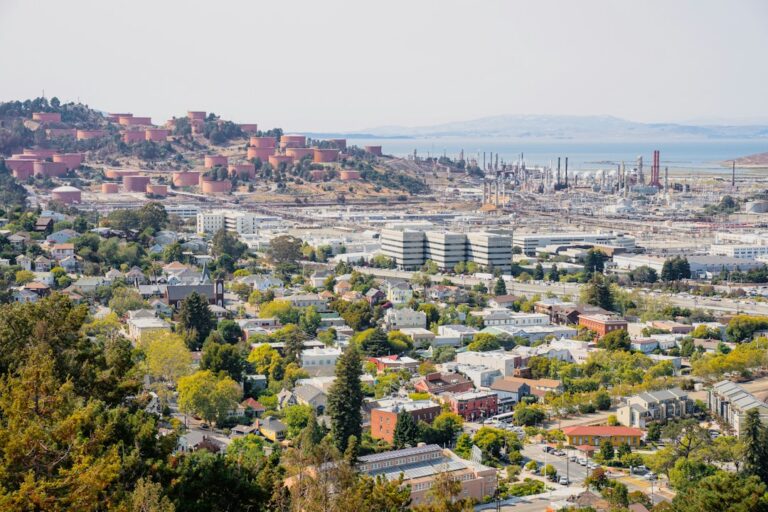 Selling for cash
Richmond’s Real Property Transfer Tax: What Measure H Actually Costs at Closing
Richmond's Measure H transfer tax climbs in tiers by sale price, and crossing a threshold by a few dollars can add thousands at closing.
Read the guide →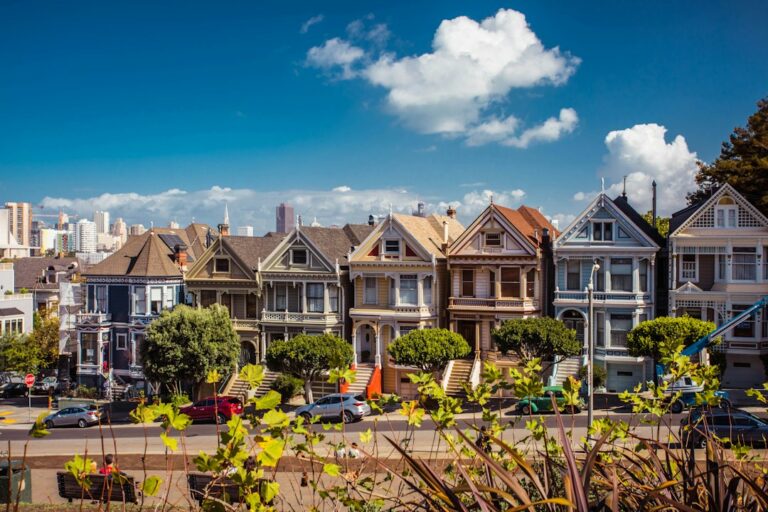 Selling for cash
The 3R Report San Francisco Requires Before You Can Sell a Home
San Francisco requires a 3R building-history report before a home sale, and it can reveal unit-count mismatches that upend a buyer's financing.
Read the guide → Rentals & tenants
San Jose’s Tenant Protection Ordinance: What a Landlord Selling a Rental Actually Owes
San Jose's Tenant Protection Ordinance sets exact relocation fees and notice rules a landlord must follow before selling a rental property there.
Read the guide → Inherited homes & probate
Partition Actions Between Heirs: How California Law Forces a House Sale
California heirs can force a house sale through a partition action under CCP 872-874, with court referees, confirmation hearings, and buyout rights.
Read the guide → Selling for cash
Oakland’s Real Property Transfer Tax: The Tiered Rate Sellers Actually Pay
Oakland charges its own tiered Real Property Transfer Tax of 1.00% to 2.50%, separate from and on top of Alameda County's transfer…
Read the guide →