
Sell a House As-Is in Burbank
- Foreclosure, inherited, tenants, damage — we buy it
- Zero fees, zero commissions, zero closing costs
- No obligation — turn the offer down and owe us nothing


Skip the Repairs, Not the Disclosures
What selling as-is actually changes about a Burbank sale, and what California law still requires either way.
“As-is” is one of the most misunderstood phrases in real estate. Selling a Burbank house as-is doesn’t mean skipping disclosures or hiding problems — it means the seller isn’t agreeing to make repairs, and the buyer is purchasing the property in its current condition. Here’s exactly what that changes, and what it doesn’t, for a Burbank home.
What “As-Is” Does Not Change
California law requires a seller to complete a Transfer Disclosure Statement (TDS) disclosing known material defects, regardless of whether the sale is marketed as as-is.
Selling as-is doesn’t waive that obligation, and misrepresenting a known issue — a leaking roof, a cracked foundation, a slope stability concern on a hillside lot near the Verdugo foothills — can create liability well after closing.
A cash buyer purchasing as-is still expects, and is legally entitled to, honest disclosure of what you know about the property.
What “As-Is” Does Change
- No repair negotiations. In a traditional sale, a buyer’s inspection often leads to a repair-credit negotiation that can add one to two weeks and eat into the seller’s proceeds. Selling as-is to a direct buyer skips that entirely.
- No staging or cosmetic prep. You don’t need to paint, replace flooring, or clear out decades of belongings before a showing.
- No financing-driven repair requirements. Conventional and FHA lenders can require certain repairs (missing handrails, exposed wiring, roof condition) before funding a loan. A cash sale has no lender, so there’s nothing to satisfy on that front.
Why As-Is Sales Are Common in Burbank Specifically
Burbank’s housing stock spans nearly a century of construction: 1920s-1940s bungalows near downtown and Magnolia Park, a large wave of postwar mid-century tract homes built during the 1950s-1960s expansion of the entertainment industry, and larger custom or equestrian-zoned properties in the Rancho Equestrian District.
Homes from any of those eras can carry original electrical panels, cast-iron or galvanized plumbing, or aging roofing that a conventional lender’s appraisal and inspection process treats as a red flag.
That combination pushes plenty of otherwise solid Burbank homes toward an as-is sale rather than a costly pre-listing renovation.
Inherited and Estate Properties
As-is sales are especially common for inherited Burbank homes, where an out-of-area heir may not want to manage repairs on a property they’ve never lived in, or where a house has sat vacant long enough to need significant work just to bring current. If that describes your situation, our probate guide covers the estate side of that process in detail.
How We Price an As-Is Purchase
We evaluate the property’s current condition against recent comparable sales in your specific Burbank neighborhood, then factor in the estimated cost of bringing the home up to a resale-ready standard. The resulting offer reflects an as-is number where you’re not paying for repairs out of pocket first and then hoping to recover that cost at closing.
What Can Go Wrong Listing an As-Is Fixer Traditionally
Some sellers try listing an as-is Burbank property on the open market anyway, hoping a buyer willing to take on repairs shows up.
In practice, that often narrows the buyer pool to other investors, since most owner-occupant buyers financing with a conventional or FHA loan need the home to clear the lender’s minimum property standards before the loan can fund — missing handrails, exposed wiring, an unpermitted addition, or a roof near the end of its life can all trigger a repair requirement the seller either has to complete or negotiate around.
That narrower buyer pool, combined with financing contingencies that can still fall through, often means an as-is listing sits on the market longer and closes for less certainty than sellers expect going in.
Unpermitted Work and Older Burbank Additions
It’s common in Burbank’s older neighborhoods to find a converted garage, an added bedroom, or a patio enclosure that was never permitted through the city.
A traditional buyer’s lender or appraiser may flag square footage that doesn’t match city records, which can complicate or delay a financed sale.
Selling as-is to a direct buyer means that discrepancy doesn’t have to be resolved, permitted retroactively, or removed before the sale can close — it’s simply factored into the offer.
Frequently Asked Questions
Do I still have to disclose known problems if I sell as-is?
Yes. California’s disclosure requirements apply regardless of how the sale is marketed.
Will you buy a Burbank home with major foundation or slope issues?
Yes, including hillside properties with drainage or retaining wall concerns.
Do I need to clean out the house before selling as-is?
No. You can leave belongings, furniture, and debris in place; we account for that in our offer.
Is an as-is cash offer lower than a fully-repaired retail price?
Generally yes, since it reflects current condition rather than a post-renovation value, but it also comes without repair costs, commissions, or financing risk.
Get a free, no-obligation as-is offer from Cash Home Buyers CA today.
Seller Guides
Helpful guides for homeowners in Burbank
Plain-English answers to the questions sellers ask us most.
- Selling for cash
Oakland’s 3-R Report: The Permit History Check Every Seller Should Order Before Listing
Oakland runs its own Report of Residential Record program, a permit-history check that can cost over $2,000 and take two months to…
Read the guide → 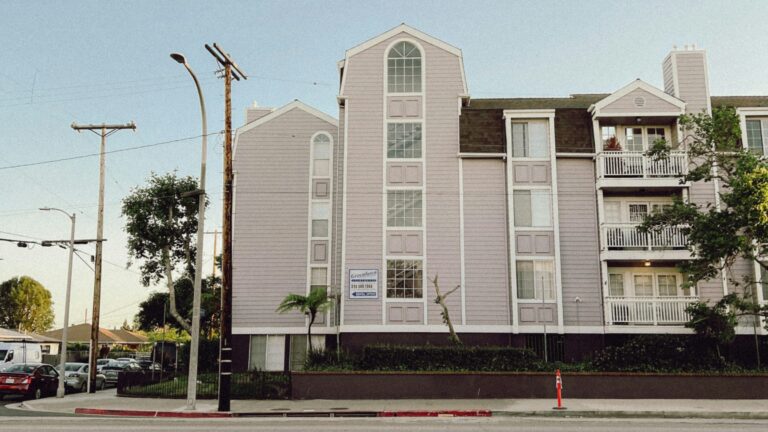 Selling as-is
The Soft-Story Retrofit Status Every Multifamily Seller in Los Angeles Must Check First
Los Angeles soft-story retrofit deadlines under Ordinance 183893 have passed for most buildings. Learn how to check compliance before you sell.
Read the guide →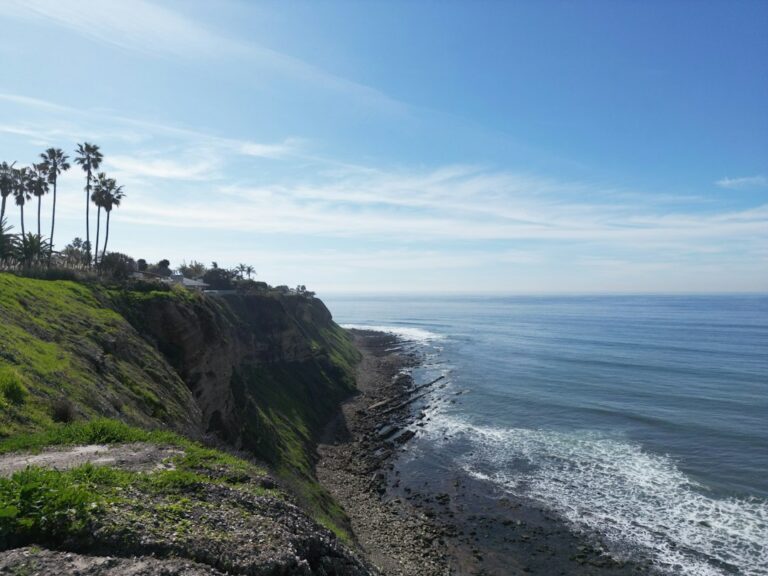 Selling as-is
What Rancho Palos Verdes’ Landslide Zones Mean for a Natural Hazard Disclosure
Rancho Palos Verdes sellers must check a landslide-zone box on the state Natural Hazard Disclosure Statement, separate from the earthquake fault question.
Read the guide → Selling as-is
Highland Park HPOZ Disclosure Rules Explained
Highland Park's historic overlay (HPOZ) governs renovations, but California's TDS and NHD disclosure rules still apply in full, even on an as-is sale.
Read the guide → Selling as-is
As-Is Disclosure Rules for an Older Pasadena, CA Home
Selling as-is in Pasadena doesn't skip California's disclosure law. See what Civil Code requires for the city's century-old Craftsman homes.
Read the guide → Selling as-is
The Anaverde HOA Disclosure Packet an As-Is Sale Still Requires
The Anaverde HOA disclosure packet under Civil Code 4525, plus the TDS and NHD duties an as-is sale in Anaverde, CA never removes, and why it adds time.
Read the guide → Selling for cash
What Actually Slows Down a Fast Burbank, CA Home Sale
Burbank, CA's water-retrofit ordinance can delay a fast home sale. See what actually slows closings and how to plan around it before you list.
Read the guide → Selling as-is
Beverly Hills, CA As-Is Sales: What You Still Disclose
Selling as-is in Beverly Hills, CA doesn't waive disclosure law. See what sellers must still tell buyers under California's TDS and NHD rules.
Read the guide → Selling as-is
Why “As-Is” Doesn’t Simplify Disclosure for a Winnetka, CA Seller
Civil Code 1102 still requires full disclosure on an as-is Winnetka sale -- here's what the TDS, NHD, and lead-paint rules actually require.
Read the guide →