
Sell Your House As-Is in East San Gabriel
- Foreclosure, inherited, tenants, damage — we buy it
- Zero fees, zero commissions, zero closing costs
- No obligation — turn the offer down and owe us nothing


No Repairs, No Inspection Renegotiation
We buy East San Gabriel houses in their current condition — no repair list, no appraisal contingency, no walking away after inspection.
“As-is” means something specific: you sell the house exactly as it stands, and the buyer has no right to demand repairs or a price cut after inspection.
In East San Gabriel, an unincorporated Los Angeles County community with 7,957 housing units and no city building department of its own, that matters more than usual, because a large share of the housing stock predates modern code and has never been through a full remodel.
Cash Home Buyers CA buys East San Gabriel houses in whatever condition they’re in, with no lender, no repair list and no renegotiation after we’ve seen the property.
What “As-Is” Actually Changes
A financed buyer’s lender requires an appraisal, and most loan programs will not fund a purchase if the appraiser flags certain conditions: exposed wiring, a non-functioning HVAC system, structural damage, or an unpermitted addition that does not appear on the county’s records.
When that happens, the buyer either walks away, asks you to complete the repair before closing, or asks for a credit and renegotiates the price — and any of those can add weeks.
Selling as-is to a cash buyer removes that step entirely: we do not order an appraisal, and our offer already accounts for the property’s actual condition.
What as-is does not change is disclosure. California law still requires you to disclose known material defects to a buyer, cash or financed, and that obligation is the same here as anywhere else in the state.
Why East San Gabriel’s Housing Stock Runs Into This Often
The county’s planning department traces East San Gabriel’s development to the 1920s, when the Michillinda district east of Chapman Woods was built out by transplants from Michigan, Illinois and Indiana on land that had been farmland until then.
A meaningful share of the community’s single-family houses date to roughly that era or the decades that followed, and with a median age of 41.8 and a population that grew 53.1 percent between the 2010 and 2020 census, many of those houses have stayed with long-term owners rather than turning over and getting updated.
Add the older apartment buildings woven into the same residential blocks, plus plant nurseries and light industrial parcels along Walnut Grove Avenue and the railroad right-of-way to the south, and you get a housing stock where deferred maintenance, aging systems and unpermitted work are common rather than unusual.
Conditions We Buy Without Requiring Repairs
- Original electrical or plumbing. A house that has never been rewired or replumbed since it was built decades ago will not clear a conventional appraisal, but it does not stop our offer.
- Unpermitted additions. Because permit history runs through the county’s Department of Regional Planning rather than a city building department, an addition without a matching permit is common here; we account for it in the offer instead of requiring it be resolved first.
- Fire, water or structural damage. Whatever the extent of the damage, we buy the property as it sits and do not require repairs before closing.
- Hoarding or heavy deferred maintenance. We do not require the house to be cleared out or cleaned before we make an offer or before closing.
- Older apartment buildings with deferred capital repairs. Roofing, plumbing stacks or electrical panels that a lender would flag on a small multifamily building do not stop a cash sale.
What We Check Before Making an Offer
We walk the property, pull the parcel’s permit and zoning history from the county’s Department of Regional Planning, and confirm there is no outstanding code enforcement action attached to it.
East San Gabriel carries no Very High Fire Hazard Severity Zone designation and no coastal zone restriction, since it sits on flat San Gabriel Valley ground rather than hillside terrain, so those two categories of retrofit requirement that complicate as-is sales elsewhere in the county generally do not apply here.
Our offer reflects what we find, adjusted for the actual work the property needs, not a hypothetical remodeled value.
We also check whether the parcel sits closer to the residential blocks in the Michillinda district or nearer the commercial and light-industrial frontage along Rosemead Boulevard and East Colorado Boulevard, since the two areas trade differently and that affects how we price condition issues.
A repair that would be a minor line item on a house backing up to a commercial corridor can matter more on a quiet single-family street where buyers expect a cleaner comparable set.
Cosmetic Issues Versus What Actually Stops a Financed Sale
Not every condition problem sinks a traditional listing. Worn carpet, dated kitchens and bathrooms, or a yard that needs landscaping are cosmetic, and a financed buyer’s lender generally does not care about any of it.
What actually stops a loan from funding is different: a roof at the end of its life, active water intrusion, a foundation issue, knob-and-tube or ungrounded wiring, galvanized or original cast-iron plumbing prone to leaks, or an addition without a matching county permit that a title company flags during escrow.
Those are the conditions that show up disproportionately in East San Gabriel’s older single-family stock and in the mid-century apartment buildings mixed into the same residential blocks, and they are exactly what our offer is built to absorb without a repair negotiation.
We make that distinction explicit when we walk a property. If what you have is mostly cosmetic, we will tell you a traditional listing likely nets more once you account for a light cleanup.
If what you have includes one or more of the structural or systems issues above, that is where an as-is cash sale tends to be worth more to you than the spread between our offer and a hypothetical fully-repaired price, because it removes the repair cost, the negotiation, and the risk of a buyer’s loan falling through over an inspection finding late in escrow.
As-Is Doesn’t Mean a Lower Standard of Diligence
Selling as-is does not mean the transaction skips normal steps. We still open escrow with a Los Angeles County title and escrow company, pull a preliminary title report, and record the deed with the Los Angeles County Registrar-Recorder/County Clerk in Norwalk.
The difference is that none of that depends on the house passing an appraisal or an inspection contingency, which is why a vacant house with clear title can generally close in two to three weeks rather than the 45 to 60 days a financed, repair-contingent sale often takes.
When Listing As-Is With an Agent Makes More Sense
Some East San Gabriel houses will still draw multiple offers even listed as-is, particularly a structurally sound single-family home on a quiet residential street away from the light industrial parcels.
In that situation, a traditional as-is listing with an agent can net more than our offer, and we say so directly rather than pushing a sale that doesn’t serve you.
Our offer is built for the rest of the housing stock: properties where the repair list, the permit gaps, or the tenancy in place would slow or block a financed buyer’s loan.
If you’re also weighing whether to sell fast or handle an inherited property that needs work before it can be listed, the same as-is standard applies to both. The same rules on repairs and disclosure apply to as-is sales across the rest of Los Angeles as well.
Sell a House As-Is in East San Gabriel Without a Repair List
To sell a house as-is in East San Gabriel is to hand over the property in its current condition and let the buyer carry the repair risk.
That works best on the kind of house this community has plenty of: an original-owner home in the Michillinda district, a small rental building with tired systems, or a house near the Walnut Grove Avenue nurseries that a lender’s appraiser finds hard to compare. We do not require repairs, an inspection contingency or a cleanout.
What Stays the Same When You Sell As-Is
As-is changes who pays for repairs, not what the law asks of a seller. California sellers generally still provide the Transfer Disclosure Statement, a Natural Hazard Disclosure and other required forms, and many purchase agreements add a Seller Property Questionnaire.
Disclose what you know, including an addition you are unsure was permitted; the buyer then prices it rather than asking you to fix it. A real estate attorney can answer questions about your specific disclosures.
As-Is Cash Sale vs. Fixing Up and Listing
| Factor | As-is cash sale | Repair and list |
|---|---|---|
| Repairs | None; condition is priced into the offer | Paid by you before or during the listing |
| Inspection | One walkthrough, no renegotiation | Buyer inspection often leads to credits |
| Cleanout | Leave what you do not want | House usually emptied and staged |
| Timeline | Often two to three weeks with clear title | Repair time, market time, then a 30 to 45 day escrow |
| Commissions | None to you | Often around 5 to 6 percent combined |
Houses We Buy As-Is in East San Gabriel
- Single-family houses with original wiring, galvanized plumbing or an older roof.
- Duplexes and small apartment buildings with deferred capital work, occupied or vacant.
- Homes with a garage conversion or rear unit that may not match the county’s permit records.
- Inherited houses full of belongings, where the family would rather not sort and haul.
If the house also came through an estate, read how we handle an inherited house in East San Gabriel. To get a written as-is offer, call or text 424-435-2326.
Frequently Asked Questions
Can I sell a house as-is in East San Gabriel with code violations?
Yes. We check county records for open code cases and price the work into the offer, so you do not have to clear the violation before closing.
Do I still fill out disclosures when I sell as-is?
Generally yes. As-is means no repairs, but California sellers still owe required disclosures such as the Transfer Disclosure Statement. Ask a real estate attorney about anything specific.
Will you lower the price after the walkthrough?
The written offer comes after the walkthrough and already reflects the condition we saw, so there is no separate inspection round to renegotiate it.
Do I have to clean the house out before you make an offer?
No. We can make and honor an offer on a house exactly as it sits, including furniture, debris or heavy clutter.
What if the addition on my house was never permitted?
That does not stop our offer. We pull permit history from the county’s Department of Regional Planning ourselves and price the property based on what we find.
Do I still have to disclose problems with the house?
Yes. Selling as-is changes what the buyer can demand you fix; it does not change your obligation to disclose known material defects.
Will you buy a small apartment building that needs major repairs?
Yes, including buildings with deferred roofing, plumbing or electrical work, occupied or vacant, and whether the units are currently rented or sitting empty.
Is an as-is sale always faster than a repair-contingent one?
Generally yes, because there is no appraisal or repair negotiation to wait on, though the exact timeline still depends on title and any tenancy or probate involved.
To sell your East San Gabriel house as-is, call or text 424-435-2326, or see our East San Gabriel cash-offer process for the full sequence.
Seller Guides
Helpful guides for homeowners in East San Gabriel
Plain-English answers to the questions sellers ask us most.
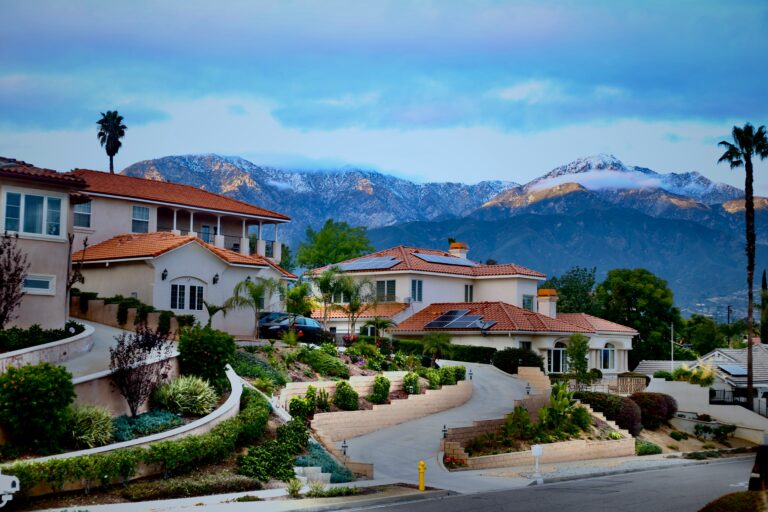 Rentals & tenants
Which Mountain View Rentals Does the CSFRA Actually Cover?
See which Mountain View rentals the CSFRA covers, its rent cap, just-cause eviction rules, relocation pay, and what landlords must do before raising rent.
Read the guide →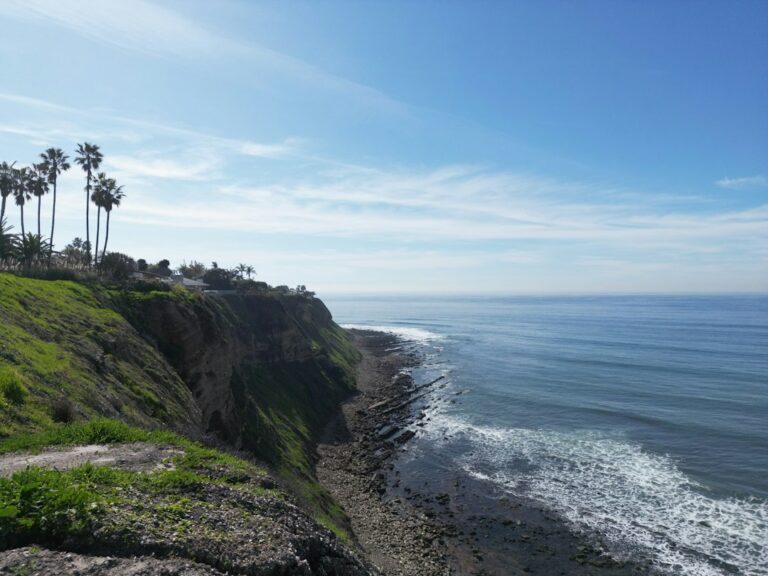 Selling as-is
What Rancho Palos Verdes’ Landslide Zones Mean for a Natural Hazard Disclosure
Rancho Palos Verdes sellers must check a landslide-zone box on the state Natural Hazard Disclosure Statement, separate from the earthquake fault question.
Read the guide →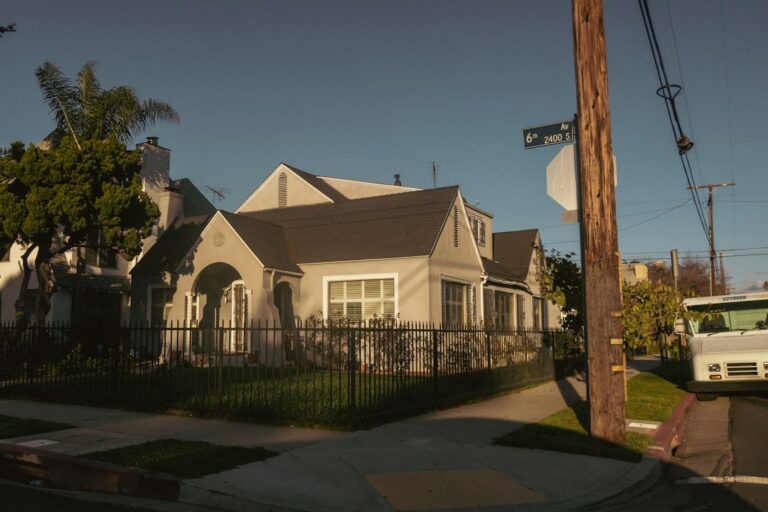 Selling as-is
Highland Park HPOZ Disclosure Rules Explained
Highland Park's historic overlay (HPOZ) governs renovations, but California's TDS and NHD disclosure rules still apply in full, even on an as-is sale.
Read the guide →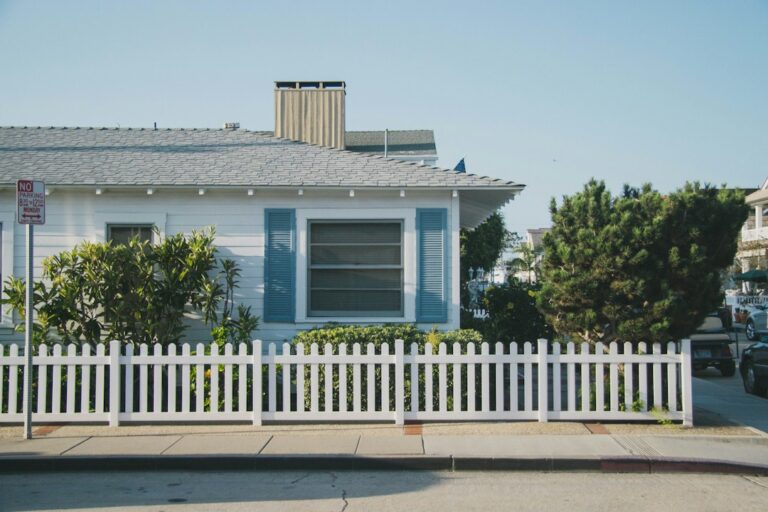 Selling as-is
As-Is Disclosure Rules for an Older Pasadena, CA Home
Selling as-is in Pasadena doesn't skip California's disclosure law. See what Civil Code requires for the city's century-old Craftsman homes.
Read the guide → Selling as-is
The Anaverde HOA Disclosure Packet an As-Is Sale Still Requires
The Anaverde HOA disclosure packet under Civil Code 4525, plus the TDS and NHD duties an as-is sale in Anaverde, CA never removes, and why it adds time.
Read the guide → Selling as-is
Beverly Hills, CA As-Is Sales: What You Still Disclose
Selling as-is in Beverly Hills, CA doesn't waive disclosure law. See what sellers must still tell buyers under California's TDS and NHD rules.
Read the guide →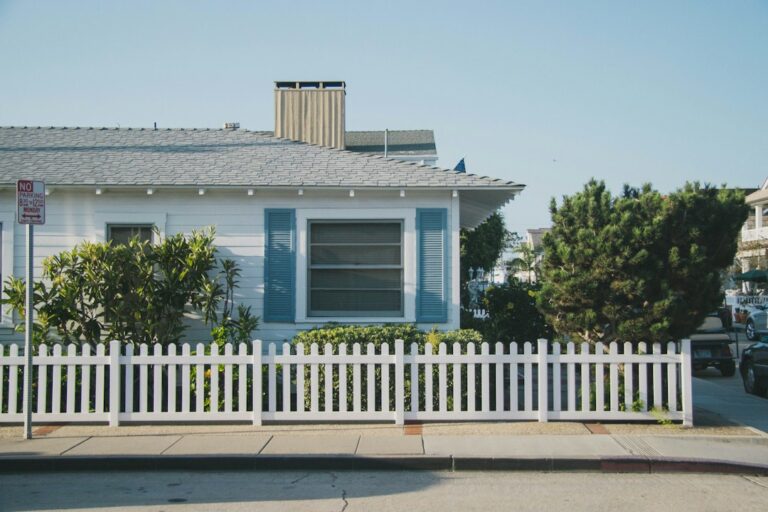 Selling as-is
Why “As-Is” Doesn’t Simplify Disclosure for a Winnetka, CA Seller
Civil Code 1102 still requires full disclosure on an as-is Winnetka sale -- here's what the TDS, NHD, and lead-paint rules actually require.
Read the guide →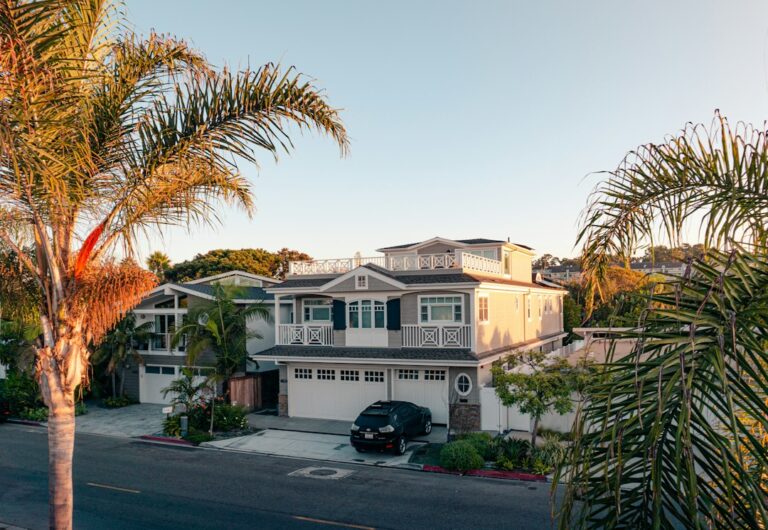 Selling as-is
What California’s As-Is Disclosure Law Still Requires in Gardena
Selling as-is in Gardena does not skip California disclosure law. See what sellers must still disclose, plus local zoning and jurisdiction quirks.
Read the guide →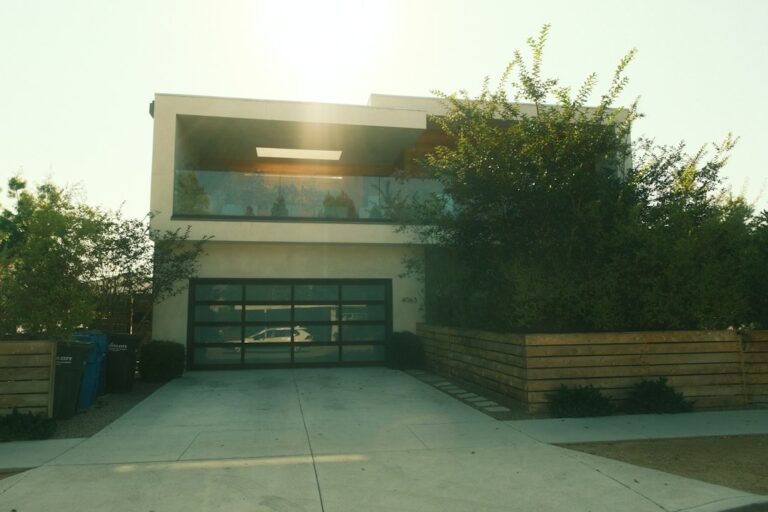 Selling as-is
Why Culver City’s As-Is Disclosure Rules Aren’t Los Angeles’s
As-is doesn't skip California disclosure law. Learn why Culver City permit and code records come from its own city hall, not LA, before you sell as-is.
Read the guide →