
Sell a House As-Is in Hidden Hills
- Foreclosure, inherited, tenants, damage — we buy it
- Zero fees, zero commissions, zero closing costs
- No obligation — turn the offer down and owe us nothing


Sell a Large Estate Without Fixing a Thing
What selling “as-is” actually changes for an equestrian estate property, and what it doesn’t.
Selling “as-is” means a buyer purchases the property in its current physical condition, with no expectation that you’ll make repairs, updates, or improvements before closing.
On a large Hidden Hills estate, that can mean a great deal: an older main house, an aging pool or tennis court, a barn or arena that hasn’t been actively used in years, fencing, drainage, or grading issues across a multi-acre lot, or simply decades of deferred maintenance on a property that was never meant to be sold quickly.
Cash Home Buyers CA purchases Hidden Hills properties as-is, which removes the repair-and-negotiate cycle that a financed retail sale usually involves.
What “As-Is” Actually Changes
In a traditional sale, a buyer’s inspection almost always turns up something, and the repair-credit negotiation that follows can add one to two weeks even when both sides want the deal to close — longer on a large property with multiple structures, equestrian facilities, and extensive grounds to inspect.
Selling as-is to a direct buyer skips that negotiation entirely. We factor the property’s condition into our offer up front, rather than asking you to fix anything or provide a credit after the fact.
What It Doesn’t Change
As-is doesn’t remove your legal disclosure obligations. California law still requires sellers to disclose known material facts about the property’s condition through the statutory Transfer Disclosure Statement and related forms, regardless of how the sale is structured. Selling as-is means the buyer isn’t asking you to remediate what you disclose — it doesn’t mean the disclosure itself goes away.
Common As-Is Situations on Estate Properties Like These
- Aging equestrian facilities. Barns, stalls, arenas, and paddock fencing that haven’t been actively maintained can represent significant repair costs a retail buyer would negotiate hard over.
- Older main structures. Many Hidden Hills homes were built decades ago; outdated systems, roofing, or additions that don’t match current permitting records are common and can complicate a financed sale’s appraisal and inspection process.
- Pools, courts, and hardscape. Large-lot amenities add real value when maintained, but become negotiating points quickly when they haven’t been.
- Vacant or lightly used properties. A home that’s sat unused for a stretch of time often needs work simply to pass a standard inspection, even if nothing is structurally wrong.
How Pricing Works
We evaluate the property’s condition, its lot and improvements, and comparable sales — both within Hidden Hills where available and in similar gated, equestrian-oriented communities nearby, given how few Hidden Hills sales occur in any given stretch of time — to arrive at a written cash offer, typically within 24 to 48 hours. There’s no cost to get that number and no obligation to accept it.
Why As-Is Often Makes More Sense Here Than Elsewhere
On a typical suburban home, a seller can often justify the time and expense of a few targeted repairs before listing.
On a multi-acre estate with a barn, arena, guest house, or pool house, the scope and cost of getting everything retail-ready can be substantial, and a financed buyer’s lender may still require additional repairs after inspection regardless of what you’ve already done.
Selling as-is to a direct buyer sidesteps that spend entirely, which is often the more sensible path when the property’s scale makes a full pre-sale renovation impractical.
It’s also worth noting that contractor access itself can be a logistical hurdle in a guard-gated community — every crew, delivery, and inspector needs to be cleared through the gate, scheduled in advance, and often escorted, which adds friction and time to even a modest repair project that would be simple in a non-gated neighborhood. Selling as-is avoids that entire layer of coordination.
Get a free, no-obligation cash offer from Cash Home Buyers CA today.
Frequently Asked Questions
Do I need to clean out or repair the property before you'll make an offer?
No. We evaluate the property in its current condition, whatever that condition is, and factor it into the offer.
What if the property has an unused barn or riding arena?
That's common on Hidden Hills estates and doesn't stop us from making an offer — we account for the condition of every structure on the lot.
Do I still have to disclose problems with the property?
Yes. California's disclosure requirements apply regardless of how the sale is structured; selling as-is just means we're not asking you to fix what you disclose.
Will an as-is sale still involve an inspection?
We may walk the property to confirm its condition, but there's no repair-negotiation period the way there typically is with a financed retail buyer.
Seller Guides
Helpful guides for homeowners in Hidden Hills
Plain-English answers to the questions sellers ask us most.
- Selling as-is
The Soft-Story Retrofit Status Every Multifamily Seller in Los Angeles Must Check First
If you own a multi-unit building in Los Angeles built before 1978, the city's mandatory soft-story retrofit deadlines have likely already passed…
Read the guide → 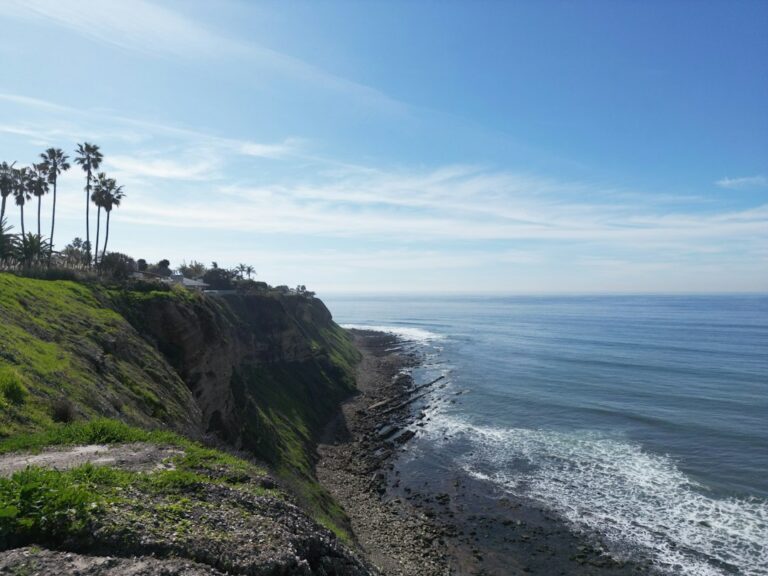 Selling as-is
What Rancho Palos Verdes’ Landslide Zones Mean for a Natural Hazard Disclosure
Rancho Palos Verdes sellers must check a landslide-zone box on the state Natural Hazard Disclosure Statement, separate from the earthquake fault question.
Read the guide →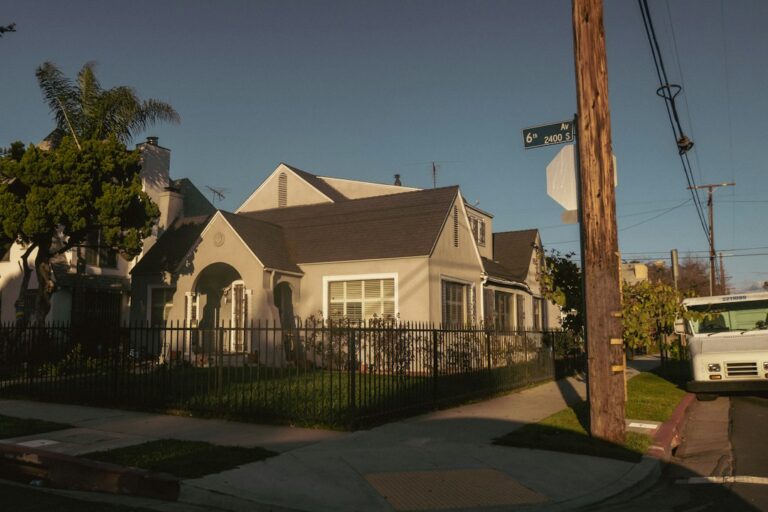 Selling as-is
Highland Park HPOZ Disclosure Rules Explained
Highland Park's historic overlay (HPOZ) governs renovations, but California's TDS and NHD disclosure rules still apply in full, even on an as-is sale.
Read the guide →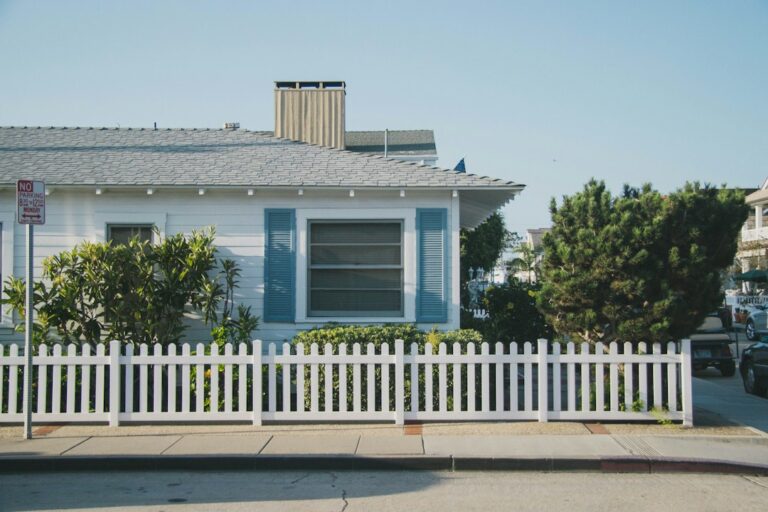 Selling as-is
As-Is Disclosure Rules for an Older Pasadena, CA Home
Selling as-is in Pasadena doesn't skip California's disclosure law. See what Civil Code requires for the city's century-old Craftsman homes.
Read the guide →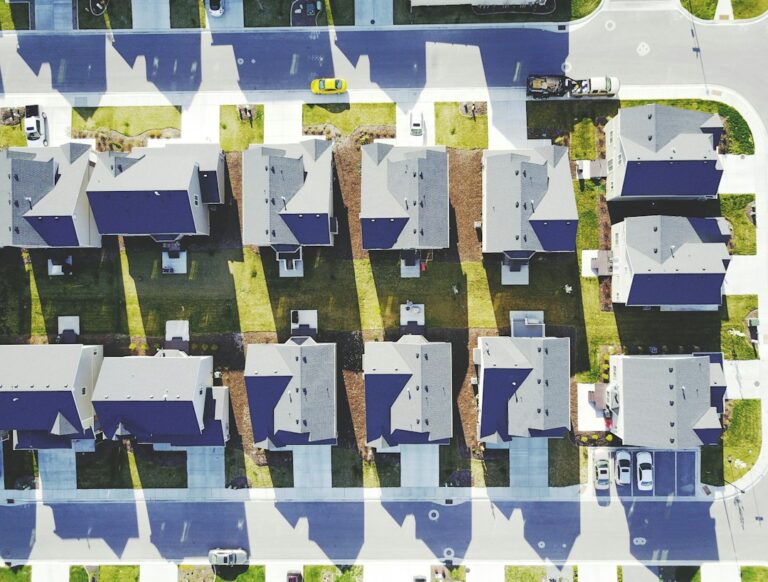 Selling as-is
The Anaverde HOA Disclosure Packet an As-Is Sale Still Requires
The Anaverde HOA disclosure packet under Civil Code 4525, plus the TDS and NHD duties an as-is sale in Anaverde, CA never removes, and why it adds time.
Read the guide →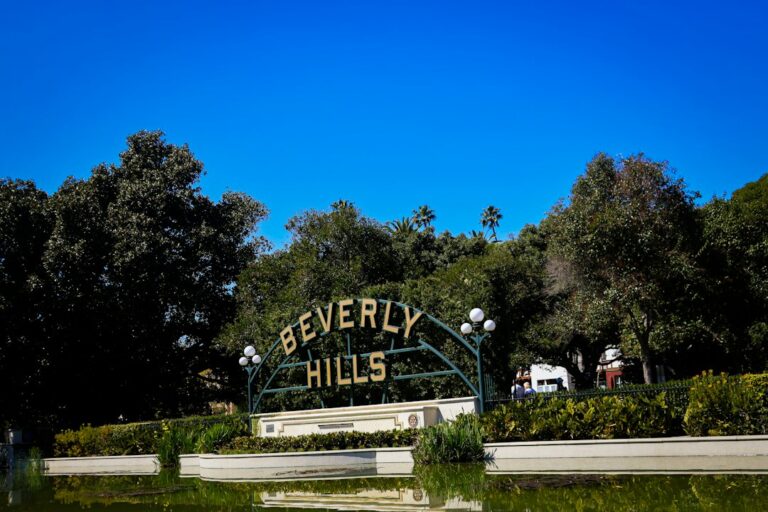 Selling as-is
Beverly Hills, CA As-Is Sales: What You Still Disclose
Selling as-is in Beverly Hills, CA doesn't waive disclosure law. See what sellers must still tell buyers under California's TDS and NHD rules.
Read the guide → Selling as-is
Why “As-Is” Doesn’t Simplify Disclosure for a Winnetka, CA Seller
Civil Code 1102 still requires full disclosure on an as-is Winnetka sale -- here's what the TDS, NHD, and lead-paint rules actually require.
Read the guide → Selling as-is
What California’s As-Is Disclosure Law Still Requires in Gardena
Selling as-is in Gardena does not skip California disclosure law. See what sellers must still disclose, plus local zoning and jurisdiction quirks.
Read the guide → Selling as-is
Why Culver City’s As-Is Disclosure Rules Aren’t Los Angeles’s
As-is doesn't skip California disclosure law. Learn why Culver City permit and code records come from its own city hall, not LA, before you sell as-is.
Read the guide →