
Sell a House During Divorce in Hidden Hills
- Foreclosure, inherited, tenants, damage — we buy it
- Zero fees, zero commissions, zero closing costs
- No obligation — turn the offer down and owe us nothing


Selling With Both Privacy and Legal Coordination in Mind
Community property rules, ATROs, and why discretion matters even more inside a gated community.
Divorce is difficult anywhere, but selling a shared property in a small, gated community like Hidden Hills adds a layer most sellers elsewhere don’t deal with: everyone involved — the HOA, neighbors, staff, service providers — is aware of far more than they would be in a larger city.
Cash Home Buyers CA works with divorcing couples and their attorneys to sell a Hidden Hills property quickly, privately, and with proceeds handled cleanly through escrow.
Community Property and ATROs
California is a community property state, meaning property acquired during the marriage is generally presumed to belong to both spouses equally, regardless of whose name is on title, unless there’s a valid agreement stating otherwise.
Once a divorce petition is filed, Automatic Temporary Restraining Orders (ATROs) go into effect for both parties, generally prohibiting either spouse from selling, transferring, borrowing against, or otherwise disposing of property outside the normal course of business without the other spouse’s written consent or a court order.
In practice, this means a sale during divorce typically requires both spouses to agree to the transaction, or a court order authorizing it.
Why Coordination Matters More Than Speed Alone
Because ATROs are in effect, we can’t simply take direction from one spouse and close — both parties (or their attorneys) typically need to be involved in agreeing to terms and, in many cases, in how sale proceeds get held or divided.
We regularly work alongside family law attorneys to make sure a sale is structured in a way the Los Angeles County Superior Court and both parties’ counsel are comfortable with, rather than creating a new dispute out of the sale itself.
Privacy Considerations Unique to a Community Like This
A public listing during a divorce means public photos, showings, and often speculation among neighbors in a community where everyone tends to know everyone. A private, direct sale avoids all of that: no public marketing, no open houses, no strangers walking the property, and a transaction that can close on a schedule both parties agree to without months of showings dragging out an already difficult process.
How Proceeds Are Handled
Sale proceeds move through the licensed escrow company handling the closing, which can hold or disburse funds according to the couple’s settlement agreement or a court order — not according to instructions from either spouse individually. This keeps the transaction neutral and avoids putting either party in the position of controlling the other’s share.
Getting Started
If you and your spouse (or your attorneys) have agreed that selling is the right path, we can provide a written cash offer, typically within 24 to 48 hours, and structure closing around whatever your settlement or court order requires.
Why Speed Also Helps in a Divorce Sale
Beyond privacy, a fast, certain closing limits how long a divorcing couple has to keep jointly managing a shared property — splitting the mortgage, HOA and gate fees, insurance, and upkeep on a large estate while a case is still working its way through the Los Angeles County Superior Court.
Removing that shared financial obligation sooner rather than later often reduces friction between both parties during an already stressful process, and a direct cash sale with no financing contingency avoids the added stress of a deal falling through midway.
We’re also comfortable communicating with both spouses’ attorneys simultaneously, providing the same information and the same written offer to everyone at once, so neither side has to worry about being left out of the conversation or receiving different terms than the other.
Get a free, no-obligation cash offer from Cash Home Buyers CA today.
Frequently Asked Questions
Can one spouse sell the house alone during a divorce?
Generally no. ATROs typically prevent either spouse from selling or transferring the property without the other’s written consent or a court order.
How is the house divided if it’s community property?
Property acquired during the marriage is generally presumed to be owned equally by both spouses, though the specifics depend on your situation and any agreements in place; a family law attorney can advise on your case.
Can this stay private, without a public listing?
Yes. We work entirely by private appointment, with no public marketing, signage, or showings to outside buyers.
How are the proceeds handled between us?
Proceeds move through the licensed escrow company handling closing and are disbursed according to your settlement agreement or court order, not at either spouse’s individual direction.
Seller Guides
Helpful guides for homeowners in Hidden Hills
Plain-English answers to the questions sellers ask us most.
- Selling for cash
Selling After 55 in California? How Prop 19 Lets You Carry Your Tax Base to the Next Home
Proposition 19 lets California homeowners 55 and older carry their property tax base to a new home anywhere in the state, up…
Read the guide →  Inherited homes & probate
Partition Actions Between Heirs: How California Law Forces a House Sale
California heirs can force a house sale through a partition action under CCP 872-874, with court referees, confirmation hearings, and buyout rights.
Read the guide →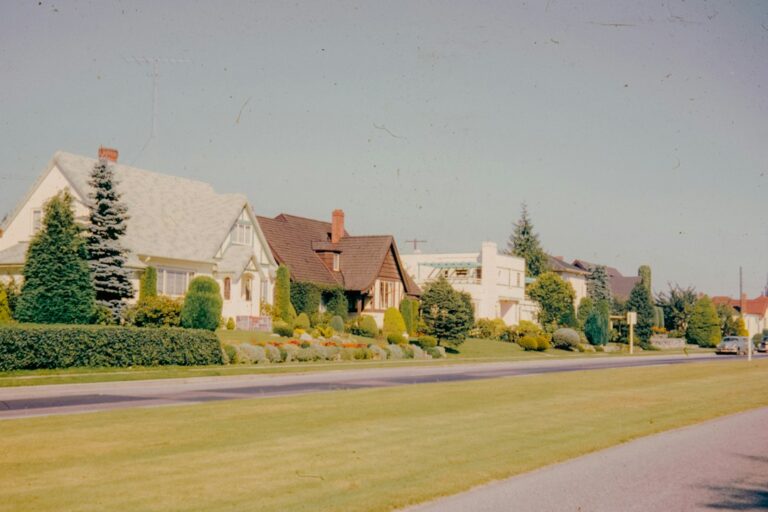 Divorce
Divorcing in North Long Beach? Who Gets the House, and What Taxes Follow
Divorcing in North Long Beach, CA? Learn how buyouts, Duke orders, Watts/Epstein credits, and capital gains tax rules affect splitting your house.
Read the guide → Divorce
Why a West Covina Divorce Sale Doesn’t Always Trigger a Tax Reassessment
A West Covina divorce buyout usually keeps the home's Prop 13 tax basis, but selling to a cash buyer does not. See how that affects your decision.
Read the guide → Divorce
Who Gets Credit for the Down Payment on an Agua Dulce Ranch in a Divorce
Learn how California Family Code Section 2640 reimburses a separate-property down payment on an Agua Dulce horse property when a marriage ends in divorce.
Read the guide →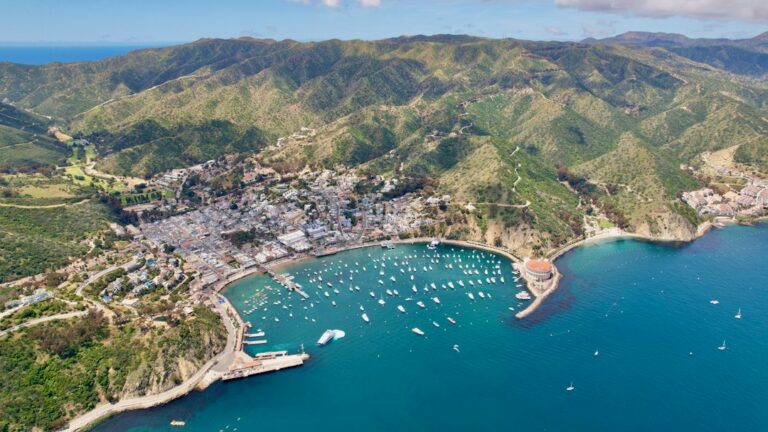 Divorce
Dividing a House in an Avalon, CA Catalina Divorce
Dividing an Avalon, CA home in divorce? See how California community property law, rental license limits, and island appraisals affect your split.
Read the guide → Divorce
Separate Property Reimbursement in a Monrovia Divorce
How Family Code 2640 and the Moore/Marsden formula decide what a spouse gets back before a Monrovia, CA home sells or one spouse buys the other out.
Read the guide → Divorce
How Community Property Division Works for a Whittier Home Sale
See how California law splits community versus separate property for a Whittier house sale during divorce, and what each spouse can claim back.
Read the guide → Divorce
How Community Property Division Plays Out for a Duarte, CA Home
How California's community property law divides a Duarte home in divorce, including Family Code 2640 reimbursement, Watts charges, and Epstein credits.
Read the guide →