
Sell a House As-Is in Santa Clarita: No Repairs, Fair Cash Offer
- Foreclosure, inherited, tenants, damage — we buy it
- Zero fees, zero commissions, zero closing costs
- No obligation — turn the offer down and owe us nothing


Skip the Repairs Entirely
What selling as-is changes, what California disclosure law still requires, and how it works for Santa Clarita’s mix of newer tract homes and older Newhall-area properties.
If you want to sell house as-is Santa Clarita style, without fixing the roof, replacing the 1970s kitchen or patching the cracks along the pool deck, you can.
Cash Home Buyers CA buys houses across Valencia, Saugus, Newhall and Canyon Country in their current condition, with no repairs, no cleaning and no inspection list to negotiate.
This page explains what an as-is sale really changes, the condition issues that are common in Santa Clarita’s housing, how repair costs compare with as-is pricing, which California disclosures still apply, and how to handle permits and unpermitted work.
Sell House As-Is Santa Clarita: What It Means
An as-is sale means you are not agreeing to make repairs or give repair credits before closing. The buyer takes the house in the condition it is in on the day of the offer. In a direct cash sale to us, that means no contractor bids, no pre-listing work, no staging and no back-and-forth over an inspection report. The price already reflects the work the house needs.
“As-is” is not a magic phrase, though. It does not remove your duty to tell a buyer what you know about the house, and it does not stop a financed buyer from walking away if their lender requires repairs. That is why an as-is listing on the open market often ends up being renegotiated anyway, while an as-is sale to a cash buyer usually stays at the agreed price.
Selling a House As Is in Santa Clarita: What Changes and What Doesn’t
Here is the practical difference between selling a house as is and selling it after repairs:
- What changes. You do not fix anything, you do not pay for repairs out of pocket, and you do not negotiate credits after an inspection. You can also leave furniture and belongings behind if you sell to us.
- What does not change. You still complete the standard seller disclosures. You still need clear title, which means loans and liens are paid off through escrow. If the house is in an HOA, the association still provides its resale documents. And the sale still records with the Los Angeles County Registrar-Recorder/County Clerk like any other.
When owners talk about selling a house as is, the main fear is usually liability after closing. The best protection is simple: disclose what you know, in writing, and let the buyer decide. We buy with full knowledge of the condition we have seen and the disclosures you have made.
Common Condition Issues in Santa Clarita’s Housing Stock
Santa Clarita was incorporated in 1987, but its houses span most of the twentieth century and beyond. The Rancho Santa Clarita tract in Saugus was built in 1947. Valencia’s first subdivision, Old Orchard I, opened in 1967 and the master plan grew village by village for decades after.
Large tracts went up in Saugus and Canyon Country from the 1960s through the 1980s, and newer neighborhoods such as West Creek, Five Knolls, Skyline Ranch and Vista Canyon followed in the 2000s and 2010s. Each era comes with its own typical problems.
- 1940s to 1960s houses, mostly in Newhall and parts of Saugus. Older galvanized or cast iron plumbing, undersized electrical service, original single-pane windows, raised foundations with older framing connections, and additions built long before current codes.
- 1960s and 1970s tracts in Valencia, Saugus and Canyon Country. Roofs and HVAC systems on their second or third replacement cycle, older electrical panels that some insurers and buyers question, aluminum branch wiring in some houses from that period, original kitchens and bathrooms, and pools that need resurfacing and new equipment.
- 1980s and 1990s two-story tracts. Water heaters, HVAC and roofs reaching the end of their lives, some plumbing systems with older supply lines that buyers’ inspectors flag, and stucco and window seals that have aged in the heat.
- Hillside and canyon-edge lots. Retaining walls, slope drainage, erosion and brush clearance. Many of these houses sit in a fire hazard severity zone; the State Fire Marshal’s 2025 maps place about 33,278 acres of the city’s local responsibility area in the Very High zone.
- Any era. Unpermitted patio enclosures, garage conversions and room additions; foundation cracks; slab leaks; termite damage; and deferred maintenance after long ownership or a vacancy.
None of these stops a cash sale. They do make a financed sale harder, because a buyer’s lender, appraiser and insurer all look at condition before the loan funds.
Repair Costs vs. As-Is Pricing
The question most owners ask is whether it pays to fix the house first. Sometimes it does. Often it does not, once you add up the cost, time and risk of doing the work yourself.
| Approach | What you pay | How long it takes | Risks |
|---|---|---|---|
| Fix everything, then list | Contractor costs paid up front, plus commission and carrying costs | Months of work plus the 112-day average marketing period Movoto reported for September 2026, plus escrow | Cost overruns, permit delays, buyer still asks for credits |
| Fix the basics, then list | Smaller repair bill, plus commission and carrying costs | Weeks of work plus marketing and escrow | Inspection still finds items; appraisal or lender conditions |
| List as-is on the open market | Commission and carrying costs | Marketing period plus escrow | Financed buyers renegotiate or cancel |
| Sell as-is to us | No repairs, no commission | Usually 7 to 14 days | Lower headline price than a fully renovated house |
Repairs make the most sense when they are cheap, quick and visible, such as paint, landscaping or a minor fixture, and when the house is otherwise in good condition in a strong neighborhood.
They make the least sense when the work is expensive or structural, when permits are involved, or when you need to sell by a particular date.
A new roof, a sewer line replacement or a slope repair can cost tens of thousands of dollars and still only partly show up in the sale price.
When you sell to us, we pay the standard closing costs, including the county and city transfer taxes, escrow and title, so the written offer is close to what you actually receive after your loan payoff.
How We Price an As-Is House
Our as-is offer starts with the value of similar houses that have sold recently in the same part of the valley, in updated condition. From there, we estimate the work needed to bring your house up to that standard, room by room and system by system, and subtract it.
We then subtract the costs of owning the house during the work, such as taxes, insurance, utilities, HOA dues and any special taxes, plus the cost of selling it later, and leave a margin for the surprises that always turn up once walls are opened.
Two things matter most to the accuracy of that number. The first is seeing the house, because photos rarely show a sagging roofline, a cracked slab or a damp crawlspace. The second is local cost knowledge.
Roof, HVAC and slope work in Santa Clarita has its own price range, and pools, retaining walls and brush clearance are more common here than in flatter parts of Los Angeles County.
We will walk you through the main repair items we priced if you ask, so you can see where the number came from.
Mistakes to Avoid When Selling As-Is
A few common missteps cost as-is sellers time or money:
- Starting repairs halfway. A half-finished kitchen or a roof that is torn off but not replaced can lower the price more than leaving the original in place. If you are going to sell as-is, stop before you start.
- Hiding a known problem. Painting over a water stain or leaving a known slab leak off the disclosures creates liability that an as-is clause will not fix. Disclose it and let the price reflect it.
- Listing as-is without a plan for financed buyers. Many retail buyers need FHA, VA or conventional loans that come with condition standards. If the house will not meet them, an as-is listing can attract offers that fall apart weeks later.
- Accepting the highest number without reading the terms. Some as-is offers include a long inspection period and a price that drops after the inspection. Ask whether the price can change before you sign.
- Throwing money at cleanup. Hauling, deep cleaning and junk removal can cost thousands. If you sell to us, you can leave what you do not want.
Can you sell a house as is and still get a fair price? Yes, if you compare real net numbers and avoid these mistakes.
Selling As-Is When the House Is Vacant, Rented or Part of an Estate
As-is sales often overlap with other situations. A vacant house is a particular worry in a fire-prone area, because many insurers restrict coverage on homes left empty for long periods, and empty houses attract break-ins and squatters. Selling quickly and as-is limits that exposure.
A tenant-occupied house can be sold as-is with the lease in place, and we coordinate access with proper notice. An inherited house is often the clearest case for an as-is sale, because the heirs rarely know its history and do not want to manage a renovation from a distance.
In each case the steps are the same: a walkthrough, a written offer, disclosures based on what you know, and a closing through a neutral title and escrow company.
Disclosures Still Required When You Sell As-Is
California law puts the duty to disclose on the seller, and an as-is clause does not change that. In most sales of one to four homes, you will complete the Transfer Disclosure Statement, describing known defects, and receive a Natural Hazard Disclosure report showing flood, seismic and fire hazard zones.
HOA properties need the association’s resale documents, parcels in a community facilities district need a special tax notice, and houses built before 1978 need a lead-based paint disclosure.
Certain transfers, such as some court-supervised probate sales, are exempt from the TDS, but the general duty not to hide known material facts remains.
Practical tips for as-is disclosures:
- Write down what you know, even if it seems minor: past roof leaks, a repaired slab leak, a slope that moved after heavy rain, an addition you believe was not permitted.
- Attach any reports you already have, such as old inspection reports, termite reports or repair invoices.
- If you do not know, say so. You are not required to investigate, only to share what you actually know.
- If you inherited the house and never lived there, note that on the forms. Your knowledge is limited, and that is acceptable.
Permits and Unpermitted Work
Unpermitted work is one of the most common issues in older Santa Clarita houses. Inside city limits, permits are handled by the City of Santa Clarita’s Building and Safety division; houses in nearby unincorporated communities such as Stevenson Ranch or Castaic go through Los Angeles County instead.
A financed buyer’s appraiser may give no value to unpermitted square footage, and some lenders will not fund until it is permitted or removed.
You do not need to legalize anything to sell to us. We will ask what you know about the history of the work, look at it during the walkthrough, and price the house with that in mind. Disclose what you know about unpermitted work on your forms.
If you have any old permit cards or plans, bring them, because they sometimes show that work thought to be unpermitted was actually signed off.
How to Sell Your House As Is: Step by Step
- Gather what you know. Old reports, permits, repair invoices, HOA contact information and your most recent tax bill.
- Call or fill in the form. Tell us about the house and any problems you are aware of. Call or text (424) 435-2326.
- Walkthrough. We look at the house as it is. No cleaning or staging needed.
- Written offer. Usually within 24 to 48 hours, with the price, closing date and terms.
- Disclosures. You complete the standard forms with what you know.
- Escrow and closing. A neutral title and escrow company handles title, payoffs and recording. Most closings take 7 to 14 days, or later if you prefer.
That is how to sell your house as is without spending money on contractors first. For a closer look at each stage, our guide to getting a cash offer for my house Santa Clarita covers the paperwork in detail.
As Is Home Sale vs. Renovating to Sell
An as is home sale is not the right answer for every house. If your house is in good shape and needs only cosmetic work, a few weekends of paint and yard cleanup followed by a listing may bring a better net.
If the house has major systems at the end of their life, structural or slope issues, unpermitted additions, or simply more work than you want to take on, an as-is sale avoids the cost, the time and the uncertainty.
A few situations where an as-is sale almost always makes sense in Santa Clarita:
- Inherited houses that have not been updated in decades, especially when the heirs live elsewhere. Our page on how to sell inherited house Santa Clarita covers probate, trusts and heirs.
- Houses with insurance problems in a fire hazard zone, where a financed buyer cannot get a policy bound in time.
- Rentals after a long tenancy, when wear and deferred maintenance have built up.
- Owners on a deadline, such as a move or a lender's schedule. See how to sell my house fast Santa Clarita if timing is the main issue.
A Quick Condition Walk-Through Before You Call
You do not have to inspect anything to get an as-is offer, but a ten-minute look around helps you describe the house accurately, and an accurate description gets you an accurate number. Go room by room and jot down what you know, not what you guess.
- Roof and attic. Any leaks, stained ceilings, missing shingles or tiles, and roughly how old the roof is. If you do not know, say so.
- Heating and cooling. Does the system run? Santa Clarita summers are hard on air conditioners, so a unit more than fifteen years old is worth mentioning.
- Electrical panel. In older houses, a panel that is undersized or from a brand with a known reputation for problems can be a sticking point for lenders. Note the brand if you can read it on the door.
- Plumbing. Low water pressure, slow drains, discolored water or past slab leaks. Say what was repaired and when.
- Foundation and slope. Cracks you have seen get wider, doors that stick, or soil that has moved after a wet winter.
- Pool or spa. Whether it holds water, whether the equipment runs, and whether the plaster is failing.
- Termites. Any past treatment, report or visible damage around eaves and door frames.
Take a few phone photos of the problem areas. Send them to us before the walkthrough if you like. Nothing on this list disqualifies a house. It just tells us what to look at first.
What to Do With Furniture and Belongings in an As-Is Sale
Selling as-is often means selling with the contents still inside, especially after a move-out or a death in the family. You have three workable choices. You can clear the house yourself and leave it empty.
You can take what you want and leave the remainder, with that written into the purchase agreement. Or you can ask for a later closing date to give yourself time to sort things in stages.
What matters is that the agreement says which of these you chose, so nobody is surprised at the final walkthrough. Anything of value, such as jewelry, firearms, important papers, family photos or vehicle titles, should leave the house before closing, not after.
Comparing Two As-Is Offers Side by Side
Two offers with the same headline price can be very different deals. Put them next to each other and check the following before you decide.
- Deposit. How much, and does it go to a neutral escrow company on the day escrow opens?
- Inspection period. How many days, and what exactly can the buyer ask for if they find something?
- Price changes. Under what conditions can the number be lowered after you accept?
- Who pays what. Transfer tax, escrow, title and any HOA charges, in dollars where possible.
- Closing date and flexibility. Can it move later if you need more time to pack?
- Proof of funds. Ask how the buyer will pay and whether they buy directly or bring a vetted cash buyer.
The offer that looks lower on paper but has no price changes and a short inspection window may put more money in your pocket than the higher one that shrinks at the last minute.
What Happens to the House After We Buy It
Most houses we buy as-is are repaired and updated, then either rented or sold to a new owner. That work goes through the normal permit process, which means old unpermitted additions are either legalized or removed, outdated electrical and plumbing are replaced, and slopes and drainage are corrected where needed.
For neighbors, an as-is sale usually means a long-neglected house on the street gets fixed. For you, it means the repair work, the permits and the risk of what turns up behind the walls are no longer your problem.
Sell House As-Is Santa Clarita FAQ
Can I sell my house as is in Santa Clarita, California, without making repairs?
Yes. You can sell a house as is to any buyer willing to accept it, and a cash buyer is the most likely to keep the agreed price. You still complete the standard disclosures, but you do not have to fix anything.
Is selling your home as is a bad idea if it is in good condition?
Not necessarily, but you may leave money on the table. Selling your home as is works best when repairs are expensive, slow or uncertain. If the house needs only cosmetic work and you have time, compare a listing with our offer before deciding.
Will you buy a house with foundation, slope or drainage problems?
Yes. We evaluate the problem during the walkthrough and price the repair into the offer. You disclose what you know, and we take it from there.
What if my house has an unpermitted addition or garage conversion?
We buy houses with unpermitted work. You do not need to legalize or remove it first. Tell us what you know about it and include it on your disclosures.
Can you buy a house in a fire hazard zone that lost its insurance?
Yes. Because we pay cash, we do not need a lender-required policy to close. The fire zone is still disclosed through the Natural Hazard Disclosure report.
Do I need a home inspection to sell my house as is in Santa Clarita?
No. Some sellers like to have one so they know what they are dealing with, and that is fine, but any report you get becomes something you know and should disclose. We do our own walkthrough and do not require you to order inspections.
Do you buy as-is condos and townhomes, including in Stevenson Ranch?
Yes, in the city and in nearby unincorporated areas such as Stevenson Ranch, including units in associations with special assessments or deferred maintenance. We order the HOA resale documents through escrow. Our we buy houses Santa Clarita page covers all the property types we buy.
Get Your As-Is Offer
You do not need to fix, clean or explain away anything to get a number. Call or text (424) 435-2326 or fill in the form at the top of this page, and we will see the house as it is and give you a written cash offer, usually within 24 to 48 hours.
Seller Guides
Helpful guides for homeowners in Santa Clarita
Plain-English answers to the questions sellers ask us most.
 Selling for cash
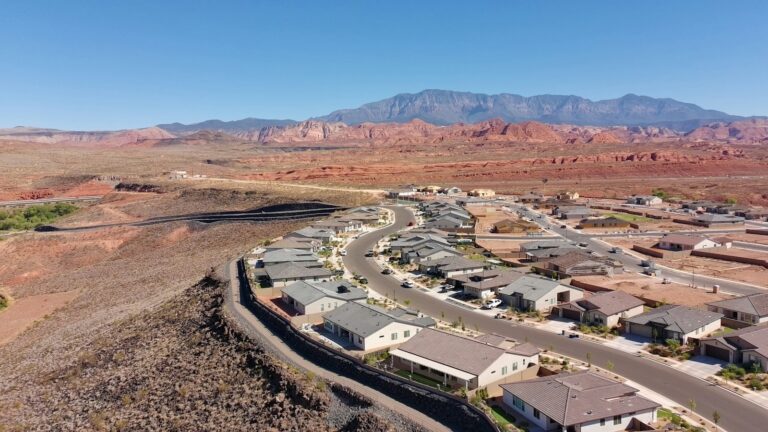
Menifee’s Mello-Roos Tax Districts: What a Seller Needs to Know Before Listing
Menifee's growth means many homes sit inside a Mello-Roos CFD. Here's what the special tax is, how it appears on the bill, and what sellers must disclose.
Read the guide → Selling as-is
When California Law Exempts a Home Sale From the Transfer Disclosure Statement
California law exempts probate, trustee's sale and fiduciary transfers from the Transfer Disclosure Statement. Here is which sales actually qualify.
Read the guide →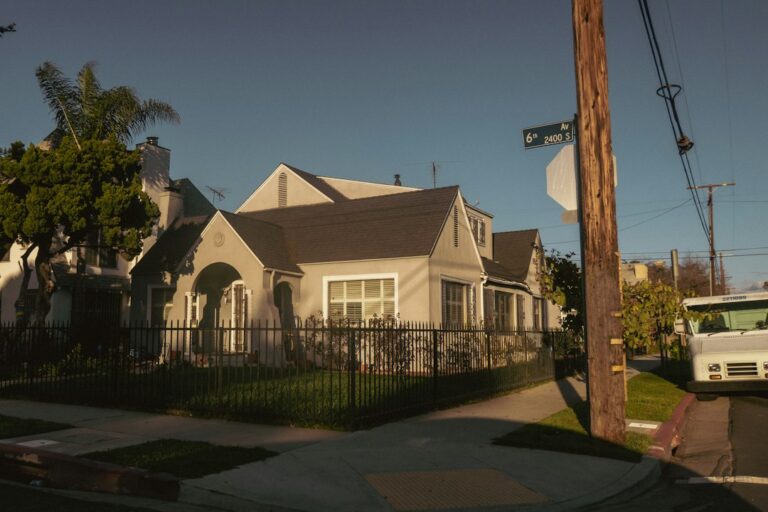 Selling as-is
LA’s New Amnesty Program Lets You Legalize an Unpermitted ADU Before You Sell
Los Angeles has a streamlined path under AB 2533 to legalize an unpermitted ADU built before 2020, with real fee exemptions and strict eligibility rules.
Read the guide →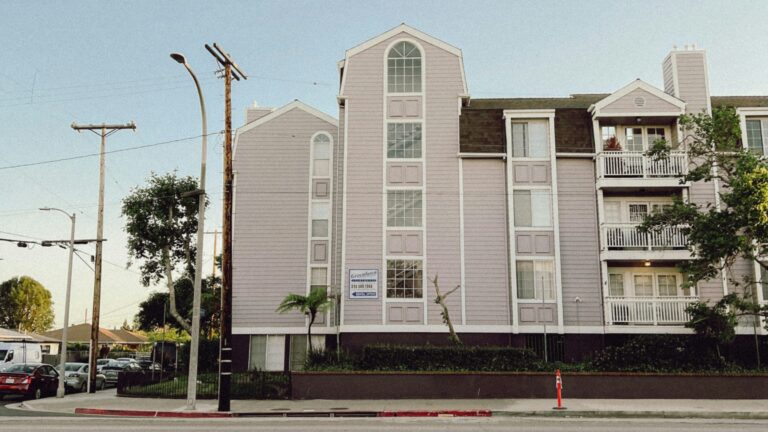 Selling as-is
The Soft-Story Retrofit Status Every Multifamily Seller in Los Angeles Must Check First
Los Angeles soft-story retrofit deadlines under Ordinance 183893 have passed for most buildings. Learn how to check compliance before you sell.
Read the guide → Selling as-is
What Rancho Palos Verdes’ Landslide Zones Mean for a Natural Hazard Disclosure
Rancho Palos Verdes sellers must check a landslide-zone box on the state Natural Hazard Disclosure Statement, separate from the earthquake fault question.
Read the guide → Selling as-is
Highland Park HPOZ Disclosure Rules Explained
Highland Park's historic overlay (HPOZ) governs renovations, but California's TDS and NHD disclosure rules still apply in full, even on an as-is sale.
Read the guide → Selling as-is
As-Is Disclosure Rules for an Older Pasadena, CA Home
Selling as-is in Pasadena doesn't skip California's disclosure law. See what Civil Code requires for the city's century-old Craftsman homes.
Read the guide → Selling as-is
The Anaverde HOA Disclosure Packet an As-Is Sale Still Requires
The Anaverde HOA disclosure packet under Civil Code 4525, plus the TDS and NHD duties an as-is sale in Anaverde, CA never removes, and why it adds time.
Read the guide → Selling as-is
Beverly Hills, CA As-Is Sales: What You Still Disclose
Selling as-is in Beverly Hills, CA doesn't waive disclosure law. See what sellers must still tell buyers under California's TDS and NHD rules.
Read the guide →