
Sell House During Divorce Santa Clarita: A Clear Path for Both Spouses
- Foreclosure, inherited, tenants, damage — we buy it
- Zero fees, zero commissions, zero closing costs
- No obligation — turn the offer down and owe us nothing


Resolve the House Without Waiting on Everything Else
Community property basics, who has to agree to a sale, and why many couples sell before the case is finalized.
When couples need to sell house during divorce Santa Clarita families usually want two things: a fair price and as little conflict as possible over showings, repairs and timing. Cash Home Buyers CA buys houses across Valencia, Saugus, Newhall and Canyon Country as-is, with one walkthrough, one written offer and a closing date both spouses can agree on. This page explains how California community property rules apply to the family home, when to sell relative to the divorce case, who has to sign, how a buyout compares with a sale, how proceeds are split through escrow, and where Santa Clarita divorce cases are heard.
Sell House During Divorce Santa Clarita: Community Property Basics
California is a community property state. In general, property acquired during the marriage belongs to both spouses equally, no matter whose name is on the deed or who made the payments. A house bought during the marriage with income earned during the marriage is usually community property. A house one spouse owned before the marriage, or received alone as a gift or inheritance, usually starts out as that spouse’s separate property.
Real life is rarely that tidy. Many Santa Clarita houses were bought before the marriage and paid down with community income afterward, refinanced into both names, or improved with community money. In those cases, both the community and the original owner may have an interest, and the court can apportion the equity. Two California concepts come up often:
- Reimbursement for separate property contributions. A spouse who used separate money, such as an inheritance or pre-marriage savings, toward the down payment or principal of a community house may be entitled to reimbursement, depending on the facts and the paperwork.
- Post-separation payments and use. If one spouse pays the mortgage after separation, they may be entitled to credit for paying down the debt. If one spouse lives in the house alone, the other may have a claim for the value of that exclusive use. Family law attorneys often call these Epstein credits and Watts charges.
These issues affect how the proceeds are divided, not whether the house can be sold. They are usually resolved in the settlement agreement or by the court, and escrow follows that agreement or order.
Automatic Restraining Orders and Who Must Sign
When a divorce petition is filed and served in California, automatic temporary restraining orders (often called ATROs) take effect for both spouses. Among other things, they bar either spouse from transferring, borrowing against or selling community property without the written consent of the other spouse or a court order, except in the usual course of business or for necessities of life. In practice, that means:
- Both spouses sign. If both are on title, both sign the purchase agreement, the escrow instructions and the deed.
- One spouse on title is not enough. Even if only one spouse is on the deed, the title company will usually require the other spouse to sign or to give up any community interest in writing, because California presumes property acquired during marriage is community property.
- A court order can substitute. If one spouse will not cooperate, the other can ask the family court to order the sale, and the order can appoint someone to sign on the uncooperative spouse’s behalf.
Title companies look closely at sales during a divorce. Expect escrow to ask for a copy of the petition, any settlement agreement or judgment, and any order about the house.
Where Santa Clarita Divorce Cases Are Heard
Divorce cases are handled by the Superior Court of California, County of Los Angeles. Santa Clarita is part of the court’s North Valley District, and family law matters for the district are heard at the San Fernando Courthouse, 900 Third Street in San Fernando, where the court’s family law facilitator and family court services for the district are also located. The Santa Clarita Courthouse on Valencia Boulevard handles other kinds of cases. Your filings and notices will show the courthouse and department assigned to your case.
The house is recorded with the Los Angeles County Registrar-Recorder/County Clerk, whose headquarters are at 12400 Imperial Highway in Norwalk. Any deed or court order transferring the property is recorded there.
Timing: Sell Before, During or After the Case?
There is no single right time to sell. Each approach has trade-offs:
- Selling before filing or early in the case. Both spouses agree, sign together and put the proceeds in escrow or a joint blocked account until they agree how to divide them. This stops the arguments over who pays the mortgage and repairs, and it fixes the value of the house at today’s market. It works best when communication is still workable.
- Selling during the case. Common when the spouses agree on selling but not yet on the split. The sale can close with both signatures or a court order, and escrow can hold the net proceeds, or pay them into a trust account, until a settlement or order says how to divide them.
- Selling after judgment. The judgment states what happens to the house, whether one spouse keeps it, it is sold and divided, or it is sold by a set date. Escrow follows the judgment. The downside is that the house can sit for months while the case runs, with carrying costs and maintenance building up.
Many couples choose to sell during the case because the house is the largest asset and the biggest source of monthly cost. With Movoto reporting an average of 112 days on the market for Santa Clarita homes in September 2026, a traditional listing can stretch a stressful period by several months. A cash sale fixes the date and the number.
Buyout vs. Sale
One spouse keeping the house and buying out the other can work well, especially when children are in school nearby. It usually requires:
- Agreeing on value. Spouses often use an appraisal or broker opinion to set the value, then subtract the loan balance to find the equity.
- Refinancing into one name. The spouse keeping the house generally must qualify for a new loan on their own income to pay off the joint loan and pay the other spouse’s share. At Santa Clarita prices, qualifying on one income is often the hurdle.
- An interspousal transfer deed. The departing spouse transfers their interest. Transfers between spouses in a divorce are generally excluded from property tax reassessment, so the keeping spouse usually retains the existing assessed value.
If a refinance is not realistic, or neither spouse wants to stay, selling and splitting the proceeds is usually cleaner. A buyout also leaves one spouse with the house’s repair needs, HOA dues and any special taxes, and with the risk of selling later in a different market.
How Proceeds Are Split Through Escrow
A sale during a divorce closes the same way as any other, with a few extra instructions. Escrow pays off the mortgage and any other liens, pays any agreed costs, and then handles the remaining money exactly as the spouses or the court direct. Typical options are:
- Split at closing. If the spouses have agreed on percentages, escrow sends each spouse their share directly.
- Hold in escrow or a blocked account. If the split is still disputed, the net proceeds can be held until the spouses sign joint instructions or the court issues an order.
- Pay specific debts first. Spouses sometimes agree to pay joint credit cards, tax debts or attorney fees from the proceeds before the split.
When you sell to us, we pay the standard closing costs, including the county and city transfer taxes, escrow and title, and there is no agent commission. That makes the net figure simple: the price minus the loan payoff and any liens. Both spouses see the same written offer and the same estimated closing statement, which removes one common source of disagreement.
Step by Step: Selling During a Divorce
- Talk to each other, or through counsel. Agree in principle that the house will be sold, even if the split is still open.
- Get a written number. Call (424) 435-2326 or use the form. We can send the offer to both spouses and both attorneys at the same time.
- Walkthrough. One visit, scheduled with the spouse who lives there and with notice to the other.
- Purchase agreement. Both spouses sign, or the court orders the sale. The agreement sets the price, the closing date and any time the occupying spouse needs to move.
- Escrow instructions. A neutral title and escrow company opens escrow. The spouses give joint instructions on how the net proceeds will be paid or held.
- Disclosures. The standard California seller disclosures are completed. If only one spouse has lived there recently, that spouse usually has the best knowledge of the condition.
- Signing. Each spouse signs separately in front of a notary.
- Closing. The deed records, the loan is paid off and the net proceeds are split or held as instructed.
Questions to Settle Before You Sell
Agreeing on a few practical points early prevents most delays later:
- Who stays in the house until closing, and who pays the mortgage, insurance, utilities and HOA dues in the meantime?
- What happens to furniture and belongings? With a sale to us, anything left behind can stay, but spouses often need to divide personal property first.
- How will the proceeds be handled? Split at closing by agreed percentages, or held until a settlement or order?
- Are there debts to pay from the proceeds? Joint credit cards, tax balances or a second loan.
- What closing date works for both? School calendars, new leases and work schedules all matter.
- Who communicates with the buyer and escrow? Some couples prefer that everything goes through their attorneys.
Writing these answers down, even informally, gives escrow clear instructions and keeps the sale moving.
HOA Dues, Second Loans and Special Taxes
Santa Clarita houses often carry more than one monthly obligation. Many sit inside homeowners associations, and some parcels pay special taxes, such as those in the city’s Valencia Town Center CFD No. 2002-1 or Vista Canyon CFD No. 2016-1. During a separation, these bills are easy to miss. Unpaid HOA dues add late fees and can become a lien, and a home equity line opened during the marriage must be paid off and closed at sale. Escrow lists every recorded lien on the preliminary title report and pays them from the price, so both spouses see exactly what is owed before closing.
Why a Cash Sale Can Reduce Conflict
Selling a house through a listing during a divorce means two people who may not be getting along have to agree on an agent, a list price, repairs, staging, showings, price reductions, offers, inspection credits and a closing date. Every one of those decisions is a chance for a dispute, and a disagreement can stall the sale for weeks.
A direct cash sale to us narrows the decisions to three: whether to accept the price, which closing date to choose, and how to divide the proceeds. There are no repairs to argue over, no open houses with one spouse still living there, and no buyer’s loan that can fail at the last minute. If the house needs work, see our page on how to sell house as-is Santa Clarita. If you are under time pressure, our guide for owners who want to sell my house fast Santa Clarita explains how quickly a cash sale can close.
When One Spouse Has Moved Out
It is common for one spouse to move out while the other stays in the house. That raises practical questions: who pays the mortgage, who maintains the yard and pool, who handles HOA notices, and whether the house is properly insured. If payments fall behind, the foreclosure clock starts running no matter what is happening in family court, and our page on how to sell house in foreclosure Santa Clarita explains that timeline. If the house is vacant, many insurers restrict coverage, and an empty house in a fire-prone part of the valley needs regular visits and brush clearance.
We can schedule the walkthrough around whoever lives in the house, with notice to both spouses, and we can coordinate signing separately so the spouses do not need to be in the same room. Each spouse can sign in front of a notary at the escrow office or with a mobile notary at a time that suits them.
Children, Schools and Timing a Move
For parents, the date of the sale often matters as much as the price. Many families try to time a move for the end of a school year or a holiday break so children change homes once, not twice. A cash sale makes that easier because the closing date is chosen rather than dictated by a buyer’s lender. If the parent who will move needs time to find a rental or buy elsewhere, the closing can be set weeks or months out, and the occupying parent can plan around a fixed date instead of an open-ended listing.
It also helps to agree on how the house will be used until closing. If one parent has the children during the week, that parent may stay in the house until it sells, while the other contributes to the mortgage under a temporary order or agreement. Writing that arrangement down avoids disputes later about credits for payments made after separation. Once the sale closes, the proceeds give both parents a clean start, whether that means a smaller house elsewhere in the Santa Clarita Valley or a move closer to work or family.
Taxes to Keep in Mind
The sale of a primary residence may qualify for the federal exclusion of up to $250,000 of gain per spouse, or $500,000 for a married couple filing jointly, if ownership and use tests are met. Divorce can affect how those tests apply, especially if one spouse moved out some time ago, so timing matters. California may also require withholding on Form 593 at closing unless an exemption applies; it can apply to California residents, and escrow provides the form. Property taxes and HOA dues are prorated through escrow at closing.
Sell House During Divorce Santa Clarita FAQ
Do both spouses have to agree to sell the house?
If the house is community property, or both spouses are on title, both generally must sign. Once a divorce has been filed, automatic restraining orders also require written consent or a court order before selling. If one spouse refuses, the other can ask the family court to order the sale.
Can we sell before the divorce is final?
Yes. Many couples sell during the case. Escrow can split the proceeds at closing if you agree on percentages, or hold them until you sign joint instructions or the court issues an order.
Where are Santa Clarita divorce cases heard?
In the Los Angeles County Superior Court’s North Valley District. Family law matters for the district are heard at the San Fernando Courthouse, 900 Third Street in San Fernando.
What if the house was mine before we married?
It may be your separate property, but if community money paid down the mortgage or improved the house, the community may have an interest. That affects the split of the proceeds, and escrow follows your agreement or court order.
Can one spouse buy out the other instead?
Yes, if the keeping spouse can refinance into their own name and pay the other spouse’s share. Transfers between spouses in a divorce are generally excluded from reassessment.
Do we have to be in the same room to sign?
No. Each spouse can sign separately in front of a notary, at the escrow office or with a mobile notary.
Who pays the closing costs if we sell to you?
When you sell to us, we pay the standard closing costs, including the county and city transfer taxes, escrow and title. There is no commission. The loan payoff and any liens are paid from the price through escrow.
Can the spouse living in the house stay until closing?
Yes. We schedule the walkthrough and the closing around the occupying spouse, and in some cases a short stay after closing can be arranged in writing.
What if we cannot agree on how to split the money?
The sale can still close. Escrow can hold the net proceeds until you sign joint instructions or the court issues an order, so the house does not have to wait for the settlement.
How fast can a divorce sale close?
Usually 7 to 14 days after both spouses sign, if title is clear. If a court order or settlement is still pending, we can set a later date that fits the case.
Get One Number You Can Both Work From
A written cash offer gives both spouses the same starting point. Call or text (424) 435-2326 or fill in the form at the top of this page. We can send the offer to both spouses and their attorneys at the same time. For the escrow steps in detail, see our guide to getting a cash offer for my house Santa Clarita, and for a broader look at how we buy across the city, visit our we buy houses Santa Clarita page.
Selling a house in Santa Clarita: what to know
A few local details that shape timing and net proceeds when you sell in Santa Clarita.
County & probate court
Santa Clarita is in Los Angeles County. Probate and trust matters for Santa Clarita properties are heard by the Superior Court for Los Angeles County, and deeds are recorded with the Los Angeles County Recorder.
Transfer tax
Los Angeles County charges a documentary transfer tax of $1.10 per $1,000 of the sale price. There is no separate city transfer tax in Santa Clarita. When you sell to us, we pay the standard closing costs.
Tenant & rent rules
Rental homes in Santa Clarita more than 15 years old generally fall under California's Tenant Protection Act (AB 1482), which caps rent increases and requires just cause for most evictions. We buy tenant-occupied homes and take over the leases at closing.
Nearby cities we buy in
Seller Guides
Helpful guides for homeowners in Santa Clarita
Plain-English answers to the questions sellers ask us most.
 Relocating
Concord’s Rent Cap and Relocation Rules: What Changed in 2025
Concord's rent stabilization ordinance now caps annual increases on covered units at a flat 5%, replaced a weaker CPI-linked formula in mid-2025,…
Read the guide → Divorce
Divorcing in North Long Beach? Who Gets the House, and What Taxes Follow
Divorcing in North Long Beach, CA? Learn how buyouts, Duke orders, Watts/Epstein credits, and capital gains tax rules affect splitting your house.
Read the guide → Divorce
Why a West Covina Divorce Sale Doesn’t Always Trigger a Tax Reassessment
A West Covina divorce buyout usually keeps the home's Prop 13 tax basis, but selling to a cash buyer does not. See how that affects your decision.
Read the guide → Divorce
Who Gets Credit for the Down Payment on an Agua Dulce Ranch in a Divorce
Learn how California Family Code Section 2640 reimburses a separate-property down payment on an Agua Dulce horse property when a marriage ends in divorce.
Read the guide →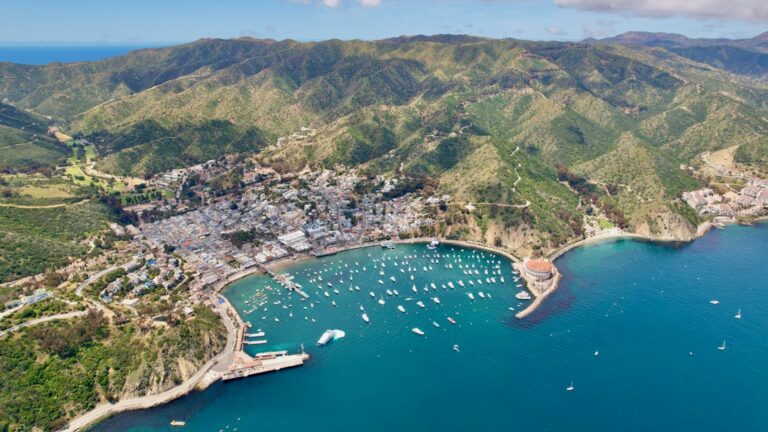 Divorce
Dividing a House in an Avalon, CA Catalina Divorce
Dividing an Avalon, CA home in divorce? See how California community property law, rental license limits, and island appraisals affect your split.
Read the guide → Divorce
Separate Property Reimbursement in a Monrovia Divorce
How Family Code 2640 and the Moore/Marsden formula decide what a spouse gets back before a Monrovia, CA home sells or one spouse buys the other out.
Read the guide → Divorce
How Community Property Division Works for a Whittier Home Sale
See how California law splits community versus separate property for a Whittier house sale during divorce, and what each spouse can claim back.
Read the guide → Divorce
How Community Property Division Plays Out for a Duarte, CA Home
How California's community property law divides a Duarte home in divorce, including Family Code 2640 reimbursement, Watts charges, and Epstein credits.
Read the guide → Divorce
Watts Charges and Epstein Credits: What They Mean for a Cerritos Home Sale
Watts charges and Epstein credits can shift what each spouse nets from a Cerritos, CA home sale. Here's how California family courts apply both doctrines.
Read the guide →