
Sell Your House During a Divorce in Chesterfield Square, CA
- Foreclosure, inherited, tenants, damage — we buy it
- Zero fees, zero commissions, zero closing costs
- No obligation — turn the offer down and owe us nothing


Fast, Fair, and Reliable Offers
Going through a divorce and need to sell your Chesterfield Square house quickly and fairly? We buy houses for cash, close on your timeline, and help you avoid dragging the sale through a long court-tied process.
Selling a House During Divorce in Chesterfield Square
Dividing property is one of the hardest parts of a divorce, especially in a close-knit, historic neighborhood like Chesterfield Square where many homes have been in one family for decades. Rather than waiting months for a traditional sale to close while court dates loom, many divorcing couples in Chesterfield Square choose to sell their house for cash so they can split the proceeds and move on without further conflict.
Why a Cash Sale Works Well During Divorce
A cash sale removes many of the flashpoints that can turn a divorce more contentious: no arguing over which repairs to make before listing, no negotiating with buyers whose financing can fall through, and no months-long wait exposing both parties to continued carrying costs like the mortgage, property taxes, and insurance on a Chesterfield Square bungalow.
We can typically close in as little as 7 days once both parties agree to the offer.
Handling Two Owners and Legal Requirements
When a property is jointly owned, both spouses (or all titled owners) generally need to sign off on the sale unless a court order or divorce settlement specifically grants one party sole authority.
We work directly with both sellers, and their attorneys if involved, to make sure the transaction is handled cleanly.
If your divorce is still in progress, it’s worth confirming with your family law attorney whether a court order or written agreement is needed before listing or selling the Chesterfield Square property, since Los Angeles County records the deed once the sale closes.
What This Means for a Chesterfield Square Bungalow
Many Chesterfield Square homes are 1910s-1920s streetcar-suburb bungalows along the neighborhood’s old streetcar corridor, and some have original wiring, plumbing, or unpermitted additions that would need disclosure and possibly repair for a traditional retail sale.
Selling as-is for cash means neither spouse has to spend time or shared money fixing up the house before the sale, which can be one less thing to argue about during an already stressful time.
How to Sell a House During a Divorce in Chesterfield Square
When a marriage ends, the family home usually goes one of three ways: one spouse buys out the other, both spouses keep owning it together for a period of time, or the house is sold and the proceeds are divided.
If you have decided to sell a house during a divorce in Chesterfield Square, the goal is typically a clean, predictable sale that both sides can agree to without adding more stress to an already difficult process.
A buyout can work when one spouse can qualify for a new loan on their own income. Co-owning after the divorce can work when there are children in the home and the parties cooperate well. For many couples, though, selling is the simplest way to separate finances and give each person a fresh start.
Community Property Basics
California is a community property state, which generally means property acquired during the marriage is presumed to belong to both spouses equally, regardless of whose name appears on the loan.
Property owned before the marriage, or received as a gift or inheritance, may be treated differently, and contributions over time can complicate the picture. How the house is characterized affects how the sale proceeds are split.
These are questions for your family law attorney, and it is worth getting clear answers before you sign a purchase contract.
Step by Step: Selling With Two Sellers
A divorce sale follows the same basic path as any other direct sale, with extra attention to making sure both parties are informed and in agreement.
- Either spouse, or either attorney, contacts us with the property details.
- We schedule one walkthrough at a time that works for whoever is living in the house.
- We send the same written offer to both parties, and their attorneys if they prefer.
- Once both sign, escrow opens and title confirms who needs to sign the deed.
- Escrow pays off the mortgage and any liens, then distributes the remaining proceeds according to written instructions from both parties or a court order.
Because the offer is in writing and the numbers are shown on a settlement statement, both spouses can see exactly how the money moves. That transparency often helps reduce disagreements.
When Spouses Disagree About Selling
Sometimes one spouse wants to sell and the other does not. In that situation, the family court may be able to decide what happens to the house as part of dividing the marital estate, which can include ordering a sale. That process can take time and legal fees.
A written cash offer can give both sides a concrete number to discuss with their attorneys or a mediator, which can sometimes help move a stalled negotiation forward. We do not take sides; we simply provide an offer both parties can evaluate.
Keeping Carrying Costs Under Control
While the divorce is pending, the house still needs to be paid for. The mortgage, property taxes, insurance, and upkeep continue each month, and deciding who covers which costs can be a source of tension on its own.
If one spouse has moved out, the house may also sit partially empty. A shorter path to closing reduces how long both parties share those obligations.
If you also need to move for work or family reasons, our guide on selling a house for relocation in Chesterfield Square covers timing around a move.
Costs You Avoid and Questions for Your CPA
Selling directly typically means no agent commission, no repair bills to split, and no staging or cleaning costs to negotiate over. We cover the customary closing costs on our side.
Selling a home can also have tax consequences, including questions about the capital gains exclusion for a primary residence and how it applies when one spouse has already moved out. A CPA can explain how the rules apply in your situation.
What Closing Looks Like for Separating Owners
Spouses do not need to sit in the same room to close. Each person can typically sign the deed and closing documents separately, often with a mobile notary at a time and place of their choosing. Once the deed records with the county, escrow releases the funds.
Each party can receive their share directly, based on the agreed split or court order, rather than one person receiving a single check and dividing it afterward.
Why Divorcing Owners Choose a Direct Buyer
A direct sale limits the number of decisions two people have to make together. There is no debate over list price, no weekly updates on showings, and no renegotiation after an inspection. For owners who want to sell a house during a divorce in Chesterfield Square and move forward, a written cash offer gives both parties the same clear starting point.
Frequently Asked Questions
Can one spouse handle the sale while the other stays uninvolved?
Day-to-day coordination can run through one spouse, but both titled owners generally still need to sign unless a court order gives one person authority.
Can the offer go directly to our attorneys?
Yes. We can send the written offer and any documents to both attorneys so each side reviews the same information.
What if one spouse is still living in the house?
That is common. We schedule the walkthrough and closing date around the occupant’s needs, and move-out timing can be agreed in writing.
Do both spouses have to agree to sell?
In most cases, yes — both titled owners need to sign the sale documents unless a court order says otherwise. We coordinate with both parties to keep the process straightforward.
Can we sell before the divorce is finalized?
Sometimes, if both spouses agree or a court authorizes it. We recommend checking with your family law attorney about your specific situation before moving forward.
How is the money split?
That’s determined by your divorce settlement or court order — we simply purchase the property and disburse funds per the instructions in escrow.
Do we need to fix up the house first?
No. We buy Chesterfield Square houses as-is, so there’s no need to agree on or pay for repairs before selling.
Chesterfield Square is part of the City of Los Angeles. For the citywide picture, see our guide to selling a house during a divorce in Los Angeles.
Seller Guides
Helpful guides for homeowners in Chesterfield Square
Plain-English answers to the questions sellers ask us most.
 Rentals & tenants
Which Mountain View Rentals Does the CSFRA Actually Cover?
See which Mountain View rentals the CSFRA covers, its rent cap, just-cause eviction rules, relocation pay, and what landlords must do before raising rent.
Read the guide → Inherited homes & probate
Partition Actions Between Heirs: How California Law Forces a House Sale
California heirs can force a house sale through a partition action under CCP 872-874, with court referees, confirmation hearings, and buyout rights.
Read the guide →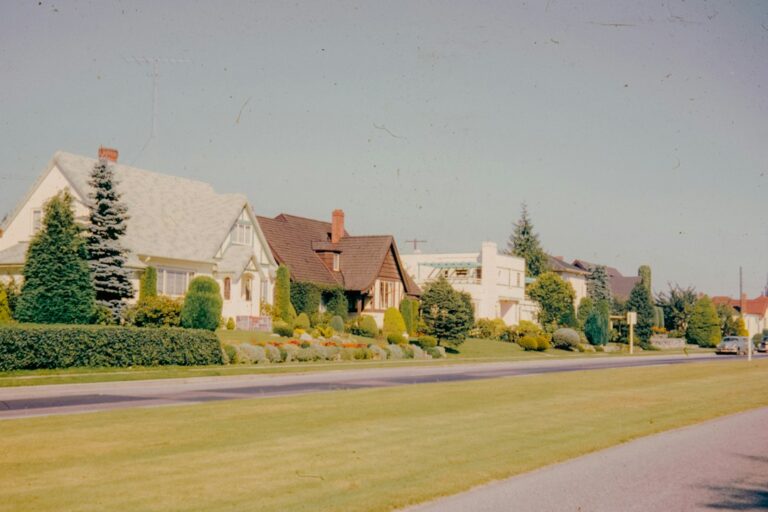 Divorce
Divorcing in North Long Beach? Who Gets the House, and What Taxes Follow
Divorcing in North Long Beach, CA? Learn how buyouts, Duke orders, Watts/Epstein credits, and capital gains tax rules affect splitting your house.
Read the guide → Divorce
Why a West Covina Divorce Sale Doesn’t Always Trigger a Tax Reassessment
A West Covina divorce buyout usually keeps the home's Prop 13 tax basis, but selling to a cash buyer does not. See how that affects your decision.
Read the guide → Divorce
Who Gets Credit for the Down Payment on an Agua Dulce Ranch in a Divorce
Learn how California Family Code Section 2640 reimburses a separate-property down payment on an Agua Dulce horse property when a marriage ends in divorce.
Read the guide → Divorce
Dividing a House in an Avalon, CA Catalina Divorce
Dividing an Avalon, CA home in divorce? See how California community property law, rental license limits, and island appraisals affect your split.
Read the guide → Divorce
Separate Property Reimbursement in a Monrovia Divorce
How Family Code 2640 and the Moore/Marsden formula decide what a spouse gets back before a Monrovia, CA home sells or one spouse buys the other out.
Read the guide → Divorce
How Community Property Division Works for a Whittier Home Sale
See how California law splits community versus separate property for a Whittier house sale during divorce, and what each spouse can claim back.
Read the guide → Divorce
How Community Property Division Plays Out for a Duarte, CA Home
How California's community property law divides a Duarte home in divorce, including Family Code 2640 reimbursement, Watts charges, and Epstein credits.
Read the guide →