
Selling a House During Divorce in Glassell Park
- Foreclosure, inherited, tenants, damage — we buy it
- Zero fees, zero commissions, zero closing costs
- No obligation — turn the offer down and owe us nothing


One Clean Closing, Not a Drawn-Out Listing
We buy Glassell Park houses from divorcing co-owners and can close on a set date both parties agree to.
A house in Glassell Park is often the single largest asset a divorcing couple has to divide, and in California, a home purchased or substantially paid down during the marriage is generally community property regardless of whose name is on title.
Cash Home Buyers CA buys houses from divorcing co-owners throughout Glassell Park, hillside properties in the Repetto Hills and flatland houses near Verdugo Road alike, and we work with both spouses and their attorneys to close on a date that fits the broader settlement.
Why Selling Is Often Simpler Than Dividing the House Itself
One spouse buying out the other’s share requires refinancing the mortgage into one name and paying the other their portion of the equity, which depends on qualifying for a new loan solo, not always possible on a single income.
Continuing to co-own the property after the divorce is finalized keeps both parties financially tied together long after they wanted to be.
Selling and splitting the proceeds according to the settlement terms is frequently the cleanest path, and it removes the property itself as an ongoing point of negotiation between two people trying to move on separately.
Why a Retail Listing Can Complicate a Divorce Timeline
Redfin’s August 2026 figures put Glassell Park’s median time on market at 41 days, and that is before the 30 to 45 day financed escrow that typically follows an accepted offer.
A traditional listing also requires both spouses to agree on pricing strategy, staging, and every offer that comes in, which can turn an already difficult process into a drawn-out negotiation over a house neither party may still be living in.
A cash sale removes most of that back-and-forth: one offer, one closing date, no ongoing decisions about showings or counteroffers to coordinate between two people who may not be communicating easily.
Hillside Homes and Valuation Disputes
Glassell Park’s hillside properties in the Repetto Hills can be genuinely difficult to value precisely, since view quality, lot access, and grading vary significantly street to street, and even house to house on the same block.
That variability sometimes becomes its own point of dispute in a divorce, with each spouse anchored to a different number. A written cash offer gives both parties a concrete figure to work from rather than competing estimates, which can help move a stalled negotiation forward.
Working With Both Spouses and Their Attorneys
We are used to a sale involving two sellers who are not necessarily on the same page about timing or price, and we keep both parties and their family law attorneys informed throughout.
Every document in the transaction, the purchase agreement, escrow instructions, and closing disclosures, goes to both spouses, not just whichever one first reached out to us, so there is no question later about who saw what and when.
If the sale needs to close before a final judgment to satisfy settlement terms, or needs to wait until specific conditions in a marital settlement agreement are met, we can work around either scenario.
Funds at closing can be split according to whatever percentage the settlement specifies, disbursed directly through escrow rather than requiring one spouse to collect and redistribute the other’s share afterward.
What “Community Property” Means for a Glassell Park House
California is a community property state, which generally means anything acquired during the marriage, including a house purchased jointly or paid down significantly with income earned during the marriage, is owned equally regardless of whose name appears on the deed.
A house one spouse owned before the marriage, or that was purchased with separate funds such as an inheritance, can carry a more complex mix of community and separate property interests, particularly if mortgage payments during the marriage came from shared income.
Sorting out exactly what share belongs to each spouse is a question for the divorce proceeding and the attorneys involved, not something we determine, but it does not need to be fully resolved before we make an offer or open escrow, since our purchase agreement is simply with whoever holds title once that question is settled.
Living in the House While It Sells
Many Glassell Park divorces involve one spouse remaining in the house while the other has moved out, or both spouses still living under the same roof during the process. Either arrangement is workable for us.
We do not require the property to be vacant to make an offer or to close, and we can typically complete a single walkthrough rather than the repeated showings a retail listing would require, which matters when two people who are separating would rather minimize contact around the property, not schedule around a series of open houses.
What This Looks Like for a Rental Property in a Divorce
Some Glassell Park divorces involve a rental property, a duplex or small apartment building on the flats near San Fernando Road, rather than the couple’s primary residence.
If that building has tenants covered by the city’s Rent Stabilization Ordinance, we buy it with those leases intact, which avoids adding a relocation process on top of an already complicated divorce.
For situations involving foreclosure alongside a divorce, or a property that needs work before it can be marketed conventionally, our foreclosure and as-is guides for Glassell Park cover those specifics, and the same community property principles described here apply to divorce sales across the rest of Los Angeles as well.
When a Traditional Listing Might Still Be Worth Considering
A cash sale is not automatically the right call for every Glassell Park divorce.
If both spouses are on good terms about the process, in no rush, and the property is a well-located hillside house in strong condition, a listing agent might secure a higher price that outweighs the extra time and coordination a retail sale requires.
We are upfront about that trade-off when it applies.
Where a direct sale tends to be the better fit is the more common situation: spouses who want the house resolved quickly so they can each move forward, a property that needs work neither party wants to invest in before selling, or a settlement timeline that requires a firm closing date rather than an open-ended listing period.
Sell House During Divorce in Glassell Park: Three Common Paths
Couples who decide to sell a house during divorce in Glassell Park usually have first considered a buyout or a traditional listing. Each option can work; they differ mainly in how long both spouses stay financially tied to the property.
| Factor | Cash sale | Listing | One spouse buys out the other |
|---|---|---|---|
| Timeline | Days to weeks, on a date both approve | Marketing time plus a 30 to 45 day escrow | Depends on refinance approval |
| Repairs | None | Both must agree on any repairs or credits | Not required |
| Showings | One walkthrough | Ongoing, with both schedules to manage | None |
| Commissions | None | Often around 5 to 6 percent combined | None, but refinance costs apply |
| Closing costs | No fees to you | Usually seller-paid items | Loan and title fees |
| Certainty | No financing contingency | Buyer financing can fail | The staying spouse must qualify alone |
Papers That Keep a Divorce Home Sale on Track
Splitting the house is easier when escrow has what it needs from the start. Plan to gather:
- Title and vesting details, so escrow knows exactly who must sign. If both spouses are on title, both sign the deed.
- The marital settlement agreement or a court order, if either one addresses the sale or how proceeds are divided.
- Mortgage statements and any HELOC, so escrow can order payoffs for every loan secured by the house.
- Written escrow instructions for the proceeds, whether that is a split by percentage or holding funds until the court decides.
Taxes deserve a separate conversation. Each spouse may be able to exclude up to $250,000 of gain on a primary residence if ownership and use tests are met, but divorce timing can change who qualifies. A CPA or your family law attorney can confirm what applies.
Three Steps for Divorcing Owners
- Either spouse, or an attorney, calls or texts 424-435-2326 to start.
- We walk through once and send the same written offer to both spouses and their counsel.
- Both sign, escrow pays off the loans, and proceeds are disbursed as the agreement or order directs.
If payments have fallen behind during the separation, read how to stop foreclosure in Glassell Park before a sale date is set.
Frequently Asked Questions
Can we sell the house during divorce in Glassell Park if one spouse already moved out?
Yes. Where each spouse lives does not change who must sign. As long as both spouses on title agree, or a court order authorizes the sale, we can close with one spouse living in the house and the other signing remotely.
Who pays the mortgage until the Glassell Park house sells?
That is usually set by your temporary orders or your agreement with your spouse. A faster closing shortens the time either of you carries those payments.
Can escrow hold the proceeds until the court decides the split?
Often, yes. Both spouses can instruct escrow to hold the net proceeds or send them to an attorney trust account until the division is agreed or ordered. Your attorneys can confirm the right approach.
Do both spouses need to agree before you can buy the house?
Yes. We can only close once every titled owner, both spouses in most cases, has agreed to the sale and signed the purchase agreement.
Can the sale close before the divorce is finalized?
Often, yes, if both spouses agree to sell and the settlement or a court order authorizes it. We coordinate timing with each spouse’s attorney.
How are the proceeds split at closing?
Funds are disbursed through escrow according to whatever division the settlement agreement or court order specifies.
What if one spouse wants to sell and the other does not?
That is a matter for the divorce proceeding itself to resolve, typically with the attorneys or the court determining next steps. We can move forward once there is agreement or a court order authorizing the sale.
Does it matter whose name is on the title?
California treats most property acquired during the marriage as community property regardless of whose name is on title, though the specifics depend on your situation and settlement.
Can you buy a Glassell Park rental that is part of the divorce, not the primary home?
Yes, including a tenant-occupied duplex or small apartment building, with the leases assumed intact so the tenancy is not disrupted by either the divorce or the sale.
Do we need to be fully divorced before selling the house?
No. Many couples sell while the divorce is still proceeding, particularly when both spouses agree the house should not wait for a final judgment to be marketed.
What if the house needs repairs neither of us wants to fund right now?
We buy Glassell Park houses as-is, which avoids the added step of agreeing on and paying for repairs during an already stressful process.
Will you deal directly with our attorneys instead of just one spouse?
Yes. We are glad to coordinate with both spouses’ family law attorneys directly on timing, documentation, and how proceeds are disbursed at closing.
To discuss selling a Glassell Park house as part of a divorce, call or text 424-435-2326.
Seller Guides
Helpful guides for homeowners in Glassell Park
Plain-English answers to the questions sellers ask us most.
 Relocating
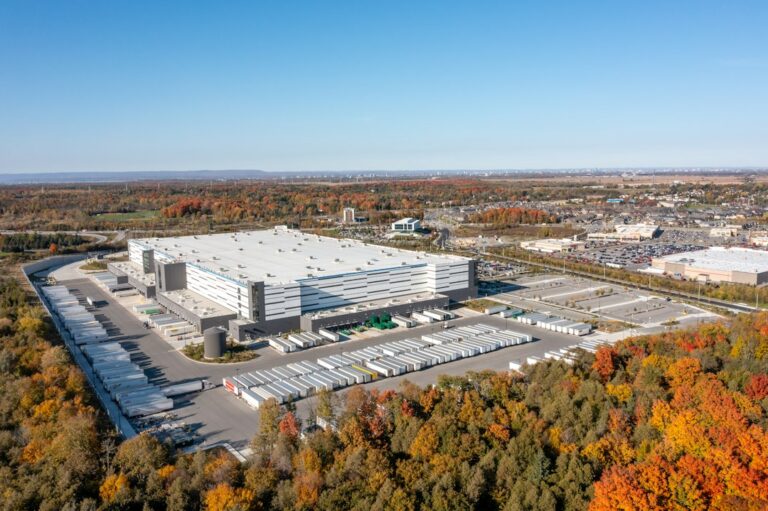
Fontana’s Warehouse Boom: What It Means If You’re Relocating
Fontana grew from a wartime steel town into an Inland Empire logistics hub. See what that shift means for home values and selling if you are relocating.
Read the guide → Inherited homes & probate
Partition Actions Between Heirs: How California Law Forces a House Sale
California heirs can force a house sale through a partition action under CCP 872-874, with court referees, confirmation hearings, and buyout rights.
Read the guide → Divorce
Divorcing in North Long Beach? Who Gets the House, and What Taxes Follow
Divorcing in North Long Beach, CA? Learn how buyouts, Duke orders, Watts/Epstein credits, and capital gains tax rules affect splitting your house.
Read the guide → Divorce
Why a West Covina Divorce Sale Doesn’t Always Trigger a Tax Reassessment
A West Covina divorce buyout usually keeps the home's Prop 13 tax basis, but selling to a cash buyer does not. See how that affects your decision.
Read the guide → Divorce
Who Gets Credit for the Down Payment on an Agua Dulce Ranch in a Divorce
Learn how California Family Code Section 2640 reimburses a separate-property down payment on an Agua Dulce horse property when a marriage ends in divorce.
Read the guide →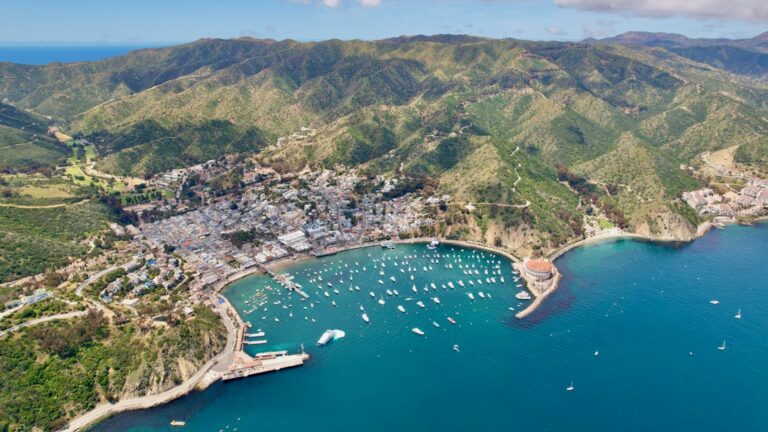 Divorce
Dividing a House in an Avalon, CA Catalina Divorce
Dividing an Avalon, CA home in divorce? See how California community property law, rental license limits, and island appraisals affect your split.
Read the guide → Divorce
Separate Property Reimbursement in a Monrovia Divorce
How Family Code 2640 and the Moore/Marsden formula decide what a spouse gets back before a Monrovia, CA home sells or one spouse buys the other out.
Read the guide → Divorce
How Community Property Division Works for a Whittier Home Sale
See how California law splits community versus separate property for a Whittier house sale during divorce, and what each spouse can claim back.
Read the guide → Divorce
How Community Property Division Plays Out for a Duarte, CA Home
How California's community property law divides a Duarte home in divorce, including Family Code 2640 reimbursement, Watts charges, and Epstein credits.
Read the guide →