
Sell a House During Divorce in Monterey Park
- Foreclosure, inherited, tenants, damage — we buy it
- Zero fees, zero commissions, zero closing costs
- No obligation — turn the offer down and owe us nothing


One Less Thing to Fight About
Selling the house doesn’t have to wait until the divorce is finalized. Here’s how a sale fits into a California divorce timeline.
The family home is often the largest asset in a California divorce, and disagreeing about what to do with it can slow down an otherwise straightforward case. Cash Home Buyers CA buys Monterey Park houses directly from divorcing spouses, closing quickly through a licensed title company so both sides can move forward.
Community Property and the House
California is a community property state, meaning a home purchased during the marriage is generally considered jointly owned regardless of whose name is on the title, and its value (or equity) is typically divided between spouses as part of the divorce.
Selling the house and dividing the net proceeds is often simpler than one spouse buying out the other’s share, particularly when neither spouse can qualify to refinance the property alone.
Automatic Temporary Restraining Orders (ATROs)
Once a California divorce petition is filed and served, standard Automatic Temporary Restraining Orders (ATROs) go into effect for both spouses. Among other things, ATROs generally restrict transferring, encumbering, or disposing of property outside the normal course of business without the other spouse’s written consent or a court order.
This doesn’t prohibit selling the house — but it typically means both spouses need to agree to the sale, or obtain court approval, before it can proceed while ATROs are in effect.
Selling Before the Divorce Is Finalized
Many couples sell the house while the case is still pending, rather than waiting for a final judgment. This can simplify the rest of the divorce by removing the largest shared asset and its ongoing costs (mortgage, property tax, insurance, and upkeep) from the picture early.
If both spouses agree to sell, this is generally straightforward; if one spouse doesn’t agree, a family law judge at the Los Angeles County Superior Court (Alhambra courthouse handles family law matters for this part of the San Gabriel Valley) can potentially order a sale as part of the case.
How Proceeds Get Divided
Once a sale closes, net proceeds are typically held in escrow or deposited into a joint or attorney trust account until both spouses (or the court) agree on the division. Both spouses generally need to sign closing documents, or provide their attorney or the court with authority to sign on their behalf, before the deed can be recorded with the Los Angeles County Registrar-Recorder/County Clerk.
Why a Fast, Direct Sale Often Helps
A traditional listing during a divorce adds months of coordination between two parties who may not be on the best terms — showings, staging decisions, and negotiating buyer requests all require ongoing agreement. Selling directly to a cash buyer removes most of that back-and-forth: one offer, one closing date, and no repairs or showings to coordinate.
What We Need From Both Spouses
Because California is a community property state, we typically need both spouses (or their legal representatives) to agree to the sale and sign closing documents, unless a court order or one spouse’s power of attorney addresses this differently. We’re glad to coordinate directly with attorneys on either side when that’s helpful.
Frequently Asked Questions
Do we need to wait until the divorce is final to sell?
No. Many couples sell while the case is still pending, which can simplify the rest of the divorce.
Do both spouses have to agree to sell?
Generally yes, since California is a community property state and ATROs restrict transferring property without both spouses’ consent or a court order.
What happens to the proceeds?
They’re typically held in escrow or a trust account until both spouses, or the court, agree on the division.
Can you work directly with our attorneys?
Yes. We regularly coordinate with attorneys on both sides to keep the sale moving smoothly.
Get a free, no-obligation cash offer from Cash Home Buyers CA today.
Seller Guides
Helpful guides for homeowners in Monterey Park
Plain-English answers to the questions sellers ask us most.
 Inherited homes & probate
What Probate Actually Looks Like for an Inherited House in Fresno County
Probate for an inherited Fresno County house runs through one courthouse, but the timeline depends on how title was held. What to expect, step by step.
Read the guide → Inherited homes & probate
Partition Actions Between Heirs: How California Law Forces a House Sale
California heirs can force a house sale through a partition action under CCP 872-874, with court referees, confirmation hearings, and buyout rights.
Read the guide →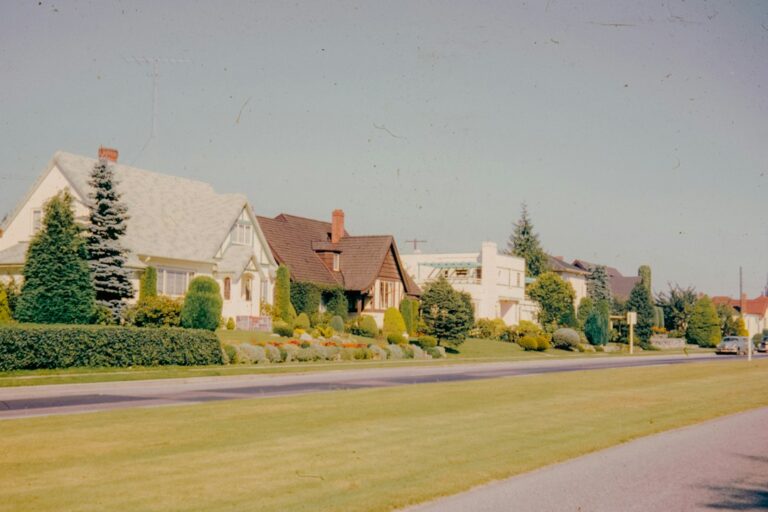 Divorce
Divorcing in North Long Beach? Who Gets the House, and What Taxes Follow
Divorcing in North Long Beach, CA? Learn how buyouts, Duke orders, Watts/Epstein credits, and capital gains tax rules affect splitting your house.
Read the guide → Divorce
Why a West Covina Divorce Sale Doesn’t Always Trigger a Tax Reassessment
A West Covina divorce buyout usually keeps the home's Prop 13 tax basis, but selling to a cash buyer does not. See how that affects your decision.
Read the guide → Divorce
Who Gets Credit for the Down Payment on an Agua Dulce Ranch in a Divorce
Learn how California Family Code Section 2640 reimburses a separate-property down payment on an Agua Dulce horse property when a marriage ends in divorce.
Read the guide →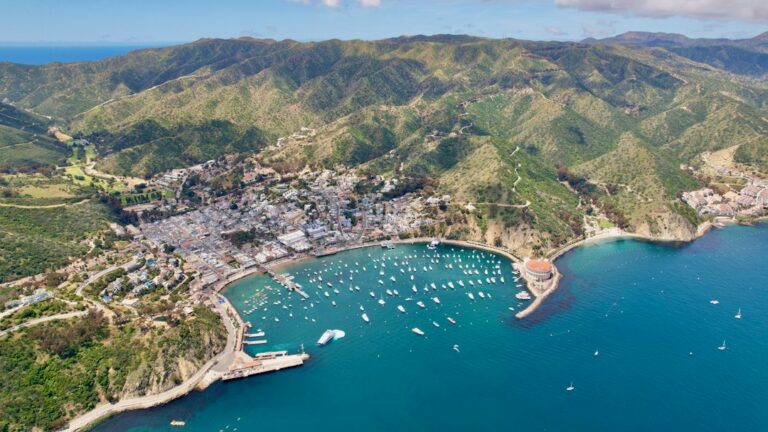 Divorce
Dividing a House in an Avalon, CA Catalina Divorce
Dividing an Avalon, CA home in divorce? See how California community property law, rental license limits, and island appraisals affect your split.
Read the guide → Divorce
Separate Property Reimbursement in a Monrovia Divorce
How Family Code 2640 and the Moore/Marsden formula decide what a spouse gets back before a Monrovia, CA home sells or one spouse buys the other out.
Read the guide → Divorce
How Community Property Division Works for a Whittier Home Sale
See how California law splits community versus separate property for a Whittier house sale during divorce, and what each spouse can claim back.
Read the guide → Inherited homes & probate
Inherited House in Monterey Park: AB 2016 Petition vs. Full Probate
Inherited a house in Monterey Park? See if AB 2016's $750K primary-residence petition applies or full LA probate is needed, plus Prop 19 and selling options.
Read the guide →