
Sell a House During Divorce in Pacoima, CA
- Foreclosure, inherited, tenants, damage — we buy it
- Zero fees, zero commissions, zero closing costs
- No obligation — turn the offer down and owe us nothing


One Asset, Resolved Quickly
Selling the house doesn’t have to be the part of the divorce that drags on. A direct cash sale can close before the case does.
The family home is often the largest asset in a Pacoima divorce, and it’s also one of the hardest to resolve while both spouses are still living separate lives and trying to move the case forward. Cash Home Buyers CA works with divorcing couples to sell the property quickly and split the proceeds, so the house stops being the thing holding up the rest of the case.
California Is a Community Property State
In California, property acquired during the marriage is generally considered community property and is typically divided equally between both spouses in a divorce, regardless of whose name is on the title.
A home purchased before the marriage, or one owned separately through inheritance or a gift, can carry separate-property characteristics, but even those situations often involve some community interest if marital funds went toward the mortgage, improvements, or upkeep over the years.
How a specific Pacoima property is characterized, and how any increase in value gets divided, depends on the facts of the marriage and the title history, and a family law attorney is the right person to sort out those specifics.
Why Selling Often Makes the Most Sense
Keeping the house usually means one spouse buying out the other’s share, which requires refinancing the mortgage into one name and having the cash or credit to cover the buyout — something that isn’t always realistic on a single income during or after a divorce.
Selling and splitting the proceeds avoids that problem entirely. It also removes an ongoing source of conflict: continuing to co-own and maintain a property together, agree on repairs, and split a mortgage payment while the marriage is ending, tends to create more friction, not less.
What Happens If One Spouse Wants to Keep the House
It’s common for one spouse to want to stay in a Pacoima home, especially when children are involved and there’s a desire to keep them in the same school and neighborhood.
That path is worth exploring first if it’s realistic financially, but it usually requires refinancing the existing mortgage solely into the staying spouse’s name and paying the other spouse their share of the equity, either in cash or by trading value against other marital assets.
When that refinance isn’t approvable on one income, or there simply isn’t enough other property to offset the buyout, selling outright and dividing the proceeds is usually the more workable outcome for both spouses.
How a Direct Sale Helps During a Divorce
- Speed. A 7-to-14-day close means the house can be resolved early in the case rather than dragging out alongside everything else.
- No repairs to negotiate. Neither spouse has to agree on, or pay for, repairs to prepare the house for a traditional listing.
- No showings to coordinate. There’s no need to keep the house presentable or schedule around two households’ conflicting calendars.
- A clean number both sides can plan around. A cash offer gives both spouses a concrete figure to work with well before any court date.
Working With Both Spouses
We’re glad to work with both spouses together, or with attorneys on each side, to make sure everyone has the same information and the process moves forward with both parties’ agreement.
We don’t take sides in the divorce itself — our role is limited to buying the property and closing on terms both spouses have agreed to. If the court or the settlement agreement requires specific steps before a sale can close, we can work within that timeline.
You can see the general mechanics of a transaction on our Pacoima cash-offer process page.
Keeping the Transaction Low-Conflict
A divorce already involves enough negotiation without the house sale adding another round of it. We keep our process straightforward: one evaluation, one written offer, and clear terms both spouses can review before agreeing to move forward.
There’s no back-and-forth over staging decisions, no disagreement about which repairs to make before listing, and no juggling two households’ schedules around buyer showings.
For a lot of Pacoima couples going through a divorce, removing that source of ongoing contact and negotiation is worth as much as the speed of the sale itself.
Timing the Sale Around Your Case
Some couples want to sell as soon as possible to simplify the rest of the settlement. Others need to wait for a specific court date, a finalized settlement agreement, or a judge’s order before a sale can proceed.
Either approach works with us — we can put a number in front of you early, even if closing needs to wait for the legal process to catch up, so both spouses know what the house is worth well before it becomes the last thing standing between them and a finalized divorce.
Frequently Asked Questions
Do both spouses need to agree to sell?
In most cases, yes, unless a court order or settlement agreement gives one spouse the authority to sell independently. We can work with both spouses or their attorneys to confirm everyone is aligned.
Can we get an offer before the divorce is finalized?
Yes. We can provide a cash offer early in the process so you both know the number, even if closing needs to wait on the legal timeline.
What if only one spouse is on the title?
The property may still be community property under California law even if only one name is on the title. A family law attorney can clarify how that affects your situation.
How is the money split at closing?
That’s determined by your settlement agreement or court order; escrow disburses proceeds according to whatever both spouses or the court have agreed to.
Do we need to make repairs before selling to you?
No. We buy the property as-is, so there’s nothing for either spouse to negotiate or pay for beforehand.
Get a free, no-obligation cash offer from Cash Home Buyers CA today.
Pacoima is part of the City of Los Angeles. For the citywide picture, see our guide to selling a house during a divorce in Los Angeles.
Seller Guides
Helpful guides for homeowners in Pacoima
Plain-English answers to the questions sellers ask us most.
 Relocating
Fontana’s Warehouse Boom: What It Means If You’re Relocating
Fontana grew from a wartime steel town into an Inland Empire logistics hub. See what that shift means for home values and selling if you are relocating.
Read the guide → Inherited homes & probate
Partition Actions Between Heirs: How California Law Forces a House Sale
California heirs can force a house sale through a partition action under CCP 872-874, with court referees, confirmation hearings, and buyout rights.
Read the guide →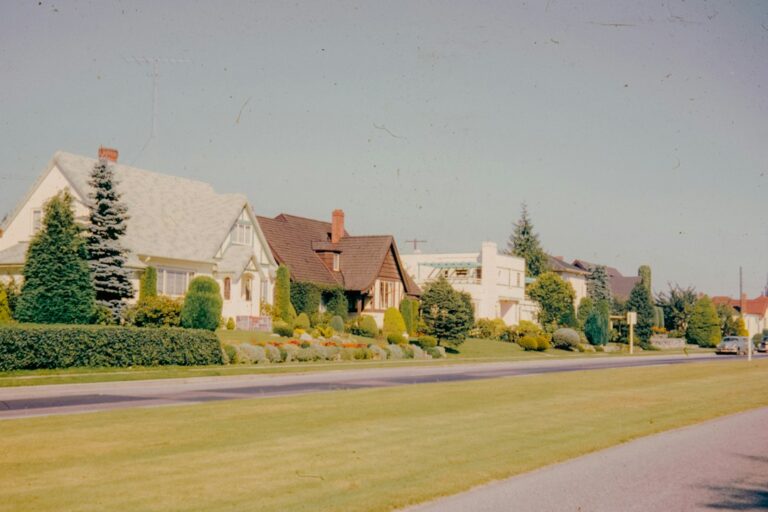 Divorce
Divorcing in North Long Beach? Who Gets the House, and What Taxes Follow
Divorcing in North Long Beach, CA? Learn how buyouts, Duke orders, Watts/Epstein credits, and capital gains tax rules affect splitting your house.
Read the guide → Divorce
Why a West Covina Divorce Sale Doesn’t Always Trigger a Tax Reassessment
A West Covina divorce buyout usually keeps the home's Prop 13 tax basis, but selling to a cash buyer does not. See how that affects your decision.
Read the guide → Divorce
Who Gets Credit for the Down Payment on an Agua Dulce Ranch in a Divorce
Learn how California Family Code Section 2640 reimburses a separate-property down payment on an Agua Dulce horse property when a marriage ends in divorce.
Read the guide →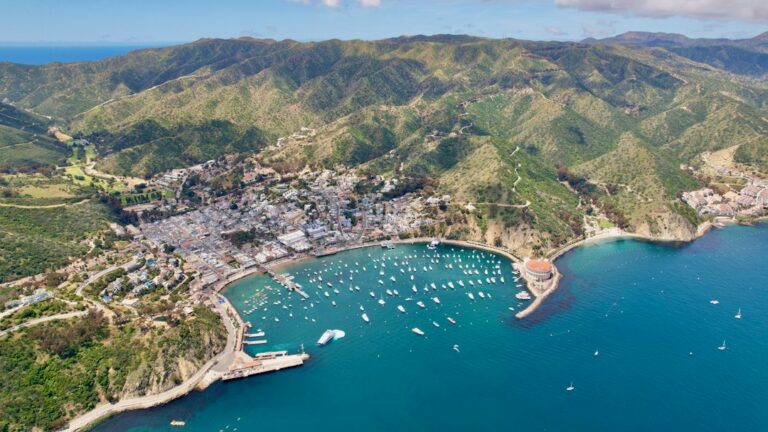 Divorce
Dividing a House in an Avalon, CA Catalina Divorce
Dividing an Avalon, CA home in divorce? See how California community property law, rental license limits, and island appraisals affect your split.
Read the guide → Divorce
Separate Property Reimbursement in a Monrovia Divorce
How Family Code 2640 and the Moore/Marsden formula decide what a spouse gets back before a Monrovia, CA home sells or one spouse buys the other out.
Read the guide → Divorce
How Community Property Division Works for a Whittier Home Sale
See how California law splits community versus separate property for a Whittier house sale during divorce, and what each spouse can claim back.
Read the guide → Divorce
How Community Property Division Plays Out for a Duarte, CA Home
How California's community property law divides a Duarte home in divorce, including Family Code 2640 reimbursement, Watts charges, and Epstein credits.
Read the guide →