
Sell a House During Divorce in Palmdale
- Foreclosure, inherited, tenants, damage — we buy it
- Zero fees, zero commissions, zero closing costs
- No obligation — turn the offer down and owe us nothing


One Sale, One Closing, No Added Conflict
Understand how California community property rules and ATROs affect selling a shared home during divorce, and how a direct sale simplifies it.
Selling a house during a divorce in Palmdale adds legal and logistical layers on top of an already difficult process. Understanding how California’s community property rules and court restrictions apply to your home helps you and your spouse move forward without the property becoming another point of conflict. Cash Home Buyers CA works with divorcing couples throughout Palmdale to sell quickly and fairly.
Community Property Basics in California
California is a community property state, meaning most assets acquired during the marriage — including a house purchased while married — are generally considered equally owned by both spouses, regardless of whose name is on the title or who made the mortgage payments.
This means both spouses typically need to agree to a sale and both need to sign closing documents, even if one spouse has been the one living in the home or handling the finances.
ATROs and Why They Matter for a Sale
When a divorce petition is filed in California, Automatic Temporary Restraining Orders (ATROs) go into effect for both spouses.
Among other things, ATROs generally prohibit either spouse from transferring, encumbering, or disposing of property outside the normal course of business without the other spouse’s written consent or a court order.
This doesn’t mean a house can never be sold during a pending divorce — it means both spouses typically need to agree to the sale, often documented in writing, or the court needs to authorize it. Selling with both parties’ cooperation from the start avoids delays tied to ATRO compliance.
Why Many Couples Sell Before the Divorce Finalizes
Rather than one spouse buying out the other’s share, or continuing to co-own the house after the divorce is final, many Palmdale couples find it simpler to sell the house and split the proceeds as part of the settlement. This avoids ongoing financial entanglement, removes a shared asset that can otherwise remain a point of friction, and lets both parties move on with a clean, defined outcome.
Why a Direct Sale Often Works Well During Divorce
A traditional listing during a divorce means both spouses need to agree on price, staging, showings, and every offer that comes in — each additional decision point is another opportunity for disagreement.
A direct cash sale simplifies this considerably: one written offer, one closing date, and no ongoing negotiation over showings or repair credits. We can also move quickly once both parties are ready to sign, which matters when either spouse wants to finalize the property division and move forward.
What We Need From Both Spouses
Because California title generally requires both spouses on a community property home to sign closing documents, we’ll need both parties’ cooperation to complete the sale. If your divorce is still pending, we recommend confirming with your attorney that the sale is authorized under your ATRO obligations or any temporary court orders in place, so escrow can proceed without complications.
Handling the Proceeds
How sale proceeds get divided is typically addressed in your marital settlement agreement or by court order. Escrow can be instructed to disburse funds according to whatever division both spouses and their attorneys have agreed upon, whether that’s an even split or another arrangement.
Why Speed Often Matters in a Divorce Sale
The longer a jointly owned Palmdale house sits unsold during a divorce, the longer both spouses remain financially tied together through a shared mortgage, property taxes, insurance, and upkeep — expenses that often become another source of disagreement over who pays what while the case is pending.
A quick, defined sale timeline removes that ongoing entanglement sooner rather than later, which is part of why many divorcing couples in Palmdale prefer a direct sale over an open-ended retail listing.
Working With Your Attorneys
We’re glad to coordinate directly with both spouses’ family law attorneys to make sure the sale terms, closing timeline, and proceeds disbursement all align with whatever has been agreed to in the case. This keeps the transaction moving without either spouse needing to manage those details personally during an already stressful time.
Frequently Asked Questions
Do both spouses have to agree to sell?
Generally yes, since a home acquired during the marriage is typically community property and both spouses hold title.
Can we sell while the divorce is still pending?
Yes, but ATROs generally require both spouses’ written consent or a court order to sell property while the divorce is pending. We recommend confirming this with your attorney before proceeding.
How are sale proceeds split?
That’s determined by your settlement agreement or court order; escrow disburses funds according to those instructions.
Can you close before the divorce is finalized?
Often yes, once both spouses have agreed to the sale and any required consent or court authorization is in place.
Get a free, no-obligation cash offer on your Palmdale property from Cash Home Buyers CA today.
Seller Guides
Helpful guides for homeowners in Palmdale
Plain-English answers to the questions sellers ask us most.
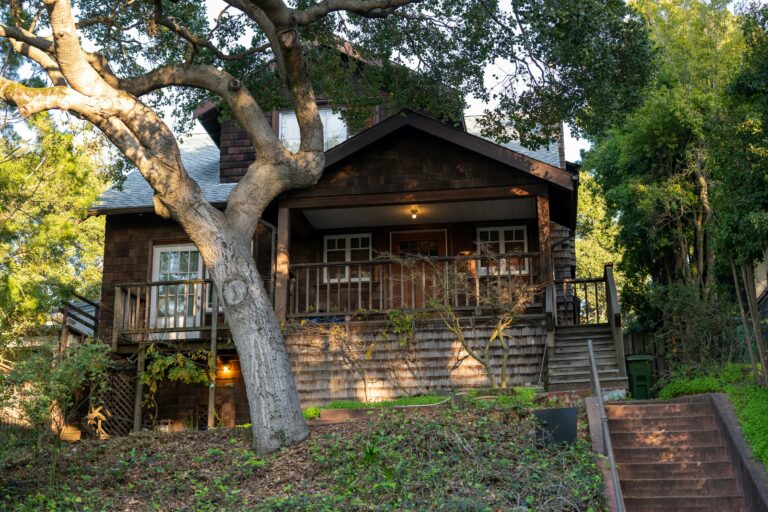 Selling for cash
Berkeley’s 1.5% to 2.5% Transfer Tax, and What Changes When Measure W Takes Effect in 2027
Berkeley charges its own 1.5% to 2.5% transfer tax on top of Alameda County's -- and the rate structure is about to…
Read the guide → Inherited homes & probate
Partition Actions Between Heirs: How California Law Forces a House Sale
California heirs can force a house sale through a partition action under CCP 872-874, with court referees, confirmation hearings, and buyout rights.
Read the guide →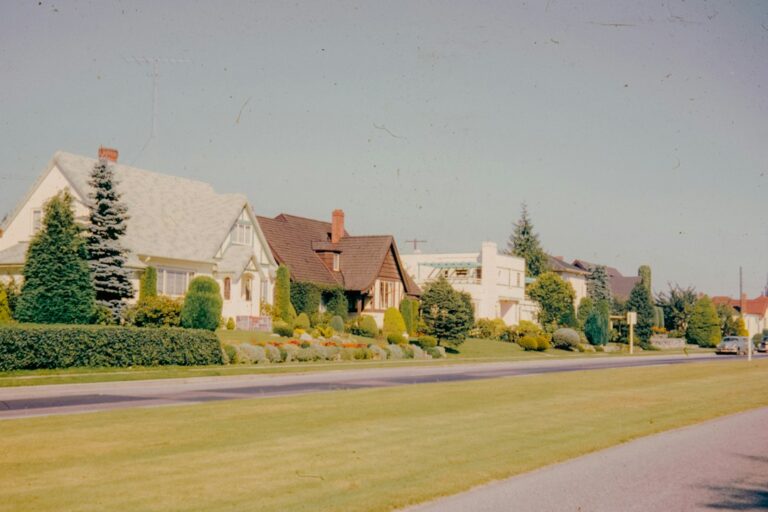 Divorce
Divorcing in North Long Beach? Who Gets the House, and What Taxes Follow
Divorcing in North Long Beach, CA? Learn how buyouts, Duke orders, Watts/Epstein credits, and capital gains tax rules affect splitting your house.
Read the guide → Divorce
Why a West Covina Divorce Sale Doesn’t Always Trigger a Tax Reassessment
A West Covina divorce buyout usually keeps the home's Prop 13 tax basis, but selling to a cash buyer does not. See how that affects your decision.
Read the guide → Divorce
Who Gets Credit for the Down Payment on an Agua Dulce Ranch in a Divorce
Learn how California Family Code Section 2640 reimburses a separate-property down payment on an Agua Dulce horse property when a marriage ends in divorce.
Read the guide →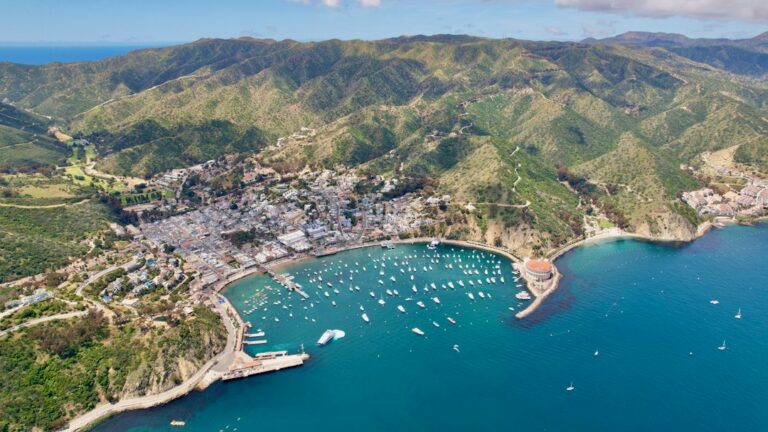 Divorce
Dividing a House in an Avalon, CA Catalina Divorce
Dividing an Avalon, CA home in divorce? See how California community property law, rental license limits, and island appraisals affect your split.
Read the guide → Divorce
Separate Property Reimbursement in a Monrovia Divorce
How Family Code 2640 and the Moore/Marsden formula decide what a spouse gets back before a Monrovia, CA home sells or one spouse buys the other out.
Read the guide → Divorce
How Community Property Division Works for a Whittier Home Sale
See how California law splits community versus separate property for a Whittier house sale during divorce, and what each spouse can claim back.
Read the guide → Divorce
How Community Property Division Plays Out for a Duarte, CA Home
How California's community property law divides a Duarte home in divorce, including Family Code 2640 reimbursement, Watts charges, and Epstein credits.
Read the guide →