
Selling a House During Divorce in San Pedro
- Foreclosure, inherited, tenants, damage — we buy it
- Zero fees, zero commissions, zero closing costs
- No obligation — turn the offer down and owe us nothing


One Number, One Date, Fewer Arguments
Community property, court orders and two people who need to agree. Here is how the family home in San Pedro gets sold during a divorce, and why a clean cash offer can help.
For most couples, the house is the largest shared asset, and deciding what to do with it is one of the hardest parts of a divorce.
Cash Home Buyers CA buys houses and condos throughout San Pedro and works with both spouses, their attorneys and mediators to sell the property on terms everyone can see and verify.
This page covers the California rules that govern a divorce sale, the local details that affect a San Pedro property, and how a direct sale fits in.
California Community Property and the Family Home
California is a community property state. Under Family Code section 760, property acquired during the marriage is generally owned equally by both spouses, regardless of whose name is on the title or who made the payments. A San Pedro house bought after the wedding is usually community property, and the equity is usually split equally unless the spouses agree otherwise.
It gets more complicated when one spouse owned the house before the marriage. The home may be that spouse’s separate property, but if community funds paid down the mortgage during the marriage, the community may have a claim to part of the appreciation.
Given how long many San Pedro families have held their homes, and how much values have risen, these calculations can be significant. A family law attorney can work through them.
Court Orders That Affect a Sale
When a divorce petition is filed and served, the Summons (form FL-110) carries automatic temporary restraining orders. Among other things, they prohibit either spouse from transferring, encumbering or selling community or separate property without the other spouse’s written consent or a court order. In plain terms, neither spouse can sell the San Pedro house on their own once the case is filed.
That leaves two paths:
- Both spouses agree and sign. This is the most common approach. Both sign the purchase agreement and escrow documents, and the attorneys typically agree on how the proceeds will be held or divided.
- The court orders a sale. If spouses cannot agree, either can ask the court to order the property sold and set terms for the listing or sale and the handling of proceeds.
For harbor-area families, the Los Angeles Superior Court’s South District handles family law matters at the Governor George Deukmejian Courthouse in Long Beach, where the district’s Family Law Facilitator office is also located. The old San Pedro Courthouse on Centre Street closed in 2014.
Sell Before or After the Judgment?
You can sell during the case or after the judgment. California has a minimum six-month waiting period from service of the petition before marital status can end, but the house does not have to wait for that.
Selling earlier can stop arguments over who pays the mortgage, property tax and repairs in the meantime, and it turns an uncertain asset into cash that can be divided cleanly.
Selling later lets one spouse stay in the home longer, which some families prefer when children are in school nearby, such as at South Shores Magnet or Point Fermin Marine Science Magnet.
In some cases, a court can order a deferred sale of the home so the custodial parent and children can remain for a period. That is a legal question for your attorney, but it is worth knowing the option exists.
Why a Listing Can Be Hard During a Divorce
A traditional listing requires a long string of joint decisions: which agent, what price, which repairs, how to handle showings, whether to accept an offer, how to respond to inspection requests. Each decision is a chance for disagreement. Meanwhile, San Pedro’s market has slowed. Movoto’s August 2026 data show a median of 76 days on market, up from 58 days a year earlier, before escrow even starts.
A long listing can also be hard on whoever is still living in the house, who has to keep it show-ready while the other spouse lives elsewhere. And if one spouse stops paying the mortgage during the case, a default can follow. Our guide on how to stop foreclosure in San Pedro explains that timeline.
How a Cash Sale Simplifies Things
- One written offer both spouses can review. We send the same offer to both parties and their attorneys, with our reasoning.
- No repair negotiation. We buy as-is, so there is no argument over which repairs to make or who pays for them.
- No showings. One walkthrough, scheduled around whoever is living there.
- Neutral escrow. A licensed Los Angeles County escrow company holds the funds and pays them out according to the spouses’ written instructions or a court order.
- A firm date. You choose it. That helps both spouses plan their next homes.
San Pedro sales carry the combined city and county documentary transfer tax of $5.60 per $1,000 and require the city’s 9A report. On our purchases we handle the 9A items and cover customary closing costs, so there is less to split and less to disagree about.
Special Situations We See in San Pedro
A rental property as well as the home
Some couples also own a duplex or a rental house. Tenants stay in place through a sale, and units in older buildings may be covered by the city’s Rent Stabilization Ordinance. See our guide to selling a tenant-occupied house in San Pedro.
One spouse is moving away
When a divorce coincides with a job change or military reassignment, the timeline can tighten quickly. Our page on selling your San Pedro house because you are relocating covers that side.
Deferred repairs
Older San Pedro houses, especially on the hill above downtown, often need plumbing, electrical or roofing work. When spouses cannot agree on who pays for repairs, an as-is sale removes the question.
Taxes Worth Asking About
Transfers between spouses as part of a divorce are generally excluded from property tax reassessment in California, which matters if one spouse wants to buy out the other and keep the house.
If you sell, the federal home sale exclusion can shelter up to $250,000 of gain per qualifying spouse, and there are special rules for spouses who moved out under a divorce arrangement. A tax professional should review your numbers.
The same state rules apply throughout the city; our page on the rules across the rest of Los Angeles covers them in more depth.
Dividing the Proceeds and Clearing the Loans
At closing, escrow pays the first mortgage, any second loan or home equity line, property taxes due, and any liens recorded against the property. What remains is the net equity, and that is the number the spouses or the court divide.
The division is not always a simple half-and-half split.
California Family Code section 2640 generally allows a spouse who used separate property, such as money saved before the marriage or an inheritance, toward the down payment or principal reduction on the community home to be reimbursed for that contribution before the rest is divided, unless that right was waived in writing.
On a long-held San Pedro house, the records may go back decades, so it pays to gather closing statements and bank records early.
Selling also solves a problem that a buyout does not. When both spouses are on the mortgage, both stay liable for the loan until it is paid off or refinanced. If one spouse keeps the house, the lender will usually require a refinance to release the other. A sale pays the loan off entirely, so neither spouse carries the other’s mortgage into their next home purchase.
Many couples work through these questions in mediation. A written cash offer gives the mediator and both attorneys a concrete net number to work with, instead of competing estimates of what the house might bring after a long listing.
If you are not ready to sell yet, that is fine too. Some spouses ask for an offer simply to understand the as-is value of the house during settlement talks, then decide later whether to list, sell to us, or have one spouse keep it. The offer costs nothing and does not obligate either of you.
Frequently Asked Questions
Can my spouse sell our San Pedro house without me?
Not after the case is filed. The automatic restraining orders on the Summons prohibit either spouse from selling without the other’s written consent or a court order.
Which courthouse handles San Pedro divorces?
Family law matters for the harbor area are handled in the Los Angeles Superior Court’s South District at the Governor George Deukmejian Courthouse in Long Beach. Your attorney will confirm the correct filing location for your case.
Do we both have to sign?
Yes, when both spouses are on title or the property is community property. We can arrange separate signing appointments so you do not have to be in the same room.
Who holds the money after the sale?
The escrow company pays off the loan and then distributes the proceeds according to written instructions from both spouses or a court order. Some couples have funds held in a blocked account until the judgment.
Can one of us buy out the other instead?
Yes. Our written offer can serve as a reference point for a buyout number, even if you never sell to us.
Call or text (424) 435-2326 for a confidential, no-obligation offer from Cash Home Buyers CA.
Seller Guides
Helpful guides for homeowners in San Pedro
Plain-English answers to the questions sellers ask us most.
 Relocating
Fontana’s Warehouse Boom: What It Means If You’re Relocating
Fontana grew from a wartime steel town into an Inland Empire logistics hub. See what that shift means for home values and selling if you are relocating.
Read the guide → Inherited homes & probate
Partition Actions Between Heirs: How California Law Forces a House Sale
California heirs can force a house sale through a partition action under CCP 872-874, with court referees, confirmation hearings, and buyout rights.
Read the guide → Divorce
Divorcing in North Long Beach? Who Gets the House, and What Taxes Follow
Divorcing in North Long Beach, CA? Learn how buyouts, Duke orders, Watts/Epstein credits, and capital gains tax rules affect splitting your house.
Read the guide → Divorce
Why a West Covina Divorce Sale Doesn’t Always Trigger a Tax Reassessment
A West Covina divorce buyout usually keeps the home's Prop 13 tax basis, but selling to a cash buyer does not. See how that affects your decision.
Read the guide → Divorce
Who Gets Credit for the Down Payment on an Agua Dulce Ranch in a Divorce
Learn how California Family Code Section 2640 reimburses a separate-property down payment on an Agua Dulce horse property when a marriage ends in divorce.
Read the guide →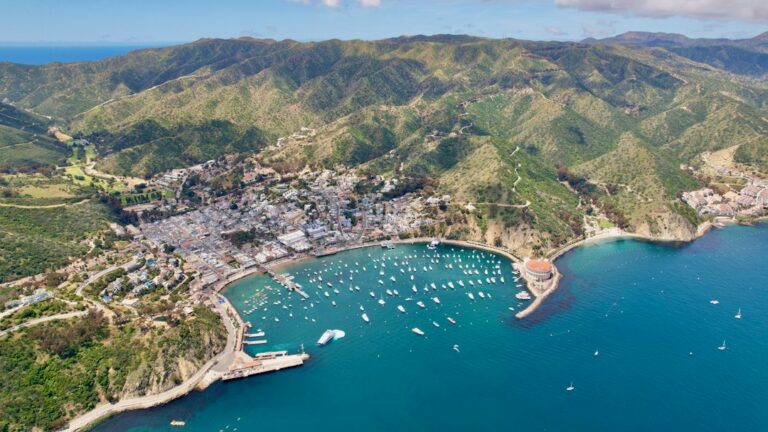 Divorce
Dividing a House in an Avalon, CA Catalina Divorce
Dividing an Avalon, CA home in divorce? See how California community property law, rental license limits, and island appraisals affect your split.
Read the guide → Divorce
Separate Property Reimbursement in a Monrovia Divorce
How Family Code 2640 and the Moore/Marsden formula decide what a spouse gets back before a Monrovia, CA home sells or one spouse buys the other out.
Read the guide → Divorce
How Community Property Division Works for a Whittier Home Sale
See how California law splits community versus separate property for a Whittier house sale during divorce, and what each spouse can claim back.
Read the guide → Divorce
How Community Property Division Plays Out for a Duarte, CA Home
How California's community property law divides a Duarte home in divorce, including Family Code 2640 reimbursement, Watts charges, and Epstein credits.
Read the guide →