
Sell Your House During Divorce in Sunland, CA
- Foreclosure, inherited, tenants, damage — we buy it
- Zero fees, zero commissions, zero closing costs
- No obligation — turn the offer down and owe us nothing


Fast, Fair, and Reliable Offers
A written cash offer that lets both spouses close on a set date and split proceeds through escrow, without a drawn-out listing. We buy houses in Sunland and the surrounding foothills in any condition.
Sell Your House During Divorce in Sunland Without Delay
If you need to sell your house during divorce in Sunland, both owners on title generally need to agree to and sign off on the sale, which can make a traditional listing, with its showings and negotiations, harder to manage while a divorce is already underway.
We buy houses throughout Sunland, including hillside and canyon-adjacent properties near the Verdugo Mountains and older homes with original stone foundations, with one straightforward process that keeps things simple for both spouses.
California is a community property state, so a house acquired during the marriage is generally considered jointly owned regardless of whose name is on the loan, and proceeds from a sale are typically divided according to the couple’s settlement agreement or a court order.
Sunland market snapshot
Redfin’s August 2026 data shows Sunland’s median sale price near 998,000 dollars, up 5.4 percent year over year, based on a small sample of 8 recent sales with a median of 37 days on market over the past three months. A longer traditional listing can mean months of continued coordination between separating spouses over showings and offers, which is part of why many couples prefer a faster, single-offer sale instead.
Selling to us during divorce vs. listing with an agent
| Factor | Selling to us | Listing with an agent |
|---|---|---|
| Timeline | Often two to three weeks once both parties agree | Weeks to find a buyer, then financed buyers usually need 30-45 days to close |
| Coordination | One offer, one walkthrough, minimal back and forth | Ongoing coordination between both spouses over showings and negotiations |
| Repairs | None required; bought as-is | Buyers may request repairs, requiring agreement from both spouses |
| Commissions | No fees or commissions | Agent commissions often total around 5-6 percent combined |
| Closing costs | No fees or commissions from us; standard transfer tax and escrow costs still apply | Sellers typically split transfer tax and escrow costs per their agreement |
| Certainty | Written offer; proceeds split through escrow per the settlement | Can stall if the spouses disagree on price or timing |
How to sell your house during divorce in Sunland, step by step
Call or text 424-435-2326 or fill out the form on this page; either spouse can start the conversation, but both owners on title will need to sign the final paperwork. We schedule a walkthrough and typically hand you a written cash offer within 24 hours.
Once both parties accept, we open escrow with a neutral escrow company, and proceeds are distributed according to the settlement agreement or court order at closing. Our Sunland cash offer process page covers the full process in more detail.
Community property and what the law generally says
Under California’s community property rules, a house purchased during the marriage is generally considered owned equally by both spouses, regardless of whose name appears on the mortgage or the title.
Proceeds from a sale are typically split according to the terms the couple reaches in their settlement agreement, or as a judge orders if the case goes to trial.
We do not get involved in negotiating that split; our role is to buy the house and let escrow distribute the proceeds exactly as directed by your settlement or the court.
Why both signatures matter
Because both spouses are typically on title, both signatures are usually required to complete a sale, even if only one spouse has been living in the house. If one spouse is unavailable or unwilling to sign, that is a legal issue to resolve with a family-law attorney before a sale can close; we are not able to buy a property without the signatures the title and escrow company require.
Hillside and older Sunland homes during a divorce sale
Some marital properties in Sunland sit on hillside or canyon-adjacent lots within the state’s mapped Very High Fire Hazard Severity Zone, or are older homes with original stone-and-boulder foundations.
Those conditions can slow down a traditional sale during an already stressful period, since a financed buyer’s lender and insurer both need to sign off before closing. A cash sale avoids that dependency, which can simplify the process for both spouses.
Timing a sale around the divorce process
Some couples sell the house early, while the divorce is still pending, so the proceeds are already in hand and easier to divide according to a temporary agreement or the eventual settlement. Others wait until the settlement is final so the division of proceeds is already spelled out before escrow closes. Either approach can work; the right one usually depends on what your attorneys and your specific settlement timeline require.
What happens if the house is in a trust or has a mortgage
If the property is held in a family trust, both spouses as trustees or beneficiaries typically still need to authorize the sale depending on how the trust is structured; a family-law or estate attorney can clarify what is required in your case.
We can usually give both spouses a preliminary estimate even before attorneys have finished reviewing a full settlement.
If there is an existing mortgage, the payoff is handled through escrow at closing in the same way as any other sale, with the remaining proceeds divided according to the settlement after the loan is satisfied.
Avoiding delays that come from disagreement over repairs or price
One of the more common ways a traditional listing stalls during a divorce is disagreement between the spouses over what repairs to make, what price to accept, or how to respond to a buyer’s offer.
Because we buy the house as is and make a single written offer, that particular source of friction is removed from the process; both spouses are reviewing one number rather than negotiating a listing strategy together.
Keeping the transaction neutral
We do not take sides in a divorce or advise on how proceeds should be split; that is the role of your attorneys and the court.
Our part is limited to making a fair, written cash offer for the property and working with a neutral escrow company that distributes proceeds exactly as your settlement agreement or court order specifies, so neither spouse needs to rely on the other to hand over funds directly.
This is particularly useful when the couple has already agreed on the division of proceeds and simply wants the property converted to cash as quickly and cleanly as possible.
Hillside Sunland properties that are harder to sell traditionally during a divorce
A hillside or canyon-adjacent Sunland property near the mapped Very High Fire Hazard Severity Zone, or an older home with a stone-and-boulder foundation, can already be a slower sale on its own, and that difficulty compounds when two separating owners are also trying to coordinate showings, repairs, and buyer negotiations.
Selling for cash removes several of those complications at once, since there is no insurance or lender approval to wait on and no repairs to agree upon.
This matters most on a hillside or older-foundation property, where a slower financed sale could otherwise drag on through much of the divorce proceeding itself.
Working with your family-law attorney
We encourage both spouses to involve their family-law attorneys in reviewing any offer and the settlement terms around how proceeds will be divided. Once an attorney or the settlement agreement confirms how the sale should proceed, we can move forward quickly with a written offer and a closing date that works for both parties.
What documents we typically ask for
To make an offer, we usually just need the property address and basic information about its condition. Before closing, escrow will typically ask for a copy of the settlement agreement or court order showing how proceeds should be divided, along with identification from both spouses as the sellers on title. We do not require either spouse to provide anything about the broader divorce case itself.
Selling nearby properties in the foothills
We also buy houses facing a divorce-related sale in nearby Tujunga, La Crescenta-Montrose, Shadow Hills and Sun Valley, using the same approach, so a couple with ties across more than one of these neighborhoods can work with us on each property under one consistent process.
Frequently Asked Questions
Do both spouses need to agree to sell your house during divorce in Sunland?
Generally yes, since both owners on title usually need to sign the sale paperwork, regardless of which spouse has been living in the house. If one spouse is unreachable, a family-law attorney can advise on the legal options available.
How are proceeds split after the sale?
Proceeds are typically distributed through escrow according to the couple’s settlement agreement or a court order, not something we determine ourselves. We simply follow the written instructions escrow receives from both spouses or their attorneys.
Can we sell the house before the divorce is finalized?
Often yes, if both spouses agree and sign the necessary paperwork. A family-law attorney can confirm whether anything in your specific case affects timing. Many couples prefer to resolve the real estate separately from other issues so it stops being an ongoing point of friction.
What if one spouse wants to sell and the other does not?
That is a legal disagreement to resolve with a family-law attorney or the court, since we need both owners’ signatures to complete a sale. We cannot make an offer that only one of two titled owners can accept.
Do we need to make repairs before selling during a divorce?
No. We buy the house as is, which removes one source of disagreement that can come up when deciding how to prepare a house for a traditional listing. It also means neither spouse has to front money for repairs or wait for the other to agree on a contractor.
How fast can a divorce-related sale close in Sunland?
Often two to three weeks once both spouses have signed and title is confirmed clear. Properties needing extra documentation, such as hillside or trust-held homes, can take a bit longer.
Does selling to you cost either spouse anything in fees?
No. We do not charge fees or commissions. Standard California transfer tax and escrow costs still apply as they would with any sale. Any remaining mortgage is paid off through escrow before the net proceeds are split.
Can we sell the house if it is still in a family trust?
Often yes, though the trust document determines who has authority to sign. An estate or family-law attorney can confirm the exact requirements for a trust-held property.
If you need to sell your house during divorce in Sunland, call or text 424-435-2326 or use the form above for a written offer, with no obligation, no repairs required and no fees for either spouse.
Sunland is part of the City of Los Angeles. For the citywide picture, see our guide to selling a house during a divorce in Los Angeles.
Seller Guides
Helpful guides for homeowners in Sunland
Plain-English answers to the questions sellers ask us most.
 Relocating
Fontana’s Warehouse Boom: What It Means If You’re Relocating
Fontana grew from a wartime steel town into an Inland Empire logistics hub. See what that shift means for home values and selling if you are relocating.
Read the guide → Inherited homes & probate
Partition Actions Between Heirs: How California Law Forces a House Sale
California heirs can force a house sale through a partition action under CCP 872-874, with court referees, confirmation hearings, and buyout rights.
Read the guide →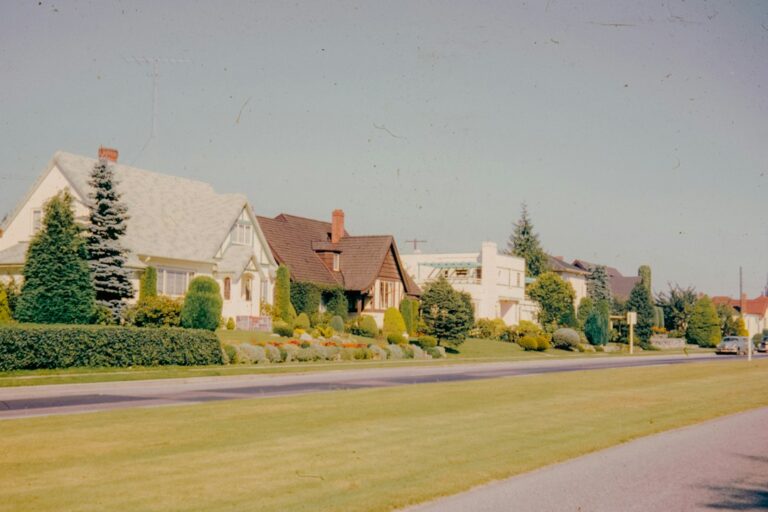 Divorce
Divorcing in North Long Beach? Who Gets the House, and What Taxes Follow
Divorcing in North Long Beach, CA? Learn how buyouts, Duke orders, Watts/Epstein credits, and capital gains tax rules affect splitting your house.
Read the guide → Divorce
Why a West Covina Divorce Sale Doesn’t Always Trigger a Tax Reassessment
A West Covina divorce buyout usually keeps the home's Prop 13 tax basis, but selling to a cash buyer does not. See how that affects your decision.
Read the guide →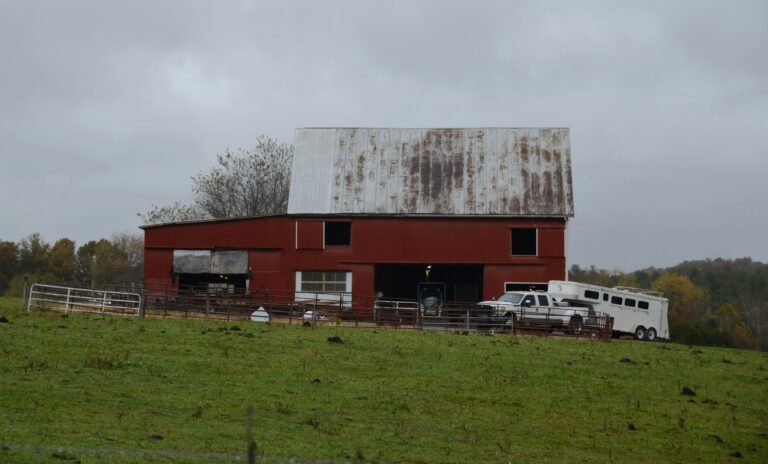 Divorce
Who Gets Credit for the Down Payment on an Agua Dulce Ranch in a Divorce
Learn how California Family Code Section 2640 reimburses a separate-property down payment on an Agua Dulce horse property when a marriage ends in divorce.
Read the guide →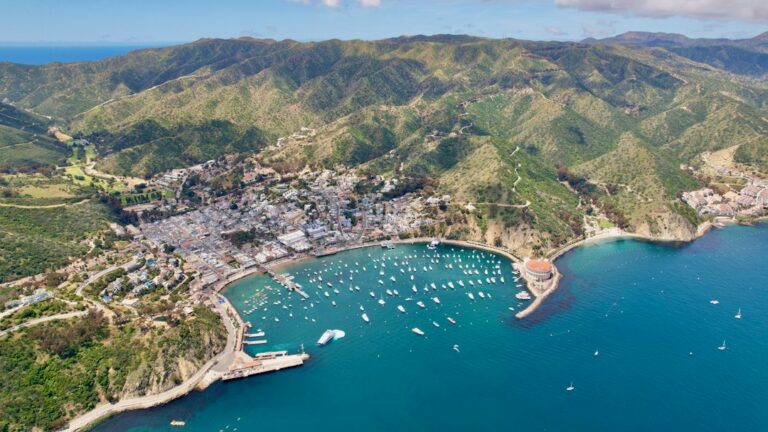 Divorce
Dividing a House in an Avalon, CA Catalina Divorce
Dividing an Avalon, CA home in divorce? See how California community property law, rental license limits, and island appraisals affect your split.
Read the guide → Divorce
Separate Property Reimbursement in a Monrovia Divorce
How Family Code 2640 and the Moore/Marsden formula decide what a spouse gets back before a Monrovia, CA home sells or one spouse buys the other out.
Read the guide → Divorce
How Community Property Division Works for a Whittier Home Sale
See how California law splits community versus separate property for a Whittier house sale during divorce, and what each spouse can claim back.
Read the guide → Divorce
How Community Property Division Plays Out for a Duarte, CA Home
How California's community property law divides a Duarte home in divorce, including Family Code 2640 reimbursement, Watts charges, and Epstein credits.
Read the guide →