
Sell a Tenant-Occupied House in Crenshaw
- Foreclosure, inherited, tenants, damage — we buy it
- Zero fees, zero commissions, zero closing costs
- No obligation — turn the offer down and owe us nothing


No Notices, No Vacancy, No Relocation Checks
We buy Crenshaw rentals with tenants living in them, and we honor the tenancy exactly as it stands.
Renting is a defining part of Crenshaw‘s housing stock: alongside the neighborhood’s single-family bungalows sit a substantial number of small apartment buildings and duplexes, many held as long-term rentals for decades.
A large share of that stock predates the city’s October 1, 1978 cutoff for Rent Stabilization Ordinance coverage, which puts it squarely under rent caps and just-cause eviction rules that continue after a sale.
Cash Home Buyers CA purchases occupied houses, duplexes and small apartment buildings throughout Crenshaw without disturbing a single tenancy.
Why So Much of Crenshaw Falls Under the RSO
Crenshaw’s housing was largely built out from the early 1900s through the postwar decades, well before the city’s 1978 rent-control cutoff.
That includes single-family bungalows later converted or added onto, plus small courtyard-style apartment buildings and duplexes constructed as the neighborhood filled in during its years as home to a large Japanese American community and, from the mid-1960s onward, one of the largest African American communities in the western United States.
Because so much of that stock has never been replaced, the share of Crenshaw rental units that fall under the RSO is meaningfully higher than in newer parts of the city.
Newer construction, where it exists, is generally covered by the city’s Just Cause Ordinance and, for many units more than 15 years old, by the statewide Tenant Protection Act, AB 1482, which caps annual rent increases; some single-family homes owned by individuals are exempt from AB 1482 when proper notice was given.
Baldwin Hills Crenshaw Plaza, which opened in November 1947 as the Broadway-Crenshaw Center, is generally considered the oldest regional shopping center still operating in the United States, and it anchors the same Crenshaw Boulevard corridor, named in 1904 for developer George L.
Crenshaw, that many of the neighborhood’s rental buildings sit along or near.
That kind of longevity runs through Crenshaw’s rental stock as well: with the neighborhood’s population estimated at roughly 27,600 residents as of 2006, a substantial share of that population has always rented rather than owned, in buildings that have stood largely unchanged since well before the RSO’s 1978 cutoff date.
That same longevity is why so many of Crenshaw’s occupied duplexes and small apartment buildings never went through a full renovation between tenancies: the owner, and often the building itself, simply carried on as it was, generation after generation, which is part of why an accurate rent roll and registration history matter more here than a fresh coat of paint would.
Selling Does Not End the Lease
A change of ownership is not a lease termination. Whoever buys the property takes it subject to the existing leases and rent-registration status. Civil Code 821 gives the new owner the same remedies for rent and for lease breaches that the seller had.
A fixed-term lease runs to its end date in the buyer’s hands. A month-to-month tenancy continues on the same terms.
The practical consequence for a Crenshaw owner is that a buyer relying on conventional owner-occupant financing usually cannot close, because they need possession they are not legally entitled to — which is a large part of why occupied listings here sit longer than vacant ones.
What the RSO Means for a Sale
- The sale itself changes nothing for tenants. Whoever buys the property takes it subject to the existing leases and rent-registration status.
- No-fault evictions require relocation payments. Under the RSO, ending a tenancy for owner move-in or another no-fault reason triggers substantial relocation fees, which scale with the tenant’s income and length of tenancy, and the process itself can take months. Selling with the tenancy intact avoids that cost and delay entirely.
- Rent registration must be current. RSO buildings are required to be registered annually with the Los Angeles Housing Department; we confirm registration status during escrow rather than requiring you to sort it out beforehand.
- Financed buyers underwrite rent rolls conservatively. A lender evaluating a below-market RSO building in Crenshaw often values it near its current rent roll rather than its market rent potential, which is a large part of why occupied buildings sell slower to retail buyers and faster to cash buyers who value them on the same basis we do.
Showings: What Notice You Actually Have to Give
Civil Code 1954 controls entry, with a specific carve-out for sale showings that most owners do not know about. Written notice must state the date, approximate time and purpose of entry, and twenty-four hours is presumed reasonable.
For showings to prospective buyers specifically, Civil Code 1954(d)(2) lets you give notice orally, in person or by phone, but only if you notified the tenant in writing within the previous 120 days that the property is for sale and that you or your agent may contact them orally about showings.
In practice, we can often make a Crenshaw offer without a full showing at all, using photos and a single walkthrough at closing.
The Security Deposit Has to Be Handled at Close
Civil Code 1950.5(i) gives a selling landlord two options and only two: transfer the remaining deposit, after lawful deductions, to the buyer and notify the tenant of the transfer, the amount, and the successor’s contact information, or return the remaining deposit to the tenant directly with the accounting required by subdivision (h).
Under Civil Code 1950.5(k)(1), the buyer is jointly and severally liable with the seller if this is not done properly, which is why we insist on handling it correctly in escrow on every occupied Crenshaw property we buy.
If a Tenancy Is Month-to-Month
Where no just-cause ordinance applies, Civil Code 1946.1 requires 60 days’ notice to end a month-to-month tenancy, or 30 days if the tenant has lived there less than a year.
There is a narrow 30-day exception on sale, but it requires all six conditions in Civil Code 1946.1(d), including that the buyer is a natural person who in good faith intends to live there for at least a full year — a condition most sales, including ours, do not meet.
Because we buy occupied rather than requiring vacant possession, none of this matters to a Crenshaw seller working with us: the tenancy simply transfers as it stands, on whatever terms currently govern it.
What We Need to Make an Offer on an Occupied Crenshaw Property
- A copy of the lease or rental agreement, or confirmation that it is month-to-month
- Current rent, deposit held, and when rent was last increased
- Move-in date, which determines whether just-cause protections have attached
- Build date and parcel layout, which determine RSO coverage
- Any open notices, buyout discussions, or habitability complaints
A signed estoppel certificate from the tenant confirming those facts speeds things up considerably, and we can supply the form.
How We Buy an Occupied Crenshaw Property
We ask for the rent roll, current leases and RSO or AB 1482 registration status early, and we build our offer around the actual rents and tenancy terms rather than a hypothetical vacant value.
At closing, the new owner assumes the existing leases, takes assignment of security deposits through escrow under Civil Code 1950.5(i), and registers with the city; we order the city’s 9A report so you do not have to.
Your tenants receive nothing more disruptive than a notice of new ownership and updated payment instructions. There is no notice to vacate, no relocation payment to fund, and no vacancy period for you to carry.
What Occupied Buildings Are Worth in Today’s Crenshaw Market
Redfin’s figures for the three months ending August 2026 put Crenshaw’s median sale price at roughly $1,344,351, up 34.4 percent year over year, on only 17 recorded sales, with a median of 75 days on market.
That figure is heavily weighted toward vacant, renovated single-family houses near the K Line’s Expo/Crenshaw and Martin Luther King Jr. stations.
Occupied RSO buildings are a meaningful part of why the broader median time-on-market sits where it does: they take longer to sell to a financed buyer than a vacant condo does, and they are exactly the segment where our kind of offer is most useful.
Sell a House With Tenants in Crenshaw: Occupied Sale vs. Vacating First
For most owners who want to sell a house with tenants in Crenshaw, the real comparison is between selling occupied and spending months, and often a City of Los Angeles relocation payment, to deliver the property vacant.
| Factor | Sell with tenants in place | Vacate, then list |
|---|---|---|
| Timeline | About two to three weeks once leases are reviewed and the 9A report is back | Months for a lawful no-fault termination, then a median 75 days to an offer plus escrow |
| Relocation costs | None | RSO relocation assistance for many no-fault terminations |
| Showings | One walkthrough with written notice | Open houses and repeated showings |
| Commissions | None to you | Often around 5 to 6 percent combined |
| Certainty of closing | No loan or appraisal contingency | Lenders underwrite conservatively on older rentals |
The process is three steps: call or text 424-435-2326 with rents and lease terms, one walkthrough with proper notice and a written offer with proof of funds, then closing through a Los Angeles County escrow company that prorates rent and transfers deposits.
We can buy directly or bring in a vetted cash buyer from our network; either way you get one written offer, one escrow and no fees or commissions to you. If the rental was inherited, see our Crenshaw inherited house guide.
Frequently Asked Questions
Can I sell my house with tenants in Crenshaw if the rent is far below market?
Yes. Below-market RSO rents are common in Crenshaw, and the offer is based on the actual rent roll. The tenancy and registered rent carry over to the new owner unchanged.
Do I owe my Crenshaw tenants relocation money if I sell?
Not for the sale itself. RSO relocation assistance is tied to certain no-fault terminations, such as owner move-in. Selling with the tenancy intact generally avoids that cost; confirm your situation with an attorney.
What if my Crenshaw rental is not registered with the city?
Tell us early. Registration status is checked during escrow, and unpaid registration fees can usually be brought current and paid from proceeds at closing.
Do I have to evict my tenant before selling in Crenshaw?
No. The tenancy transfers with the property. We buy occupied.
Do I have to tell my tenants I’m selling?
California law does not require advance notice of a sale itself, only reasonable notice before showings, which we generally do not need since we do not require open houses or multiple walkthroughs.
Is my Crenshaw building even covered by the RSO?
Generally, if the certificate of occupancy predates October 1, 1978, it is. We confirm the exact status through the Los Angeles Housing Department’s records during escrow.
What if one unit is vacant and the rest are occupied?
That is common and does not complicate the sale. We factor the vacant unit’s market rent and the occupied units’ current rents into one offer for the whole property.
Will my tenants’ rent go up after you buy the building?
The new owner takes the property subject to existing leases and the applicable rent caps under the RSO or AB 1482, so registered rents carry forward under the same rules that applied before the sale.
To sell an occupied house, duplex or small apartment building in Crenshaw without disturbing a single tenant, call or text 424-435-2326. For the same situation elsewhere in the city, see our page on selling a house with tenants in Los Angeles.
Seller Guides
Helpful guides for homeowners in Crenshaw
Plain-English answers to the questions sellers ask us most.
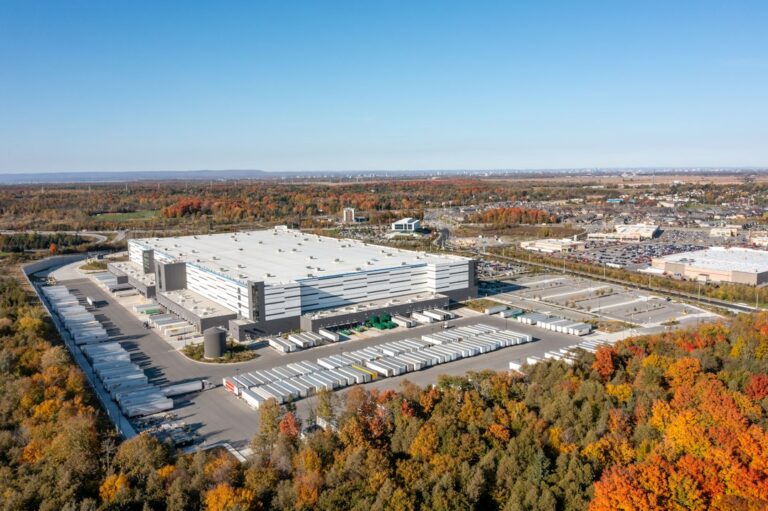 Relocating
Fontana’s Warehouse Boom: What It Means If You’re Relocating
Fontana grew from a wartime steel town into an Inland Empire logistics hub. See what that shift means for home values and selling if you are relocating.
Read the guide → Rentals & tenants
How Much Must Long Beach Landlords Pay Tenants Under the Relocation Ordinance?
Long Beach landlords: see the LBMC 8.99 relocation payments, notice periods, and city filing step required before a no-fault tenant termination.
Read the guide → Rentals & tenants
Pasadena Tenant Protection Ordinance: Notice & Pay Rules
Pasadena's tenant protection ordinance sets notice periods, split relocation pay, and rent caps for owners selling a tenant-occupied rental.
Read the guide → Rentals & tenants
LA RSO Registration Must Be Current Before You Sell
Check the current LAHD RSO, JCO and SCEP fees, the annual deadline, and the 45-day re-registration window you must clear before selling a rental.
Read the guide → Rentals & tenants
Santa Monica Tenant Buyout Agreements: The Notice, the 30-Day Cancel and the Filing Window
Santa Monica buyouts need a rights notice before any offer, a 30-day cancel period and filing on day 31-60. See the 2026 minimum amounts and penalties.
Read the guide → Rentals & tenants
The LAHD Filing Deadline Landlords Miss on a Tenant Buyout in Los Angeles
Los Angeles tenant buyouts require an LAHD disclosure before any offer, a 30-day rescission right, and a signed agreement filed with LAHD within 60 days.
Read the guide → Rentals & tenants
What REAP Actually Means for a Los Angeles Landlord Trying to Sell
If your Los Angeles rental is in REAP — the city's Rent Escrow Account Program — your tenants are legally paying 10%…
Read the guide → Rentals & tenants
What the AB 1482 Single-Family Exemption Does and Doesn’t Cover in North Redondo Beach
Many North Redondo Beach rentals fail the AB 1482 single-family exemption test. Here's what sellers of a tenant-occupied home must verify first.
Read the guide → Rentals & tenants
Why Glendale’s Rent Rules Often Don’t Apply to Your Rental
Glendale has its own tenant-protection ordinance, but most single-family rental houses are exempt and fall back to California's AB 1482 instead.
Read the guide →