
Sell Your House As-Is in Crenshaw
- Foreclosure, inherited, tenants, damage — we buy it
- Zero fees, zero commissions, zero closing costs
- No obligation — turn the offer down and owe us nothing


“As-Is” Doesn’t Mean What Most Sellers Think
California still requires you to disclose known problems, even on an as-is sale. Here’s what actually changes, and what a direct sale sidesteps entirely.
“As-is” is one of the most misunderstood phrases in real estate, and it matters more than usual in Crenshaw, where a large share of the housing stock is old enough to carry real, undisclosed history.
Sellers often assume as-is means they no longer have to say anything about the property’s condition. That is not correct under California law, and getting it wrong can create real liability.
Cash Home Buyers CA buys homes throughout Crenshaw as-is, and this page explains what that term legally does and does not cover.
“As-Is” Does Not Waive Your Disclosure Duties
California requires sellers of residential property to complete a Transfer Disclosure Statement under Civil Code 1102 and a Natural Hazard Disclosure statement, regardless of whether the sale is marketed as-is. The TDS asks about known material defects — roof leaks, foundation problems, unpermitted work, plumbing and electrical issues, and more.
Selling as-is changes what you are offering to fix. It does not excuse you from disclosing what you already know is wrong with the house. Sellers who skip or falsify these disclosures can face real legal exposure after closing, as-is sale or not.
What “As-Is” Actually Changes
What an as-is sale genuinely removes is the repair-negotiation stage. In a standard listing, a buyer’s inspection typically opens a second round of negotiating — credits, repair requests, or a reduced price.
In an as-is sale, the buyer agrees upfront to take the property in its current physical condition, with no expectation that the seller will fix anything found during inspection. The seller’s legal disclosure obligations stay exactly the same either way.
Why Crenshaw’s Housing Stock Struggles With Traditional As-Is Listings
Much of Crenshaw’s housing dates to the early-to-mid 20th century, and certain conditions come up again and again on these bungalows, duplexes and small apartment buildings: additions or converted garages built without permits, foundation cracking or settling in older slab or raised-foundation construction, aging or ungrounded electrical systems, and cast-iron or galvanized plumbing nearing the end of its life.
Properties near the Santa Monica Freeway corridor, completed in 1964, may also carry legacy construction from before modern seismic codes, and homes that took on damage in the 1994 Northridge earthquake sometimes had that damage only patched rather than fully repaired. None of this necessarily stops a cash sale.
It frequently does stop a financed one, because FHA and VA loans require the property to meet minimum property standards, and an appraiser flagging any of these issues can force repairs before the lender will fund — even when the buyer and seller agreed the sale would be as-is.
Crenshaw, ZIP code 90008, was largely built out in waves from the early 1900s through the postwar decades, and long-term family ownership is common here, which means many houses have gone 40 or 50 years between full inspections of any kind.
The 9A Report Still Applies, As-Is or Not
Selling as-is in Los Angeles does not exempt a seller from the Report of Residential Property Records, commonly called the 9A report, from the Department of Building and Safety, or from certifying a seismic gas shutoff valve, water-conserving plumbing fixtures, and smoke and carbon monoxide detectors before closing.
These are distinct from the condition disclosures above — they are municipal compliance items rather than statements about defects — but they are just as mandatory. When we buy a Crenshaw property, we order the 9A report and handle the retrofit certifications ourselves rather than asking you to arrange them.
How a Direct Cash Sale Sidesteps the Appraisal Problem
Because a cash buyer pays without a mortgage, there is no lender, no minimum-property-standard appraisal, and no financing contingency that can unravel the deal over a condition issue.
We still expect an honest answer to what you know about the property, but nothing about unpermitted work, deferred maintenance, or code issues from decades of ownership is a deal-breaker on our end the way it is for a bank.
This matters most for Crenshaw’s older rental houses and small apartment buildings, where deferred maintenance has often accumulated over a long tenancy, and for bungalows inherited from a parent or grandparent that were never modernized to current code.
If tenants or an inheritance are part of your situation, our tenant-occupied house and inherited house guides for Crenshaw go into those specifics.
Rent-Stabilized Buildings Add Another Layer
A meaningful share of Crenshaw’s duplexes and small apartment buildings were built before October 1, 1978 and fall under the city’s Rent Stabilization Ordinance.
Selling one of these as-is does not change the tenants’ rights, and it does not require you to bring the building up to any particular standard before a sale — the RSO governs rents and evictions, not the physical condition of the unit at time of transfer.
That said, a lender financing a buyer’s purchase of an occupied RSO building will still order habitability and condition assessments as part of underwriting, and any deferred maintenance found there can stall the deal the same way it would on a vacant house.
We buy RSO-covered buildings occupied and as-is, and the new owner registers with the city after closing, without requiring any repairs first.
Common As-Is Misunderstandings We Hear in Crenshaw
- “As-is means I don’t have to mention the roof leak.” Not true. If you know about it, it goes on the TDS regardless of as-is language in the listing.
- “As-is means no one will inspect the house.” A cash buyer like us still does a walkthrough, but the inspection does not turn into a repair negotiation the way it would with a retail buyer.
- “An as-is sale skips the 9A report.” It does not. The report and its associated retrofit certifications are a city requirement independent of how the sale is marketed.
- “Unpermitted work automatically kills the sale.” It can kill a financed sale at appraisal. It does not affect a direct cash purchase.
Listing As-Is Versus Selling to Us
A retail as-is listing in Crenshaw still has to clear a buyer’s own inspection contingency and, if that buyer is financed, a lender’s appraisal. For a well-maintained house near the K Line stations, that process usually works fine.
For a bungalow with real deferred maintenance, an unpermitted addition, or unresolved earthquake-era repairs, it commonly means multiple rounds of buyers falling out after their inspection, each one costing weeks of relisting and further eroding the property’s marketability.
Selling directly to us skips that cycle entirely: one inspection, one offer, one closing date, with no repair credits to negotiate along the way.
What This Looks Like on an Actual Crenshaw Sale
Redfin’s data for the three months ending August 2026 puts Crenshaw’s median sale price at roughly $1,344,351, but that figure leans heavily on renovated houses near the K Line’s Expo/Crenshaw and Martin Luther King Jr. stations, on only 17 total sales for the period.
A house with real deferred maintenance, an unpermitted room addition, or unaddressed earthquake-era cracking is not the house driving that median, and trying to move it through a retail as-is listing usually means a string of buyers who fall out after their own inspection or their lender’s appraisal.
Selling directly removes that cycle: one inspection by us, one offer, one closing date.
That same math tends to hold on the small apartment buildings and duplexes scattered through Crenshaw’s older blocks, where a lender evaluating a below-market rent roll on an occupied unit is often less willing to fund than we are to buy.
Sell a House As-Is in Crenshaw: Side-by-Side Comparison
If you want to sell a house as-is in Crenshaw, the choice usually comes down to two paths: fix the house and list it, or sell the fixer-upper in its current condition to a cash buyer. The table below lays out how each path typically plays out on an older Crenshaw bungalow or small building.
| Factor | Sell as-is for cash | Repair, then list |
|---|---|---|
| Timeline | About two to three weeks once the 9A report is back | Weeks or months of permitted work, then a median 75 days to an offer plus a financed escrow |
| Repairs | None; condition is priced into the offer | You fund contractors, permits and inspections up front |
| Showings | One walkthrough | Staging, photos and repeated showings |
| Commissions | None to you | Often around 5 to 6 percent combined |
| Closing costs | No commission; standard seller items such as transfer tax paid from proceeds | Seller items plus a share of escrow and title fees |
| Certainty of closing | No appraisal or loan contingency | Inspection and appraisal findings can reopen the price |
What We Do Not Ask For on an As-Is Sale
No repairs, no termite clearance, no inspection contingency, no cleanout and no staging. You can leave furniture and belongings behind. What we do ask for is honest disclosure of what you know, on the TDS and SPQ forms escrow provides, because that protects you after closing.
Our 3-Step As-Is Process in Crenshaw
1. Call or text 424-435-2326 and tell us what you already know is wrong with the house. 2. One walkthrough, then a written cash offer within about 24 to 48 hours, with proof of funds.
We can buy your house directly or bring in a vetted cash buyer from our network; either way you get one written offer, one escrow and no fees or commissions to you. 3. Close on your date through a Los Angeles County escrow company after the 9A report comes back.
If the house came to you through an estate, our guide to selling an inherited house in Crenshaw covers who can sign.
Frequently Asked Questions
Can I sell a house as-is in Crenshaw with an open code enforcement case?
Often yes. Open code cases and permit issues are disclosed and priced into the offer, and the buyer deals with the city after closing. Escrow will show any recorded code liens that need to be paid.
Will selling as-is in Crenshaw lower my price a lot?
It depends on condition. On a house needing major work, an as-is cash offer is often close to what you would net after repairs, commission and months of carrying costs on a listing.
Do I need a termite clearance to sell my Crenshaw house as-is?
No. A termite clearance is usually a lender or buyer request in a financed sale. On an as-is cash sale, no clearance or repairs are required.
Do I still need to fill out a disclosure form if I sell as-is in Crenshaw?
Yes. California's TDS and NHD requirements apply regardless of as-is terms.
What if I don't know about a problem with the house?
Disclosure covers what you actually know. You are not required to investigate or guess at issues you have no knowledge of.
Can unpermitted work or old earthquake damage stop a sale?
It can stop a financed sale if an appraiser flags it. It does not stop a direct cash sale to us.
Who handles the 9A report if I sell as-is?
We order it ourselves and handle the retrofit certifications it requires.
Do I need to clean the house before you see it?
No. We evaluate the property as it stands.
Does selling as-is change my tenants' RSO rights if I own a Crenshaw duplex?
No. Rent Stabilization Ordinance coverage and just-cause protections attach to the unit and the building, not to how the sale is marketed, and they continue unchanged after closing.
Get a free, no-obligation cash offer on your Crenshaw property from Cash Home Buyers CA today.
Crenshaw is part of the City of Los Angeles. For the citywide picture, see our guide to selling a house as-is in Los Angeles.
Seller Guides
Helpful guides for homeowners in Crenshaw
Plain-English answers to the questions sellers ask us most.
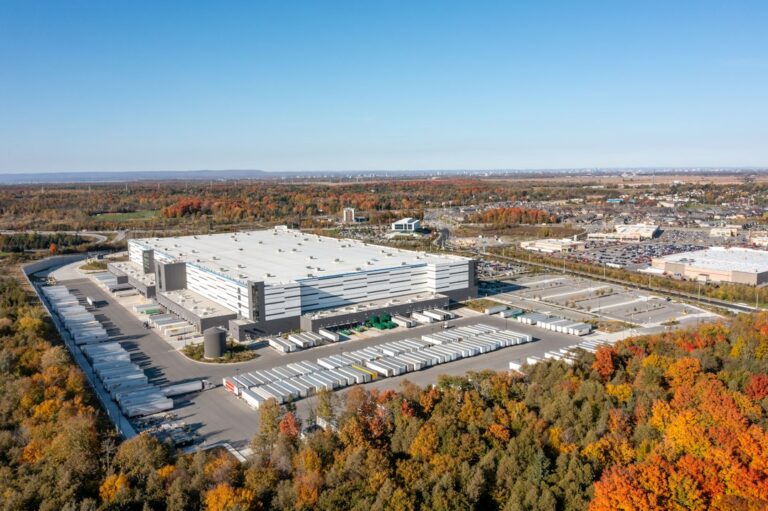 Relocating
Fontana’s Warehouse Boom: What It Means If You’re Relocating
Fontana grew from a wartime steel town into an Inland Empire logistics hub. See what that shift means for home values and selling if you are relocating.
Read the guide →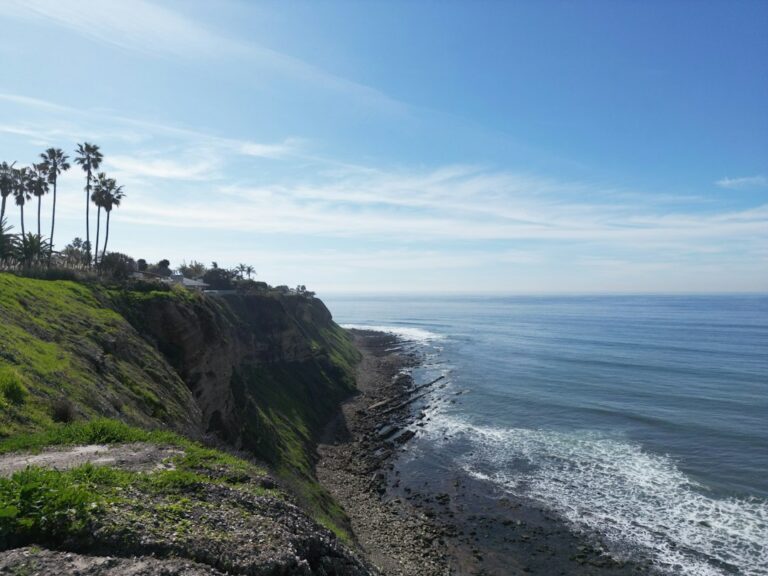 Selling as-is
What Rancho Palos Verdes’ Landslide Zones Mean for a Natural Hazard Disclosure
Rancho Palos Verdes sellers must check a landslide-zone box on the state Natural Hazard Disclosure Statement, separate from the earthquake fault question.
Read the guide → Selling as-is
Highland Park HPOZ Disclosure Rules Explained
Highland Park's historic overlay (HPOZ) governs renovations, but California's TDS and NHD disclosure rules still apply in full, even on an as-is sale.
Read the guide → Selling as-is
As-Is Disclosure Rules for an Older Pasadena, CA Home
Selling as-is in Pasadena doesn't skip California's disclosure law. See what Civil Code requires for the city's century-old Craftsman homes.
Read the guide → Selling as-is
The Anaverde HOA Disclosure Packet an As-Is Sale Still Requires
The Anaverde HOA disclosure packet under Civil Code 4525, plus the TDS and NHD duties an as-is sale in Anaverde, CA never removes, and why it adds time.
Read the guide → Selling as-is
Beverly Hills, CA As-Is Sales: What You Still Disclose
Selling as-is in Beverly Hills, CA doesn't waive disclosure law. See what sellers must still tell buyers under California's TDS and NHD rules.
Read the guide → Selling as-is
Why “As-Is” Doesn’t Simplify Disclosure for a Winnetka, CA Seller
Civil Code 1102 still requires full disclosure on an as-is Winnetka sale -- here's what the TDS, NHD, and lead-paint rules actually require.
Read the guide → Selling as-is
What California’s As-Is Disclosure Law Still Requires in Gardena
Selling as-is in Gardena does not skip California disclosure law. See what sellers must still disclose, plus local zoning and jurisdiction quirks.
Read the guide → Selling as-is
Why Culver City’s As-Is Disclosure Rules Aren’t Los Angeles’s
As-is doesn't skip California disclosure law. Learn why Culver City permit and code records come from its own city hall, not LA, before you sell as-is.
Read the guide →