
Cash Home Buyers in Crenshaw, CA
- Foreclosure, inherited, tenants, damage — we buy it
- Zero fees, zero commissions, zero closing costs
- No obligation — turn the offer down and owe us nothing


Know Exactly Who You’re Selling To
Not every “cash buyer” is the same, and not every one is legitimate. Here’s what to check before you sign anything.
Crenshaw homeowners get a steady stream of “we buy houses” postcards and calls, in part because the neighborhood’s older bungalows, duplexes and small apartment buildings are exactly the kind of housing stock investors target.
The term “cash home buyer” gets used loosely enough to cover several very different kinds of buyers. Cash Home Buyers CA makes cash offers in Crenshaw and the rest of Los Angeles County, and this page explains what that actually means and how to vet anyone making you an offer.
What “Cash Home Buyer” Actually Means
- A direct investor uses cash or private funds to purchase your house, closes through a neutral title and escrow company, and takes title itself — the investor who signs the contract is the one who takes title.
- A real estate agent lists your home on the open market and represents you in negotiating with a buyer, financed or not, in exchange for a commission. That is the traditional listing path, not a direct sale.
- An iBuyer uses an automated valuation model to make an instant offer, then typically charges a service fee in the 5-6 percent range plus repair deductions after their own inspection — closer to a tech-enabled version of a retail sale than a true off-market cash purchase.
- An investor who may assign puts your house under contract at one price, then may bring in a partner buyer who closes, sometimes for an assignment fee. Ask who will take title at closing so you know the final buyer before you sign.
Why Investors Circle Crenshaw’s Older Housing Stock
Crenshaw’s housing is largely single-family bungalows from the early-to-mid 20th century alongside small apartment buildings and duplexes, many held as long-term rentals, in a neighborhood with a population estimated around 27,600 as of 2006.
A lot of that stock predates the city’s October 1, 1978 cutoff for Rent Stabilization Ordinance coverage, which means buildings with tenants at below-market rents are common, and those are exactly the properties a financed retail buyer struggles to underwrite.
Redfin’s figures for the three months ending August 2026 show a Crenshaw median sale price of about $1,344,351, up 34.4 percent year over year, but on only 17 recorded sales, a thin enough number that mail-based investor outreach can outpace actual listing activity on any given block.
The neighborhood’s history compounds this: developer George L.
Crenshaw platted the boulevard in 1904 on a subdivision originally covered by racially restrictive covenants, and after those covenants were struck down in 1948 the area became home first to a large Japanese American community and then, from the mid-1960s onward, to one of the largest African American communities in the western United States.
Long tenures of ownership passed down within families are common as a result, which is part of why so many Crenshaw sales today involve heirs rather than the original buyers.
How the Economics Actually Work
A direct cash offer is built differently than a retail listing price. There is no 5 to 6 percent commission split between agents, no buyer asking for repair credits after an inspection, and no appraisal contingency risk tied to legacy wiring or freeway-adjacent construction from before modern seismic codes.
In exchange, the offer reflects the property’s current condition rather than a fully-repaired retail value.
For a Crenshaw rental house or a bungalow that never got a full renovation, the math often nets out close to what a seller would keep after paying an agent, making repairs, and covering months of carrying costs on a traditional sale — without the time, the showings, or the uncertainty.
That trade-off matters most on the properties where a bank loan is hardest to get in the first place: an occupied duplex with rents registered well under the RSO’s allowable vacancy rate, or a bungalow whose repairs after the 1994 earthquake were never permitted and would surface the moment an FHA appraiser walked through.
Why the Mail Starts the Week a Notice Records
If you have recently inherited a Crenshaw property, fallen behind on payments, or simply own an older rental near the K Line, you may have noticed the postcards accelerate.
Public records such as a recorded Notice of Default or a probate filing at the Stanley Mosk Courthouse are exactly the kind of documents list-building companies pull the week they hit the county recorder, which is why interest can spike suddenly around a specific event on your property rather than staying constant.
That is not unusual — it is simply how the investor marketing industry sources leads — but it means the volume of offers you receive is not a reliable signal of how many of them are legitimate.
How to Vet a Legitimate Cash Buyer in Crenshaw
Most cash buyers are professional, and what to check with any of them is consistent and worth knowing:
- Any request for money upfront. A legitimate buyer never asks you to pay a fee, wire money, or cover “processing costs” before closing.
- Pressure to sign the same day. Real buyers expect you to take time to review a purchase agreement, ask questions, and even have an attorney look at it.
- No proof of funds. A serious buyer can produce a bank statement or an escrow deposit confirming they actually have the money, not just a verbal assurance.
- Being asked to sign over the deed before any money changes hands. Ownership and payment should transfer together, through escrow, never one before the other on a handshake.
- No verifiable business history. A quick search should turn up real reviews, a real address, and people willing to give you their name.
- Vague answers about who actually closes. Ask who will take title at closing, and get that answer in writing along with proof of funds.
None of this means most cash buyers working Crenshaw are dishonest. It means the burden is on you to ask a few direct questions before you commit, the same way you would with any large transaction.
Why We Close Through a Neutral Title and Escrow Company
Every sale we make in Crenshaw closes through a neutral title and escrow company, the same kind used in any traditional real estate transaction.
Escrow holds the funds, clears the title, pays off any liens, orders the city’s 9A report and any required retrofit certifications, and only records the deed at the Los Angeles County Registrar-Recorder in Norwalk once both sides have satisfied their end.
You do not hand over ownership until the money is actually in place. That structure is what separates a real transaction from a handshake deal, and it is worth asking any buyer you are considering whether they use one.
How We Build a Crenshaw Offer
Rather than applying one countywide formula, we pull recent comparable sales specific to Crenshaw and, where relevant, to the block or the stretch of Crenshaw Boulevard your property sits on, since values here can vary meaningfully between a remodeled house near a K Line station and an older rental further from the light rail.
We then adjust for the property’s condition, lot size, and any repair needs, including the kind of legacy issues common to a neighborhood this age: unpermitted additions, older electrical panels, and construction that predates modern seismic retrofitting near the Santa Monica Freeway corridor.
None of that is a deal-breaker for us the way it would be for a lender’s appraiser.
What We Buy in Crenshaw
We purchase single-family bungalows, duplexes and small apartment buildings across the Crenshaw corridor, occupied or vacant, and in any condition, including houses with unrepaired damage dating back to the 1994 Northridge earthquake or units inside older buildings covered by the city’s Rent Stabilization Ordinance.
If your situation involves a specific complication — tenants, an inheritance, or a foreclosure timeline — our other Crenshaw guides go into the rules for each: selling with tenants in place, selling an inherited house, and stopping a foreclosure.
The same buyer-vetting principles described here apply across the rest of Los Angeles as well.
Cash Home Buyers in Crenshaw: The Protections Every Offer Should Include
Whichever cash home buyers in Crenshaw you talk to, a direct investor, an iBuyer program or an investor who may assign the contract to a partner buyer, the same six protections separate a solid offer from a risky one:
A written offer with the price, closing date and who pays which costs. Proof of funds provided with the offer. A neutral escrow company holding the deposit. A clear closing date you agree to. No fees to you beyond your own payoff, liens and customary seller items. Knowing who will take title before you sign closing documents.
We provide all six on every Crenshaw offer. We can buy your house directly or bring in a vetted cash buyer from our network; either way you get one written offer, one escrow and no fees or commissions to you. To see each step from call to recording, read our Crenshaw cash offer process.
Cash Buyer vs. Listing in Crenshaw
| Factor | Cash home buyer | Listing with an agent |
|---|---|---|
| Timeline | Close in about two to three weeks once the 9A report is back | Median 75 days to an offer, then a financed escrow |
| Repairs | None required | Often negotiated after inspection or appraisal |
| Commissions | None to you | Often around 5 to 6 percent combined |
| Certainty of closing | No financing or appraisal contingency | Loan approval and appraisal can reopen the deal |
Frequently Asked Questions
Do cash home buyers in Crenshaw pay the 9A report and transfer tax?
Practices vary. We order the 9A report on properties we buy. The combined city and county transfer tax is customarily a seller cost in Los Angeles and is paid from proceeds in escrow.
How quickly can a Crenshaw cash home buyer make an offer?
We usually send a written offer within 24 to 48 hours of a walkthrough, with proof of funds, and there is no obligation to accept it.
Can I get a cash offer on a Crenshaw house with unpermitted work?
Yes. Unpermitted additions and garage conversions are priced into the offer. You disclose what you know, and no permits have to be finalized before closing.
Is a cash home buyer the same as an iBuyer?
No. iBuyers use automated pricing and typically charge service fees similar to a commission. We make one written offer with no added fees.
Can I ask for proof of funds before accepting an offer?
Yes, and you should. Any legitimate buyer will provide it without hesitation.
What if a buyer wants to assign the contract to someone else?
Assignment is a common, legal way investors work, and we do it on some properties. What matters is a written offer, proof of funds, a neutral escrow company holding the deposit, and knowing who will take title before closing.
Do you buy occupied duplexes and small apartment buildings in Crenshaw?
Yes. We buy rent-stabilized buildings with tenants in place, and the leases transfer to the new owner at closing.
Do you charge any fees to make an offer?
No. Getting an offer from us is free and there is no obligation to accept it.
Get a free, no-obligation cash offer on your Crenshaw property from Cash Home Buyers CA today.
Seller Guides
Helpful guides for homeowners in Crenshaw
Plain-English answers to the questions sellers ask us most.
 Relocating
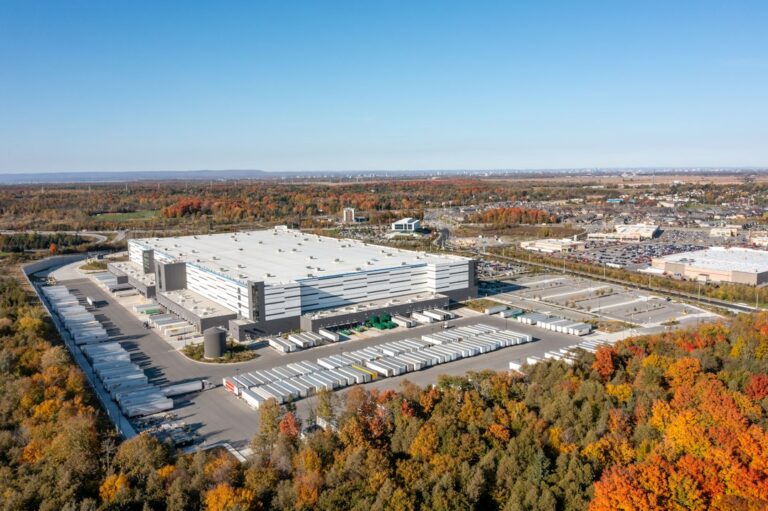
Fontana’s Warehouse Boom: What It Means If You’re Relocating
Fontana grew from a wartime steel town into an Inland Empire logistics hub. See what that shift means for home values and selling if you are relocating.
Read the guide → Selling for cash
The Transfer Tax Every Los Angeles Seller Pays, With or Without Measure ULA
Los Angeles charges its own $4.50-per-$1,000 tax on top of the county rate, before Measure ULA applies. See the exact combined math at closing.
Read the guide → Rentals & tenants
How Much Must Long Beach Landlords Pay Tenants Under the Relocation Ordinance?
Long Beach landlords: see the LBMC 8.99 relocation payments, notice periods, and city filing step required before a no-fault tenant termination.
Read the guide → Selling for cash
What Inglewood’s Housing Protection Ordinance Requires Before You Sell a Rental
Inglewood's Housing Protection Ordinance covers more rentals than expected, with rent caps, just-cause rules, and relocation tiers that transfer at sale.
Read the guide → Selling for cash
The Five-Year Countdown Before Los Angeles County Auctions a Tax-Defaulted Home
LA County auctions tax-defaulted homes after five years unpaid. See the redemption deadline, installment options, and how to claim excess proceeds.
Read the guide → Selling for cash
What Beverly Hills’ Rent Stabilization Ordinance Requires Before You Sell
Beverly Hills runs its own BHMC Chapter 5 and 6 rent rules: caps, BHRent registration, just-cause grounds and relocation fees sellers must clear first.
Read the guide → Selling as-is
What Rancho Palos Verdes’ Landslide Zones Mean for a Natural Hazard Disclosure
Rancho Palos Verdes sellers must check a landslide-zone box on the state Natural Hazard Disclosure Statement, separate from the earthquake fault question.
Read the guide → Selling for cash
West Hollywood’s Rent Stabilization Ordinance: What a Seller With Tenants Must Clear First
West Hollywood's rent stabilization law sets strict just-cause rules and relocation fees before you can sell a tenant-occupied rental unit here.
Read the guide → Inherited homes & probate
Partition Actions Between Heirs: How California Law Forces a House Sale
California heirs can force a house sale through a partition action under CCP 872-874, with court referees, confirmation hearings, and buyout rights.
Read the guide →