
Sell Your House As-Is in Historic South-Central
- Foreclosure, inherited, tenants, damage — we buy it
- Zero fees, zero commissions, zero closing costs
- No obligation — turn the offer down and owe us nothing


No Repairs, No Cleanout, No Showings
We buy Historic South-Central houses and small buildings in their current condition, whatever that condition is.
Most of the housing in Historic South-Central predates 1950, and a house that old rarely shows up on a lender’s appraisal the way a remodeled property does. Cash Home Buyers CA buys houses, duplexes and small apartment buildings here exactly as they stand, with no repairs, no cleanout and no showings required.
What “As-Is” Actually Covers Here
An as-is sale means we buy the property in its current condition, structural issues, outdated systems, unpermitted work and all, and the price reflects that condition rather than a repair negotiation after inspection.
In a neighborhood where most houses date to the early 1900s through the 1940s, that matters more than in newer parts of the city: original knob-and-tube wiring, cast iron plumbing, foundation settling, and additions built without permits over the decades are common, not rare exceptions.
A financed buyer’s lender will flag most of that during underwriting; we factor it into the offer instead and move forward.
That distinction matters most in a neighborhood where the housing stock skews this old: a house that would need a full inspection contingency, a repair credit negotiation, and possibly a second appraisal on a traditional sale simply gets priced once, upfront, on ours.
Why This Neighborhood’s Housing Stock Is Older Than Most of Los Angeles
Historic South-Central covers about 2.25 square miles bounded by Washington Boulevard, Central Avenue, Vernon Avenue and the Harbor Freeway, adjacent to South Park, Vermont Square, Exposition Park and University Park.
It developed as one of the city’s original streetcar suburbs, and the small single-family houses built here in the early 1900s through the 1940s were converted, one at a time over the following decades, into the multi-unit rentals that now make up most of the neighborhood’s housing.
Landmarks like the Bob Hope Patriotic Hall on South Figueroa Street and Los Angeles Trade-Technical College sit among that older stock.
Because so little of it has been torn down and rebuilt, condition issues that would be unusual in a newer part of the city are simply normal here, and appraisals reflect that reality unevenly from block to block.
What a Financed As-Is Sale Still Requires
- The 9A report. Los Angeles requires the Department of Building and Safety’s Report of Residential Property Records before any sale here can close, plus a certified seismic gas shutoff valve, low-flow fixtures, and smoke and CO detectors. Even a listing marketed “as-is” still has to clear this.
- Unpermitted units and additions. Many of the neighborhood’s original single-family houses were converted into multi-unit rentals over the decades, and not all of that work was permitted. A lender’s appraiser can decline to count an unpermitted unit’s square footage or income, which lowers what a financed buyer can actually offer.
- Lead and older-paint disclosures. Houses built before 1978, which is most of this neighborhood, require federal lead-based paint disclosures regardless of how the sale is marketed.
- An appraisal gap. With comparable sales scarce inside this 2.25-square-mile footprint, an appraiser working from imperfect comps can value a converted or deferred-maintenance property below the agreed price, which an “as-is” label doesn’t fix on its own.
How We Buy It As-Is
We see the property once, factor in its actual condition, tenancy and any unpermitted work, and send a written offer within 24 to 48 hours. We handle and pay for the 9A report and required retrofit items ourselves rather than asking you to clear them first.
There’s no repair list, no walkthrough with a general contractor, and no negotiation after an inspection report comes back, and no requirement to clean out furniture, debris or a tenant’s belongings before we close.
We open escrow with a Los Angeles County title company, and a vacant property with clear title typically records in two to three weeks; an occupied rental or an estate moving through probate usually takes three to six weeks.
Why As-Is Condition Is the Norm, Not the Exception, Here
Historic South-Central sits just south of downtown in the corridor Biddy Mason’s landholdings helped anchor for the city’s Black community from the late 1800s through the 1940s, when Central Avenue was lined with jazz clubs.
By the 1990s the population shifted heavily toward Latino immigrant families, and today nearly 80 percent of the neighborhood’s housing is renter-occupied, one of the highest shares in Los Angeles.
Long-term rental use without full modernization is exactly what leaves a house needing work by the time an owner is ready to sell, whether that’s original wiring, an aging roof, or a foundation that has settled over a century.
None of that stops a sale here — it’s simply priced into the offer rather than repaired first.
The 2000 census counted the neighborhood’s average household size at about 4.1 people, well above the citywide figure, which is part of why so many of these small houses were subdivided into multiple units in the first place rather than staying single-family.
The Kinds of Properties We See Most
Early-1900s houses near the Metro A Line on Washington Boulevard that have been rentals for generations. Small apartment buildings with deferred maintenance that a bank’s appraiser would flag before financing a buyer.
Estates near landmarks like the Bob Hope Patriotic Hall or Los Angeles Trade-Technical College where the current owner lives elsewhere and doesn’t want to manage repairs from a distance.
If your as-is situation is tied to something more specific, we have dedicated guides on inherited property and tenant-occupied buildings in this neighborhood. The same as-is rules apply across the rest of Los Angeles too — see our page on as-is sales across the rest of Los Angeles for comparison.
The Honest Trade-Off
An as-is cash offer is typically below what a fully-repaired, well-marketed listing might fetch.
Redfin’s June 2026 figures for the broader South Central LA area, which overlaps Historic South-Central, put the median sale price at about $574,800 on just 13 sales, with a combined city and county transfer tax of $5.60 per $1,000 adding roughly $3,220 at that median.
Against that, a listing route means paying for repairs, the 9A retrofit items, and a 5 to 6 percent commission before you ever see proceeds, plus months of carrying costs while the work gets done and the house sits on the market.
Our offer skips all of that and gives you one number and one closing date.
A remodeled house or a newer condo near the Metro A Line will sometimes still net more through a traditional listing, and we say so upfront when we see one; our number competes hardest on the older, unrepaired stock that makes up most of this neighborhood, where a bank’s underwriting and a season of carrying costs would otherwise eat into whatever a listing might have brought in.
Sell House As Is in Historic South-Central: Who It Helps
Choosing to sell a house as is in Historic South-Central makes the most sense when the repair list is longer than your budget or your patience: a fixer upper with original wiring and cast iron drains, a converted rental with an unpermitted unit, or an estate house nobody wants to renovate from a distance.
You sell it in its current condition, and the offer accounts for the work instead of a repair negotiation after an inspection.
Disclosures still apply
As-is does not remove California’s disclosure duties. Sellers still provide the Transfer Disclosure Statement and, where used, the Seller Property Questionnaire, plus the federal lead-based paint disclosure for pre-1978 homes. What changes is that we do not require repairs, an inspection contingency, or a cleanout before closing.
Where prices sit in August 2026
Redfin’s August 2026 update for the broader South Central LA area, which overlaps Historic South-Central, shows a median sale price around $588,000 for the three months ending in August, down 27.4% year over year, with a median of 72 days on market versus 68 a year earlier. Houses that need repairs usually sit at the slower end of that range, since fewer financed buyers can take them on.
As-Is Cash Sale vs. Listing a House That Needs Repairs
| Factor | Cash sale | Traditional listing |
|---|---|---|
| Timeline | Two to three weeks when vacant with clear title | Longer, and lenders may require repairs first |
| Repairs | None; priced into the offer | Negotiated after inspection |
| Cleanout | Leave what you do not want | Usually expected before closing |
| Commissions | None | Often around 5 to 6% combined |
| 9A report and retrofits | Covered on our purchases | Seller typically pays |
| Certainty | No appraisal contingency | Appraisal gaps are common on fixers |
Three Steps to an As-Is Sale
- Call 424-435-2326 and describe the condition, including any unpermitted work.
- One walkthrough, then a written cash offer within 24 to 48 hours.
- Close on your date; escrow handles payoffs, disclosures and recording.
If the property has renters, see selling a Historic South-Central house with tenants.
Frequently Asked Questions
Can I sell a house as is in Historic South-Central with foundation problems?
Yes. Settling, cracked foundations and unbolted raised floors are priced into the offer. You disclose what you know and do not need an engineer's repair plan before closing.
Is an as-is offer lower than a listing price?
For a house in good shape, usually yes. For a house that needs major work, the gap narrows once you subtract repairs, commissions and months of carrying costs from a listing.
Do I have to remove old furniture and debris?
No. Take what you want to keep and leave the rest; clean-out is part of an as-is purchase.
Do I need to fix anything before you'll make an offer?
No. We see the property once and make our offer based on its current condition, including any deferred maintenance or unpermitted work.
What if part of the building was converted into extra units without permits?
We still buy it. We factor the unpermitted space into our offer rather than requiring it be legalized or removed first.
Who handles the 9A report and retrofit items?
We do, and we pay for them, so they don't hold up your closing or come out of your proceeds.
Does the house need to be empty for an as-is sale?
No. We buy occupied rentals and vacant properties the same way, factoring tenancy into the offer rather than requiring you to clear it first.
How fast can an as-is sale close?
Two to three weeks for a vacant property with clear title; three to six weeks for an occupied rental or an estate moving through probate.
Do I need a permit to legalize an unpermitted unit before I sell?
No. We buy properties with unpermitted units or additions as they stand and factor that status into our offer rather than requiring the work be legalized first.
What if the house has an active code violation on file with the city?
We still buy it. An open code violation is common on older housing stock in this neighborhood and does not stop us from making an offer.
To sell a house or small building as-is in Historic South-Central, call or text 424-435-2326. Get a free, no-obligation cash offer from Cash Home Buyers CA today.
Seller Guides
Helpful guides for homeowners in Historic South Central
Plain-English answers to the questions sellers ask us most.
 Relocating
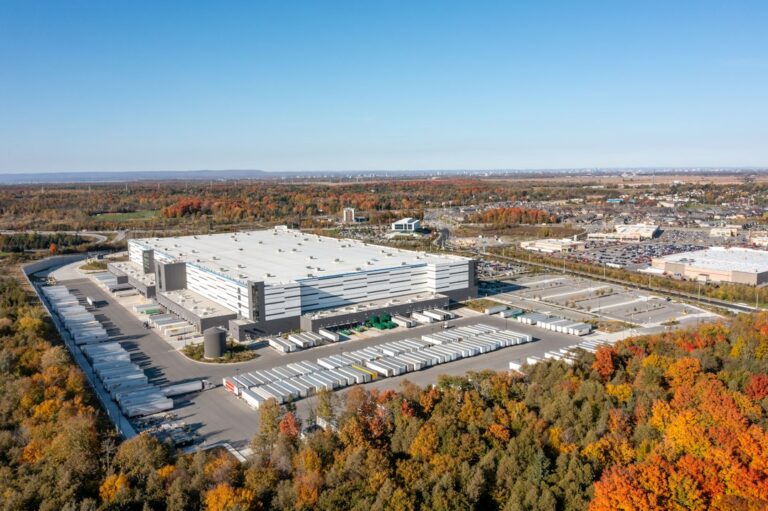
Fontana’s Warehouse Boom: What It Means If You’re Relocating
Fontana grew from a wartime steel town into an Inland Empire logistics hub. See what that shift means for home values and selling if you are relocating.
Read the guide →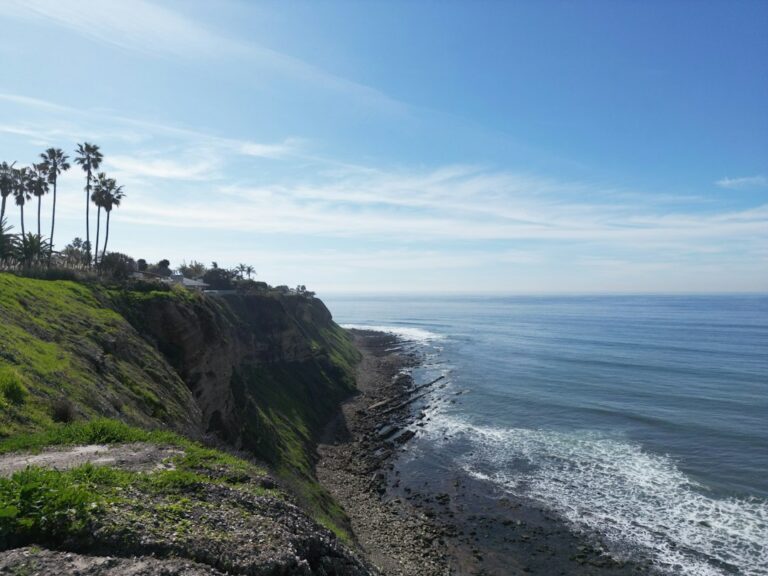 Selling as-is
What Rancho Palos Verdes’ Landslide Zones Mean for a Natural Hazard Disclosure
Rancho Palos Verdes sellers must check a landslide-zone box on the state Natural Hazard Disclosure Statement, separate from the earthquake fault question.
Read the guide →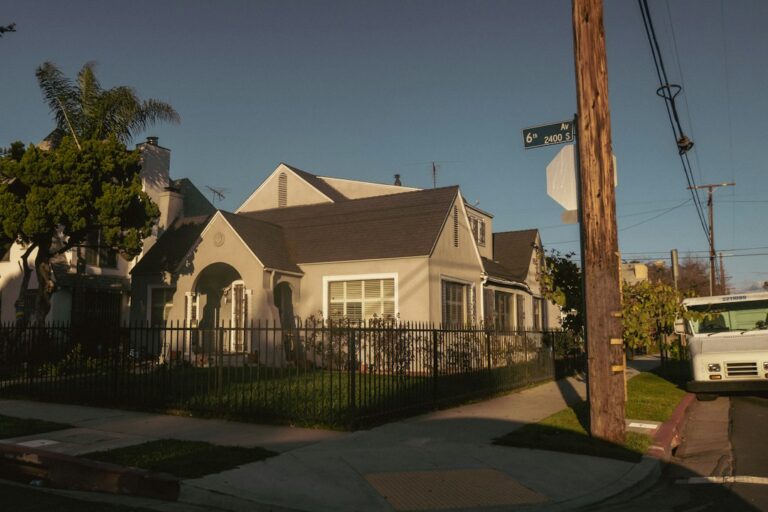 Selling as-is
Highland Park HPOZ Disclosure Rules Explained
Highland Park's historic overlay (HPOZ) governs renovations, but California's TDS and NHD disclosure rules still apply in full, even on an as-is sale.
Read the guide →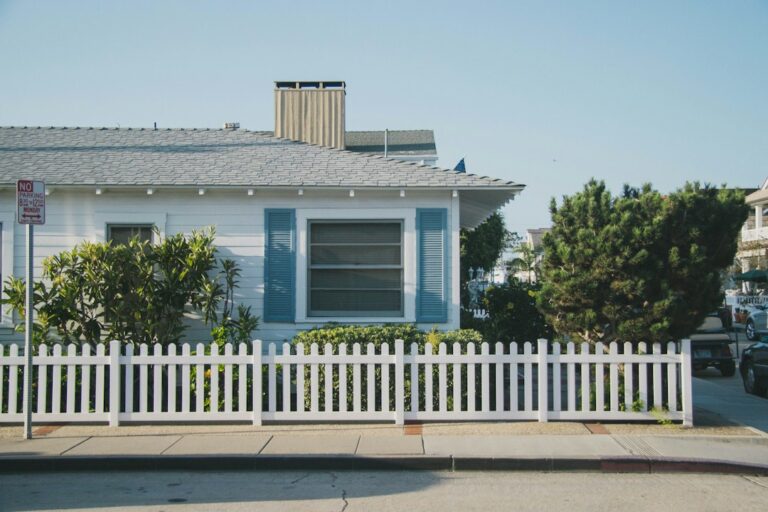 Selling as-is
As-Is Disclosure Rules for an Older Pasadena, CA Home
Selling as-is in Pasadena doesn't skip California's disclosure law. See what Civil Code requires for the city's century-old Craftsman homes.
Read the guide → Selling as-is
The Anaverde HOA Disclosure Packet an As-Is Sale Still Requires
The Anaverde HOA disclosure packet under Civil Code 4525, plus the TDS and NHD duties an as-is sale in Anaverde, CA never removes, and why it adds time.
Read the guide → Selling as-is
Beverly Hills, CA As-Is Sales: What You Still Disclose
Selling as-is in Beverly Hills, CA doesn't waive disclosure law. See what sellers must still tell buyers under California's TDS and NHD rules.
Read the guide → Selling as-is
Why “As-Is” Doesn’t Simplify Disclosure for a Winnetka, CA Seller
Civil Code 1102 still requires full disclosure on an as-is Winnetka sale -- here's what the TDS, NHD, and lead-paint rules actually require.
Read the guide → Selling as-is
What California’s As-Is Disclosure Law Still Requires in Gardena
Selling as-is in Gardena does not skip California disclosure law. See what sellers must still disclose, plus local zoning and jurisdiction quirks.
Read the guide → Selling as-is
Why Culver City’s As-Is Disclosure Rules Aren’t Los Angeles’s
As-is doesn't skip California disclosure law. Learn why Culver City permit and code records come from its own city hall, not LA, before you sell as-is.
Read the guide →