
Stop Foreclosure in Historic South-Central, CA
- Foreclosure, inherited, tenants, damage — we buy it
- Zero fees, zero commissions, zero closing costs
- No obligation — turn the offer down and owe us nothing


Close Before the Trustee’s Sale
We buy Historic South-Central houses and small buildings before the auction date, protecting whatever equity remains.
A notice of default recorded against a Historic South-Central property starts a fixed statutory clock, and a house doesn’t need to reach the trustee’s sale before its equity is gone.
Cash Home Buyers CA buys houses, duplexes and small apartment buildings in the neighborhood before that date, in whatever condition they’re in, and we work directly with the trustee and your servicer to confirm dates rather than leaving you to track the timeline alone.
California’s Foreclosure Timeline
California foreclosures on a deed of trust are almost always non-judicial, meaning the lender forecloses through a trustee rather than a courtroom. After a missed payment, the lender typically records a Notice of Default, which starts a minimum three-month waiting period before it can move further.
Once that period passes, the lender records a Notice of Trustee’s Sale, which must be recorded and posted at least 20 days before the sale itself.
Add it up and a foreclosure in Los Angeles County generally runs a minimum of roughly three months plus 20 days from the Notice of Default to the auction, often longer if the lender or servicer delays.
Up until five business days before the trustee’s sale, California law generally allows the borrower to reinstate the loan by paying the amount in default; after that, only paying the full loan balance stops the sale.
These deadlines run on calendar days once recorded, regardless of whether the property is vacant, owner-occupied, or a rental with tenants in place.
Why Speed Matters More on Older, Lower-Value Property
- Thinner equity cushions. Redfin’s June 2026 figures for the broader South Central LA area, which overlaps Historic South-Central, show a median sale price of about $574,800, down 19 percent from a year earlier. On a lower-value property, less room exists between the loan balance and the sale price, so time lost to a stalled listing or a slow buyer eats into equity faster than on a higher-value home.
- Financed buyers can’t move fast enough. A conventional purchase typically needs 30 to 45 days after an accepted offer to fund, which can miss even a foreclosure timeline that’s already run its full statutory minimum.
- Deferred maintenance slows a listing further. Much of this neighborhood’s housing dates to the early 1900s through the 1940s, and a lender’s appraiser flagging original wiring or foundation issues can stall a financed sale exactly when there’s no time left to stall.
- An occupied rental adds another layer. If the property is a tenant-occupied building, which is common given that renters occupy nearly 80 percent of housing here, a lender may value it conservatively against the rent roll, on top of the foreclosure timeline pressure, since a bank’s underwriting on a below-market rent roll can take weeks longer to clear than on a vacant house.
A Neighborhood of Long-Held, Lower-Equity Property
Historic South-Central covers about 2.25 square miles bounded by Washington Boulevard, Central Avenue, Vernon Avenue and the Harbor Freeway, adjacent to South Park, Vermont Square, Exposition Park and University Park.
It’s the corridor Biddy Mason’s landholdings helped anchor for the city’s Black community from the late 1800s through the 1940s, when Central Avenue was lined with jazz clubs, and by the 1990s the population had shifted heavily toward Latino immigrant families drawn by affordable housing close to downtown.
The 2000 census counted the neighborhood’s median household income at about $30,882 in 2008 dollars, well below the citywide figure, and with a median sale price near $574,800 today, a default here can eat through a smaller equity cushion faster than it would in a higher-value neighborhood elsewhere in the city.
How We Close Before the Trustee’s Sale
We see the property once and send a written cash offer within 24 to 48 hours, and we can move as quickly as the timeline requires. There is no lender involved on our side, so there’s no loan contingency, no appraisal contingency, and no underwriting to wait on.
We buy the property as-is, whether it’s an early-1900s house or a small multi-unit building with tenants in place, and we handle and pay for the 9A report and required retrofit items ourselves.
We work directly with the trustee and your loan servicer to confirm the sale date and structure closing to land before it, so any equity that remains goes to you instead of being wiped out at auction.
If the loan servicer has already scheduled a sale date, we prioritize those calls and can typically turn around a written offer the same day we hear from you, since every day matters more the closer that date gets.
Where Equity Actually Goes at a Trustee’s Sale
If a property sells at a trustee’s sale for more than what’s owed on the loan and any other liens, the surplus generally goes to the former owner, but that process takes months to sort out through the trustee, and it only happens if the sale price clears the debt in the first place.
Selling before the auction, instead, means you set the terms and keep control of the timeline and the number, rather than hoping a courthouse-steps auction bids the property up.
Historic South-Central covers about 2.25 square miles bounded by Washington Boulevard, Central Avenue, Vernon Avenue and the Harbor Freeway, and with only about 13 comparable sales counted in Redfin’s June 2026 data for the broader area, an auction here draws a thinner pool of bidders than in a larger, more liquid part of the city, which can mean a courthouse-steps sale clears at a price closer to the outstanding loan balance than to what the property could otherwise bring, leaving little or nothing left over for the former owner.
Other Situations That Often Overlap With Foreclosure
An inherited property that fell behind on payments while an estate was being settled, or a rental where a landlord’s cash flow broke down after a vacancy, both show up here more often than a simple owner-occupant default.
If either of those describes your situation, we have dedicated guides on inherited houses and tenant-occupied buildings in this neighborhood. Whichever it is, we can work around a probate calendar or a rent roll and still target the trustee’s sale date.
The same statutory timeline described here applies across the rest of Los Angeles too — see our page on foreclosure sales across the rest of Los Angeles for comparison.
Stop Foreclosure in Historic South-Central Before the Auction
You can stop foreclosure in Historic South-Central by selling the property and closing escrow before the trustee’s sale. The lender is paid from the proceeds, the foreclosure ends, and any remaining equity goes to you. For an owner who is behind on payments, selling before foreclosure also keeps the decision about price and timing in your hands instead of an auction’s.
The key dates
- Notice of Default: at least about 3 months must pass before the next step.
- Notice of Trustee’s Sale: recorded and posted at least 20 days before the auction.
- Reinstatement: generally available until 5 business days before the sale.
A HUD-approved housing counselor can review loan modification, repayment or forbearance options at no cost, and an attorney can advise on bankruptcy or your specific deadlines.
Why the August 2026 data matters here
Redfin’s August 2026 update for the broader South Central LA area, which overlaps Historic South-Central, shows a median sale price of about $588,000 for the three months ending in August, down 27.4% from a year earlier, with a median of 72 days on market. Falling prices and slower sales shrink the equity cushion, so an early written offer tells you where you stand.
Pre-Foreclosure: Cash Sale vs. Listing
| Factor | Cash sale | Traditional listing |
|---|---|---|
| Timeline | Two to three weeks with clear title | Listing time plus 30 to 45 days in escrow |
| Repairs | None | Buyer may request them |
| Showings | One visit | Many |
| Commissions | None | Often around 5 to 6% combined |
| Closing costs | Usual seller costs covered on our purchases | Seller usually pays |
| Beating the sale date | No loan contingency | A failed loan can mean the auction goes ahead |
Three Steps When the Clock Is Running
- Call 424-435-2326 with the recording date and any sale date on your notice.
- Get a written cash offer, usually within 24 to 48 hours of one walkthrough.
- Escrow requests payoffs from every lender and closes before the trustee’s sale when the timeline allows.
Frequently Asked Questions
How fast can I stop foreclosure in Historic South-Central by selling?
With clear title, a cash sale can close in about two to three weeks after you accept, which can land before a trustee’s sale even after the Notice of Trustee’s Sale is recorded. Tenants or title issues add time.
Can I cancel a sale contract if I am in foreclosure?
If a Notice of Default has been recorded, California’s Home Equity Sales Contract Act generally lets you cancel until midnight of the fifth business day after signing, or 8 a.m. on the day of the sale if that comes first.
Can I sell my house before foreclosure if I owe back property taxes too?
Yes. Delinquent property taxes and penalties are paid through escrow along with the mortgage payoff.
How much time do I actually have once a Notice of Default is recorded?
Generally a minimum of roughly three months plus 20 days before a trustee’s sale can occur, made up of a three-month wait after the Notice of Default plus at least 20 days after the Notice of Trustee’s Sale, though servicers sometimes take longer.
Can I still stop the sale by paying what I owe?
Generally up until five business days before the sale date, you can reinstate the loan by paying the missed amount. After that point, only paying the full balance stops it.
Will you buy my property even this close to the trustee’s sale?
Often yes. We coordinate directly with the trustee and servicer to confirm the sale date and structure a closing that lands before it whenever the timeline allows.
What if my property has tenants in it?
We still buy it, with the tenancy intact and no notice to vacate required, and we factor the rent roll into our offer.
Do I need to repair anything before you’ll make an offer?
No. We buy the property as-is and handle the 9A report and any required retrofit items ourselves.
What happens if the property sells at the trustee’s sale before we close?
Any equity above what’s owed on the loan and other liens can eventually be claimed through the trustee, but that process takes months and only happens if the sale price clears the debt. Closing before the auction avoids that uncertainty entirely.
Does it matter that the house is old or needs repairs?
No. Deferred maintenance and original systems common to this neighborhood’s early-1900s housing stock are factored into our offer rather than treated as a reason to wait.
To sell a house or small building before foreclosure in Historic South-Central, call or text 424-435-2326. Get a free, no-obligation cash offer from Cash Home Buyers CA today.
Seller Guides
Helpful guides for homeowners in Historic South Central
Plain-English answers to the questions sellers ask us most.
 Relocating
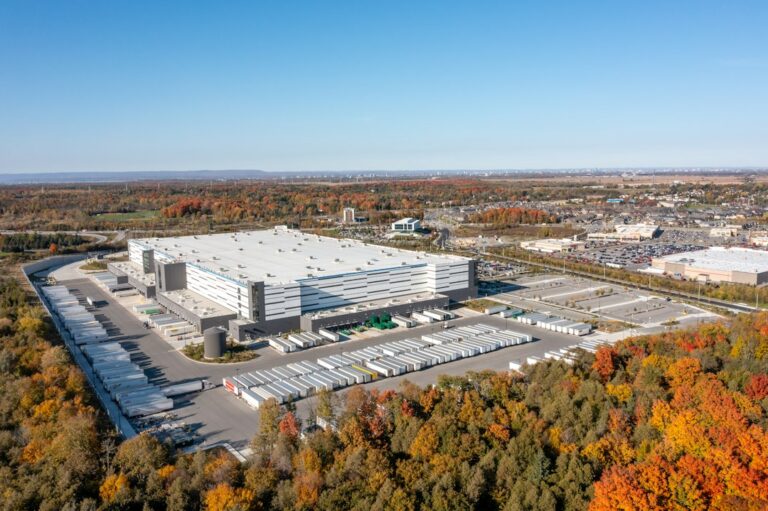
Fontana’s Warehouse Boom: What It Means If You’re Relocating
Fontana grew from a wartime steel town into an Inland Empire logistics hub. See what that shift means for home values and selling if you are relocating.
Read the guide → Foreclosure & liens
The 90-Day Window That Can Block Your California Home Sale: Mechanics Liens
A mechanics lien can block your California home sale. Here's the 90-day deadline to record, foreclose, and clear it before escrow closes.
Read the guide → Foreclosure & liens
How an HOA Can Actually Foreclose on a California Home (and the Deadlines That Protect You)
California HOA liens aren't super-priority, but can foreclose in 75 days. See the delinquency, notice, and 90-day redemption rules that apply.
Read the guide → Foreclosure & liens
Lakewood’s Contract-City Status Won’t Delay Foreclosure
Lakewood's contract-city government doesn't change foreclosure deadlines. See how Civil Code §2924 and new 2025 AB 2424 postponement rules actually work.
Read the guide → Foreclosure & liens
How AB 2424’s New Postponement Rules Can Delay a Norwalk, CA Foreclosure Sale
AB 2424 lets a Norwalk, CA homeowner in default delay a trustee's sale up to 90 days with a listing and purchase agreement. Here's how the deadlines work.
Read the guide → Foreclosure & liens
What AB 2424 Actually Changed About Foreclosure Notices in Pico Rivera, CA
AB 2424 added a notice right in 2025, but the 90-day foreclosure clock didn't change. Here's the real timeline for a Pico Rivera, CA homeowner.
Read the guide → Foreclosure & liens
From Notice of Default to Auction: The Foreclosure Clock on an Acton, CA Property
How long does foreclosure take in Acton, CA? Civil Code 2924c gives a 90-day reinstatement period; 2924f sets the Notice of Sale rules before auction.
Read the guide → Foreclosure & liens
The Notice of Default Clock in Alhambra, CA
See the real foreclosure timeline for Alhambra, CA homeowners: Notice of Default, Notice of Sale, trustee auction, and ways to stop the clock legally.
Read the guide → Foreclosure & liens
The Foreclosure Timeline for a Montebello, CA Homeowner
How California's Notice of Default, Notice of Sale, and reinstatement deadlines actually play out for a Montebello home — and when selling beats waiting.
Read the guide →