
Sell a Tenant-Occupied House in Rolling Hills Estates, CA
- Foreclosure, inherited, tenants, damage — we buy it
- Zero fees, zero commissions, zero closing costs
- No obligation — turn the offer down and owe us nothing


Selling With Renters Still In Place
How to sell a Rolling Hills Estates rental property with tenants in it, and what California’s tenant protection law requires.
Selling a rental property in Rolling Hills Estates while tenants are still living there adds a layer most homeowners haven’t dealt with before — notice requirements, showing access, and figuring out whether the buyer wants the tenant to stay or leave. Cash Home Buyers CA buys tenant-occupied properties throughout Rolling Hills Estates and can close with the tenancy still in place.
What California’s Tenant Protection Act (AB 1482) Requires
AB 1482, California’s statewide Tenant Protection Act, generally requires “just cause” for terminating a qualifying tenancy once a tenant has occupied a unit for 12 months or more, along with specific notice periods and, for no-fault terminations, relocation assistance or a rent waiver in many cases. Not every property is covered — certain single-family homes and condos can be exempt if the required statutory notice of exemption is provided to the tenant, so whether AB 1482 applies to your specific Rolling Hills Estates property depends on the details of the tenancy and the property type. This is worth confirming with a landlord-tenant attorney before serving any notice.
Selling With the Tenant Staying
Many cash buyers, including us, are comfortable purchasing a property subject to an existing lease and simply stepping into the landlord role at closing. This is often the fastest, lowest-friction path: no notices to serve, no vacancy period, and the tenant’s rent continues uninterrupted through the transition. It also avoids any question about whether a termination would even be permitted under AB 1482 for that particular tenancy.
Selling With Vacant Possession
If a buyer wants the property vacant, and just cause exists or a qualifying exemption applies, proper written notice must be served with the legally required timeline, which varies depending on the reason for termination and how long the tenant has lived there. Rushing this step, or serving a notice that doesn’t meet the statutory requirements, can delay a sale far longer than simply selling with the tenant in place would have.
Showings and Access With a Tenant in the Home
A traditional listing generally requires the property to be shown to prospective buyers, which means coordinating entry with proper notice to the tenant and possibly multiple showings over weeks. Selling directly to a cash buyer typically requires only one or two visits to evaluate the property, minimizing disruption to the tenant and reducing the coordination burden on you as the owner.
Why This Comes Up Often on the Peninsula
Rolling Hills Estates has a mix of long-term family-owned rentals and smaller investment properties near Peninsula Center and the surrounding neighborhoods. Owners sometimes inherit a tenant along with the property, or simply reach a point where managing a rental from a distance, or through a difficult tenancy, is no longer worth it. A direct sale, tenant in place or not, lets you exit the landlord role on your own timeline.
Frequently Asked Questions
Can you buy my Rolling Hills Estates property if a tenant is currently living there?
Yes. We can purchase subject to the existing lease and take over as landlord, or work with you on a vacant-possession timeline if that’s what you need.
Do I have to evict the tenant before selling?
No, not if the buyer is willing to take the property with the tenancy in place, which we typically are.
Does AB 1482 apply to every rental in Rolling Hills Estates?
Not necessarily — certain single-family homes and condos can be exempt if proper notice was given. Confirming this depends on your specific property and lease, and a landlord-tenant attorney can advise on your situation.
Will the sale disrupt my tenant’s rent payments?
If the tenancy continues after closing, rent simply continues to the new owner starting from the closing date, with no gap.
Get a free, no-obligation cash offer from Cash Home Buyers CA today.
Selling a house in Rolling Hills Estates: what to know
A few local details that shape timing and net proceeds when you sell in Rolling Hills Estates.
County & probate court
Rolling Hills Estates is in Los Angeles County. Probate and trust matters for Rolling Hills Estates properties are heard by the Superior Court for Los Angeles County, and deeds are recorded with the Los Angeles County Recorder.
Transfer tax
Los Angeles County charges a documentary transfer tax of $1.10 per $1,000 of the sale price. There is no separate city transfer tax in Rolling Hills Estates. When you sell to us, we pay the standard closing costs.
Tenant & rent rules
Rental homes in Rolling Hills Estates more than 15 years old generally fall under California's Tenant Protection Act (AB 1482), which caps rent increases and requires just cause for most evictions. We buy tenant-occupied homes and take over the leases at closing.
Nearby cities we buy in
Seller Guides
Helpful guides for homeowners in Rolling Hills Estates
Plain-English answers to the questions sellers ask us most.
 Relocating
Concord’s Rent Cap and Relocation Rules: What Changed in 2025
Concord's rent stabilization ordinance now caps annual increases on covered units at a flat 5%, replaced a weaker CPI-linked formula in mid-2025,…
Read the guide → Rentals & tenants
What REAP Actually Means for a Los Angeles Landlord Trying to Sell
If your Los Angeles rental is in REAP — the city's Rent Escrow Account Program — your tenants are legally paying 10%…
Read the guide →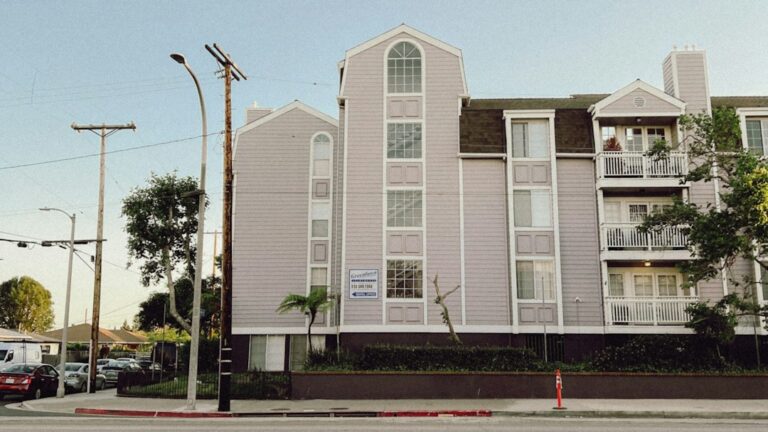 Rentals & tenants
What the AB 1482 Single-Family Exemption Does and Doesn’t Cover in North Redondo Beach
Many North Redondo Beach rentals fail the AB 1482 single-family exemption test. Here's what sellers of a tenant-occupied home must verify first.
Read the guide →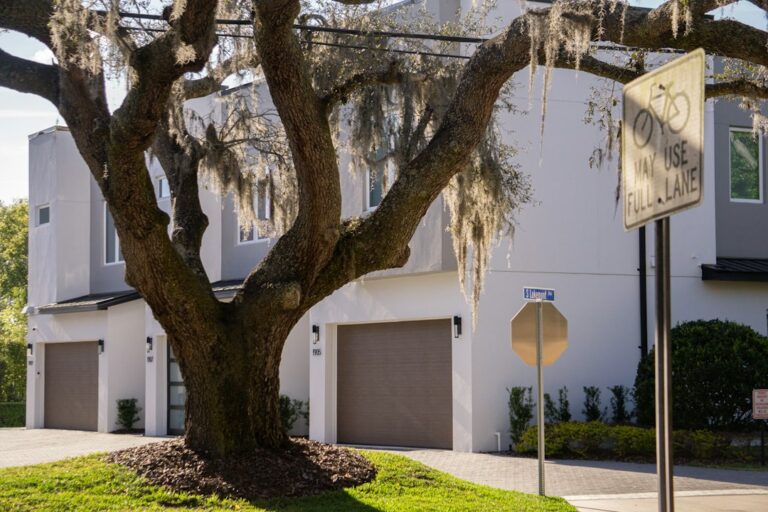 Rentals & tenants
Why Glendale’s Rent Rules Often Don’t Apply to Your Rental
Glendale has its own tenant-protection ordinance, but most single-family rental houses are exempt and fall back to California's AB 1482 instead.
Read the guide →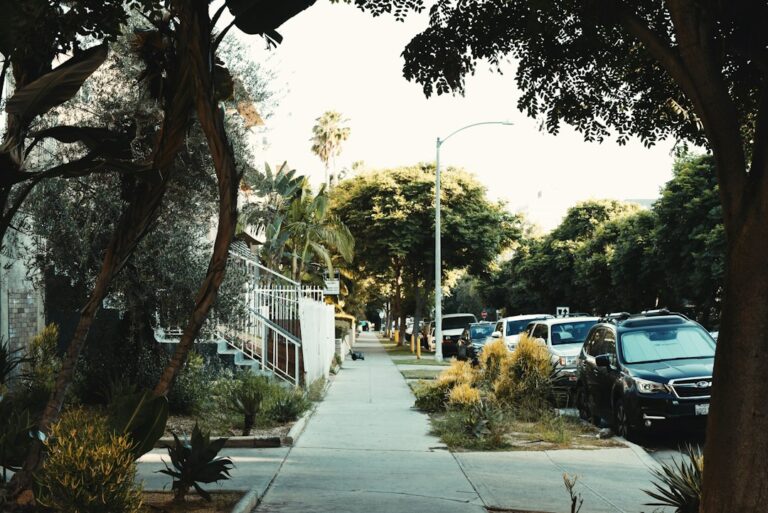 Rentals & tenants
What an HPOZ Adds to Selling a Tenant-Occupied House in Adams-Normandie
Adams-Normandie is an LA HPOZ, so selling a tenant-occupied house means navigating RSO tenant protections and historic exterior permitting together.
Read the guide → Rentals & tenants
Why West Carson’s Tenant Protections Come From the County, Not a City
West Carson is unincorporated, so AB 1482 and LA County's own rent ordinance both apply -- here's what that means for selling a tenant-occupied home.
Read the guide → Rentals & tenants
Selling a Tenant-Occupied Home in El Segundo’s Tight Rental Market
Selling a tenant-occupied home in El Segundo? Learn how AB 1482, just-cause eviction rules, and the city's tight rental market affect your sale.
Read the guide →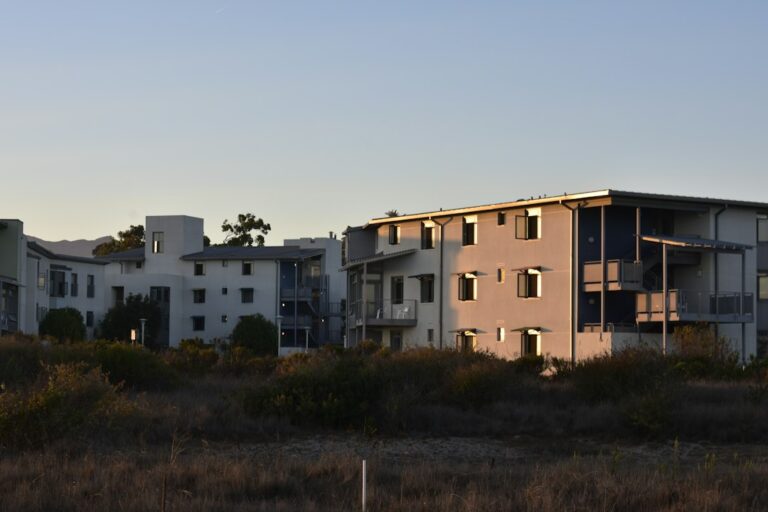 Rentals & tenants
Tenant-Occupied Property Rules in Commerce, CA: Why Renters Outnumber Owners Here
Most homes in Commerce are rentals, not owner-occupied. Here's what California's just-cause eviction law requires when selling tenant-occupied property.
Read the guide → Rentals & tenants
Tenant-Occupied Property Rules in Bell, CA: Why State Law Is the Only Rulebook
Bell, CA has no local rent stabilization ordinance, so state law alone — AB 1482's rent cap and just-cause rules — governs a tenant-occupied sale here.
Read the guide →