
We Buy Houses in Rolling Hills Estates, CA
- Foreclosure, inherited, tenants, damage — we buy it
- Zero fees, zero commissions, zero repairs
- No obligation — turn the offer down and owe us nothing


Fast, Fair, and Reliable Offers
Sell your house fast with our cash home buying service. No fees, no hassles, just a straightforward sale. Get your offer now.
Selling in Rolling Hills Estates? Here is the quick answer
We can buy your Rolling Hills Estates property as-is, with no repairs, staging or repeated showings. After reviewing the property, we can typically provide a written cash offer within 24 to 48 hours. On a direct purchase from us, there is no agent commission charged by us, and the closing date can be structured around your timeline. Requesting an offer does not obligate you to sell.
Best fit: inherited homes, tenant-occupied rentals, vacant properties, major repairs, code issues, foreclosure timelines, or sellers who value certainty and speed. A traditional listing may produce a higher price for a retail-ready home, so compare net proceeds, timing and transaction risk.
Want a number first? Call or text (424) 435-2326 or use the cash-offer form above.
Rolling Hills Estates covers about 3.6 square miles on the north slope of the Palos Verdes Peninsula and had 8,280 residents at the 2020 census, having incorporated in 1957 as the 60th city in Los Angeles County. What separates a sale here from a sale in the South Bay flats below is geology.
The Peninsula has a long documented landslide history, and on July 8, 2023 a slide off Peartree Lane pulled a row of houses into the canyon behind the Peninsula Center area.
Since then, buyers and their lenders read the soils and geologic sections of a disclosure package here with real attention, and any lot with a slope, a canyon edge, or an old retaining wall draws questions a flat tract house in Torrance never gets.
We are Cash Home Buyers CA, based in Woodland Hills, and we buy houses throughout California for cash and in as-is condition, including on the Peninsula.
That covers the horse-zoned parcels along Palos Verdes Drive North, the older and smaller houses around Silver Spur, and the townhomes and condominiums in The Crest and La Cresta.
This page sets out what the Rolling Hills Estates market looks like now, which rules actually apply to a sale in this city, and how a cash closing works through the Los Angeles County recorder.
What Rolling Hills Estates houses are selling for now
Redfin put the median sale price in Rolling Hills Estates at about $1.97 million in June 2026, up 12.8 percent from a year earlier, with 27 homes sold that month and a typical time on market of 33 days. Homes closed at roughly 99.8 percent of list price, and about 19 percent sold above asking.
Median price per square foot, meanwhile, fell 15.3 percent year over year to around $788, which is what happens when the mix tilts toward larger houses on larger lots rather than toward higher per-foot values.
For an owner deciding what to do, those numbers describe a market that pays well for a house buyers can picture themselves in immediately and moves slowly on anything else. A month on market is the figure for the whole city, and it is carried by updated houses with views.
An original 1960s ranch with a dated kitchen, a cracked driveway, and a geologic question behind it can sit considerably longer, take a price reduction, and still lose a buyer at the inspection.
A cash sale trades the top of the market for certainty: no repair credits negotiated after the inspection report, no appraisal gap on a property with few clean comparables, and no financing contingency to fall through.
The rules that apply to a Rolling Hills Estates sale, and the ones that do not
- Transfer tax. Rolling Hills Estates is a general-law city. Its documentary transfer tax is $0.55 per $1,000 and is credited against the Los Angeles County rate of $1.10 per $1,000, so the total on a sale is $1.10 per $1,000, or roughly $2,170 on a $1.97 million price, per the California City Finance rate table effective December 1, 2025.
- Measure ULA does not apply here. The Los Angeles transfer tax on high-value sales is a City of Los Angeles measure. Rolling Hills Estates is its own incorporated city and is not subject to it, which matters on the Peninsula because a large share of sales here would cross the City of Los Angeles thresholds if the property were located there.
- Rent rules. We found no local rent stabilization or just-cause eviction ordinance in the Rolling Hills Estates municipal code. Statewide law still governs: the Tenant Protection Act applies to qualifying rentals, and Costa-Hawkins exempts single-family houses and condominiums from local rent caps.
- Point of sale. We found no city occupancy inspection, retrofit certificate, or sewer lateral requirement triggered by a sale in Rolling Hills Estates. There is no local equivalent of the City of Los Angeles 9A report here.
- Fire. The city directs residents to the Los Angeles County Fire Department brush clearance program, which inspects Palos Verdes Peninsula properties starting June 1 each year and covers communities in the Very High Fire Hazard Severity Zone. Canyon and slope parcels carry defensible-space obligations and, in practice, harder insurance underwriting.
- Coastal and Mello-Roos. The city sits inland on the north slope with no ocean frontage, so a sale here does not run through a coastal development permit. Mello-Roos districts are not a feature of this housing stock, which almost entirely predates the 1982 Mello-Roos Act.
- Homeowners associations. Local community guides describe roughly 30 neighborhood areas, most with an association of their own. Many carry architectural review, and equestrian-zoned neighborhoods add trail easements and horse-keeping rules that show up in the title report.
Neighborhoods and property types on the north slope
- Palos Verdes Drive North. Colina Ranch, Strawberry Lane, Rollingwood, and Palomino Ranchos hold the larger, horse-zoned parcels. Expect mid-century ranch houses on generous lots with barns, corrals, and decades of owner-built improvements that were never permitted.
- Silver Spur and Grandview Estates. Smaller and older houses than the rest of the Peninsula, and the entry point into the city for most buyers. Original copper and galvanized plumbing, single-pane aluminum windows, and 1960s electrical panels are routine here.
- Peninsula Center. The commercial core around Deep Valley Drive and the Promenade, with condominium projects including Silver Spur Court and Rolling Hills Villas nearby.
- The Crest. Mostly townhomes and condominiums, among them The Terraces, Casas Verdes, Sea View Villas, and Ridgegate, in the center of the Peninsula and generally without views.
- La Cresta. Gated and private pockets such as Vantage Point and The Ranch, alongside townhome projects including Rolling Hills Park Villas and Cresta Verde.
The conditions we price around in this city are specific: slope stability and old retaining walls, roofs and decks weathered by a marine climate, additions and equestrian structures built without permits, and condominiums whose HOA has a special assessment or a litigation disclosure that a conventional lender will not look past. We do not ask an owner to correct any of it before closing.
Why owners here ask for a cash offer
- A house held since the tract was new. Much of this city was built between the late 1950s and the 1970s, and original owners or their estates still hold many of those houses. Heirs who live elsewhere generally do not want to run a renovation from out of town. Our page on selling an inherited house in Rolling Hills Estates covers how that works alongside probate.
- Geologic and insurance pressure. Slope movement, a soils report that reads badly, or a non-renewal on a canyon-edge parcel can make a conventional sale slow and uncertain. An as-is sale in Rolling Hills Estates moves that risk to the buyer instead of leaving it on the seller’s disclosure.
- A rental an owner is finished with. Long-held houses and Crest-area condominiums rented for years, where a vacancy requirement would delay everything. See selling a tenant-occupied house here.
- A move with a fixed date. Job transfers, downsizing off the Peninsula, and divorce settlements all come with deadlines that a 33-day median plus escrow does not respect. Start with a relocation sale or a sale during divorce.
How a cash closing records in Los Angeles County
The deed on a Rolling Hills Estates sale is recorded by the Los Angeles County Registrar-Recorder/County Clerk in Norwalk, and probate for a Los Angeles County estate is heard at the Superior Court for Los Angeles County in downtown Los Angeles.
The sequence on our side is short: we look at the property, deliver a written offer within 24 to 48 hours, open escrow with a title company once it is accepted, and close on the date you name.
With no city certificate to obtain and no lender underwriting the purchase, a clean-title house here can close in two to three weeks, though an estate still in probate or a parcel with an unresolved geologic report takes longer. Our Rolling Hills Estates cash-offer process page walks through each step.
Southern California custom has the seller paying the county documentary transfer tax, with title and escrow charges negotiated rather than fixed. Rather than make a blanket promise about costs, our written offer sets out who pays each line, so the figure you see is the figure you can compare against a listing.
When listing beats a cash offer on the Peninsula
Be honest about the arithmetic. At a median near $1.97 million, a 5 percent total commission is close to $99,000, and Peninsula sellers commonly add staging, landscaping, and pre-sale roof and pest inspections on top.
For a house that already shows well, particularly one with a view or a recent kitchen, that spending is what produces the multiple offers the compete score reflects, and listing on the open market is the better decision. We will tell an owner that.
Our offer is below what a prepared house achieves on the market. What it removes is the commission, the pre-sale spend, the weeks of showings, and the risk that a buyer’s lender or geologist walks away late.
For an original-condition ranch above a canyon, an estate sale with heirs in three states, or a condominium with an HOA assessment on the books, the net difference is often much smaller than owners expect and it arrives on a date you choose. Sellers describe their experience on our reviews page.
Rolling Hills Estates seller questions
How fast can I sell my Rolling Hills Estates house for cash?
You get a written offer within 24 to 48 hours of our visit. Because the city imposes no point-of-sale inspection or certificate and there is no lender underwriting our purchase, a clean-title house commonly closes in two to three weeks from acceptance, and you pick the date. Probate or an unresolved slope issue can extend that.
Does the Los Angeles Measure ULA transfer tax apply in Rolling Hills Estates?
No. Measure ULA is a City of Los Angeles tax and Rolling Hills Estates is a separate incorporated city. A sale here pays the standard $1.10 per $1,000 documentary transfer tax, of which the city's $0.55 share is credited against the Los Angeles County rate, per the California City Finance rate table effective December 2025.
Will you buy a house on a slope or with a geologic problem?
Yes. Slope movement on the Peninsula is documented, most visibly in the July 2023 Peartree Lane slide, and we underwrite that risk rather than asking the owner to fix it. Send us whatever soils or geologic reports exist and we will price the property as it stands, including canyon-edge lots and houses with failing retaining walls.
Can I sell a horse property on Palos Verdes Drive North as-is?
Yes. Equestrian-zoned parcels in Colina Ranch, Palomino Ranchos, and the surrounding lanes often carry barns, corrals, tack rooms, and grading done decades ago without permits, which is exactly what slows a financed sale. We buy those structures as they are and take on the permit history and any trail easements recorded against the lot.
Do I need my HOA's approval to sell in Rolling Hills Estates?
Selling does not require association approval, but with roughly 30 neighborhood areas in the city, most with an association, escrow will order HOA documents and any assessment or architectural-violation history will surface there. We read those documents ourselves and factor them into the offer instead of asking you to resolve them first.
If you want a written cash offer on a Rolling Hills Estates house, call 424-435-2326 or send us the address and we will come back within 24 to 48 hours with a number, no repairs, no commissions, and no showings.
The steps are laid out at how it works, common questions are answered on our FAQ page, and our Los Angeles County page covers the rest of the South Bay and the Peninsula. If speed is the whole problem, start with selling your Rolling Hills Estates house fast.
Seller Guides
Helpful guides for homeowners in Rolling Hills Estates
Plain-English answers to the questions sellers ask us most.
 Relocating
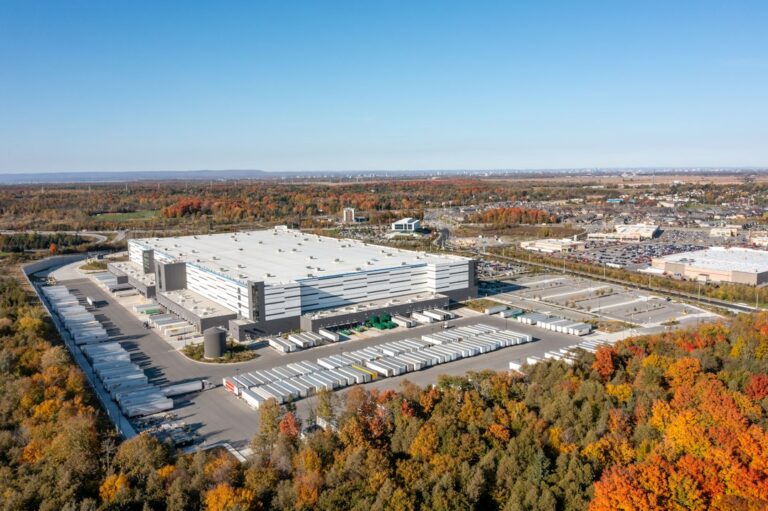
Fontana’s Warehouse Boom: What It Means If You’re Relocating
Fontana grew from a wartime steel town into an Inland Empire logistics hub. See what that shift means for home values and selling if you are relocating.
Read the guide → Selling for cash
The Transfer Tax Every Los Angeles Seller Pays, With or Without Measure ULA
Los Angeles charges its own $4.50-per-$1,000 tax on top of the county rate, before Measure ULA applies. See the exact combined math at closing.
Read the guide → Rentals & tenants
How Much Must Long Beach Landlords Pay Tenants Under the Relocation Ordinance?
Long Beach landlords: see the LBMC 8.99 relocation payments, notice periods, and city filing step required before a no-fault tenant termination.
Read the guide → Selling for cash
What Inglewood’s Housing Protection Ordinance Requires Before You Sell a Rental
Inglewood's Housing Protection Ordinance covers more rentals than expected, with rent caps, just-cause rules, and relocation tiers that transfer at sale.
Read the guide → Selling for cash
The Five-Year Countdown Before Los Angeles County Auctions a Tax-Defaulted Home
LA County auctions tax-defaulted homes after five years unpaid. See the redemption deadline, installment options, and how to claim excess proceeds.
Read the guide →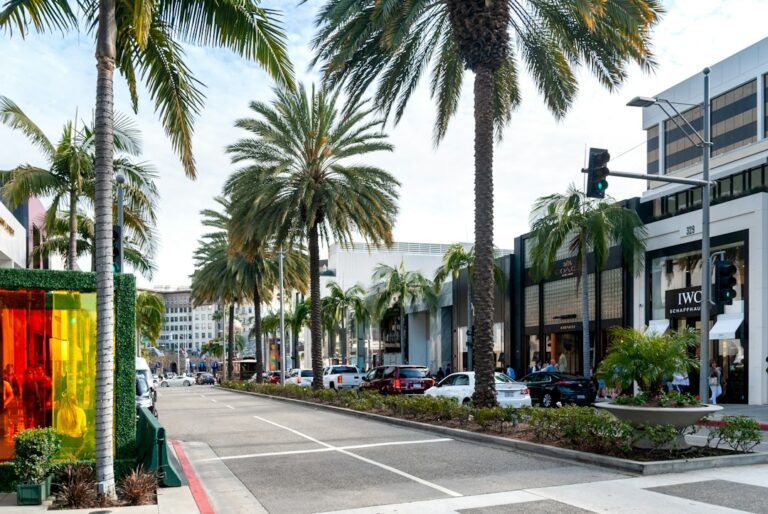 Selling for cash
What Beverly Hills’ Rent Stabilization Ordinance Requires Before You Sell
Beverly Hills runs its own BHMC Chapter 5 and 6 rent rules: caps, BHRent registration, just-cause grounds and relocation fees sellers must clear first.
Read the guide →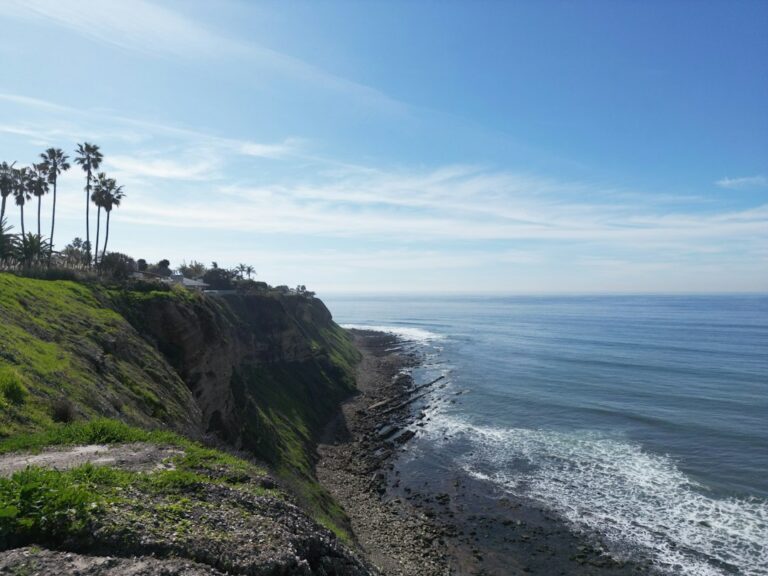 Selling as-is
What Rancho Palos Verdes’ Landslide Zones Mean for a Natural Hazard Disclosure
Rancho Palos Verdes sellers must check a landslide-zone box on the state Natural Hazard Disclosure Statement, separate from the earthquake fault question.
Read the guide → Selling for cash
West Hollywood’s Rent Stabilization Ordinance: What a Seller With Tenants Must Clear First
West Hollywood's rent stabilization law sets strict just-cause rules and relocation fees before you can sell a tenant-occupied rental unit here.
Read the guide → Inherited homes & probate
Partition Actions Between Heirs: How California Law Forces a House Sale
California heirs can force a house sale through a partition action under CCP 872-874, with court referees, confirmation hearings, and buyout rights.
Read the guide →