
We Buy Houses in Canyon Country, CA
- Foreclosure, inherited, tenants, damage — we buy it
- Zero fees, zero commissions, zero repairs
- No obligation — turn the offer down and owe us nothing


Fast, Fair, and Reliable Offers
Sell your house fast with our cash home buying service. No fees, no hassles, just a straightforward sale. Get your offer now.
Canyon Country is Santa Clarita’s most populous neighborhood, with 92,897 residents as of the 2020 census, and its largest by land area, stretching east along the Santa Clara River from Saugus toward the San Gabriel Mountains, with the Sierra Pelona Mountains to the north.
It was originally called Solemint before later absorbing the community of Honby to the west, and Movoto’s August 2026 data put the median sale price here at $684,495 across 305 sales, with homes taking a median of 61 days to sell, up from 51 days the year before.
Its proximity to the Angeles National Forest also means wildfire history is part of the conversation for anyone selling here: the 2007 Buckweed Fire burned roughly 38,000 acres near the community and the 2016 Sand Fire burned about 42,000 acres.
Cash Home Buyers CA is based in Woodland Hills, about 30 minutes south, and we buy houses throughout Canyon Country and the rest of Santa Clarita. We deliver a written cash offer within 24 to 48 hours, buy the property as-is with no repairs, commissions or showings, and close on the date you choose.
Canyon Country’s $684,495 median and a slower summer than last year
Movoto recorded 305 home sales in Canyon Country in August 2026 at a median price of $684,495, with a median of 61 days on the market, up from 51 days a year earlier.
That is the largest sales volume of any Santa Clarita neighborhood and the lowest of the four medians, reflecting Canyon Country’s mix of 1960s and 1970s suburban tract housing built during the community’s rapid postwar expansion alongside newer development further out toward Sand Canyon and Golden Valley Road.
The slowdown to 61 days matters most for houses that sit closest to the wildland-urban interface near the national forest, where insurance costs and defensible-space requirements can add friction to a financed sale, and for older tract houses that have not been updated since the neighborhood’s original construction boom.
Rules that apply to a Canyon Country sale
- Transfer tax: A Canyon Country sale carries only the Los Angeles County documentary transfer tax of $1.10 per $1,000. On the $684,495 August 2026 median, that is about $753, with no additional city transfer tax layered on top.
- No 9A report: Canyon Country sellers do not need the Los Angeles Department of Building and Safety’s Report of Residential Property Records; permits go through the City of Santa Clarita’s own building department.
- Statewide tenant protections: Canyon Country rentals fall under the statewide Tenant Protection Act rather than the Los Angeles Rent Stabilization Ordinance, since the neighborhood is part of the separate City of Santa Clarita.
- Wildfire exposure: With the Angeles National Forest bordering the community and past fires like the 2007 Buckweed Fire and 2016 Sand Fire burning nearby, hillside parcels near Sand Canyon, Mint Canyon and Whites Canyon carry real wildfire risk that affects insurance availability and cost.
From Solemint and Honby to Sand Canyon and Golden Valley
Canyon Country’s history stretches back more than 500 years to Tataviam settlement, followed by Tongva, Kitanemuk and Serrano peoples, before Spanish missionaries established Mission San Fernando Rey de España around 1790 and Henry Newhall’s ranching operations later grew into the Newhall Land and Farming Company.
The neighborhood was originally called Solemint and later absorbed the community of Honby to its west before joining Saugus, Newhall and Valencia to incorporate as the City of Santa Clarita in 1987.
Sierra Highway divides the 91351 and 91387 ZIP codes, and residential development accelerated through the 1960s and 1970s, with newer subdivisions built out since toward Mint Canyon, Sand Canyon and Whites Canyon.
The properties that suit a cash sale here are older tract houses that have not been updated since the 1960s or 1970s, hillside or canyon-adjacent houses that face higher insurance costs or defensible-space requirements, and any rental or estate that needs to close faster than the neighborhood’s 61-day median time on market.
Why Canyon Country owners call us
- Tenant-occupied houses. We buy tenant-occupied houses in Canyon Country and Santa Clarita with the lease intact, no vacancy required.
- Inherited houses. A Canyon Country house from an original 1960s or 1970s owner can be sold as an inherited house in Santa Clarita without a remodel first.
- Pre-foreclosure. Once a notice of default is recorded, we can close on a Santa Clarita house in foreclosure before the trustee’s sale.
- Hillside or hard-to-insure houses. A property near the national forest with insurance or defensible-space concerns can still be sold as-is in Santa Clarita to a cash buyer.
We also handle divorce sales, relocations on a set schedule, and owners who need to sell a Canyon Country house fast.
Escrow and recording for a Canyon Country sale
After you accept our offer, we open escrow and order a preliminary title report right away.
Because Canyon Country is part of the City of Santa Clarita, permit history comes from the city’s own building department, and where a property sits near the wildland-urban interface we look into insurance and defensible-space requirements ourselves rather than leaving that to you.
Any estate that must go through probate is heard at the Superior Court for Los Angeles County in downtown Los Angeles.
Deeds record with the Los Angeles County Registrar-Recorder/County Clerk’s office in Norwalk, and proceeds are wired the day recording is confirmed. A house with clear title and no tenants generally closes in two to three weeks; a tenant-occupied property, a hillside house needing an insurance review, or a probate estate usually runs three to six weeks, on the date you choose.
Listing versus selling to us in Canyon Country
A well-maintained, updated house away from the wildland-urban interface will usually still sell well and net more through a traditional listing at the neighborhood’s roughly $684,495 median. We say so directly when a property fits that description.
Our offer fits the rest of the market: an older tract house that has not been updated, a property near the national forest facing insurance hurdles, or a rental or estate that cannot wait out the 61-day median time on market. Subtract commission, repairs and carrying costs from a listing price on one of those and our cash number is usually close, with a firm date attached.
Canyon Country seller questions
Is Canyon Country its own city?
No. Canyon Country is one of the four communities, along with Saugus, Newhall and part of Valencia, that combined to incorporate as the City of Santa Clarita in 1987. City permits and services come from Santa Clarita's own government.
What is a typical Canyon Country house worth right now?
Movoto's August 2026 data put the median sale price at $684,495 across 305 sales, with homes taking a median of 61 days to sell. Value depends heavily on the house's age, condition and how close it sits to the hillside or canyon areas.
My house is near the national forest and insurance has gotten expensive. Will you still buy it?
Yes. We buy houses in wildfire-exposed areas of Canyon Country and factor insurance and defensible-space considerations into our offer rather than asking you to resolve them first.
Does the Los Angeles Rent Stabilization Ordinance apply to my rental here?
No. That ordinance applies only in the City of Los Angeles. Most Canyon Country rentals over 15 years old are covered by the statewide Tenant Protection Act instead.
How fast can you close on a Canyon Country house?
Two to three weeks for a house with clear title and no tenants; three to six weeks for an occupied rental, a hillside property needing insurance review, or a probate sale, on the date you choose.
If you own a house in Canyon Country and want a straight cash number, call or text 424-435-2326. We will look at the property, check insurance and permit questions ourselves, and send a written offer within 24 to 48 hours with no obligation. Our how it works page walks through the full process.
Seller Guides
Helpful guides for homeowners in Canyon Country
Plain-English answers to the questions sellers ask us most.
 Relocating
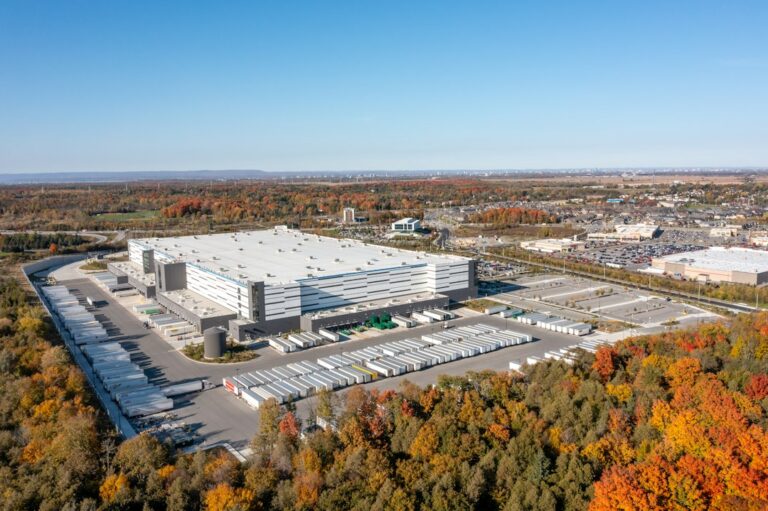
Fontana’s Warehouse Boom: What It Means If You’re Relocating
Fontana grew from a wartime steel town into an Inland Empire logistics hub. See what that shift means for home values and selling if you are relocating.
Read the guide → Selling for cash
The Transfer Tax Every Los Angeles Seller Pays, With or Without Measure ULA
Los Angeles charges its own $4.50-per-$1,000 tax on top of the county rate, before Measure ULA applies. See the exact combined math at closing.
Read the guide → Rentals & tenants
How Much Must Long Beach Landlords Pay Tenants Under the Relocation Ordinance?
Long Beach landlords: see the LBMC 8.99 relocation payments, notice periods, and city filing step required before a no-fault tenant termination.
Read the guide → Selling for cash
What Inglewood’s Housing Protection Ordinance Requires Before You Sell a Rental
Inglewood's Housing Protection Ordinance covers more rentals than expected, with rent caps, just-cause rules, and relocation tiers that transfer at sale.
Read the guide → Selling for cash
The Five-Year Countdown Before Los Angeles County Auctions a Tax-Defaulted Home
LA County auctions tax-defaulted homes after five years unpaid. See the redemption deadline, installment options, and how to claim excess proceeds.
Read the guide → Selling for cash
What Beverly Hills’ Rent Stabilization Ordinance Requires Before You Sell
Beverly Hills runs its own BHMC Chapter 5 and 6 rent rules: caps, BHRent registration, just-cause grounds and relocation fees sellers must clear first.
Read the guide → Selling as-is
What Rancho Palos Verdes’ Landslide Zones Mean for a Natural Hazard Disclosure
Rancho Palos Verdes sellers must check a landslide-zone box on the state Natural Hazard Disclosure Statement, separate from the earthquake fault question.
Read the guide → Selling for cash
West Hollywood’s Rent Stabilization Ordinance: What a Seller With Tenants Must Clear First
West Hollywood's rent stabilization law sets strict just-cause rules and relocation fees before you can sell a tenant-occupied rental unit here.
Read the guide → Inherited homes & probate
Partition Actions Between Heirs: How California Law Forces a House Sale
California heirs can force a house sale through a partition action under CCP 872-874, with court referees, confirmation hearings, and buyout rights.
Read the guide →