
We Buy Houses in Rolling Hills, CA
- Foreclosure, inherited, tenants, damage — we buy it
- Zero fees, zero commissions, zero repairs
- No obligation — turn the offer down and owe us nothing


Fast, Fair, and Reliable Offers
Sell your house fast with our cash home buying service. No fees, no hassles, just a straightforward sale. Get your offer now.
Selling in Rolling Hills? Here is the quick answer
We can buy your Rolling Hills property as-is, with no repairs, staging or repeated showings. After reviewing the property, we can typically provide a written cash offer within 24 to 48 hours. On a direct purchase from us, there is no agent commission charged by us, and the closing date can be structured around your timeline. Requesting an offer does not obligate you to sell.
Best fit: inherited homes, tenant-occupied rentals, vacant properties, major repairs, code issues, foreclosure timelines, or sellers who value certainty and speed. A traditional listing may produce a higher price for a retail-ready home, so compare net proceeds, timing and transaction risk.
Want a number first? Call or text (424) 435-2326 or use the cash-offer form above.
Rolling Hills adopted the state’s updated Fire Hazard Severity Zone maps on June 9, 2025, by Ordinance No. 387, and the city itself says that much of the town now sits in the Very High zone with the remainder in High or Moderate.
For a city of about 1,700 people on three square miles of ridgeline, behind three private gates, with white single-story ranch houses on multi-acre horse lots, that designation has become the defining fact of selling a home.
It decides whether a buyer can get an admitted insurance policy, whether the buyer’s lender will accept a FAIR Plan quote, and how long a listing sits while that gets sorted out.
The city has gone as far as publishing a Fire Safety Insurance Letter for residents to hand to carriers.
Cash Home Buyers CA is a Woodland Hills-based company that buys property throughout Los Angeles County, and on the Palos Verdes Peninsula we buy the houses that financing has stopped working for.
In Rolling Hills that means fire-zone estates with a non-renewal notice, lots touched by the Peninsula landslide, and long-held family ranches that need a full rebuild. We deliver a written cash offer within 24 to 48 hours, buy without repairs or an insurance contingency, charge no commission, and close on your date.
What Rolling Hills estates are selling for as of August 2026
Movoto’s August 2026 figures show a median sold price of about $4.19 million, or roughly $915 per square foot, with 19 active listings. The city carries one of the highest median house values in the country, alongside a median household income above $250,000 as of 2023.
We treat the volume and days-on-market figures published for Rolling Hills with caution, because the third-party sites pool the city with the surrounding 90274 ZIP code, which takes in far more houses than sit behind the gates.
What we can say from working the Peninsula is that Rolling Hills sales are few each year, and each one is a negotiation over a specific lot: its view, its slope, its stable, its insurance history and, now, its distance from the moving ground to the south.
At these prices nearly every financed buyer uses a jumbo loan, and jumbo lenders want a bound homeowners policy before funding.
When admitted carriers decline, the California FAIR Plan covers fire only, at limits that may fall short of the replacement cost of a house at Rolling Hills prices, and the difference-in-conditions policy written alongside it adds cost and delay.
A listing in Rolling Hills can stall for months at that step alone, with nothing wrong with the house.
Fire maps, land movement and the gate: rules specific to Rolling Hills
- Fire hazard zones: Ordinance No. 387 (June 9, 2025) adopted the updated FHSZ maps; the city describes most of its area as Very High. Sellers must disclose the zone, and state law requires 100 feet of defensible space. Rolling Hills Municipal Code 8.30.015 bars new planting of nine species including pine, palm, eucalyptus, juniper, acacia, cedar, cypress and pampas grass.
- Land movement: the city posts ongoing Palos Verdes Peninsula landslide updates. As of January 2026, Southern California Edison was still restoring power to individual homes and building a tension-relief strategy for its lines in affected areas, and the city’s Drainage Ad Hoc Committee was working with Los Angeles County and Rancho Palos Verdes on canyon infiltration. Any lot near the southern edge of the city needs its geology disclosed and priced.
- Rolling Hills Community Association: the entire city is a gated private community with private roads, an association architectural process, a white-exterior requirement, single-story ranch or hacienda styling, and a requirement to keep horse-keeping area on each lot. Buyers take title subject to the association’s covenants, and the association process governs any rebuild.
- Transfer tax: Rolling Hills has no city transfer tax. Only the Los Angeles County documentary transfer tax of $0.55 per $500 applies, about $4,600 on a $4.2 million sale.
- Rent control, point-of-sale and coastal: no local rent ordinance, no city-issued presale report or inspection, and no Coastal Zone designation inside the city. Mello-Roos is not a factor in a community built out in the 1950s and 1960s.
The ranch houses and lots we buy inside Rolling Hills
Rolling Hills was incorporated in 1957, with the ranch-house pattern set before that by the original Palos Verdes development: sprawling single-story houses, white board fences, bridle trails along every road and lots measured in acres rather than square feet.
Locals identify property by the gate it sits behind, by the road (Portuguese Bend Road, Crest Road, Eastfield Drive, Saddleback Road), and by whether it has a canyon, a ridge view or both. There are no condos, no townhomes and no commercial parcels; the housing stock is single-family only.
We buy 1950s and 1960s ranch houses that were never remodeled and need everything from the roof to the septic or sewer connection, estates with barns and stables that no longer have horses, houses damaged by ground movement or with cracked slabs and pools, lots where a previous owner started a rebuild and stopped, and houses whose insurance situation has made a financed sale impractical.
We buy through the association’s process, and we do not require you to clear vegetation, repair fencing or restore the paint to white before closing.
Reasons Rolling Hills owners come to us
- Insurance non-renewals in the Very High zone. When the carrier leaves and the FAIR Plan quote makes a buyer’s lender balk, a cash buyer with no insurance contingency is often the only clean exit. Selling a Rolling Hills house as-is covers how we price fire-zone risk.
- Estates and inherited ranches. Many Rolling Hills houses have one owner since the 1960s, and heirs frequently live out of state and do not want to run a horse property through a year of probate showings. See selling an inherited house in Rolling Hills.
- Land movement and repair fatigue. Owners near the southern boundary who have spent years on drainage, utility interruptions and shifting slabs sometimes decide the next repair is not theirs to make. We take the lot with its geology.
- Divorce, relocation and lender pressure at estate scale. A jumbo loan in default moves quickly to a trustee’s sale, and a divorce or overseas move needs a date. See divorce, relocation and foreclosure sales in Rolling Hills. Leased estates are covered under selling a tenant-occupied house in Rolling Hills.
For the shortest path from call to closing, start at sell my house fast in Rolling Hills.
Closing a Rolling Hills sale through Los Angeles County escrow and title
After acceptance, escrow opens and the title company issues a preliminary report. On a Rolling Hills estate that report is longer than usual: association covenants, bridle-trail and road easements, old well or septic notes and, on the south side, recorded landslide disclosures.
We also request the association’s documents and any geologic reports the owner has. When title is ready we wire the purchase price and the grant deed is recorded at the Los Angeles County Registrar-Recorder/County Clerk in Norwalk.
Three to four weeks is typical for a property with this much paper; faster is possible when the file is simple, and slower is fine when you need it.
In Los Angeles County the seller customarily pays the county transfer tax and the owner’s title policy, and escrow fees are split. On a multimillion-dollar Rolling Hills sale the title premium is a meaningful number; our offer is written net of those seller-side costs so there is no second calculation at closing.
When a Rolling Hills estate should be listed instead
A recently rebuilt house with a bound insurance policy, a clean geology report and a ridge view belongs on the open market with a Peninsula agent; the right buyer will pay for it and we will tell you so.
On a $4.2 million sale a 5 percent commission (a common, not universal, rate) is roughly $210,000, and a seller with a turnkey estate can absorb that for the higher price.
Our offer competes when the house needs a seven-figure renovation, when insurance or land movement has narrowed the buyer pool to cash, or when a trust or divorce needs certainty over the last dollar.
The offer will be below a renovated, insurable comparable, and it is net of commission, repairs, carrying costs and the risk that a jumbo buyer’s policy falls through in week five.
Rolling Hills cash sale questions
Will you buy a Rolling Hills house that cannot get fire insurance?
Yes. We buy with cash and no insurance contingency, so a non-renewal or a FAIR Plan-only situation does not stop the closing. The Very High zone designation is priced, not avoided.
Do you buy lots affected by the Palos Verdes Peninsula landslide?
We do, case by case. We review the city's land movement updates, any geologic report and the utility status, and we make an offer that reflects the ground, including a house that has lost grid power or has slab damage.
Does the Rolling Hills Community Association have to approve a sale to a cash buyer?
The sale itself records like any other, and we take title subject to the association's covenants, white-exterior rule and horse-keeping requirements. Any rebuild we do afterward goes through the association's architectural process, not through you.
Is there a city transfer tax in Rolling Hills?
No. Only the Los Angeles County tax of $1.10 per $1,000 applies, roughly $4,600 on a $4.2 million sale, and we cover it inside our offer.
How long does a Rolling Hills cash closing take?
Offer in 24 to 48 hours, then generally three to four weeks to record, mainly because the title report and association documents on an estate take time to assemble. You choose the closing date.
If you own a house in Rolling Hills and the insurance, the ground or simply the scale of the property has made a conventional sale hard, call 424-435-2326 or send us the address for a written cash offer. We will meet you at the gate, walk the lot and explain the number. The sequence is at how it works.
Seller Guides
Helpful guides for homeowners in Rolling Hills
Plain-English answers to the questions sellers ask us most.
 Relocating
Fontana’s Warehouse Boom: What It Means If You’re Relocating
Fontana grew from a wartime steel town into an Inland Empire logistics hub. See what that shift means for home values and selling if you are relocating.
Read the guide → Selling for cash
The Transfer Tax Every Los Angeles Seller Pays, With or Without Measure ULA
Los Angeles charges its own $4.50-per-$1,000 tax on top of the county rate, before Measure ULA applies. See the exact combined math at closing.
Read the guide → Rentals & tenants
How Much Must Long Beach Landlords Pay Tenants Under the Relocation Ordinance?
Long Beach landlords: see the LBMC 8.99 relocation payments, notice periods, and city filing step required before a no-fault tenant termination.
Read the guide → Selling for cash
What Inglewood’s Housing Protection Ordinance Requires Before You Sell a Rental
Inglewood's Housing Protection Ordinance covers more rentals than expected, with rent caps, just-cause rules, and relocation tiers that transfer at sale.
Read the guide → Selling for cash
The Five-Year Countdown Before Los Angeles County Auctions a Tax-Defaulted Home
LA County auctions tax-defaulted homes after five years unpaid. See the redemption deadline, installment options, and how to claim excess proceeds.
Read the guide →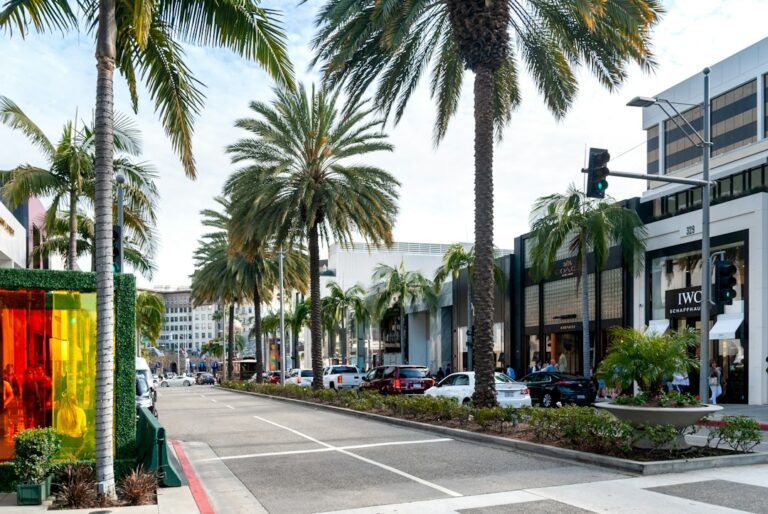 Selling for cash
What Beverly Hills’ Rent Stabilization Ordinance Requires Before You Sell
Beverly Hills runs its own BHMC Chapter 5 and 6 rent rules: caps, BHRent registration, just-cause grounds and relocation fees sellers must clear first.
Read the guide →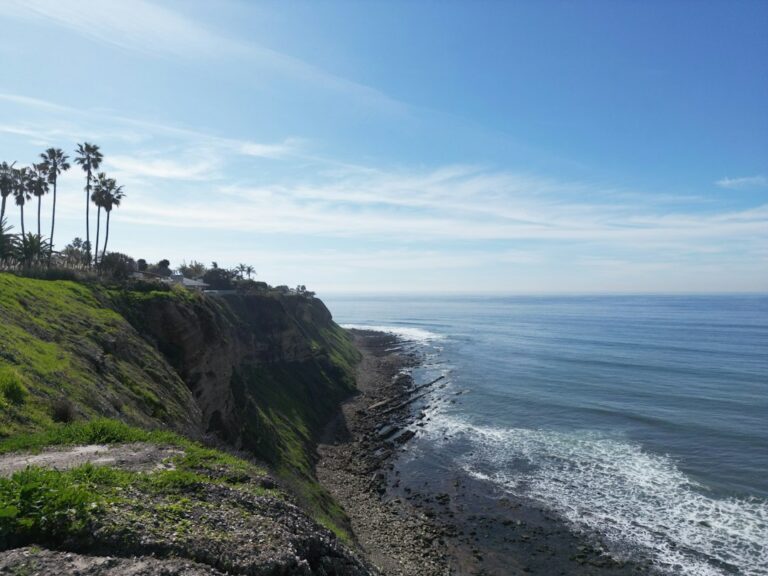 Selling as-is
What Rancho Palos Verdes’ Landslide Zones Mean for a Natural Hazard Disclosure
Rancho Palos Verdes sellers must check a landslide-zone box on the state Natural Hazard Disclosure Statement, separate from the earthquake fault question.
Read the guide → Selling for cash
West Hollywood’s Rent Stabilization Ordinance: What a Seller With Tenants Must Clear First
West Hollywood's rent stabilization law sets strict just-cause rules and relocation fees before you can sell a tenant-occupied rental unit here.
Read the guide → Inherited homes & probate
Partition Actions Between Heirs: How California Law Forces a House Sale
California heirs can force a house sale through a partition action under CCP 872-874, with court referees, confirmation hearings, and buyout rights.
Read the guide →